Can drinking tea stain your teeth?
minute read


Many people enjoy tea every day, but a common question remains: Does tea stain teeth? The clear answer is yes. Tea and teeth staining often go hand in hand because tea contains natural compounds that stick to tooth enamel. Drinking tea often can lead to visible teeth staining, especially when oral care habits are not strong. Over time, this can make teeth look dull, dark, or uneven in colour, resulting in stained teeth.
To understand how tea stain teeth, it helps to look at what tea contains. Tea has natural compounds called tannins and chromogens. Chromogens are dark pigments that attach to the tooth surface, while tannins help the colour stick to tooth enamel. When these compounds bind to enamel, they create surface stains that slowly build up. This process is one of the most common reasons for tooth discoloration.
Many tea drinkers also wonder, “Does tea make your teeth yellow?” With regular tea consumption, teeth may slowly shift from white to yellow or brown. These changes occur gradually, making them easy to overlook at first. However, with time, the effects of tea and teeth staining become more noticeable, especially near the gum line or between teeth. Tea is not the only drink that stains teeth. Coffee causes similar discoloration because it also contains tannins and chromogens.
Not all teas stain teeth the same way. Some types of tea are much more likely to cause tea stains than others. Knowing which teas have a higher staining risk can help protect your smile. Black tea has the strongest staining effect. It contains a high level of tannins, which makes it very effective at attaching dark pigments to enamel. Even one or two cups a day can lead to visible tea stain over time.
Many people ask, “Does green tea discolor teeth?” The answer is yes, but usually less than black tea. Green tea still has tannins, but it also contains antioxidants that may help slow staining. Still, frequent green tea drinking can cause gradual discoloration. Herbal teas usually cause the least staining. Most herbal teas are made without traditional tea leaves, so they contain fewer tannins. However, dark-coloured herbal blends can still leave light stains if consumed often.
When comparing coffee vs tea teeth stain, both drinks can discolour teeth for similar reasons. However, tea’s tannins can sometimes bind more strongly to enamel, which means tea stains may build up faster than coffee stains for some people.
If you enjoy tea every day, you may wonder, “Can drinking tea stain your teeth?” The answer is yes. Luckily, tea and teeth staining can be reduced with simple daily habits. Making small changes helps protect your smile and supports long-term dental health.
Tea has a high staining potential, especially when compared with other drinks like soft drinks and red wine. To lower the risk of stains, focus on prevention and good oral hygiene. Here are easy ways to help prevent tea stains on teeth:
Drink tea in one sitting instead of sipping slowly throughout the day
Rinse your mouth with water after drinking tea to wash away pigments
Use a straw when possible to limit contact between tea and teeth
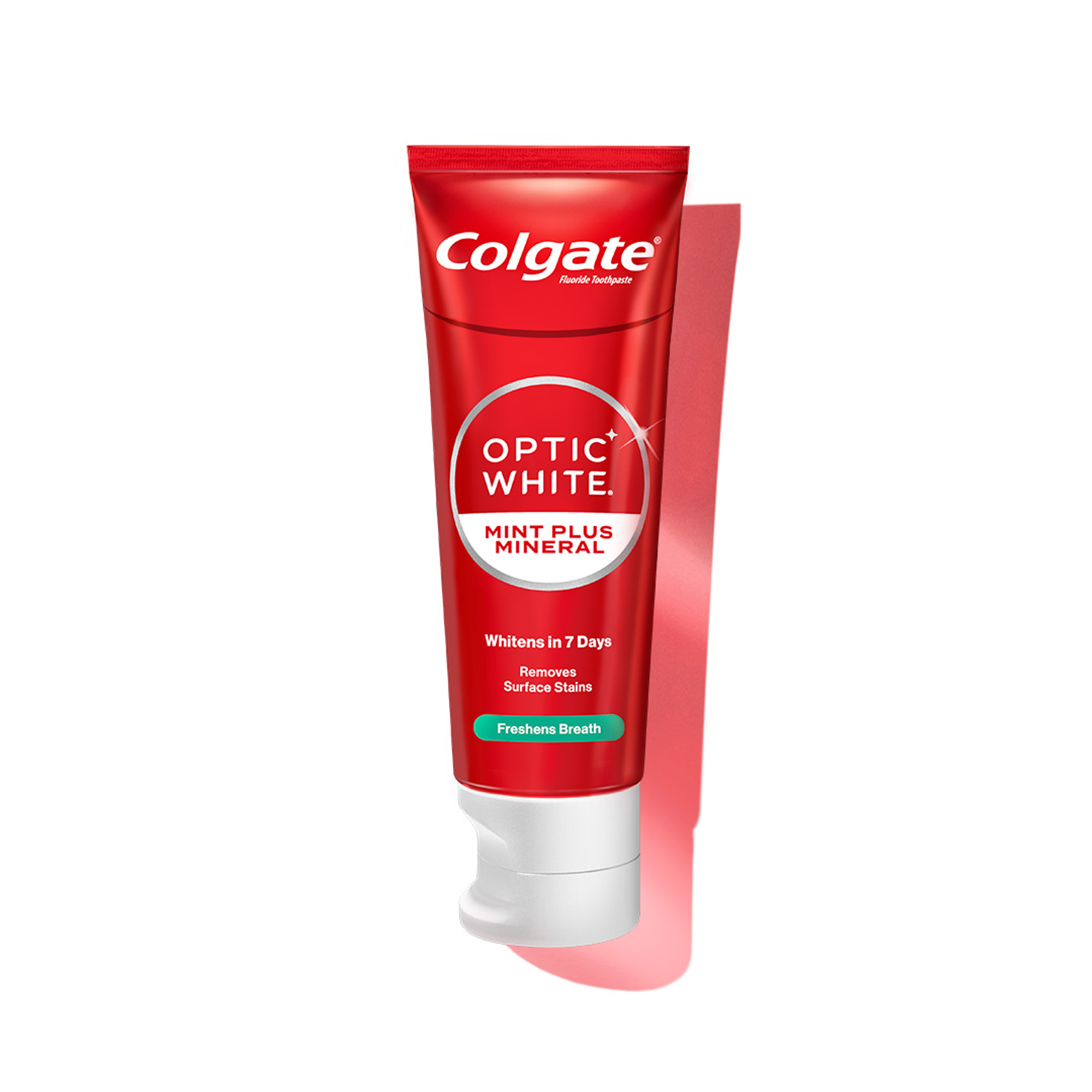
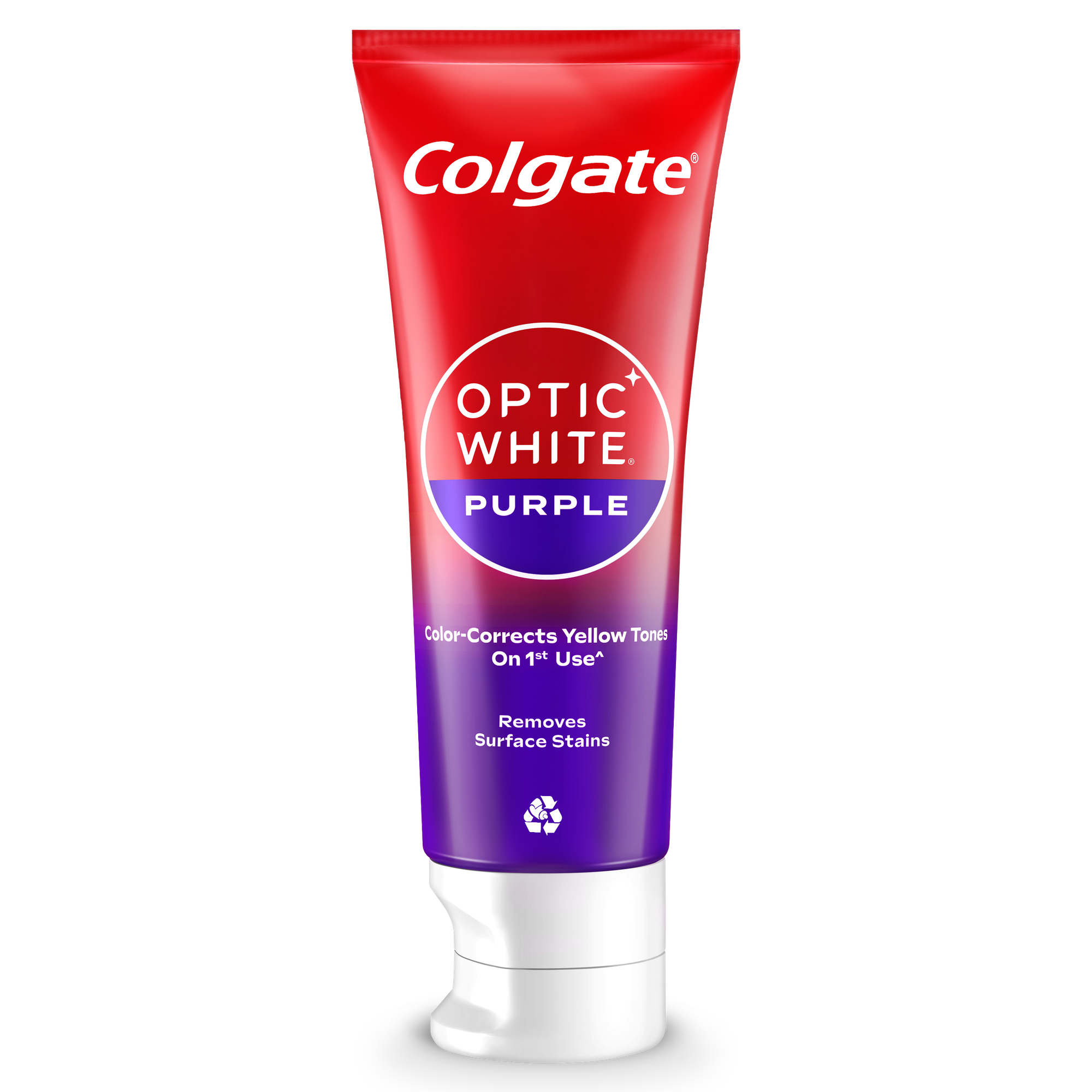
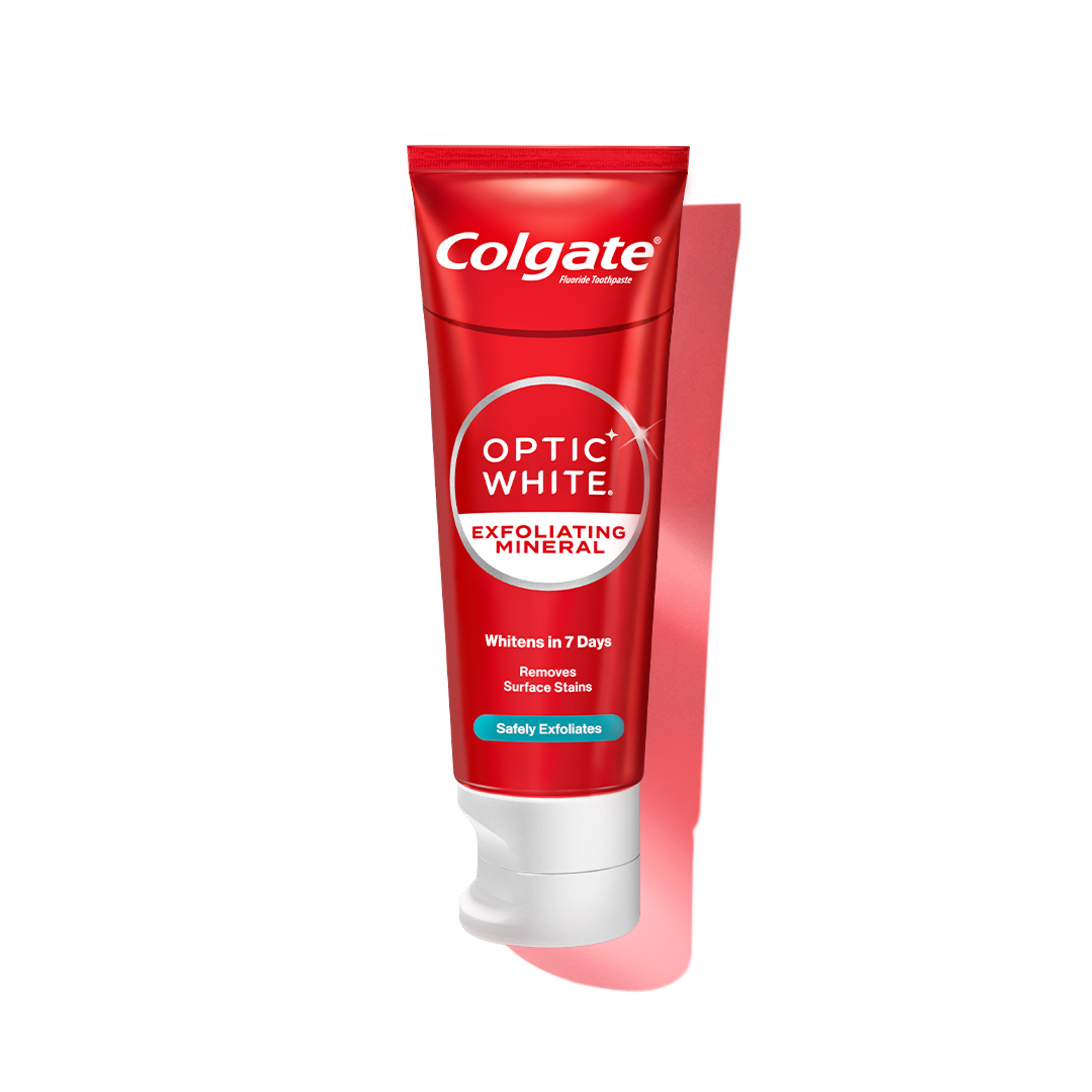
Brush twice a day using a whitening toothpaste to gently remove surface stains
Avoid adding sugar, which helps stains stick to enamel
Wait about 30 minutes before brushing after tea to protect enamel
Drink plenty of water during the day to reduce stain buildup
These habits limit how long tea pigments stay on your teeth. The question, “Can drinking tea stain your teeth?” is a real concern. However, prevention is much easier than fixing stains later.
Using whitening products as part of your routine can also help manage daily discoloration. Trusted options like Colgate Optic White support stain control when used regularly. For deeper or long-term stains, professional whitening treatments may also be recommended by a dentist.
Tea stains can make your smile look dull, but teeth whitening can help restore brighter pearly whites. Understanding how to get rid of tea stains on teeth depends on how deep the teeth staining is and your current oral health condition. Light surface stains often respond well to regular brushing and whitening products used at home. These methods help clean stained teeth slowly and safely.
However, if stains have built up over time, they may sink deeper into the tooth surface and become harder to remove. In these cases, professional care may be needed. Dentists use advanced methods from cosmetic dentistry to remove stubborn stains while protecting tooth enamel and gums. Whether you choose home care or professional treatment, early action helps keep your teeth healthy and bright for the long term.
For mild to moderately stained teeth, simple at-home dental care can be very effective.
Using a Whitening Toothpaste: One of the easiest ways to reduce stains caused by a daily cup of tea is brushing with a whitening toothpaste. When paired with a soft toothbrush, it helps clean surface stains without harming enamel.
Rinsing: Rinsing your mouth after drinking tea is also helpful. You can swish plain water or a gentle mouthwash to wash away pigments before they stick to teeth.
Flossing: Daily flossing cleans between teeth, where stains often hide and build up over time.
Some people try natural options like turmeric for removing teeth staining, but it should be used carefully and not too often. Reducing dark drinks like fruit juices can also help limit new stains. When brushing, rinsing, and flossing are done consistently, at-home care can slowly improve the appearance of stained teeth and support a healthier smile.
Sometimes, tea and teeth staining go deeper than the enamel surface. At-home care alone may not be enough for teeth staining below the enamel, especially when the acidity of tea has weakened the tooth surface over time. In these cases, treatment from dental professionals becomes important. If stained teeth persist despite good at-home care, a dentist can guide you toward the best solution for your needs and overall oral health.
Dentists can perform deep cleanings, apply whitening treatments, and recommend fluoride treatments, or products like mouthwash, or whitening toothpastes to strengthen teeth and reduce future stains. These options are safe for natural teeth as well as restorations like dental implants and dentures, which may also discolour if not cleaned properly.
Tea lovers do not need to give up their favourite drink to enjoy a bright smile. It is true that tea stain teeth, but the effects can be managed with smart daily habits. While the concern “Can drinking tea stain your teeth?” prevails, tea also offers many health benefits, making balance important for long-term dental care.
Good oral hygiene plays a major role in controlling ongoing teeth staining and preventing new tea stains. Brushing and flossing every day helps remove stain-causing particles before they settle into the enamel. Drinking water after tea is one of the easiest ways to rinse away pigments before they build up and lead to discoloration.
Regular dental cleanings also help keep stains under control. If you ever wonder again whether drinking tea can stain your teeth, remember that consistent care matters more than avoiding tea completely. Using trusted oral care products, such as Colgate’s enamel-safe whitening formulas, supports oral health and helps maintain your pearly whites over time.
Most tea stains are not permanent. Surface tea stains can usually be removed with whitening toothpaste, good brushing habits, or professional cleaning when needed.
It is ideal to get a professional dental cleaning every six months. If you drink tea daily and notice frequent teeth staining, your dentist may suggest more regular cleanings.
Black tea stains teeth the most due to its high tannin content. Green tea stains less, and most herbal teas cause the least discoloration.