Prevent Diabetes Problems, Keep Your Teeth and Gums Healthy
minute read

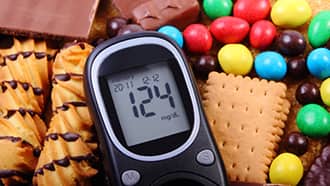
Too much glucose in the blood for a long time causes diabetes problems. This high blood glucose can damage many parts of the body, such as the heart, blood vessels and kidneys. Diabetes problems can be scary, but there is a lot you can do to prevent them or slow them down.
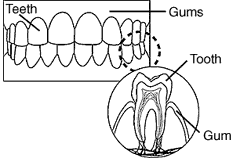 |
High blood glucose can cause tooth and gum problems.
|
Use this page to learn about tooth and gum problems caused by diabetes. You will learn the things you can do each day and during each year to stay healthy and prevent diabetes problems.
Back to Back to Top
 | Follow the healthy eating plan that you and your doctor or dietitian have worked out. Eat your meals and snacks at around the same times each day. |
 | Be active a total of 30 minutes most days. Ask your doctor what activities are best for you. |
 | Take your diabetes medicine at the same times each day. |
 | Check your blood glucose every day. Each time you check your blood glucose, write the number in your record book. Call your doctor if your numbers are too high or too low for 2 to 3 days. |
 | Check your feet every day for cuts, blisters, sores, swelling, redness or sore toenails. |
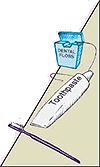
 | Brush and floss your teeth and gums every day. |
 | Don't smoke. |
Tooth and gum problems can happen to anyone. A sticky film full of germs (also called plaque [PLAK]) builds up on your teeth. High blood glucose helps germs (bacteria) grow. Then you can get red, sore and swollen gums that bleed when you brush your teeth. People with diabetes can have tooth and gum problems more often if their blood glucose stays high. High blood glucose can make tooth and gum problems worse. You can even lose your teeth.
Smoking makes it more likely for you to get a bad case of gum disease, especially if you have diabetes and are age 45 or older.
Red, sore and bleeding gums are the first sign of gum disease. This can lead to periodontitis (PER-ee-oh-don-TY-tis). Periodontitis is an infection in the gums and the bone that holds the teeth in place. If the infection gets worse, your gums may pull away from your teeth, making your teeth look long.
Call your dentist if you think you have problems with your teeth or gums.
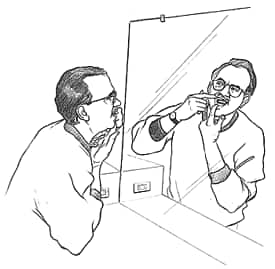 |
Check your teeth and gums for signs of problems from diabetes.
|
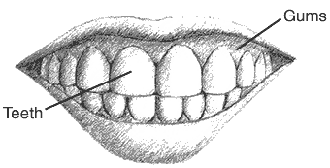
If you have one or more of these problems, you may have tooth and gum damage from diabetes:
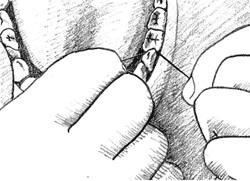 |
| Brush and floss your teeth and gums every day. |
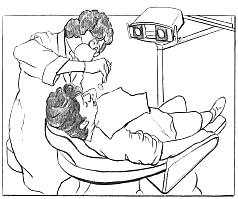 |
Get your teeth cleaned and checked twice a year.
|
Plan ahead. You may be taking a diabetes medicine that can make your blood glucose too low. This very low blood glucose is called hypoglycemia (hy-po-gly-SEE-mee-uh). If so, talk to your doctor and dentist before the visit about the best way to take care of your blood glucose during the dental work. You may need to bring some diabetes medicine and food with you to the dentist's office.
If your mouth is sore after the dental work, you might not be able to eat or chew for several hours or days. For guidance on how to adjust your normal routine while your mouth is healing, ask your doctor:
This article is intended to promote understanding of and knowledge about general oral health topics. It is not intended to be a substitute for professional advice, diagnosis or treatment. Always seek the advice of your dentist or other qualified healthcare provider with any questions you may have regarding a medical condition or treatment.