Does Baking Soda Whiten Teeth?
minute read

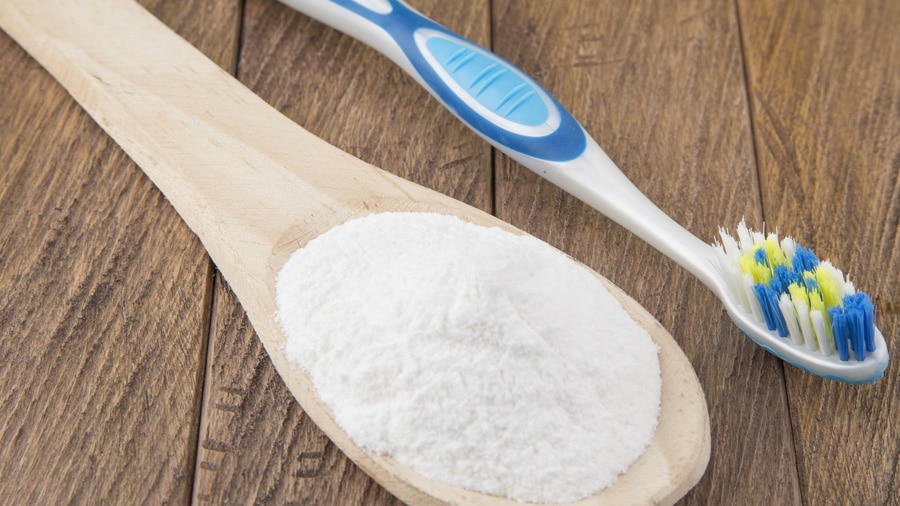
How can a simple mixture of equal parts baking soda and water whiten teeth? Baking soda, also known as sodium bicarbonate, is composed of a chemical compound that makes it a great mild abrasive. It is this same abrasiveness that effectively removes surface stains from your teeth and make them appear whiter. However, if your goal is to remove deeper, older stains, then baking soda will not be as effective. You will need to see your dentist or use a product that was specifically created for whitening teeth.
If you're considering using this method to help whiten your teeth, you need to be aware of possible side effects. With continual use, you could cause damage to the enamel that coats your teeth. In addition, baking soda doesn't contain fluoride, which helps strengthen teeth and prevent dental cavities, so you will still need to use regular toothpaste. If you have braces that contain orthodontic glue or use a permanent retainer, don't brush with baking soda. It will soften the glue.
Who doesn't want a beautiful, bright smile free of stains? Getting that smile shouldn't be at the expense of the health of your teeth. For a safer alternatives, you should seek teeth whitening services from your dentist. Learn more about tooth whitening, at the Colgate's Oral Care resources.
This article is intended to promote understanding of and knowledge about general oral health topics. It is not intended to be a substitute for professional advice, diagnosis or treatment. Always seek the advice of your dentist or other qualified healthcare provider with any questions you may have regarding a medical condition or treatment.