What Works Best to Remove Coffee Stains from Your Teeth?
minute read


If you're a coffee drinker, you probably LOVE your morning coffee. Maybe you even love it in the afternoon and evening, too. However, most people find the stains it leaves on their teeth to be a bit less desirable. Coffee, black tea, and red wine can all cause discoloration on your tooth enamel. Luckily, teeth whitening technology is now better than ever. Effective treatments are available at your dental professional's office and over-the-counter to keep you smiling.
A review article published on the Research Journal of Pharmacy and Technology explains that teeth discolouration is mainly a cosmetic problem that occurs when the enamel (the hard, outer surface of the tooth) or the dentine (the layer below the enamel) become discoloured or stained. The teeth can become discoloured by stains on the surface or by changes within the tooth. External factors cause staining of the outer layer of the tooth and include smoking, beverages such as coffee, wine, cola or foods such as apples and potatoes. Whitening products bleach that outer layer by breaking the stains into smaller pieces with hydrogen peroxide or carbamide peroxide.
Other potential causes of stained teeth include:
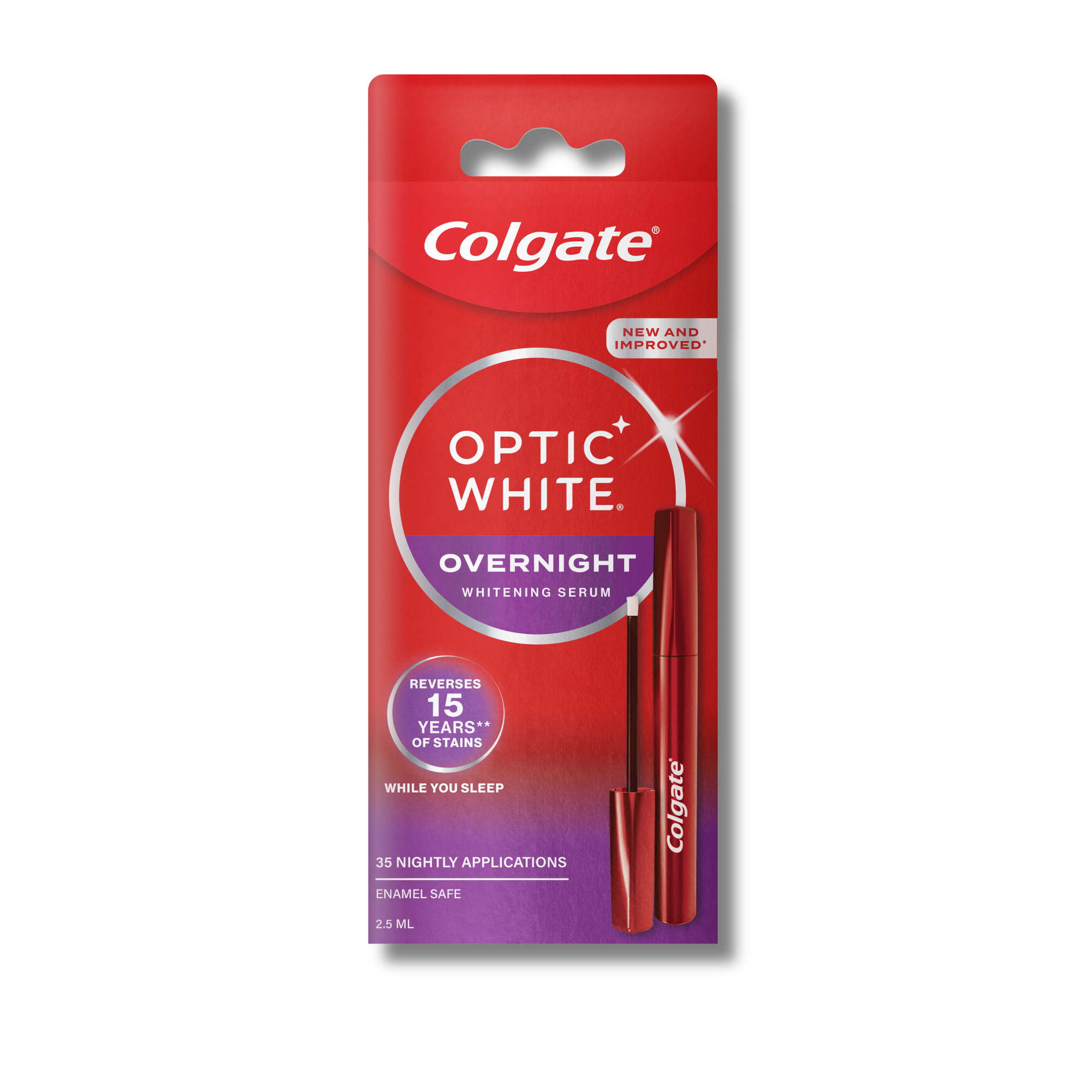
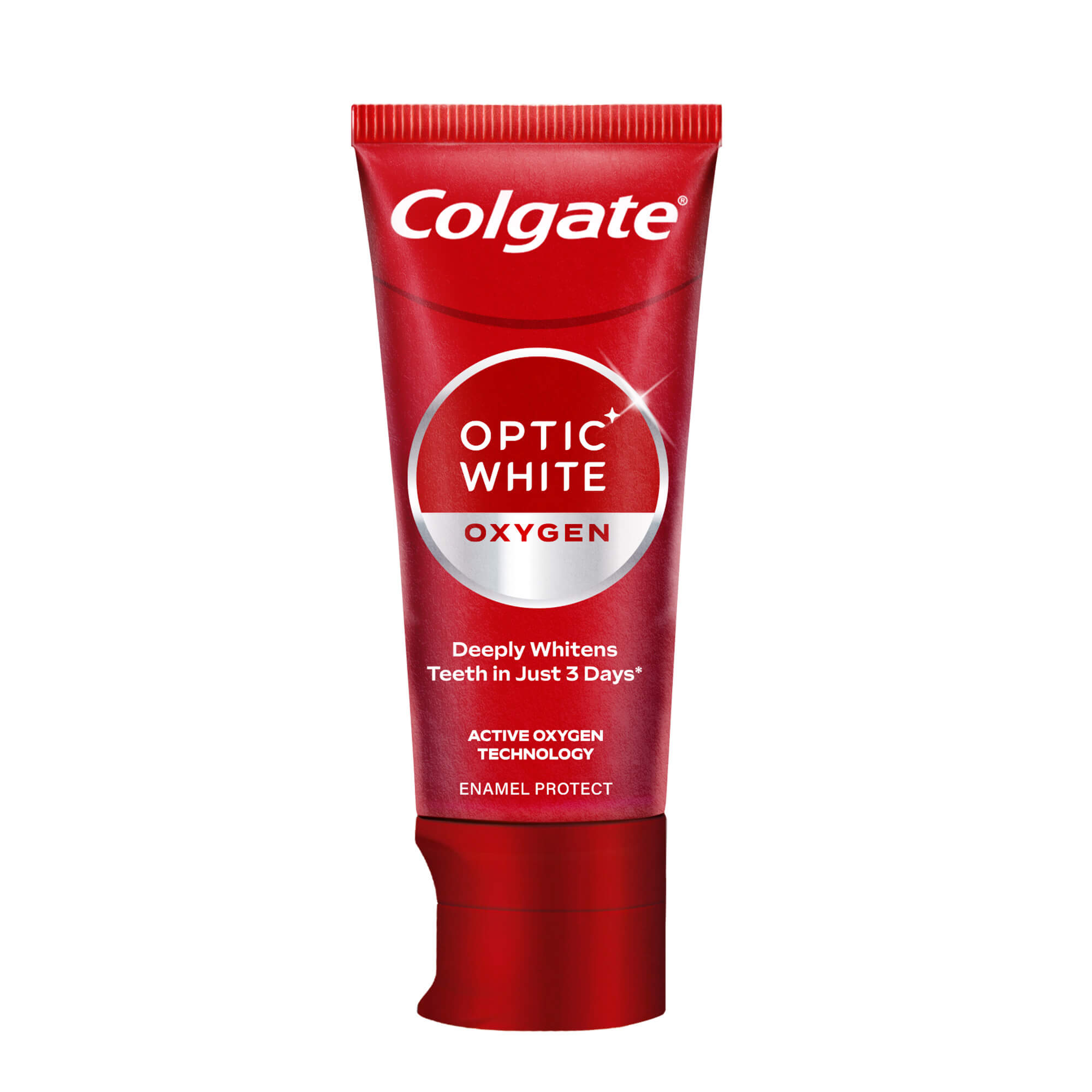
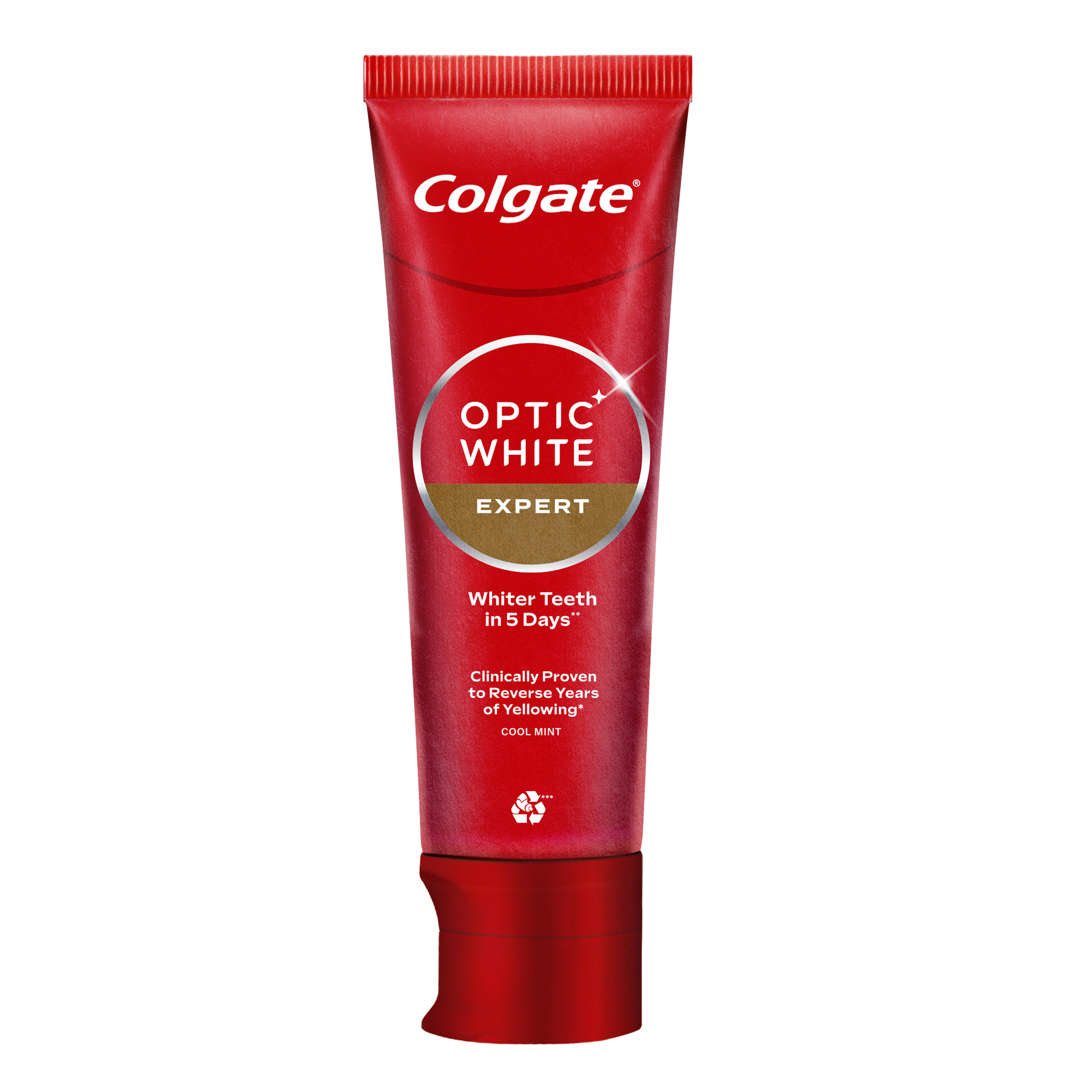
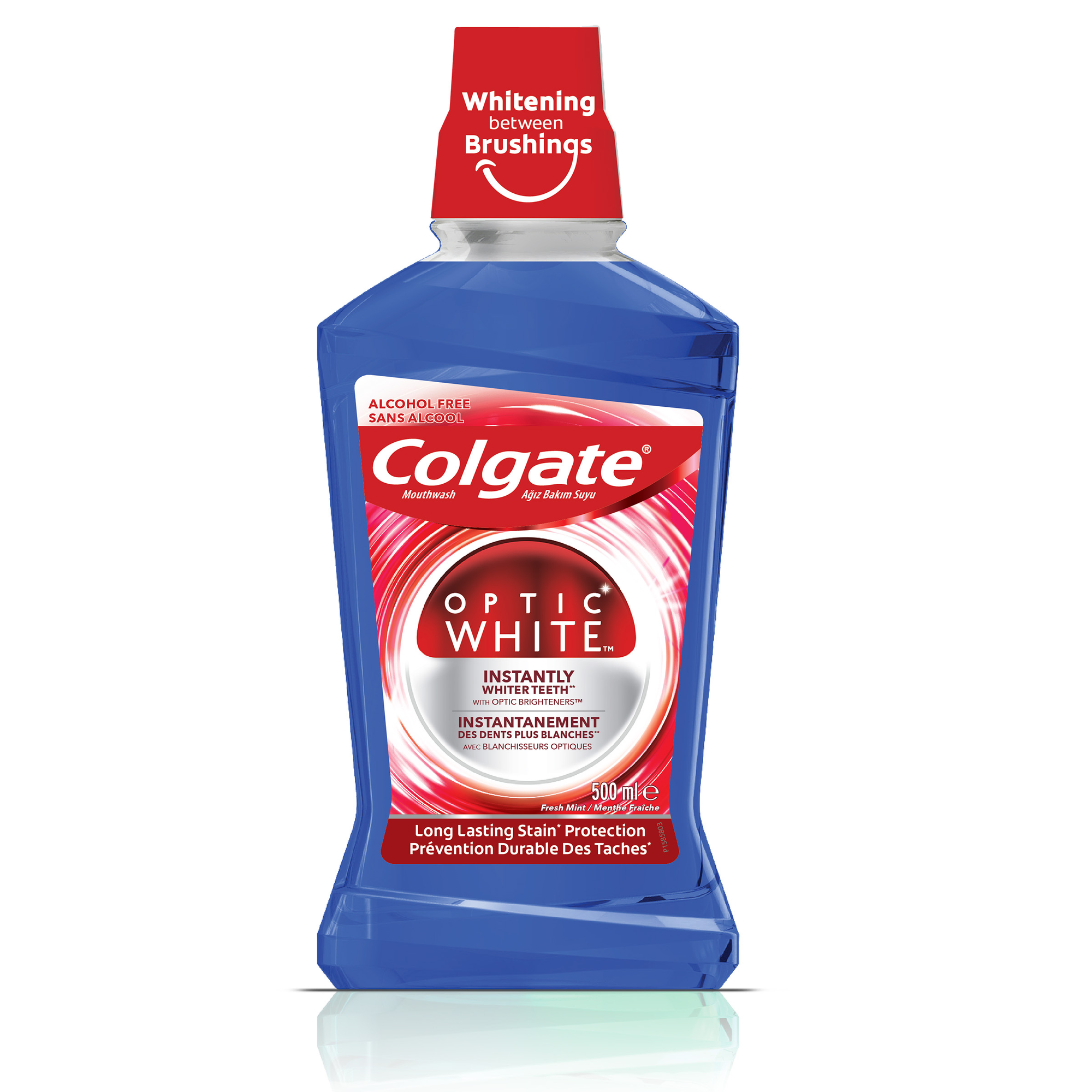
There are various products available over the counter that can help you whiten your teeth at home.
The best way to prevent stained teeth is to minimise beverages that can cause discoloration and avoid tobacco products. If you take a medication that can cause tooth discoloration, speak to your healthcare professional to find out if it's possible to take a different medication. And always be sure to practice good oral hygiene:
You only get one set of natural teeth, so it makes sense that you'll experience some discoloration over the course of your life. But that also means it's important that you do what you can to practice good oral hygiene. Discoloration can be reversed, severe gum disease and tooth loss can not. We wish you the best of oral health on your journey. Happy brushing!
The best way to prevent stained teeth is to minimise the consumption of beverages that can cause discoloration, and avoid tobacco products. If you are taking a medication that can cause tooth discoloration, speak to your healthcare professional to find out whether an alternative medication might also be suitable. And always be sure to practice good oral hygiene:
You only get one set of natural teeth, so it makes sense that you'll experience some discoloration over the course of your life. But that also means it's important that you do what you can to practice good oral hygiene. Discoloration can be reversed, severe gum disease and tooth loss cannot. We wish you the best of oral health on your journey. Happy brushing!
This article is intended to promote understanding of and knowledge about general oral health topics. It is not intended to be a substitute for professional advice, diagnosis or treatment. Always seek the advice of your dentist or other qualified healthcare provider with any questions you may have regarding a medical condition or treatment.