How Your Teeth Stain
minute read


Before beginning a home or in-office treatment, it is a good idea to see a dentist to determine the type of stain you have and assist in deciding which option treatment would work best for you.
The options include:
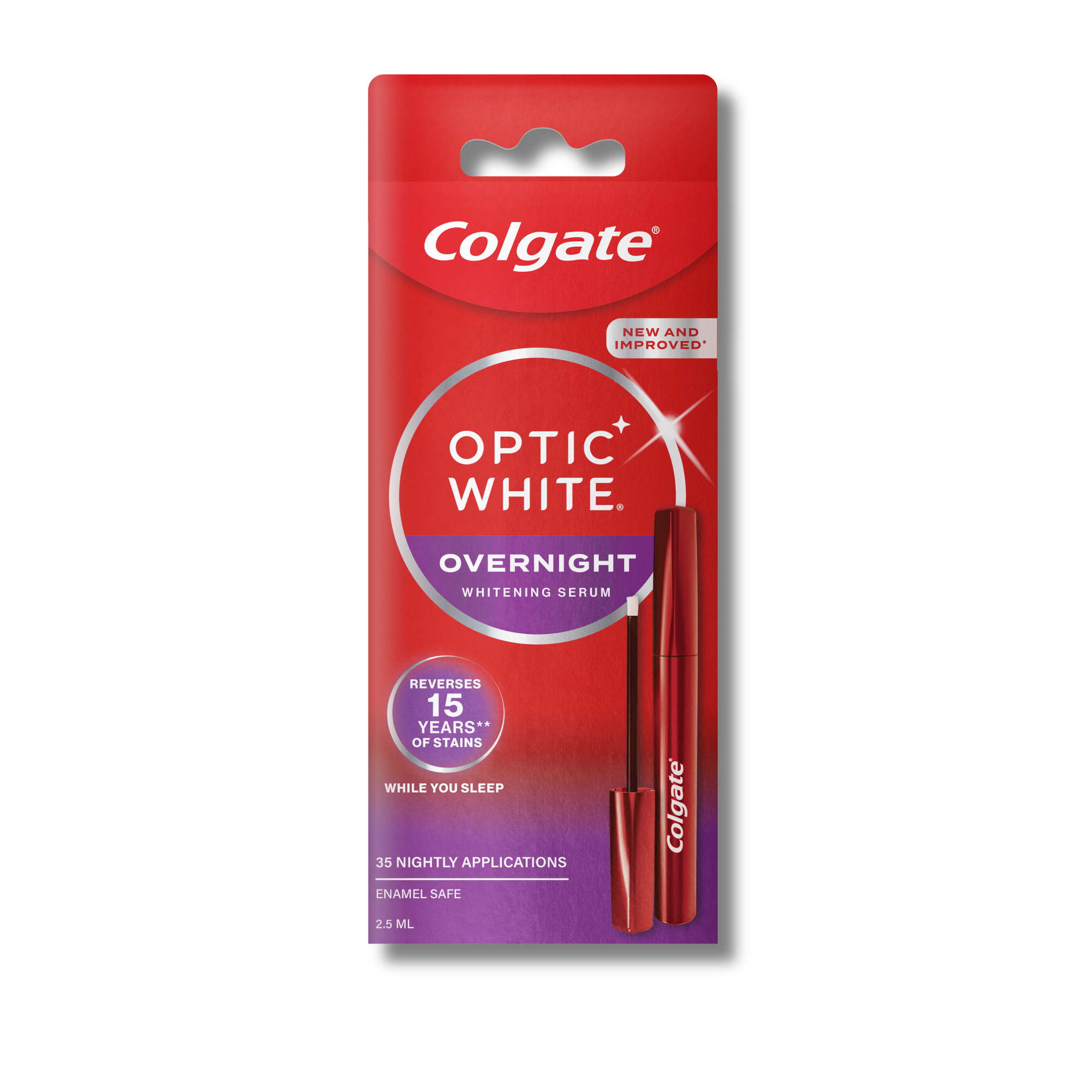
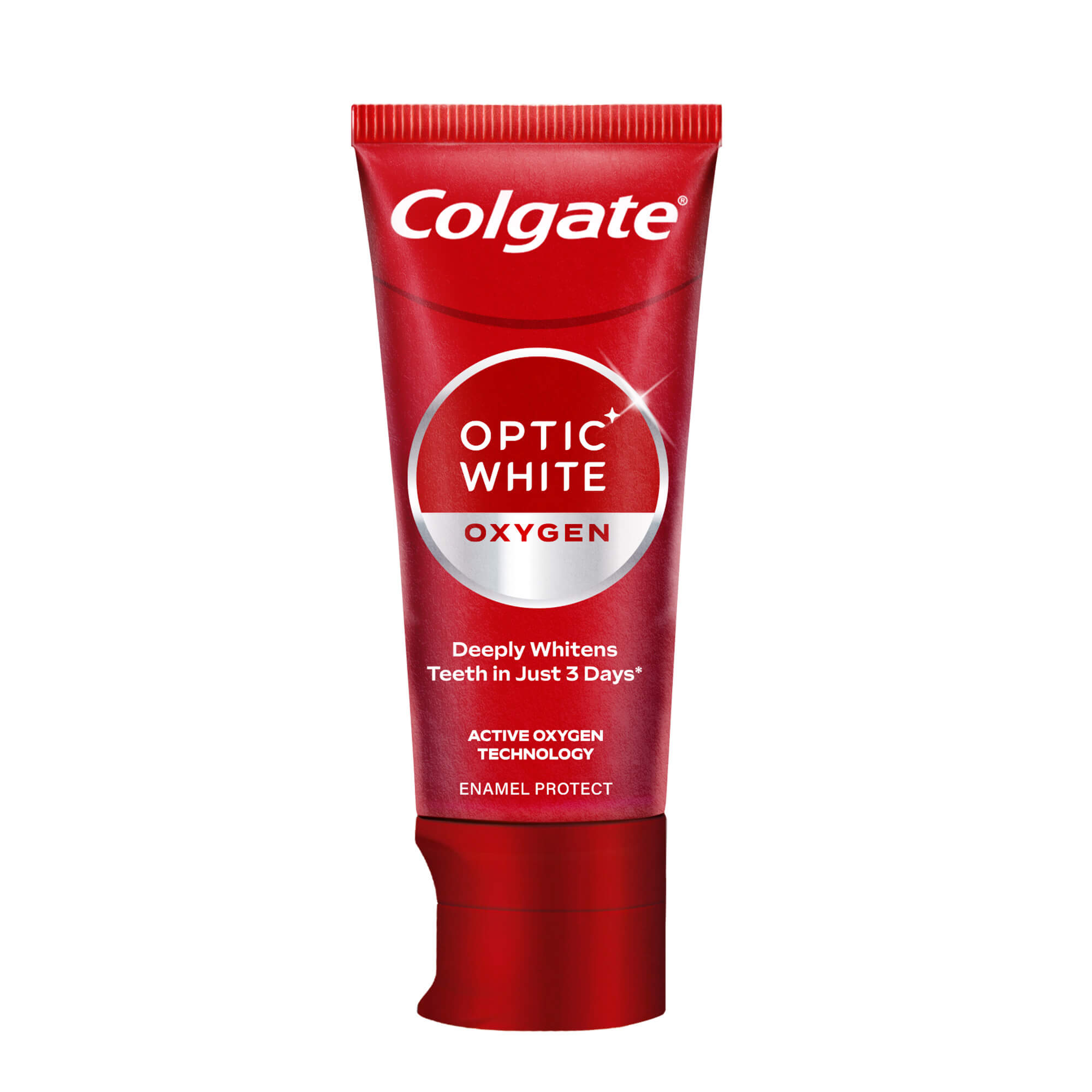
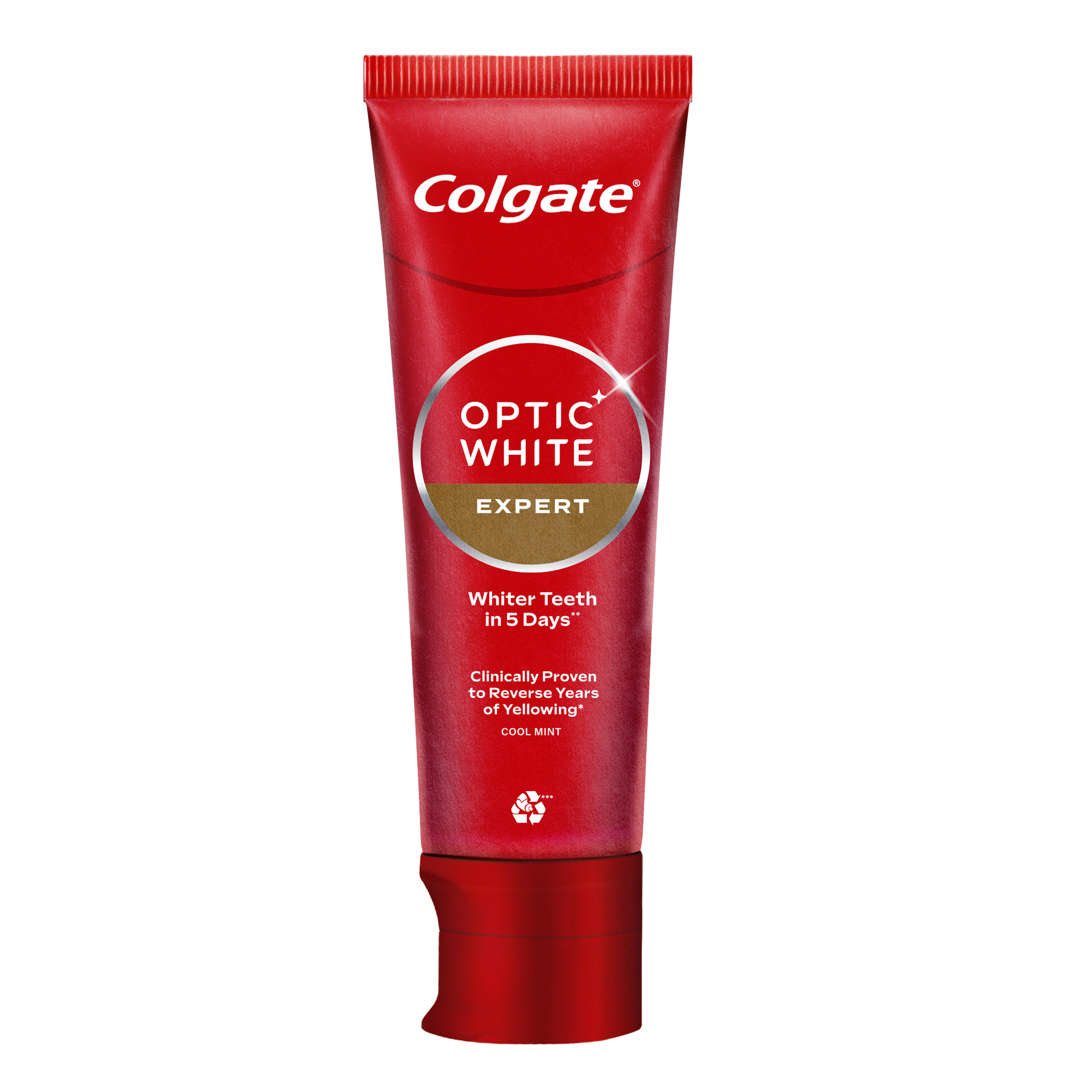
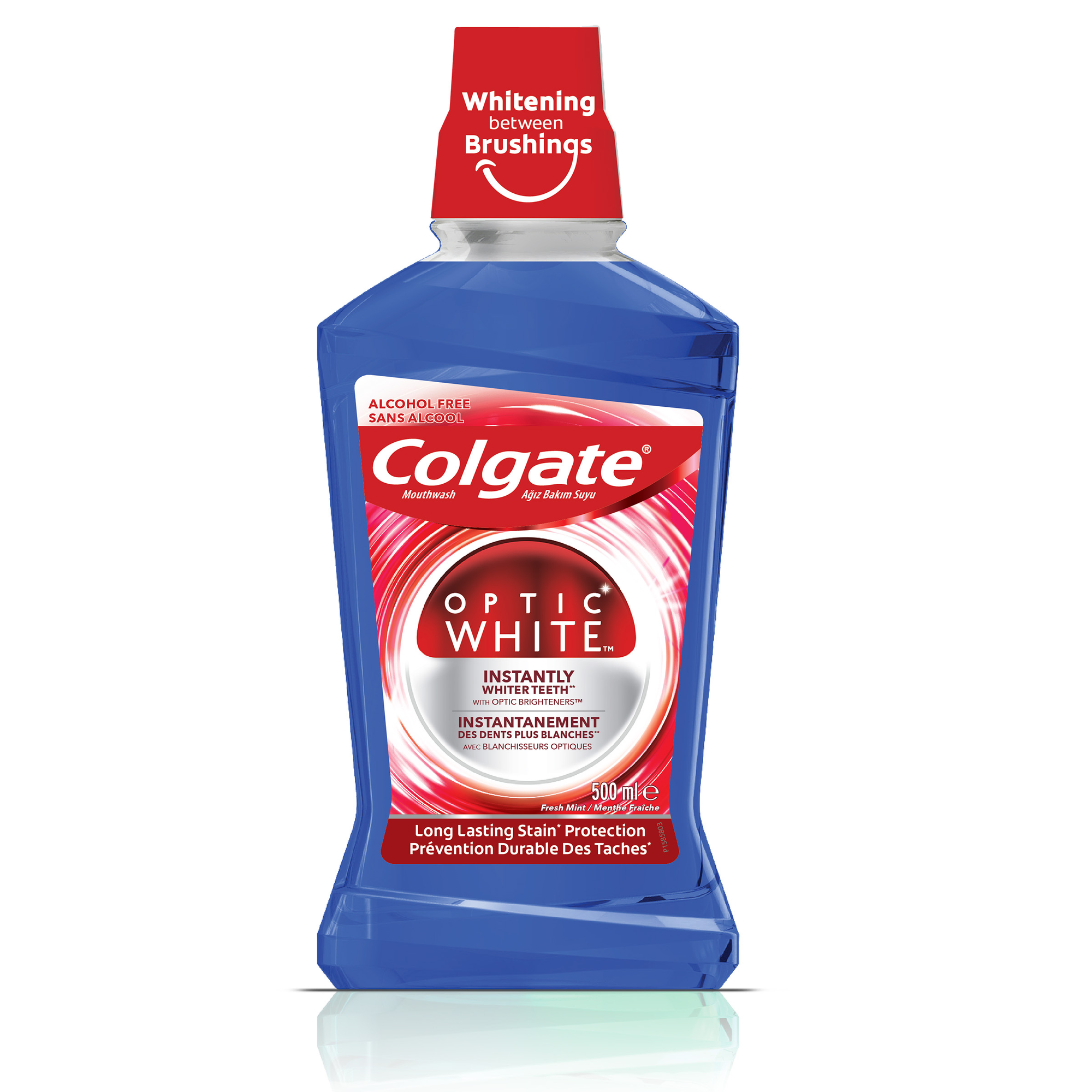
There are several options in this category of whitening. You can choose over-the-counter toothpastes, mouthwashes, white strips or paint-on gels. Gel trays are popular, but may require a dentist to take an impression of your teeth and to help you select a whitening kit. The expense is less than an office whitening visit.
This option may include one to three visits depending on the whitening procedure that you and the dentist choose. It is usually more expensive than the over-the-counter whitening products, but can be more effective. Speak with your dentist to find out which options are available at your clinic.
Whatever your choice may be, think about your options, and consider lifestyle factors that may interfere with the tooth whitening process. Commit yourself to one technique and enjoy a brighter and whiter smile!
© 2010 Colgate-Palmolive Company
This article is intended to promote understanding of and knowledge about general oral health topics. It is not intended to be a substitute for professional advice, diagnosis or treatment. Always seek the advice of your dentist or other qualified healthcare provider with any questions you may have regarding a medical condition or treatment.