Burned Gums from Teeth Whitening: What You Need to Know
minute read

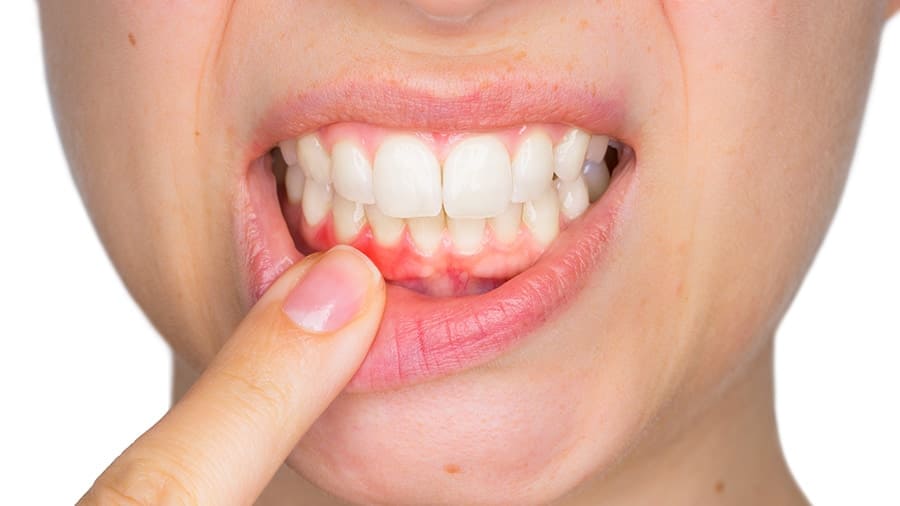

Teeth whitening is a popular way to brighten your smile, but it can sometimes lead to gum discomfort. One common issue people experience is burned gums from teeth whitening. This usually happens when whitening gel touches the soft gum tissue instead of staying only on the teeth.
Most whitening products contain peroxide-based ingredients. These chemicals work by breaking down stains on the enamel, but they can be harsh on gums. If the whitening tray does not fit well or too much gel is applied, the product can leak onto the gums and cause irritation. Another cause is leaving whitening products on for too long. Many people believe longer use gives faster results, but this can damage gum tissue. Overuse dries out the gums, leading to redness, soreness, peeling and tooth sensitivity.
Gum irritation can also happen if your gums are already weak or inflamed. Small cuts, gum disease, or poor oral hygiene make gums more likely to react badly to whitening agents. This is why it is important to whiten teeth only when your mouth is healthy.
Seeing white patches on your gums after whitening can be scary, but it is usually temporary and not a serious threat to oral health. In many cases, this reaction is caused by bleaching agents coming into contact with the soft gum tissue. This mild chemical response is often described as burned gums from whitening or gum burns, especially when products like whitening strips or trays touch the gums instead of staying on the teeth. The bleaching agent can dry out the gum surface for a short time, making it look white.
This whitening of the gums does not usually mean permanent damage. The colour often returns to normal within a few hours or days as moisture returns to the tissue. During this time, you may notice gums hurting, feeling tender, sensitive, or slightly swollen. These symptoms are common when gums are briefly exposed to whitening products and typically fade with proper care. It is important to go through the product instructions before using any products for teeth whitening.
The discomfort may worsen when eating hot, cold, or spicy foods, as irritated gums are more sensitive than usual. Some people also feel a tingling or mild burning sensation, which can be uncomfortable but is usually short-lived if exposure is limited. However, if there are severe burns and the pain lasts more than a few days or gets worse, it is important to see a dentist. Ongoing pain may mean the gums were exposed to bleaching agents for too long, the whitening strips were misused, or the product strength was too high for your gums.
If your gums feel painful after whitening, timely action paired with a good oral care routine can help them heal faster. A sore gum should never be ignored, even if the discomfort feels mild at first. Early care reduces gum irritation and supports faster recovery, especially when the problem starts from an at-home whitening method.
Stop Whitening and Rinse Your Mouth: Stop using the whitening product immediately. Gently rinse your mouth with clean water to remove any leftover gel. You can also use a mild, alcohol-free mouthwash to soothe the area. Avoid strong rinses, as they can worsen irritation.
Use Oral Gels for Comfort: Applying oral gels designed for sensitive gums can help reduce pain and protect the tissue. These gels create a soothing layer over the sore area and are helpful during the healing stage.
Eat Soft Foods: Stick to soft foods like yoghurt, soups, mashed vegetables, or bananas. Hard or spicy foods can increase gum irritation and slow healing.
Brush Gently: Use a soft-bristled toothbrush and brush slowly with light pressure. Gentle brushing keeps teeth clean without harming sensitive gums and supports good oral care while healing.
Apply a Cold Compress: Placing a cold compress on the outside of your cheek for 10–15 minutes can reduce swelling and ease pain.
Give Your Gums Time to Heal: Most gum irritation improves within a few days. Avoid restarting any at-home whitening methods until your gums feel completely normal again. Giving your gums time to heal is key to preventing further damage.
Saltwater rinse & pain relievers: A warm saltwater rinse helps calm irritation. Just swish a mix of warm water and one teaspoon of salt for 30 seconds. This can help with mild to moderate burns. If needed, mild pain relievers may reduce discomfort, but only as directed
If your gums feel sore, simple at-home care can support the healing process. However, preventing gum irritation is much easier than treating it. With the right steps, you can enjoy a safe whitening treatment while protecting your gum health and smile. Whether you choose over-the-counter options or professional solutions, careful use is key to avoiding burned gums.
Use the Right Amount of Gel: More gel does not mean better results. Using too much can spread onto the affected area and cause irritation or even a chemical burn on the affected gum. Always follow the instructions closely, especially with at-home teeth whitening products.
Choose Well-Fitting Trays: If your whitening system uses trays, make sure they fit snugly. Poorly fitted trays allow gel to leak onto the gums, increasing the risk of whitening burns. A proper fit helps keep the whitening agent only on the teeth.
Protect Your Gums Before Whitening: Some kits include protective barriers for the gums. You can also apply a thin layer of aloe vera gel along the gum line to soothe and protect soft tissue before whitening. This simple step supports gum health and reduces irritation.
Keep Whitening Sessions Short: Never leave a whitening product on longer than advised. Extended exposure increases the chance of gum damage and chemical burns. Short, controlled sessions are safer and still effective.
Support Whitening with Good Dental Care: Daily brushing, flossing, and regular dental care help maintain whitening results and keep gums healthy. Healthy gums are less likely to react badly to whitening products.
Many people want a brighter smile but worry about gum pain or damage. A gentle teeth whitening home remedy can help improve tooth colour while lowering the risk of irritation. Dentistry offers many mild methods that work best for people with sensitive gums or a history of burned gums from teeth whitening.
Safer tooth whitening products include:
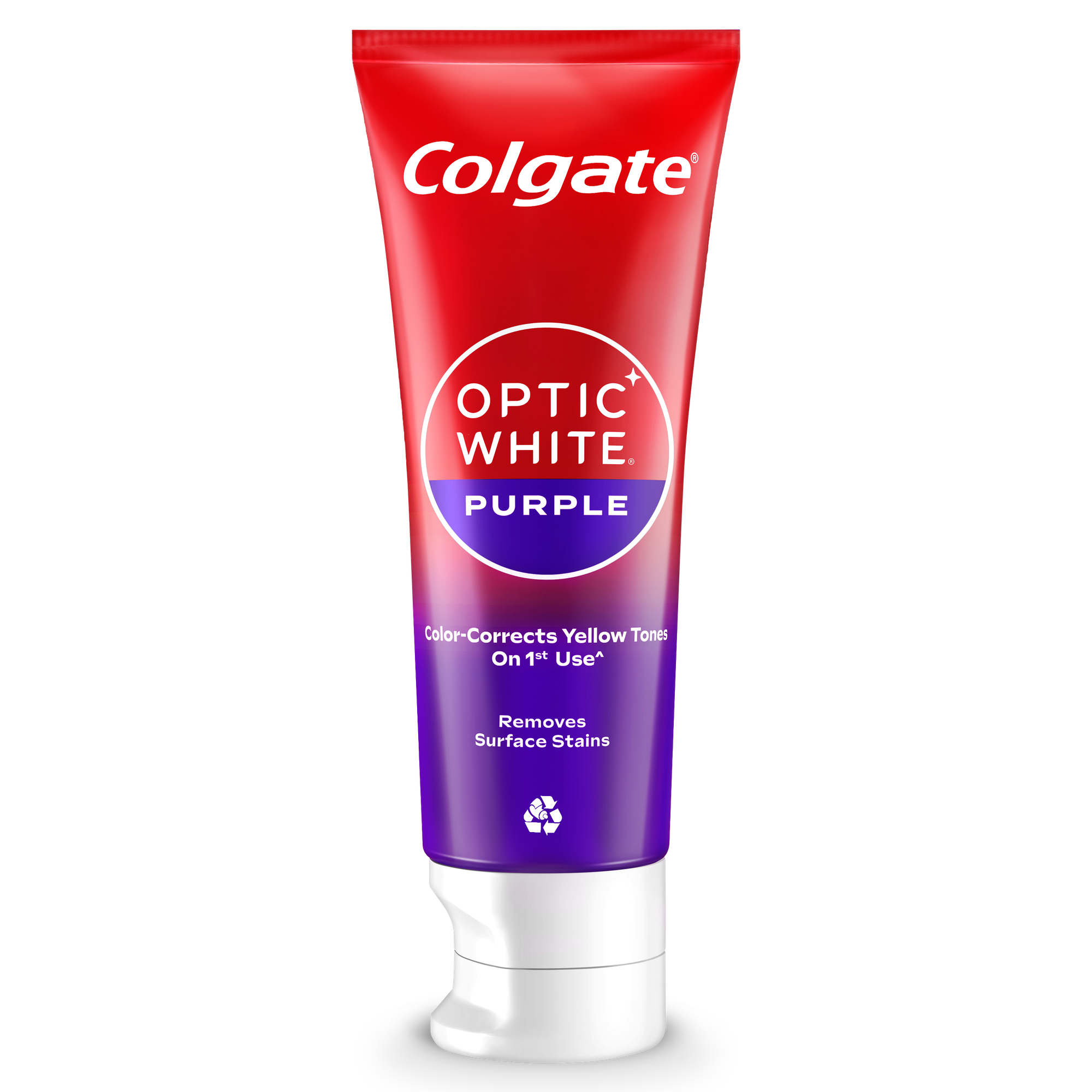
At-home kits like purple serum, whitening pens, and low-strength whitening systems. These options help control where the gel goes, which protects the gums.
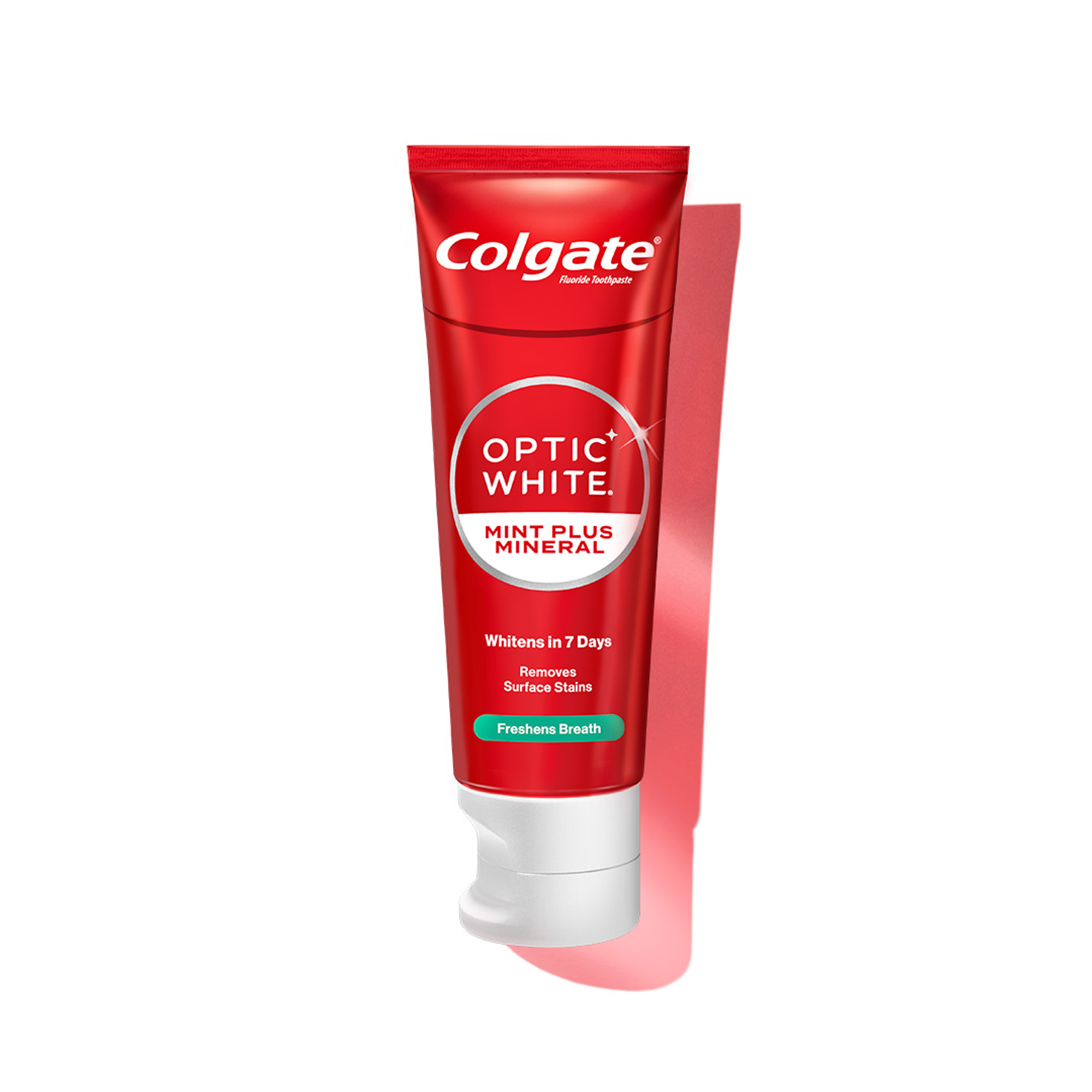
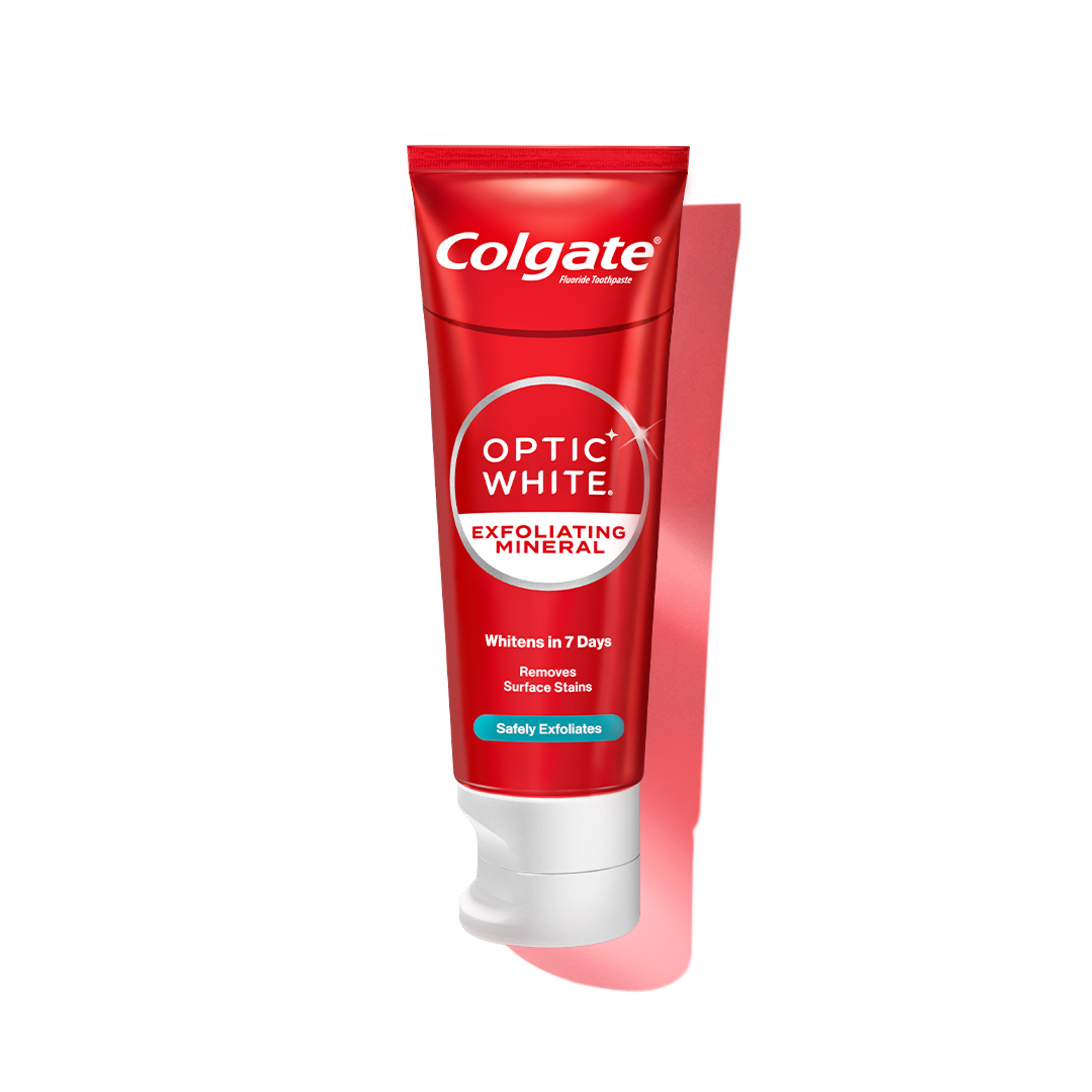
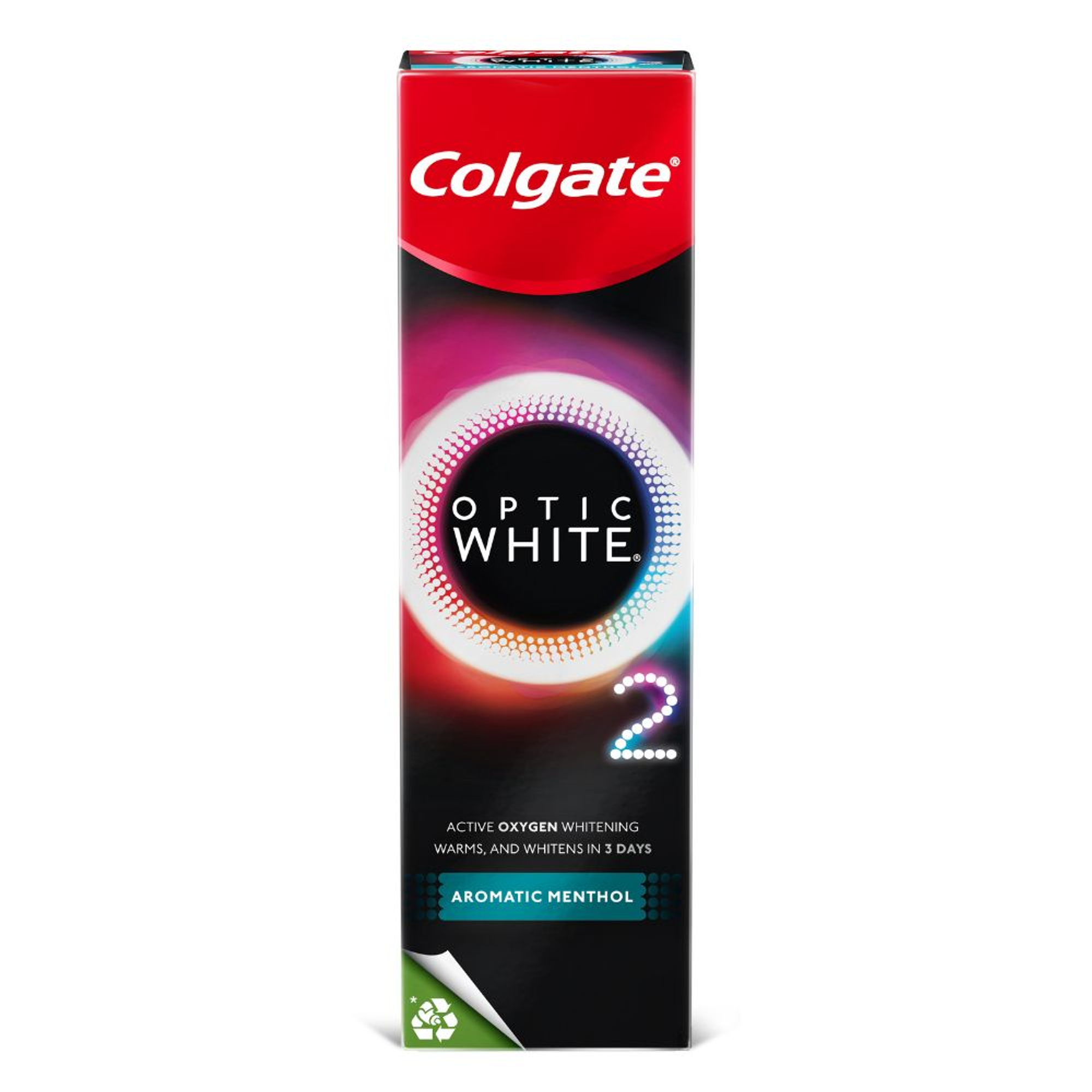
Whitening toothpaste like Colgate Optic White and sensitive toothpaste like Colgate Sensitive Pro-Relief can also lift surface stains slowly without harsh chemicals. Used daily, they support whitening while being gentle on gums.
For stronger results with fewer side effects, a dental professional may recommend professional teeth whitening. These teeth whitening treatments can be done in-office or with custom-fitted trays made to fit your teeth closely. Custom trays keep whitening gel off the gums, making them safer than generic trays.
Some people mix too many methods at once, which increases the risk of irritation. Avoid using multiple at-home kits together or combining them with strong whitening toothpaste at the same time. If you are unsure, a dental professional can guide you on the safest approach. When used correctly, the modern whitening process can improve tooth colour without harming gums. Whether you choose a home remedy or professional care, smart choices and gentle products help you reach a brighter smile safely.
Most gum irritation heals within a few days. Mild cases often improve within 24 to 48 hours. More sensitive gums may take up to a week. If pain lasts longer or worsens, consult a dentist.
Yes, but choose a toothpaste made for sensitive teeth and gums. Avoid aggressive whitening pastes until your gums feel normal again. Gentle brushing is key.
After whitening, avoid hot drinks, spicy foods, acidic fruits, and dark-coloured beverages for at least 48 hours. These can irritate gums and increase sensitivity.