White Spots on Teeth After Whitening: Causes, Fixes, and Prevention
minute read



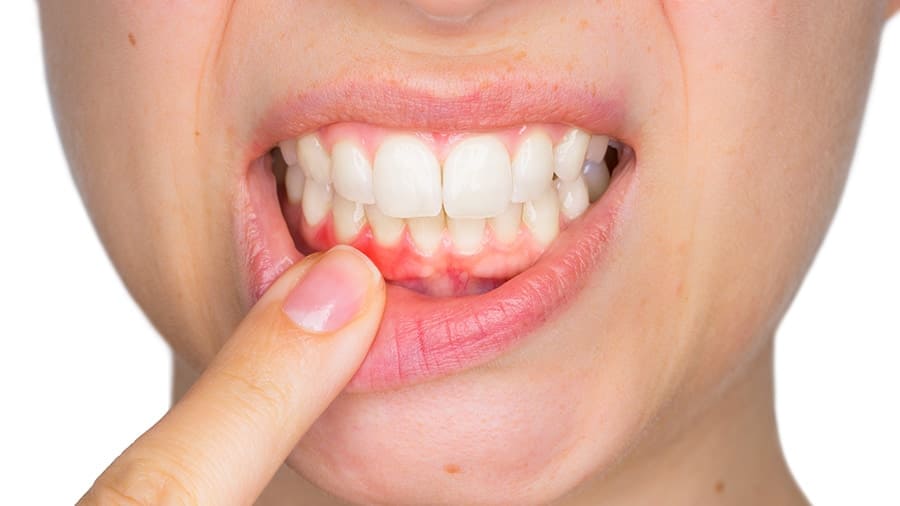
Teeth whitening is a safe and popular method to achieve a pearly-white smile. However, some people notice white spots on teeth after whitening. These white spots are often temporary and fade away within 24 to 48 hours. However, some spots may be pre-existing and indicate a deeper issue that needs professional care.
Read on to learn what causes white spots and how long they last. Discover treatment options for these spots, and tips to prevent and manage extrinsic and intrinsic stains on teeth.
After a whitening treatment, you may expect an evenly white and bright smile. However, if you notice white patches on your teeth, you may naturally question the treatment itself. Treatments from reputable dental clinics should whiten your teeth evenly and safely. However, if the spots appear regardless, they may be temporary or might have been there without you knowing.
Knowing what causes white spots on teeth is key to managing them for an evenly bright smile. Most causes are harmless. However, some may be linked to an issue with the tooth enamel and must be checked before they worsen. The common causes of white spots after dental whitening include:
Tooth Dehydration: Whitening gels used for tooth bleaching can dry the teeth for a short time. This makes some areas look whiter than others. However, such spots are temporary. The shade usually evens out within 24 to 48 hours as your teeth rehydrate.
Demineralisation: Pre-existing white spot lesions are often a result of enamel demineralisation. It occurs due to poor oral hygiene and plaque buildup. Plaque is a sticky film of food particles and bacteria that builds up if not removed daily by brushing and flossing. The acids produced by these bacteria erode the enamel and dissolve minerals like calcium. The enamel weakens, causing white, chalky spots to form.
Fluorosis: Fluoride is essential for developing healthy teeth. It protects the enamel and helps prevent tooth decay. Hence, fluoridated water and fluoride toothpaste are often included in oral healthcare. However, too much fluoride consumption at a young age can result in white patches on teeth, called dental fluorosis. These spots become more visible after whitening.
Enamel Hypoplasia: It is a defect that may occur during tooth development. The tooth enamel does not form properly and remains thin or weak. This creates pitted or grooved areas that appear as white spots on teeth. The underlying causes can be some health conditions or dental trauma.
Uneven Gel Application: If the whitening gel is not applied evenly, some areas whiten faster than others. This causes a patchy appearance. Variations in the enamel or previous dental work can also result in such spots. However, they are temporary and easy to fix.
Over-whitening: This is likely if you are using teeth whitening products like strips, pens or gels. These products often come with whitening gels in low concentration. However, using them too long or too often can thin down the enamel. It can make the teeth look translucent and patchy.
Acid Wears: Acidic foods and drinks can erode the enamel, dissolving its minerals. This weakens the enamel and leads to patchy whitening results.
Most white spots that appear after teeth whitening are short-lived. They are often caused by temporary dehydration of teeth. These spots fade within a day or two as the teeth rehydrate and return to a normal shade. White patches caused by uneven gel application are temporary and can be fixed by a dentist.
However, white patches linked to enamel demineralisation are likely to persist. They often imply a pre-existing issue such as mineral loss, early tooth decay or fluorosis. These spots do not go away on their own and may need professional treatment. If white spots after whitening last more than a few days, consult a dentist for proper diagnosis.
White spots on teeth can be treated and made less visible. Whether a result of over-whitening or enamel issues, a dentist can fix the problem to help you achieve an evenly bright smile. Diagnosing the underlying causes of white spots is key to suggesting the right treatment plan.
Depending on the severity of the spots, dentists may use minimal to moderately invasive treatment options or cosmetic cover-ups. Paired with good oral hygiene, they can help you manage white spots and teeth stains effectively. The most common treatment options dentists offer are:
Topical Fluoride: Used to treat enamel erosion or early tooth decay. It uses high-strength fluoride toothpaste, gels or varnishes. Topical fluoride treatments help strengthen and remineralise the enamel, making the spots less visible.
Resin Infiltration: A resin is infused into the porous white spots. It strengthens the tooth and helps match the surrounding tooth shade.
Enamel Microabrasion: It is a procedure often used for surface-level issues like fluorosis. The dentist gently removes a thin layer of the stained enamel surface of the affected tooth using a special paste. It helps reduce the appearance of spots.
Teeth Whitening: Tooth bleaching is used to manage both types of teeth stains–extrinsic or surface stains and intrinsic or stains within the tooth. Whitening can also even out the tooth shade. Bleaching teeth helps reduce the contrast between the enamel and the white spots.
Dental Bonding: It helps manage severe cases of discolouration. A tooth coloured composite resin is applied to the spot and shaped. It is then hardened and covers up the discolouration.
Dental Veneers: They offer a durable aesthetic solution for severe white spots. Thin porcelain or resin shells are custom-made and bonded to the front teeth.
Dentists may also suggest using special oral care products and making dietary changes. For instance, toothpaste with an enamel-strengthening formula can help. Moreover, opting for a diet rich in nutrients like calcium and limiting sugary foods can help strengthen and protect the enamel.
Preventing stains and white spots on teeth requires diligent oral care. Daily brushing and flossing are essential to remove stain-causing residues and plaque that may cause early tooth decay. Without proper oral hygiene, stains and white spots can return. Besides, a healthy diet and lifestyle, and regular dental checkups are key.
Simple habits can go a long way in keeping your smile bright for longer. These include:
Brush and floss: Brush twice daily for two minutes. Dentists recommend using a fluoride toothpaste to strengthen the enamel and prevent decay. Floss daily to clean between teeth. These habits help prevent stains and plaque from building up.
Rinse: Rinse your mouth thoroughly with water or a mouthwash. It washes away food residues and staining substances and keeps your mouth clean.
Watch your diet: Limit coloured foods and drinks, like tea, coffee, red wine and dark sauces. If you have them, use a straw to avoid contact with your teeth and rinse well afterwards. Choose a diet rich in nutrients to support good oral health.
Make lifestyle changes: Avoid smoking and tobacco use. They are one of the common causes of tooth stains and unhealthy teeth and gums.
Watch fluoride intake: Seek expert medical advice for optimal fluoride intake through the drinking water supply. Avoid exposure of children’s teeth to excessive fluoride. This helps prevent white spots caused by fluorosis.
Ensure regular dental visits: They are essential to maintain good dental health. Regular cleanings remove plaque and stains missed by your oral care habits. Routine checkups help catch and treat early signs of decay. Dentists may also suggest fluoride supplements or topical treatments if your enamel is weak. This helps prevent enamel damage and white spots later.
Use the right products: Not all teeth whitening products are made alike. It is important to choose trusted and approved products with enamel-safe formula. They can protect your teeth while brightening your smile with regular use.
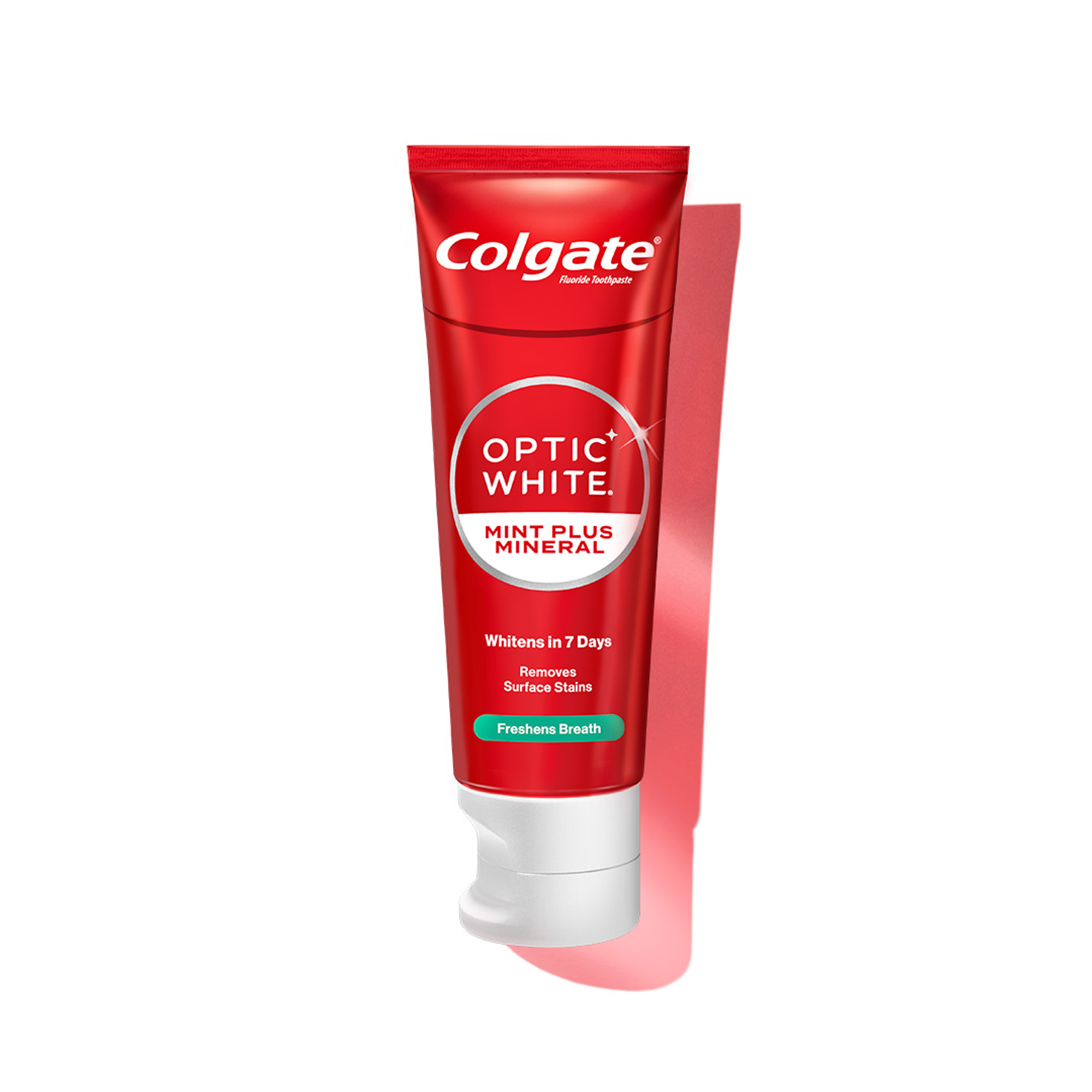
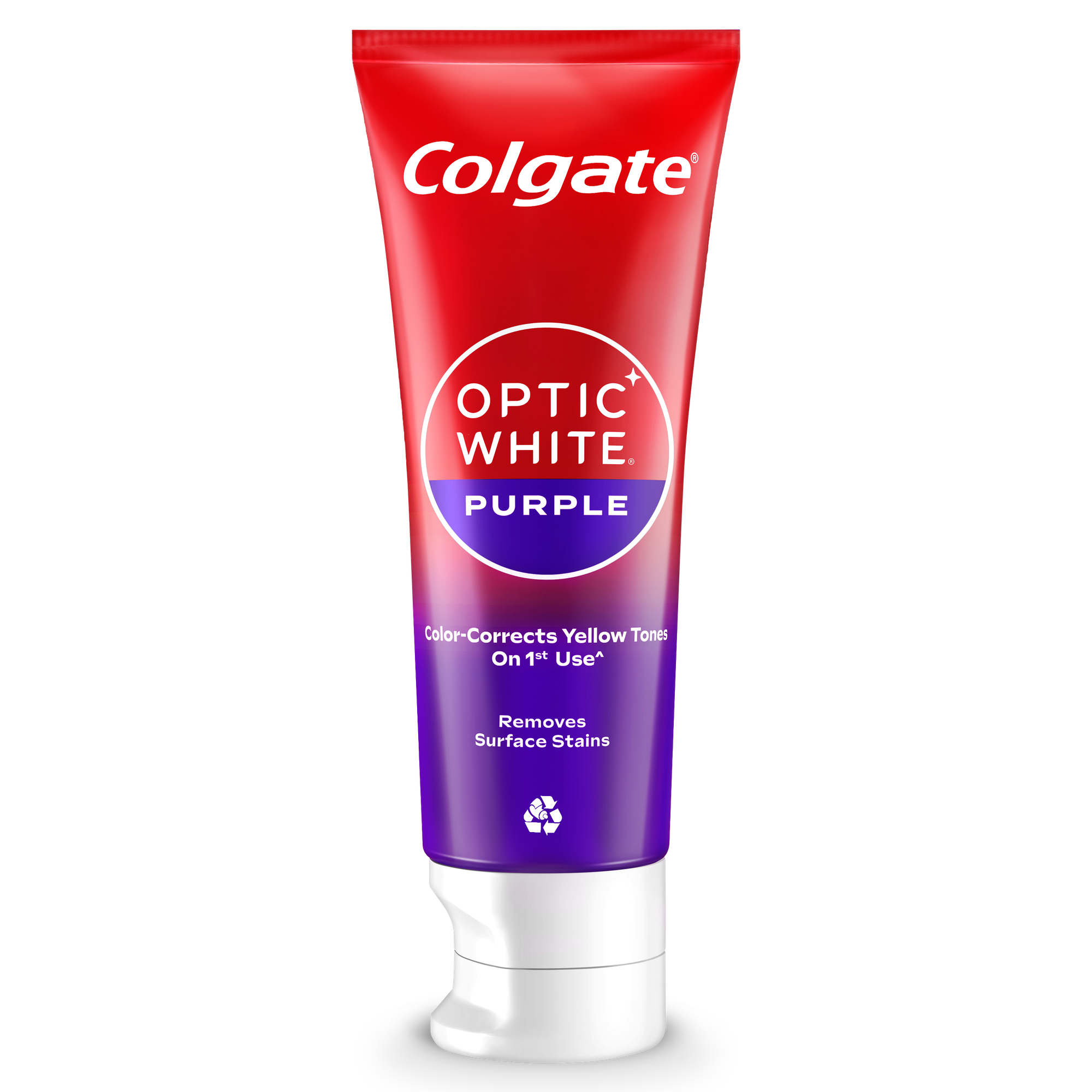
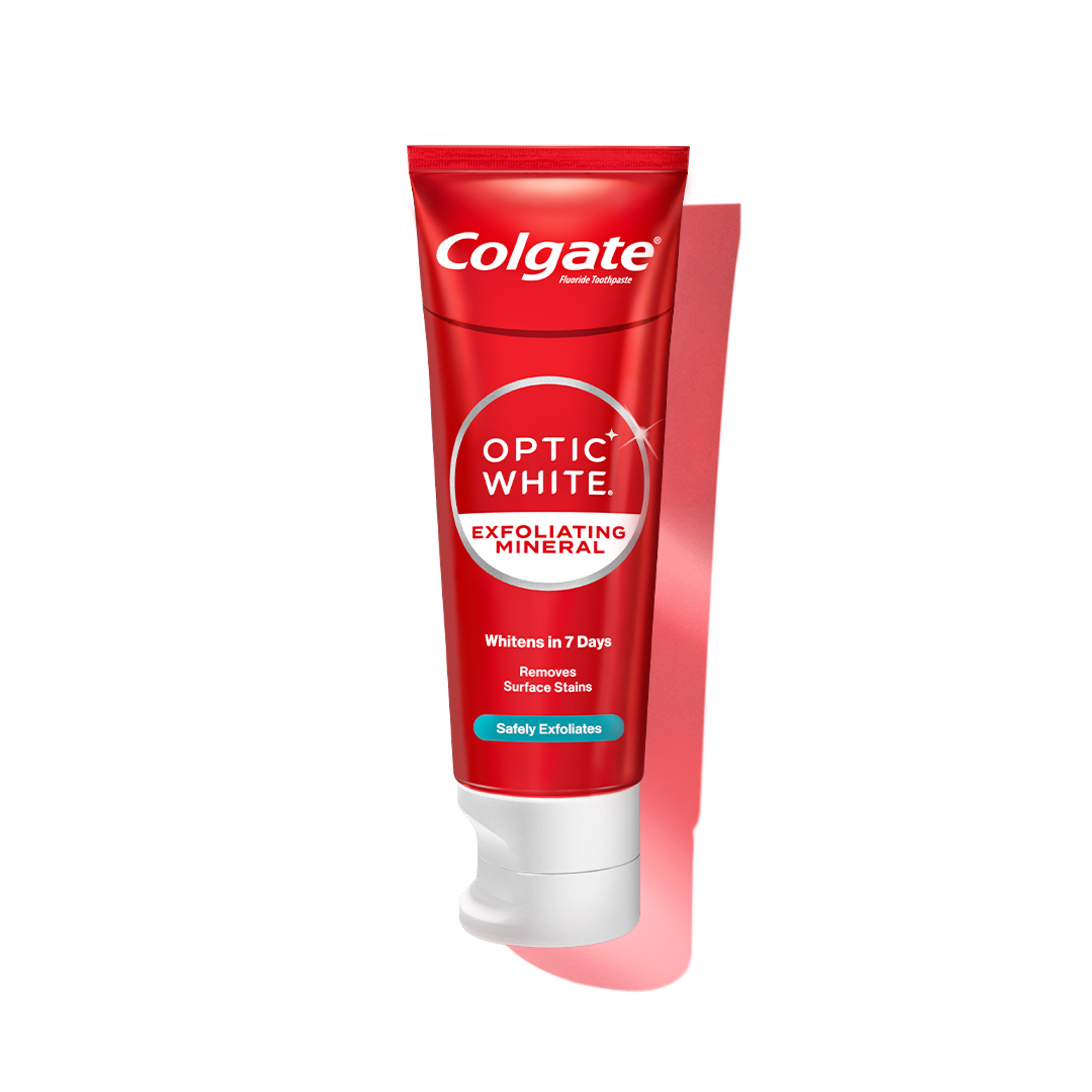
For instance, the Colgate Optic White offers a range of formulas designed to whiten teeth safely by protecting the enamel. These whitening toothpastes use micro-exfoliating minerals or active oxygen to remove stains and whiten teeth when used as directed. The Optic White Purple toothpaste colour-corrects yellow tones to give an instant glow to your smile with temporary efficacy.
White spots on teeth after whitening are common and often temporary. Spots that last imply issues that need professional care. Knowing the causes, treatment, and prevention can help manage white spots. Good dental hygiene and regular dental visits can keep your smile healthy and bright for years to come.
Some white spots are temporary and go away within one or two days. White spots that last for more than a few days are often a result of enamel damage, decay or fluorosis. They may persist if not treated.
No. Whitening does not cause fluorosis. It develops as a result of excessive fluoride consumption in the early ages.
Yes, in some cases. Whitening of teeth can even out the tooth shade. Bleaching can help blend the white spot with the rest of the enamel. However, deeper spots may need advanced treatments.