4 Myths About Pangingilo — Busted!
minute read


Not true. When exposed dentine comes into contact with anything cold, hot, sweet or sour, it can trigger the nerves and cause discomfort as well. That is why even breathing in cold air through your mouth may trigger the same sensation.

This one is true, although not all the time. Cavities will definitely cause your teeth to be more sensitive than usual.
However, even without decay, your teeth may still feel the pinch from time to time. That is because pangingilo is the result of your enamel being worn out over time or your gum line receding, thus exposing softer tissue underneath. It’s like when your nice thick sweater gets thinned out with use, which can leave you shivering if a cold breeze hits — not comfortable!

Brushing your teeth is a great thing for the most part. However, doing so right after a meal may not be such a good idea.
After eating or drinking, our teeth’s outer layers are softened, which means acids from the food may be rubbed into the enamel, thus breaking them down and causing pangingilo. Hence why it is a good idea to wait a while before brushing.

Once the enamel is worn out, you are stuck with the pangingilo, right? Not true.
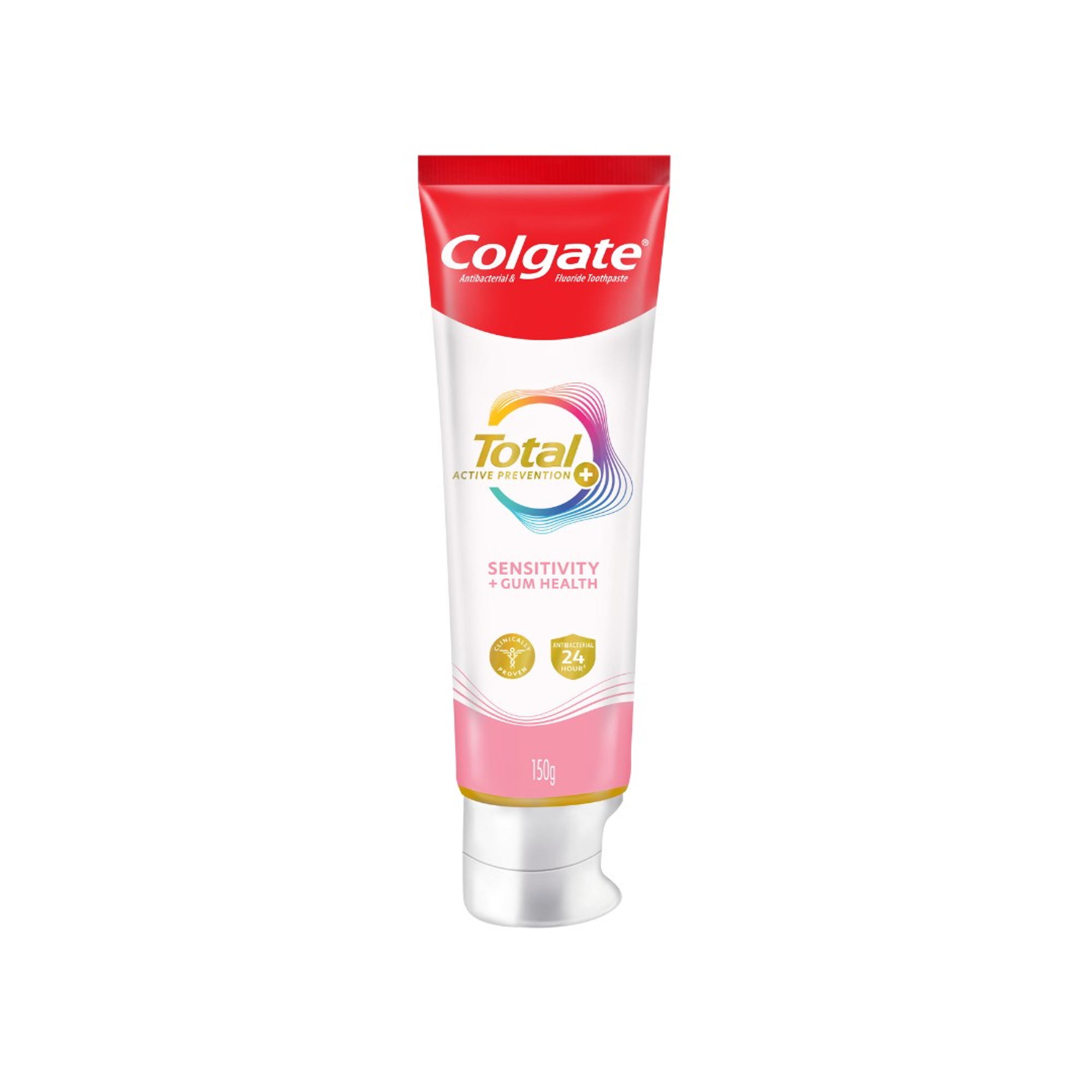
Depending on the cause of pangingilo, you may want to use special desensitising toothpaste or other forms of treatment. For example, they might “paint on” special resins or agents that protect sensitive areas of your teeth — though these can wear off after a while. Another option is Colgate Sensitive Pro-Relief toothpaste, which provides instant and lasting relief with continued use. It plugs and seals exposed dentin openings. The result? Pain-inducing stimuli, like heat and cold, are blocked — and you can bite into life without hesitation once again.