The Best Toothpaste For Sensitive Teeth: What's In It?
minute read


So what causes tooth sensitivity? Teeth contain a soft, nerve-filled center, and a layer of dentin covers the pulp that exists at this level. Over the dentin lies enamel, covering teeth above the gum, and cementum coats your tooth roots below the crown. Enamel and cementum protect the inner tooth, but when they erode or break down, the pulp nerves have little to no protection from the temperature changes in the mouth - causing your teeth to become sensitive.
Although some people have naturally thin tooth enamel, there are other causes of eroded or broken enamel:
Depending on the cause of your tooth sensitivity, brushing regularly with a toothpaste that's gentle on sensitive teeth might be all the treatment you need. The best kinds of toothpaste for sensitive teeth contain ingredients that help strengthen tooth enamel and protect the nerves from discomfort often caused by hot and cold foods. Here are some ingredients to look for when searching for the best toothpaste for sensitive teeth:
Arginine is an amino acid that occurs naturally in saliva. When combined with calcium, arginine creates a protective layer that seals and plugs open dentinal tubules - the part of the tooth that is beneath enamel and cementum. This protective buffer can withstand exposure to acids to give you more extended relief from tooth sensitivity.
This ingredient is not found in regular toothpaste but is a unique compound found in toothpaste for sensitive teeth. Potassium Nitrate blocks pathways from the tooth surface to the inner pulp, protecting the tooth's nerves and effectively desensitizing them to reduce discomfort. But, it will take several uses before you start feeling the difference.
Fluoride strengthens weak or eroded enamel and helps to prevent the early signs of tooth decay from progressing. Most over-the-counter kinds of toothpaste include fluoride, but you can consult with your dentist for a high-strength fluoride toothpaste that can help with tooth sensitivity in particular. Many gel-like products have a small percentage of stannous fluoride. Others with a dose of sodium fluoride, both types of fluoride kinds of toothpaste, can be recommended by your dentist to help ease the pain of tooth sensitivity.
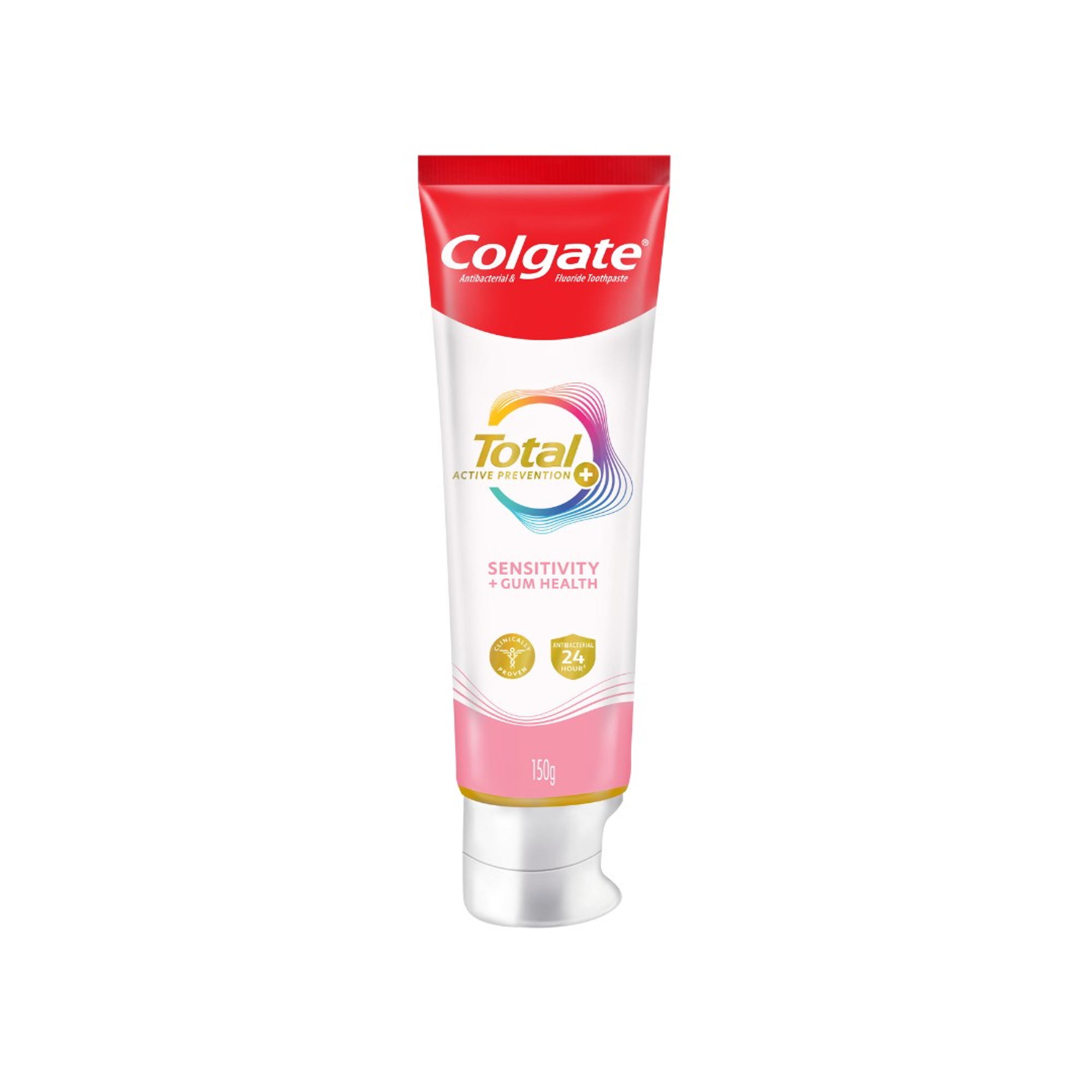
Painful stings from a sip of a ice-tubig can be a thing of the past. Brush your teeth twice a day with a toothpaste for sensitive teeth, using a soft-bristled toothbrush - and remember always to be gentle! Making these small changes to your oral care could have you pain-free in weeks.