What Are the Different Types of Teeth Whitening Products?
minute read


Before exploring whitening products, let us understand what makes your smile dull in the first place. While the natural tooth shade varies from person to person, a change in tooth colour can occur for various reasons. Here are a few:
Surface stains: Pigmented foods and beverages, such as berries, coffee, tea, and red wine can stain the outer surface of your teeth.
Intrinsic stains: Stains can occur within the tooth structure as a result of some medications, illnesses or dental trauma.
Ageing & genetic factors: As we get older, the tooth enamel wears down and the underlying dentine (which is yellow in colour) shows through. Some people naturally have thinner enamel than others, which can make their teeth appear yellow.
Tobacco use: Smoking and tobacco use can stain your teeth. They cause dark nicotine stains on the tooth surface.
Poor oral hygiene: Without proper oral care, plaque (a colourless, sticky biofilm that constantly forms on teeth) hardens to tartar. Unlike plaque, tartar is hard, yellow and does not go away with daily oral care. Tartar buildup can make your teeth appear yellow.
Surface stains and tartar are common and easily build up around orthodontic appliances, such as braces. You can manage them with professional whitening methods or over-the-counter whitening products.

Most teeth whitening options are designed to target surface stains. Some use advanced formulas to reach deep-set stains below the enamel. You may wonder how effective they are. It depends on their active ingredients and the type and intensity of your tooth stains.
Whitening products typically work in the following ways:
Surface stain removal: Products like whitening toothpaste contain mild abrasives and polishing agents like silica. They gently scrub away the stains from tea, coffee or berries and polish the enamel for a cleaner look.
Bleaching: Some products contain bleaching agents, such as hydrogen or carbamide peroxide. They work on deeper stains below the enamel. They release oxygen molecules that lighten the stain-causing pigments (oxidation). As a result, the stains fade, revealing whiter teeth. Thus, hydrogen peroxide in teeth whitening products can give you a brighter smile when used as directed.
Advanced whitening: Some whitening toothpastes use an advanced formula like active oxygen that penetrates the enamel and lightens stains. It works on both intrinsic and extrinsic stains, brightening your smile when used consistently as directed.
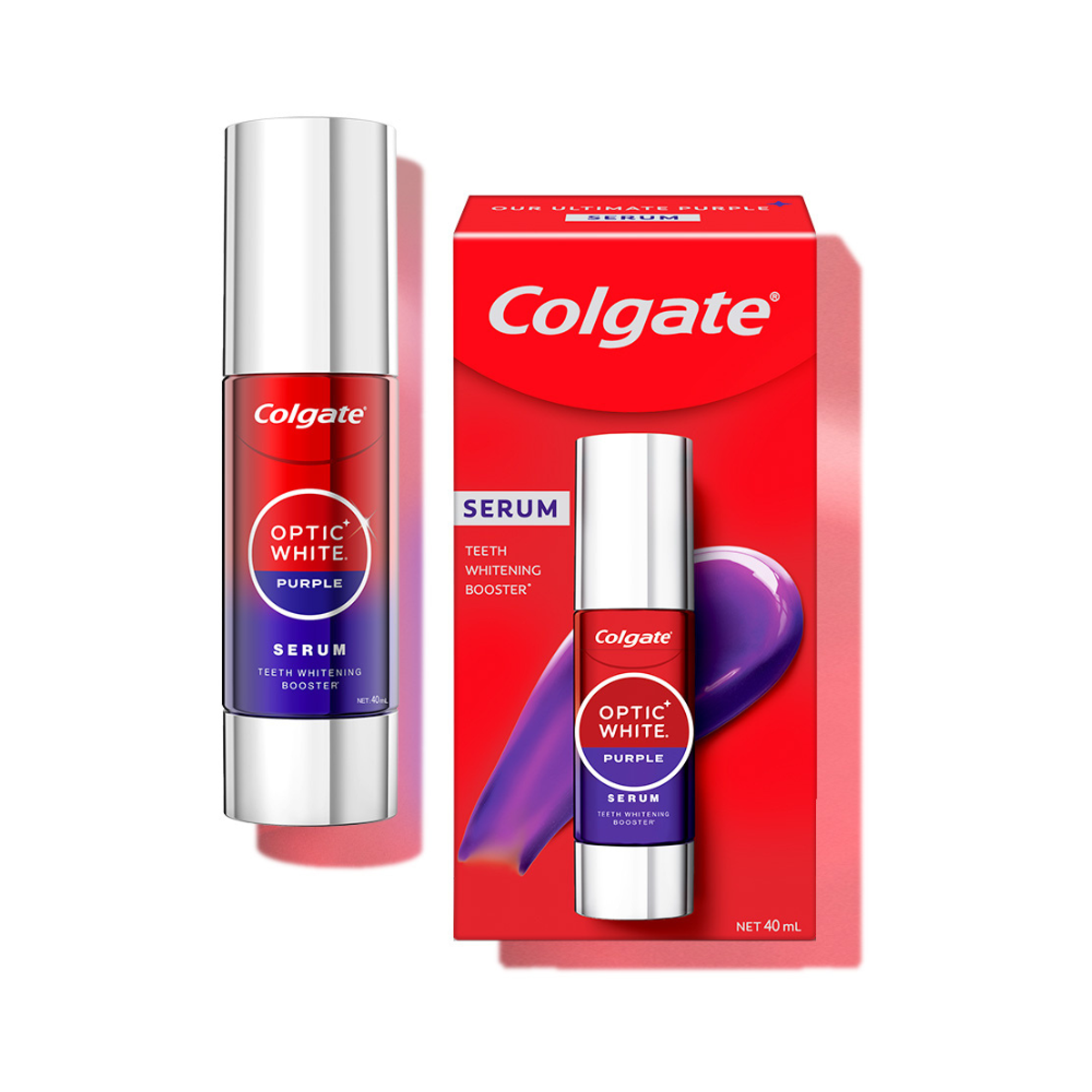
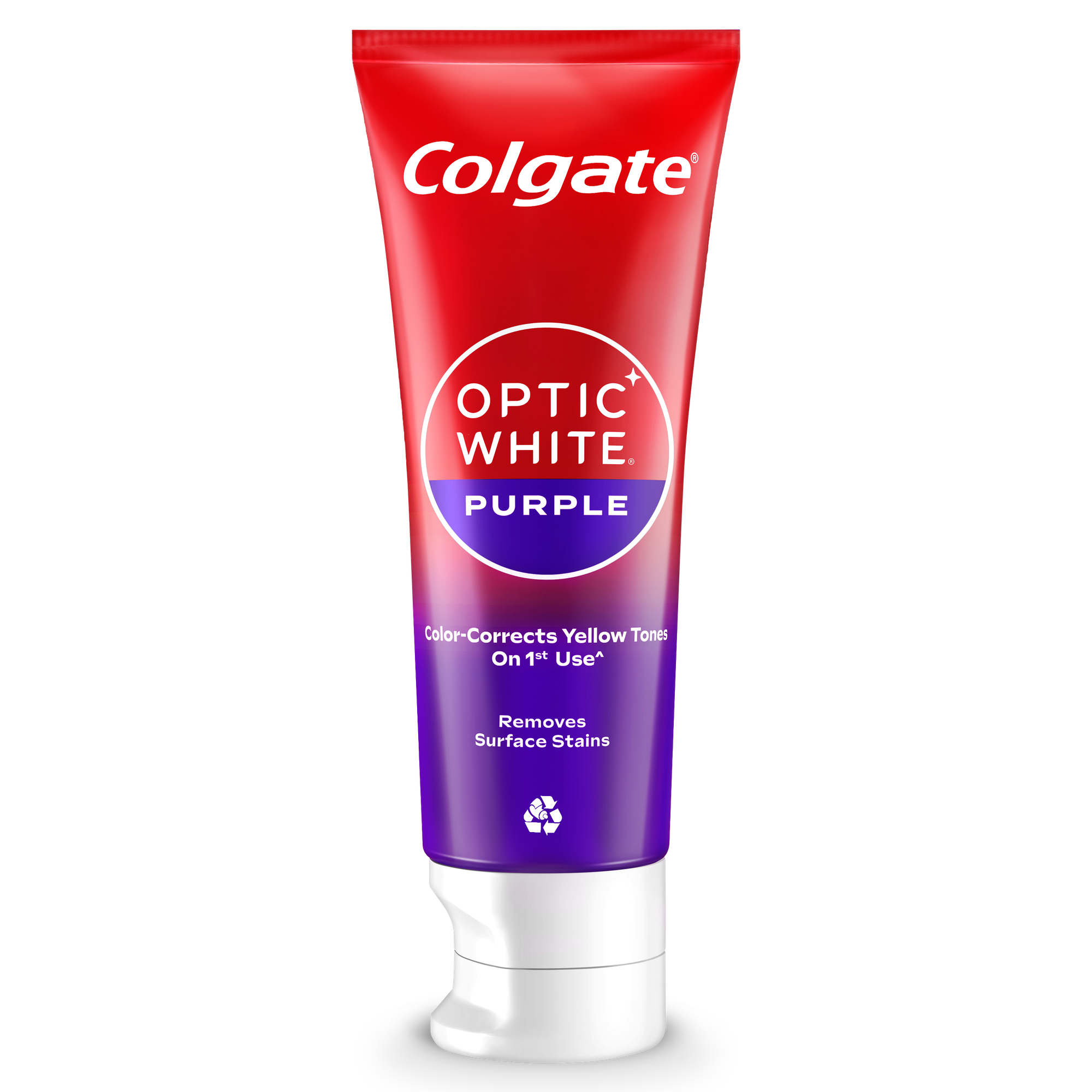
Colour correction: Some whitening toothpastes and serums instantly neutralise yellow tones on teeth. They do not bleach the stains and offer temporary efficacy. They are based on colour theory—purple cancels yellow. For instance, the Colgate Optic White Purple toothpaste is an enamel-safe formula that instantly colour-corrects yellow tones. It is a great choice if you want to glow up your smile before an occasion.

Use daily for teeth colour-correction
Teeth whitening products come in many different forms. From toothpaste to mouthwash, there is a wide range of options to suit diverse needs and budget preferences. Whitening toothpastes and mouthwash are easy to add to your daily oral care routine. Whitening trays can be bought over the counter or customised by a dentist. These products can make your stained teeth look a few shades whiter when used consistently as directed.
The best teeth whitening product for you is one that brightens your smile while promoting good oral health. It will work safely without damaging your enamel or causing tooth sensitivity. Below are some of the top teeth whitening products you can consider.
They are one of the most popular whitening products. They usually contain mild abrasives that gently scrub and polish the enamel to lift surface stains for cleaner teeth. Whitening agents like peroxides release oxygen to lighten deep-set stains. Unlike other instant teeth whitening products, whitening toothpastes brighten your smile over a few days when used as directed. The best whitening toothpaste is one that brightens your smile without harming the tooth enamel.
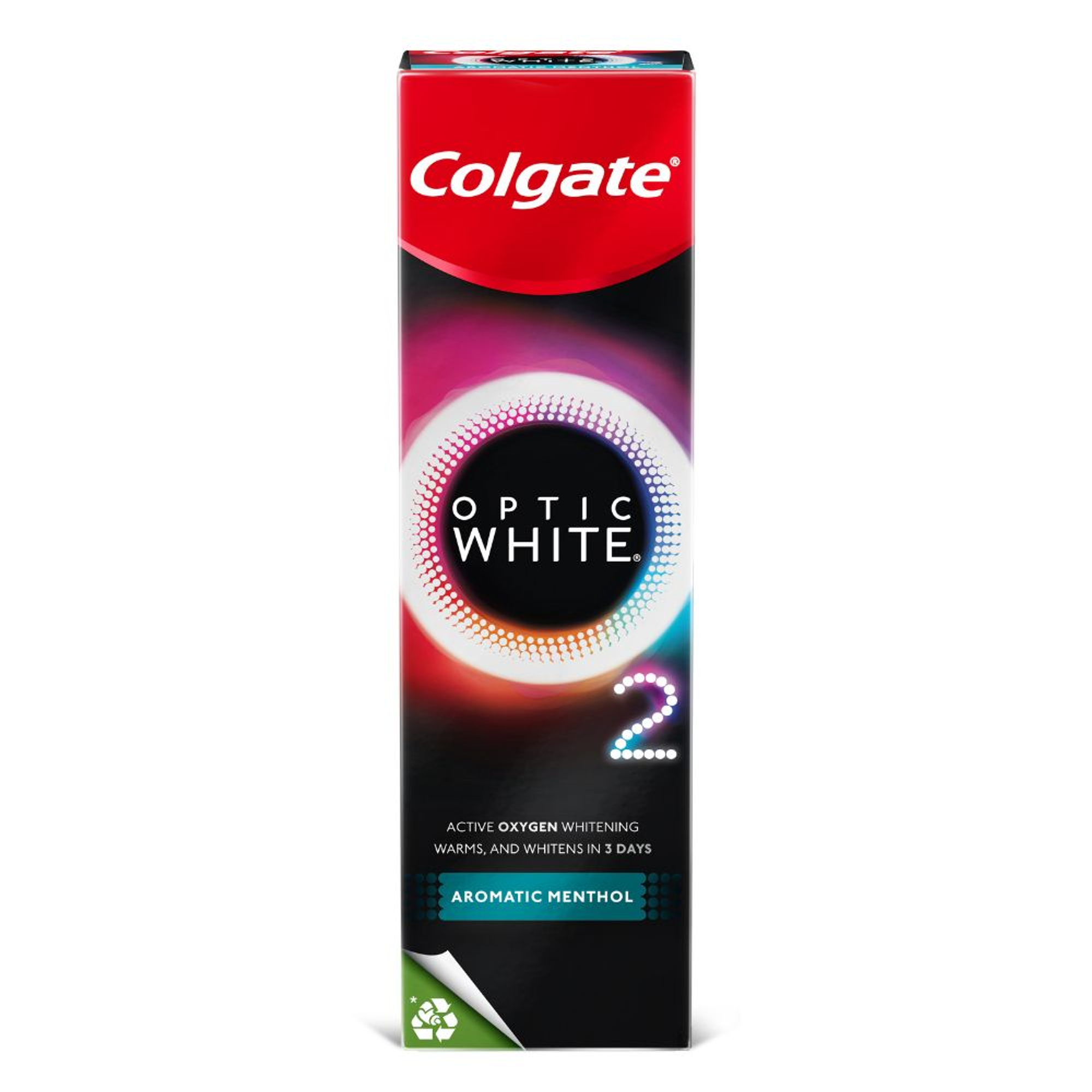
Some formulations use active oxygen as active ingredients instead of peroxides. For instance, the Colgate Optic White O2 Whitening Toothpaste contains millions of Active Oxygen bubbles that penetrate the enamel to lighten deep-set stains. You may notice one shade whiter teeth in just 3 days* when used as directed. An enamel-safe peroxide-free formula with fluoride makes this toothpaste ideal for daily use, especially for those with sensitive teeth.
They are thin, flexible plastic strips coated with a bleaching agent. They are convenient and easy to use at home. You can stick them to the front of your teeth and wear them for a specified duration. The bleaching agent gently breaks down the stains to brighten your teeth. Teeth whitening strips work over a set period, typically 20 to 30 minutes a day. You may have to apply the strips several times to get noticeable results over a few days to weeks.
Whitening gels are often the key component of whitening pens, trays and teeth whitening kits. Many of the best teeth whitening products over the counter use peroxide gels for stain removal. They usually have a lower concentration of hydrogen peroxide, the whitening agent used in chair-side bleaching. However, professional treatments use peroxide gels in safe, high concentrations for instant and dramatic whitening results.
Teeth whitening trays often work together with gels and are similar to strips. They are flexible, designed to hold the gel and fit around your teeth. You may fill the tray with the whitening gel and wear it on your teeth for a specific duration. Some teeth whitening kits include an LED device to hold against the mouthpiece. The LED light helps activate the whitening gel to enhance the results. Whitening trays come in two forms:
Store-bought: They are usually pre-filled trays, while some provide a syringe to let the user fill the gel as and when needed. Though they are affordable, they may fit poorly, which can affect both comfort and result.
Customised: A dentist can custom-design a tray so that it snugly fits your teeth. These trays offer a better fit, coverage, and avoid gel leakage. They are more effective and offer supervised whitening, making them one of the popular dentist recommended teeth whitening products.
Teeth whitening pens are portable, compact and easy to use. They usually contain a hydrogen peroxide serum or gel to remove stains. You may paint the gel onto each tooth using the applicator and let it sit for a specified amount of time. A whitening pen lets you target stains in hard-to-reach areas and every nook and corner of your mouth. It is a great choice for people seeking quick touch-ups and ways to maintain brightness on the go.
Whitening mouthwashes are easy to include in your daily oral care routine. They aid in the multiple tasks of keeping your mouth cleaner, teeth brighter and breath fresher. They wash away food particles, germs and surface stains at the same time. While the results are subtle, the best whitening mouthwash works well along with other methods in your regimen.
At-home teeth whitening results are gradual and vary among individuals. They can only help restore your naturally white teeth and cannot change your natural tooth shade. If you have severe discolouration that does not respond to teeth whitening products or need instant and dramatic results, consult a dental professional for the right solution.
Try other teeth whitening products to reveal the bright new smile you want!

Most people prefer affordable teeth whitening options. However, not all stains respond to at-home whitening methods or store-bought products. Severe discolouration of teeth may require professional care. Dentists offer advanced treatments, including laser teeth whitening that deliver quicker and noticeable results.
For stains that do not respond to good teeth whitening products, you may explore the following alternatives:
Professional bleaching: In-office or chair-side bleaching is the most common teeth whitening treatment dentists offer. It uses a stronger concentration of the peroxide gel. Sometimes, LED light may be used to enhance the whitening effect.
Laser teeth whitening: It is done by a dental professional using a laser to enhance the action of the whitening gel. This method offers faster, more dramatic results.
Non-vital bleaching: It is usually done to brighten a root-canal-treated tooth that discolours over time. The bleaching agent is placed into the pulp chamber of the tooth, which gradually lightens the tooth shade.
Veneers and crowns: They are used for severe discolouration that does not respond to bleaching. Tooth-coloured porcelain veneers or crowns help improve the appearance of the tooth for an even, bright smile.
When it comes to natural whitening options, it all boils down to good oral care. A healthy, bright smile requires daily brushing, flossing, rinsing and regular dental visits. It is best to avoid home remedies for stain removal. They may not be scientifically backed and can be potentially harmful.
Choosing the best teeth whitening products for you requires considering several factors. The key is to focus on good teeth whitening products that actually work for your unique needs and are safe. Consider the following factors as you explore over the counter teeth whitening products:
Type of stains: Whether or not a product offers effective teeth whitening largely depends on the type, intensity and cause of your stains. Severe discolouration may require in-office treatments. Mild surface stains or intrinsic stains often respond to a whitening toothpaste with regular use.
Safety: Choose dentist-approved products to make sure their formulations are science-backed and enamel-safe. Check the product details for ingredients.
Budget: Pick a product that aligns with your budget and expectations.
Convenience: Choose a product that is easy to use, best suits your lifestyle and helps you stay consistent for best results.
If you have sensitive teeth or oral health problems, consult a dentist upfront to address them before choosing a whitening product.

Getting the whitest teeth is only midway through the journey. Keeping your whitened teeth bright requires diligent care to prevent fresh stains from building up. Simple daily habits and proactive care can go a long way in preserving your bright smile for longer. They include:
Practice good oral hygiene: Brushing twice and flossing once daily are crucial to prevent the buildup of plaque and stains. Rinsing with a whitening mouthwash keeps your teeth cleaner and your breath fresher.
Use a whitening toothpaste: Whether with a manual or electric toothbrush, it easily fits into your daily oral care routine. It helps prevent new stains from forming and maintains the brightness of your teeth.
Watch your diet: Limit the consumption of stain-causing foods. If you take them, rinse your mouth immediately. Use a straw to prevent direct contact of your teeth with pigmented drinks.
Quit smoking and tobacco: Tobacco use not only stains your teeth but also leads to various oral health problems.
Schedule regular dental visits: Regular touch-ups and dental cleanings can keep your pearly whites bright. Besides, regular checkups are crucial to rule out dental problems for a healthy mouth.
A bright smile is within your reach, thanks to the wide range of teeth whitening products. From whitening toothpaste to kits, there is a solution for every budget and need. The answer to “What is the most effective teeth whitening product for you?” depends on your stains, budget and needs. If doubtful, talk to a dentist for proper guidance.
*Use as directed, 1 shade whiter in 3 days. Results may vary.

Which teeth whitening product is the best?
The best teeth whitening product depends on the type of your stains, budget and needs. Whitening toothpaste offers an affordable option to brighten your smile at home. Dentist-supervised kits or professional treatments offer quicker and dramatic results at a higher cost.
Do teeth whitening products damage enamel?
No, dentist-approved, safe teeth whitening products do not damage the enamel when used as directed. Look for products with enamel-safe formula and fluoride. If you already have tooth sensitivity, consult a dentist upfront.
How long do whitening results last?
Whitening results can last from a few months to a few years. It depends on how well you care for your teeth— good oral hygiene habits, watching your diet and scheduling regular dental checkups.
What is the safest way to whiten teeth at home?
It is ideal to use a dentist-approved whitening toothpaste with an enamel-safe formula. You may also use approved whitening strips, pens or kits. Using the right product in the right way as directed is key.