How To Brush
minute read


Proper brushing takes at least two minutes — that's right, 120 seconds! Most adults do not come close to brushing that long. To get a feel for the time involved, try using a stopwatch. To properly brush your teeth, use short, gentle strokes, paying extra attention to the gumline, hard-to-reach back teeth and areas around fillings, crowns or other restoration. Concentrate on thoroughly cleaning each section as follows:
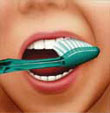 | 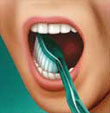 | 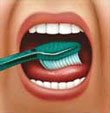 |
Tilt the brush at a 45° angle against the gumline and sweep or roll the brush away from the gumline. | Gently brush the outside, inside and chewing surface of each tooth using short back-and-forth strokes. | Gently brush your tongue to remove bacteria and freshen breath. |
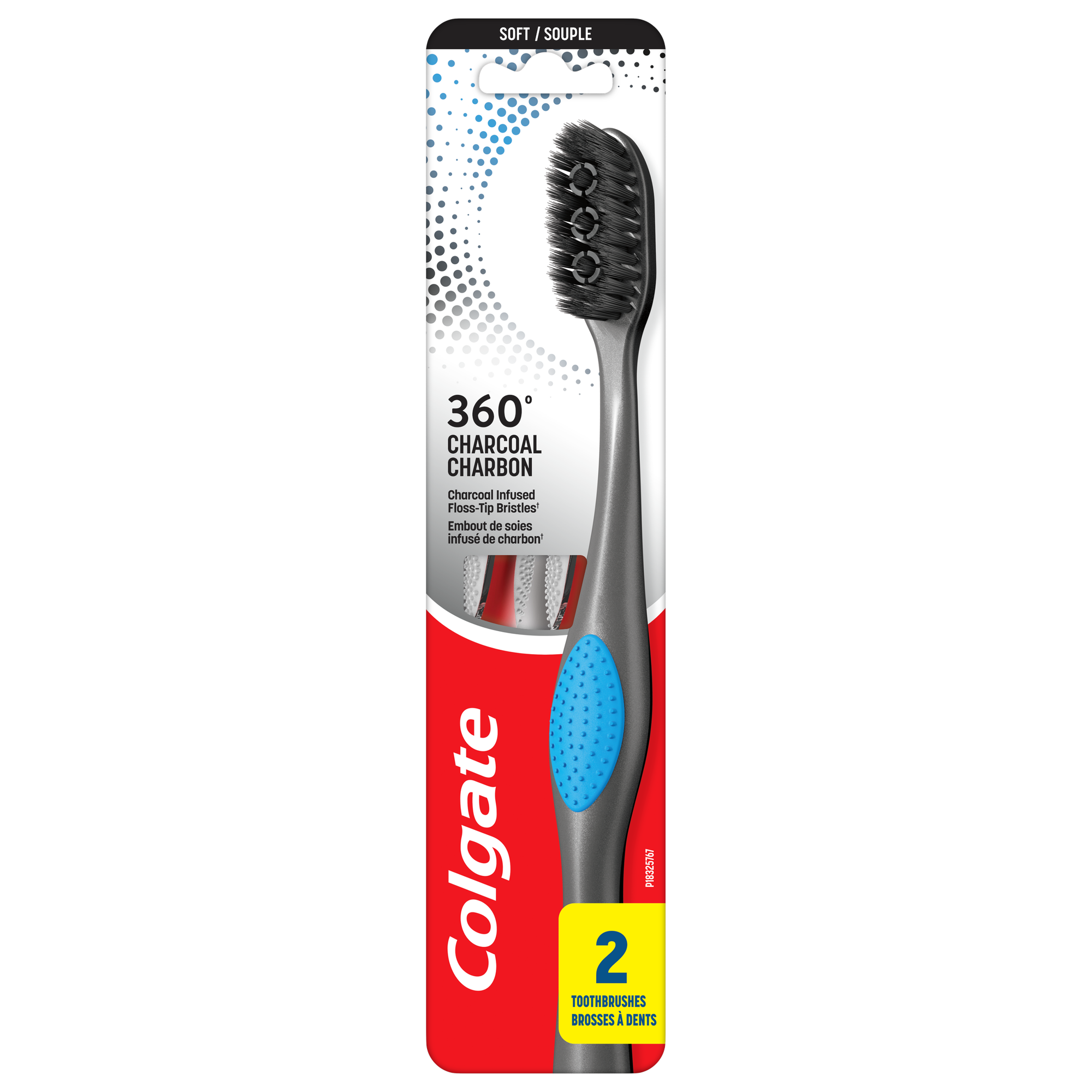
Most dental professionals agree that a soft-bristled brush is best for removing plaque and debris from your teeth. Small-headed brushes are also preferable, since they can better reach all areas of the mouth, including hard-to-reach back teeth. For many, a powered toothbrush is a good alternative. It can do a better job of cleaning teeth, particularly for those who have difficulty brushing or who have limited manual dexterity. To find the right Colgate toothbrush for you, click here.
It is important that you use a toothpaste that's right for you. Today there is a wide variety of toothpaste designed for many conditions, including cavities, gingivitis, tartar, stained teeth and sensitivity. Ask your dentist or dental hygienist which toothpaste is right for you. To find the right Colgate toothpaste for you, click here.
You should replace your toothbrush when it begins to show wear, or every three months, whichever comes first. It is also very important to change toothbrushes after you've had a cold, since the bristles can collect germs that can lead to reinfection.
ORAL HEALTH QUIZ
Take our Oral Health assessment to get the most from your oral care routine
ORAL HEALTH QUIZ
Take our Oral Health assessment to get the most from your oral care routine