How to Safely Use a Tooth Whitening Gel at Home
minute read


It's natural to be curious or concerned about what's in dental whitening gel and how it works. Whitening gels have bleaching ingredients and are safe for most teeth. Most gels contain hydrogen peroxide and several other added ingredients to improve the product's performance and flavour.

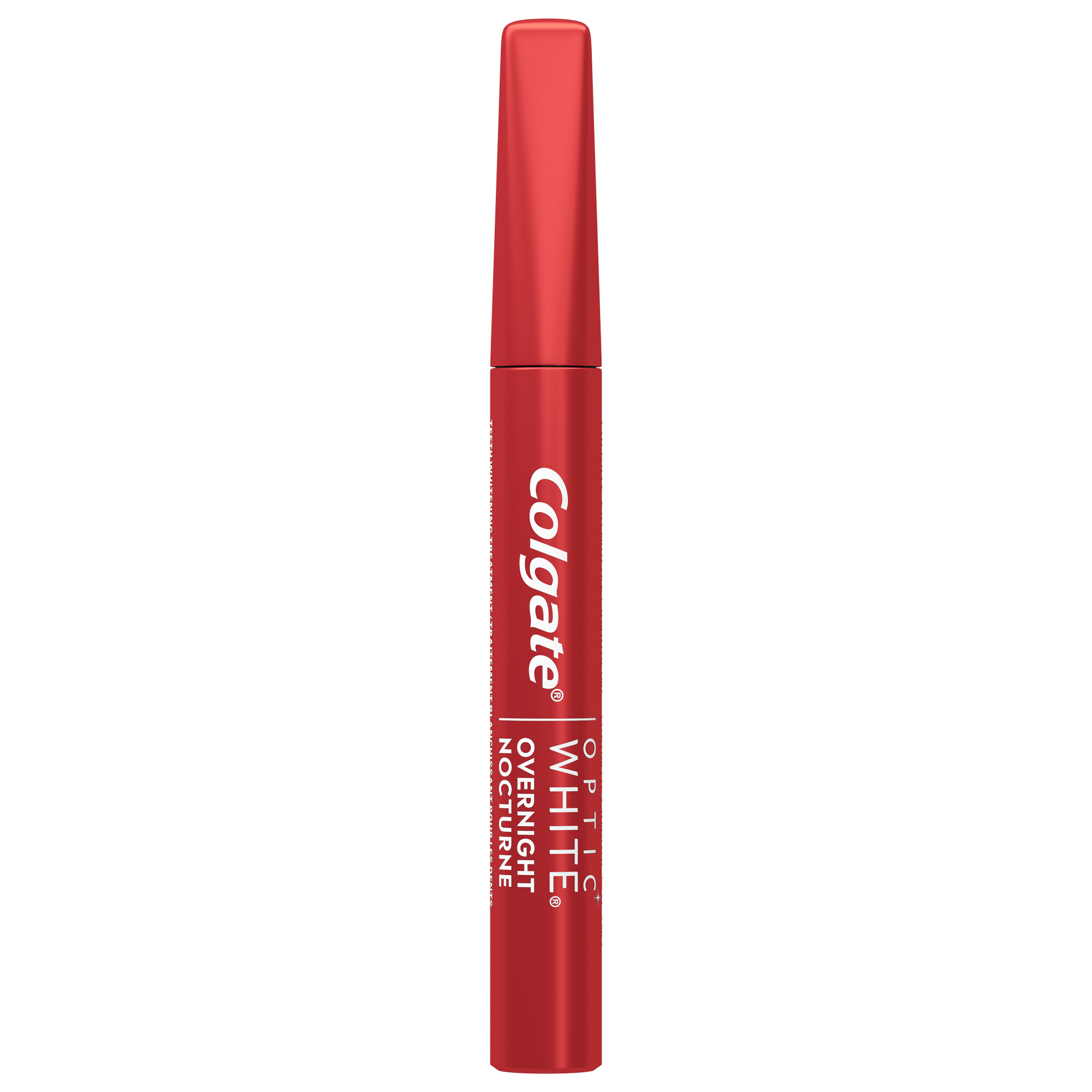
Overnight Teeth Whitening Pen
Each pen has 35 nightly treatments, with an enamel safe formula containing 3% hydrogen peroxide. It is designed for no tooth sensitivity during and after the whitening process.
Dental whitening gels lighten teeth and remove stains effectively, but they aren't for everyone. The Ontario Dental Hygienists' Association notes that since children have more sensitive teeth than adults, they should not consider whitening until the tooth pulp is fully formed, and recommend consulting with a dental professional.
In fact, everyone should consult their dentist before using a whitening gel. Teeth with very dark stains, crowns or fillings might not have good results from over-the-counter dental whitening gel products. Your dentist can advise the best way forward.
Before starting a bleaching treatment with a tooth whitening gel, see your dentist. They can make a custom tray to fit neatly with the contours of your mouth and explain how to properly use a gel. For example, you always need to brush your teeth before applying the treatment gel. Depending on the product, you may need to wear the tray for a few hours during the day or overnight. Your dentist might recommend using the mouth tray for about two weeks to get the desired results. Be careful not to swallow any gel. Gently remove any residue that might be left on your teeth or gums with a cloth, a clean finger or a soft toothbrush, and then rinse your mouth well.
Some people have safety concerns about using whitening products. According to the ODHA, whitening may increase tooth sensitivity and irritate the gums. This can happen when the gel is used with an ill-fitting tray or applied incorrectly.
Both gum irritation and tooth sensitivity usually stop once you're done treating your teeth. The best way to help avoid and prevent these possible side effects is to whiten under the advisement of your dentist.
Using a whitening gel is a good way to make your smile brighter, so ask your dentist if you're a candidate for whitening. To help maintain a whiter smile, floss daily and brush twice a day with a whitening toothpaste. Keep up your regular dental appointments — the polishing action of a professional cleaning treatment is essential for fighting surface stains. With a little work, you can say goodbye to yellowing teeth and hello to a revitalized smile!
ORAL HEALTH QUIZ
Take our Oral Health assessment to get the most from your oral care routine
ORAL HEALTH QUIZ
Take our Oral Health assessment to get the most from your oral care routine