What Causes Green Tooth and Other Tooth Discolouration?
minute read

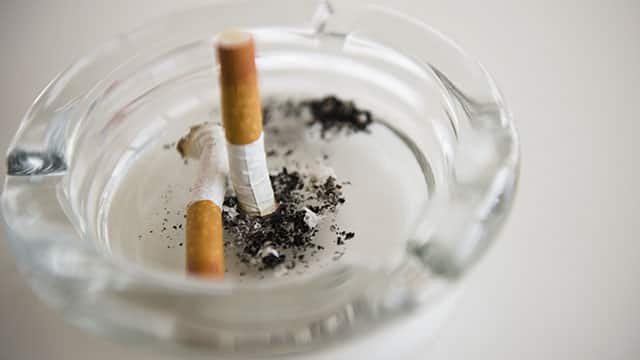
You might be familiar with some types of tooth discolouration, but -- believe it or not! -- people really can have green teeth, too. Stains can be caused by a number of different factors relating to your health and lifestyle habits.
These stains occur on the surface of your tooth. They are typically the result of an external source, such as the food or drink you consume.
Your oral hygiene habits will have a big impact on the severity of staining. It’s important to brush twice a day and clean between your teeth daily. You should also keep up with regular professional dental hygiene appointments.
This type of discolouration comes from inside the tooth. These are some of the things that may cause intrinsic stains:
Intrinsic stains are often grayish. Neither good oral hygiene nor professional polishings will remove intrinsic stains.
Green tooth is a less common type of intrinsic stain that affects infants. Babies who have jaundice may develop green pigmentation on their baby teeth. According to Allied Academies, this prenatal development type is rare, with only about 50 cases a year. The baby teeth will eventually be replaced by permanent teeth that are not green.
Teeth and gums that appear green in adults can be caused by a build-up of stains, bacteria, and fungi. This is extrinsic and caused by poor oral care. Improving your daily routine and having professional teeth cleanings can remove these types of green stains.
If you want a great smile, make sure your teeth are as white as they can be. Stains and green teeth are often caused by lifestyle choices and sometimes are due to health issues or medications. Knowing what is causing your teeth discolouration is half the battle. To fully clean up your smile, improve your oral health regimen and talk with your dental professional.
ORAL HEALTH QUIZ
Take our Oral Health assessment to get the most from your oral care routine
ORAL HEALTH QUIZ
Take our Oral Health assessment to get the most from your oral care routine