Why are my teeth sensitive to sugar?
Medically reviewed by Varkha Rattu
min read


Although sugary treats are so satisfying, it’s widely known that they can damage your teeth. Sweet foods – usually those high in sugar – are one cause of tooth sensitivity. Tooth sensitivity is the simple term for root or dentine hypersensitivity. It's easily identifiable, too. If foods and drinks that are sweet, acidic, hot or cold cause discomfort upon contact, you might have sensitive teeth. Unfortunately, it's quite common, and approximately half of the population will experience tooth sensitivity at some point in their lives. If you have teeth sensitive to sugar, below, we’ll look at some of the possible reasons why. So, what causes sensitive teeth?
Tooth enamel is the hard outer layer of your teeth. It’s tough and protects your teeth from the chewing, biting and crunching they have to do every day. Although strong, enamel can still chip, crack or wear away over time, and this is often because of the sweet things you eat and drink. The sweet treats that so many people crave are loaded with fermentable carbohydrates, which combine with bacteria in your mouth to form acids. Those acids eat away at your tooth enamel and can leave your teeth sensitive to sugar.
Gum recession is when your gum tissue pulls away from your teeth and leaves the roots underneath exposed. It can be genetic, but often it’s related to gum disease or periodontal disease, which are two of the primary causes of sensitive teeth. When the dentine on the root of your tooth becomes exposed, it has no enamel coating to protect it. Unprotected dentine allows food, plaque and acids to access and irritate the nerves deep in your teeth. This can result in tooth sensitivity.
Tooth decay is the ultimate result of enamel that has been destroyed by bacterial acid. When you eat or drink something sugary or have poor oral hygiene, plaque bacteria form on your teeth and start to remove the minerals in your tooth enamel. This causes tiny holes that, if left, will continue to eat into your tooth and cause tooth decay.
The sensitive dentine that lies underneath your tooth enamel may become exposed due to any of the reasons above. It may also occur if you have damage to your tooth, like a chip or a crack in the enamel. When stimuli like sweet, hot or cold substances come into contact with your dentine, you’ll feel the sharp pain of tooth sensitivity.
If you have teeth sensitive to sugar, you may experience pain and discomfort when your teeth come into contact with something that seems harmless, like chocolate or sweets. The pain of sensitive teeth is usually short, sharp and fleeting, and may affect one, a few or all of your teeth. Here are some of the symptoms you might experience if you have tooth sensitivity:
Pain when you eat something sweet or acidic, like sweets or fizzy drinks.
Short, intense bursts of pain when you eat something very hot or cold, like ice cream.
Sensitivity to cold temperatures outdoors, for example, a cold breeze can cause your teeth to feel uncomfortable.
Pain or sensitivity when you touch or put pressure on the area.
Discomfort when you brush your teeth or use certain oral care products, like mouthwash or teeth whitening products.
If you suspect your teeth are sensitive to sugar, there are steps you can take to neutralise the effect. Try out these at-home remedies, but if you still feel the pain of tooth sensitivity, make an appointment with your dentist, who can intervene with a professional treatment.
First and foremost, practising proper oral hygiene is the most important thing when it comes to keeping your teeth healthy.
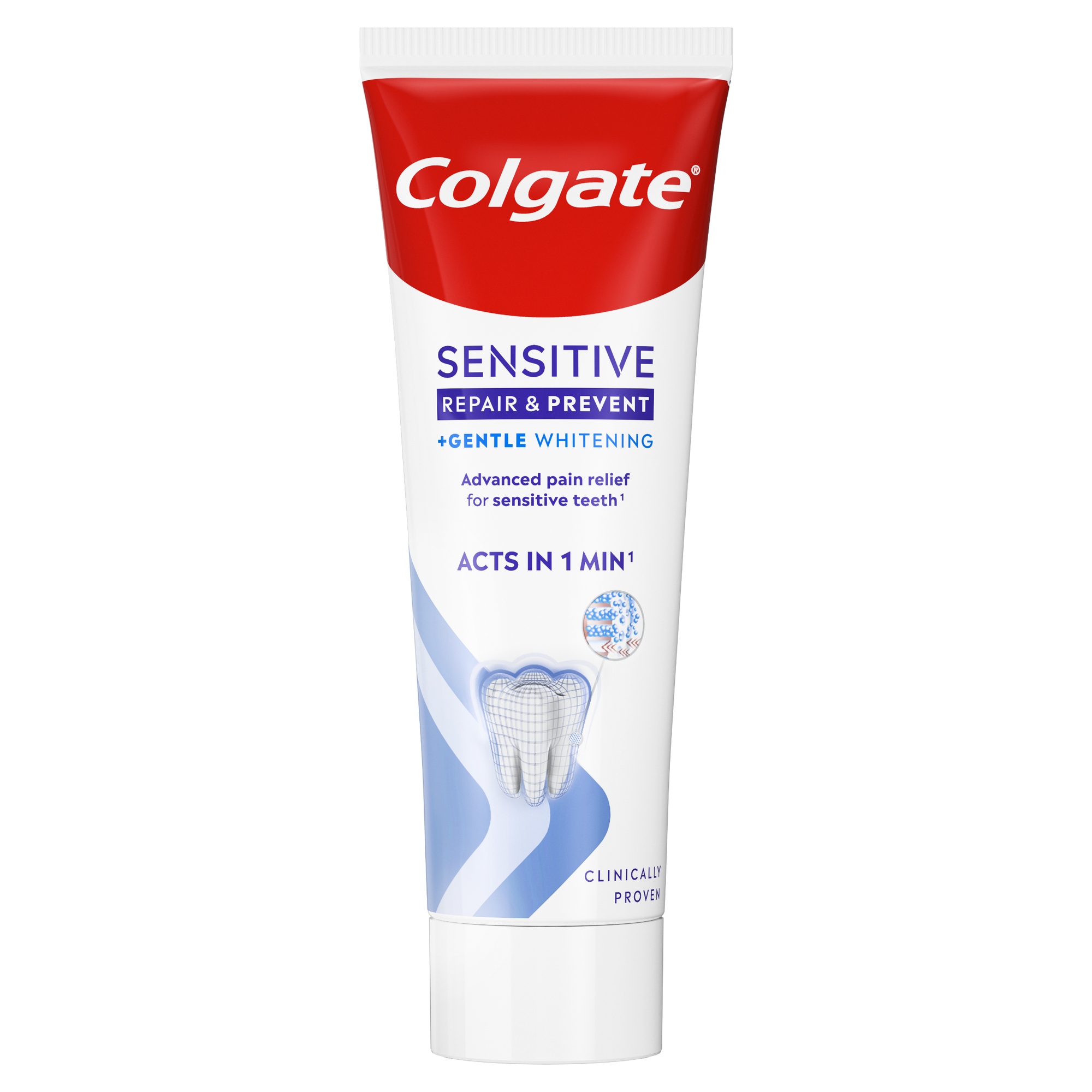
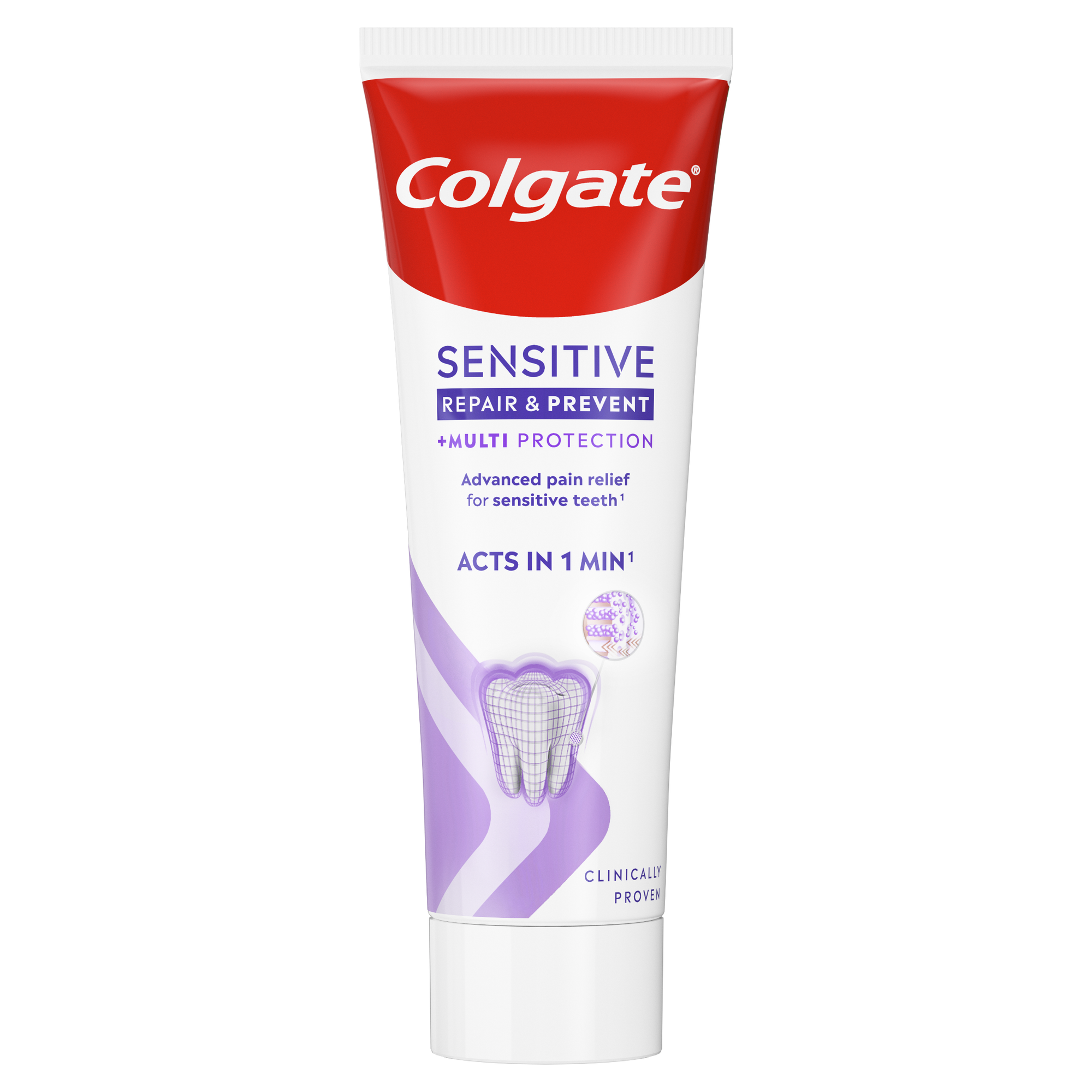
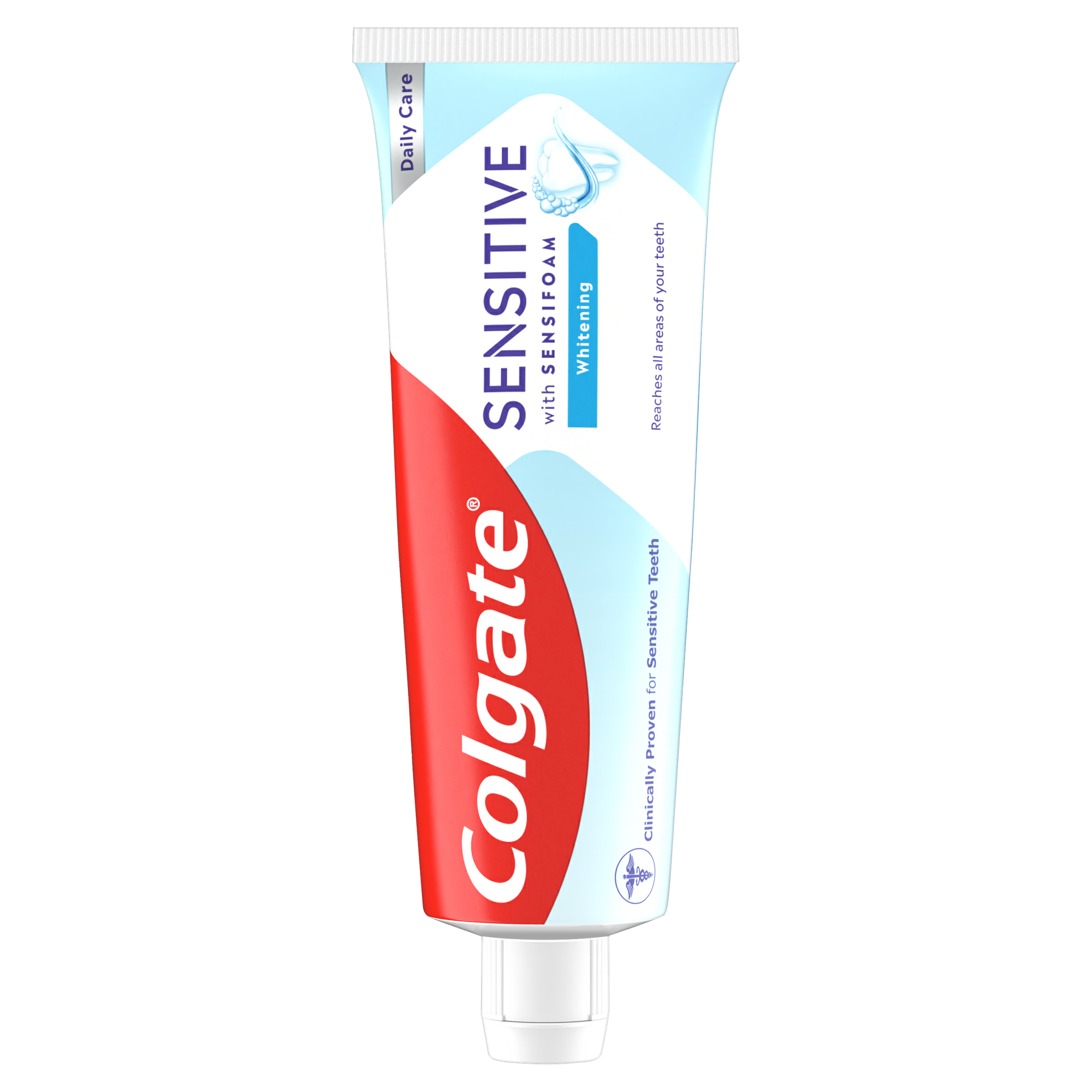
Use a toothpaste specifically designed for sensitive teeth to keep your teeth clean without damaging your enamel further.
Brush and floss after meals at work by keeping a brush and toothpaste in your desk drawer. Consider using a travel kit for this purpose.
Alter your eating habits. Substitute snacks like chocolate and sweets with delicious fruits and vegetables or healthy snacks.
The same goes for what you drink; replace those sugar-filled fizzy drinks with water that keeps your body hydrated and helps to wash away sugar-hungry bacteria.
Chewing sugarless gum is another alternative that provides a sweet-tasting treat without the harmful effects of sugar collecting in your mouth.
If having tooth sensitivity to sugar and cold is a chronic problem for you, speak to your dentist.
Your dentist may prescribe a high fluoride toothpaste to use at home or use a fluoride varnish on your teeth to help remineralise your tooth enamel and block the tubules to your dentine that carry the pain signal. These fluoride products contain around 16 times more fluoride than regular toothpaste and can be effective for tooth sensitivity.
Composite bonding can be applied to the area along your gumline to cover areas of exposed roots due to gum recession. A gum graft is another procedure that can be used to treat exposed tooth roots.
Here are the answers to some commonly asked questions about teeth sensitive to sugar and what causes sensitive teeth:
The best way to help teeth sensitive to sugar is to rub a small amount of sensitive toothpaste directly onto the affected area. Use your fingertip and gently massage the paste into the area for around 1 minute. The active ingredients in the toothpaste will work to block dentine tubules and can provide instant relief.
Tooth sensitivity will often improve with a few changes to your oral hygiene routine and lifestyle.
Try using a toothpaste and mouthwash specifically for sensitive teeth.
Use warm water instead of cold when brushing your teeth.
Use a soft-bristle toothbrush and use gentle, circular motions when brushing. Don’t scrub from side to side.
Avoid overly hot, cold or sweet foods and drinks that you know make the discomfort worse.
Foods that contain “added” sugars are generally much worse for your teeth than the natural sugars found in fruits and vegetables. Added sugar tends to be more sticky, coats your teeth easily and quickly turns to plaque bacteria if left on the surface of your teeth. Fruit and veg contain liquid that helps to wash the sugars in your mouth away; these foods also give you many other health benefits, like adding fibre to your diet. Eating whole fruits is not harmful to your teeth; however, when blended into smoothies or juices, they can be.
ORAL HEALTH QUIZ
Take our Oral Health assessment to get the most from your oral care routine
ORAL HEALTH QUIZ
Take our Oral Health assessment to get the most from your oral care routine