Treat Super Sensitive Teeth with Sensitive Toothpaste
Medically reviewed by Emma van Eyssen
4
min read

Medically reviewed by Emma van Eyssen

Table of Contents
Key Takeaways
Sensitivity in the teeth can be uncomfortable and inconvenient. Exposure to pressure or hot and cold temperatures creates severe discomfort, making it hard for you to enjoy your favourite foods. Some people have teeth so sensitive that even a rush of air can trigger pain. Fortunately, using sensitive toothpaste can help reduce your discomfort.
Sensitivity occurs when the enamel is damaged, thinned or eroded, leaving the underlying dentine exposed. While enamel is hard and durable, dentine is more vulnerable. It is a porous material, covered with tiny, fluid-filled tubules that transmit sensory information back to the tooth's pulp, a nerve-rich area within the tooth.
Without the usual protection of the enamel, the dentine is exposed to hot and cold liquids, air, extremely sweet foods and other stimuli. This increased exposure leads to more signals passing into the tooth pulp, creating a higher level of sensitivity.
Dental Health lists some of the main causes of tooth sensitivity:
Enamel can suffer damage due to decay or trauma, but gradual erosion is more common. If your enamel is naturally thin, you're more likely to see it erode over time. Even normal enamel, however, can be worn down due to a stiff toothbrush, abrasive toothpaste or an abundance of acidic foods such as citrus fruits and sour sweets. When enamel erodes far enough to expose the dentine, sensitivity sets in. Recession of the gums due to infection can leave the roots of your teeth exposed. The roots are meant to be protected by the gums and other connective tissue. When they are exposed, direct contact with food, drink and even cold air can cause intense discomfort.
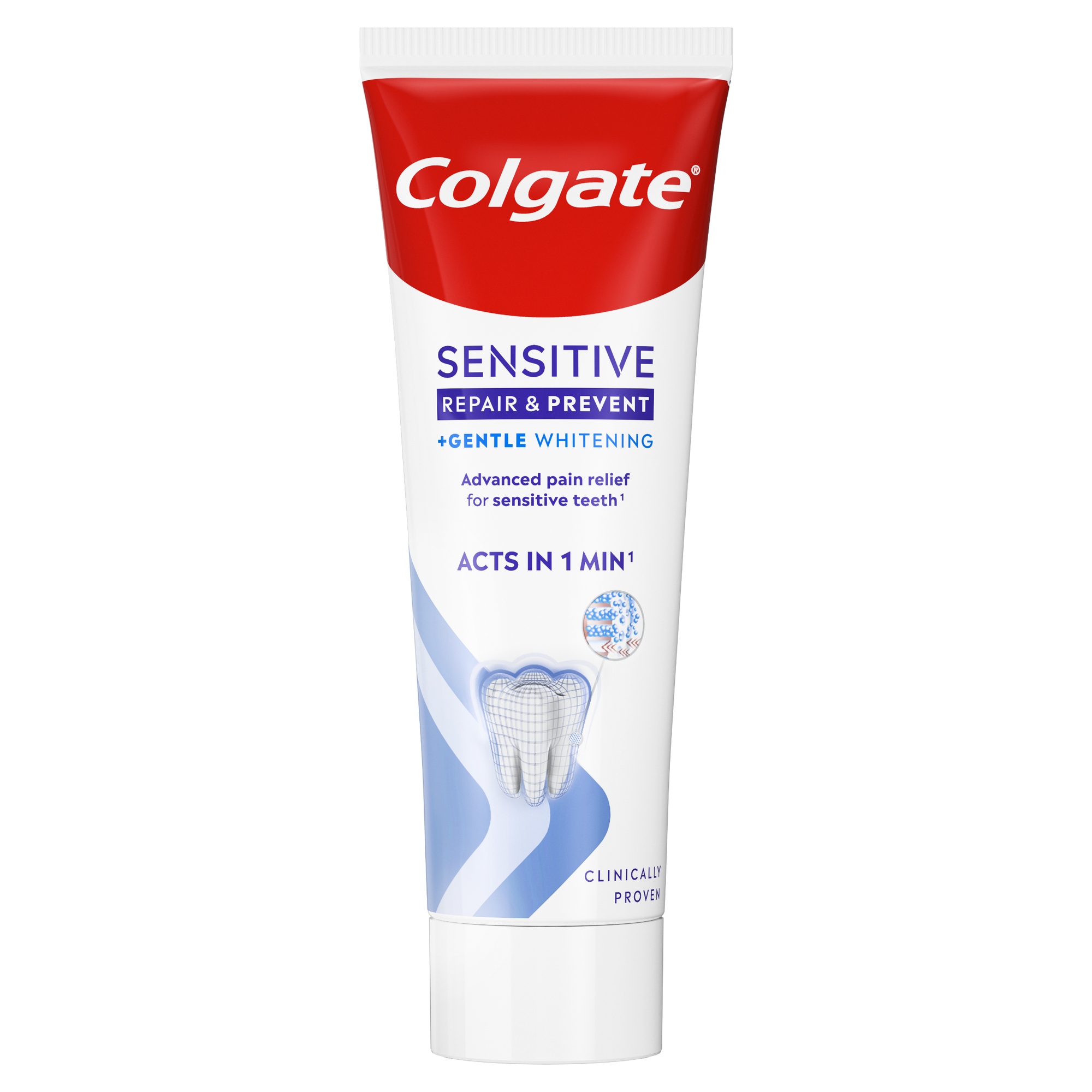
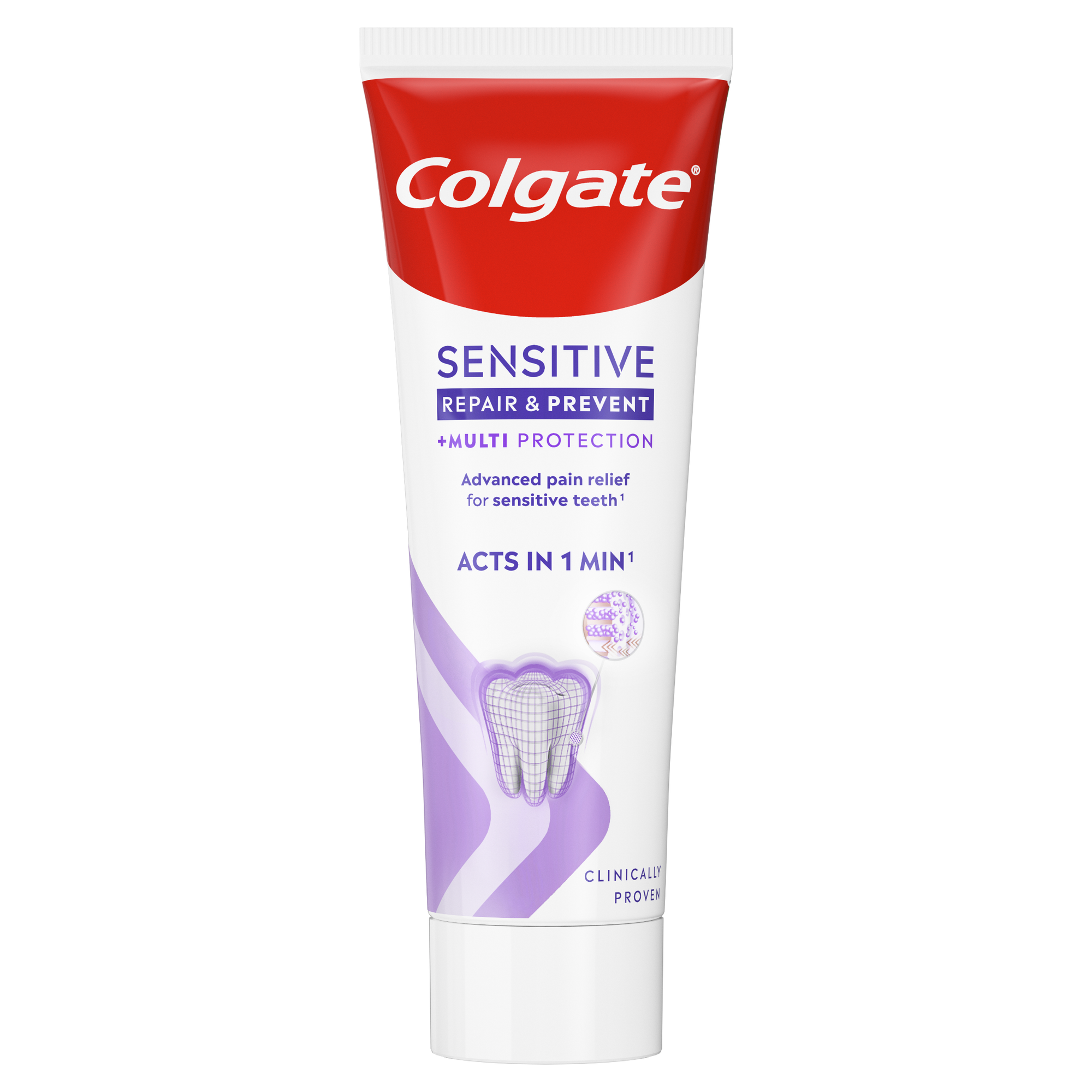
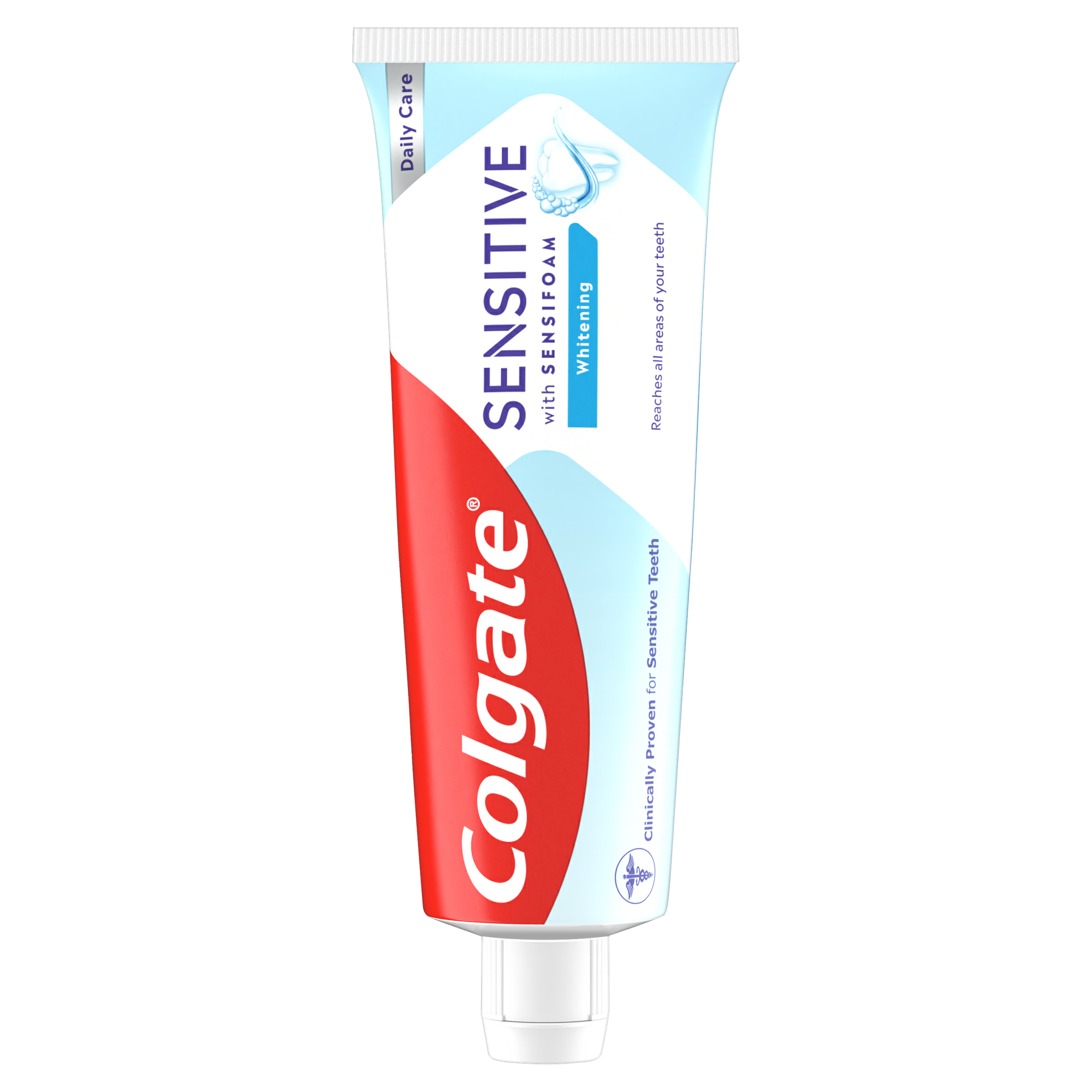
Sensitive toothpastes can help reduce sensitivity. You may notice a difference after only a few days of use, but most people start to see significant improvement after at least a week or two.
Toothpaste specially designed for sensitive teeth has special ingredients that reduce the sensitivity of your teeth. These work by blocking the tubules in the dentine. A study published in the Journal of Dental Sciences shows the use of toothpaste for sensitive teeth to be a highly effective treatment. Brush regularly with this type of toothpaste, but also rub the paste directly onto the sensitive areas for even better and faster results.
Sometimes, at-home treatment with sensitive toothpaste isn't enough. If you have severe sensitivity, professional treatment might be necessary, according to a review in the International Journal of Oral Care and Research. Your dentist might start by applying a fluoride varnish directly to the sensitive areas to block the exposed dentine. They might also recommend a specific fluoride toothpaste for use at home. If your root surfaces have been exposed because of receding gums, the fluoride varnish can be applied to the surface to protect them. Depending upon the condition of your gums and the severity of any gum disease you might have, your dentist might recommend more thorough scalings of the teeth and gum tissue.
ORAL HEALTH QUIZ
Take our Oral Health assessment to get the most from your oral care routine
ORAL HEALTH QUIZ
Take our Oral Health assessment to get the most from your oral care routine


About Cookies on This Site