Early Signs of Gingivitis: Common Symptoms You Should Know
minute read

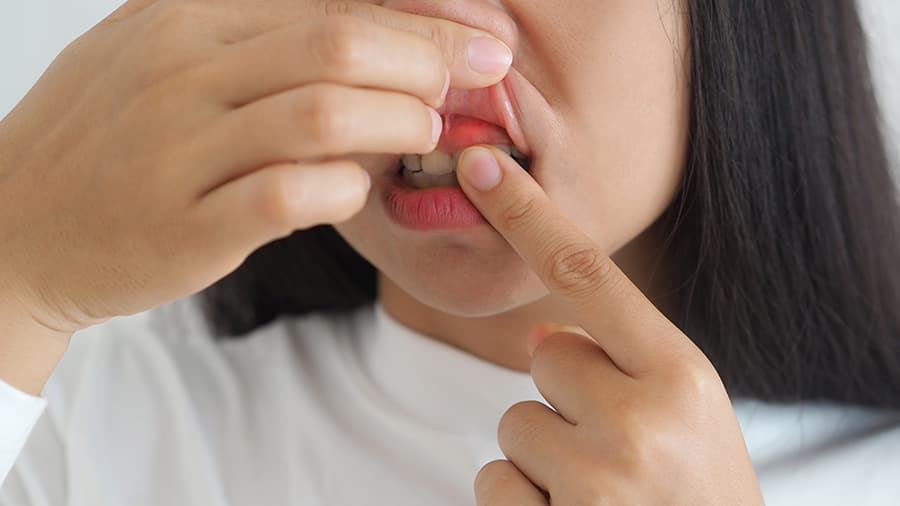

Have you ever noticed your gums bleeding when brushing or flossing? It can be a sign of gingivitis, an early stage of gum disease. Though it seems harmless at first, it can progress into a severe form if left untreated. Luckily, you can reverse gingivitis with prompt care. Knowing the early signs of gingivitis and its common causes helps. Read on to learn treatment options and preventive tips to protect your gum health.
Gingivitis is an inflammation and infection of the gums often caused by poor oral hygiene. You may notice one or more of the following warning signs:
Swollen Gums: Bacteria and plaque buildup along the gumline make your gums swollen, red and sensitive to touch.
Gum Bleeding: Your gums bleed easily, even with gentle brushing or flossing.
Gum Pockets: Pockets form between your teeth and gums. They easily trap food particles, resulting in bacterial infection.
Longer-looking Teeth: Your gum tissues (gingiva) start to shrink and pull away from your teeth. As more of the teeth get exposed, they begin to appear longer than usual.
Bad Breath: You may notice chronic foul breath and a bad taste in your mouth.
Pus-filled Abscess: The pockets between your teeth and gums become infected and filled with pus (gum abscess). It often indicates periodontitis, a more serious form of gum disease.
Gingivitis occurs when your gums are irritated and inflamed. It is often caused by the buildup of plaque along the gumline due to inconsistent oral care habits. Knowing the common gingivitis causes and risk factors can help you take proactive care of your gums.
Poor oral hygiene and plaque buildup are the major causes of gingivitis. Plaque is a sticky film of food particles and bacteria. Without proper brushing, flossing and rinsing, plaque builds up on your teeth and gumline. It hardens to tartar, which can only be removed through professional cleaning. Bacteria in these deposits infect and irritate the gums. This causes swelling, redness and bleeding, some of the early gingivitis symptoms.
Besides poor oral care, some factors can increase your risk of gingivitis. These include:
Smoking or tobacco use
Hormonal changes during puberty, pregnancy or menopause
Deficiency of nutrients like Vitamin C
Crowded, misaligned or crooked teeth, which make cleaning difficult
Genetic factors
Underlying medical conditions, such as diabetes
Some medicines and immune system disorders
Improper dental work, such as ill-fitting dentures or fillings
Gingivitis is a mild form of gum disease. Identifying it early on makes it easier to treat. Left untreated, it can progress into a more serious periodontal disease or periodontitis. It can damage deeper gum tissues and supporting jawbone, leading to receding gums, infection of gum pockets and abscesses. In severe cases, prolonged bone loss leads to loose teeth and even tooth loss.
So, if you notice signs, like swollen or red gums, book a dental appointment right away. You may ask, “How do you treat gingivitis?” The answer is timely professional dental care paired with good oral hygiene.
Managing gingivitis boils down to supporting your gum health with good oral care habits. They are essential for removing plaque and tartar responsible for gum infection and swelling.
Brush twice daily, using gentle circular motions. Use a soft-bristled toothbrush to avoid irritating your puffy gums further.
Floss daily to remove plaque from between teeth and beneath the gumline. Floss gently and properly. You may use a dental floss, an interdental toothbrush or a water flosser.
Rinse your mouth thoroughly. An antibacterial mouthwash for gingivitis may help fight germs and control infection. Choose an alcohol-free mouthrinse suggested by a dental professional to avoid irritating your tender gums.
Using a plaque-control toothpaste can help. Dentists recommend using fluoride toothpaste to support dental health. A plaque-control formula with fluoride can strengthen your defence against bacterial plaque and gum infection.
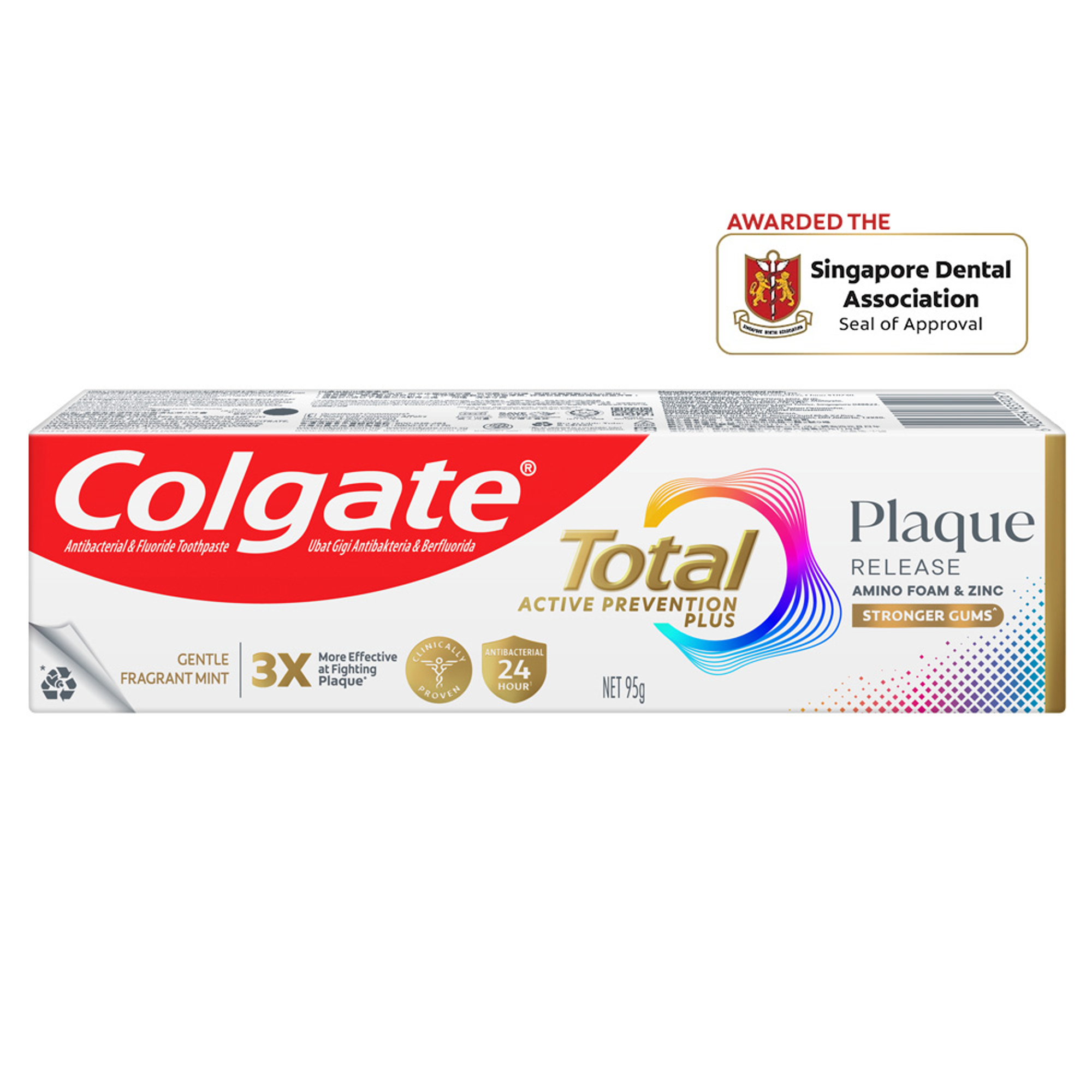
For example, consider the Colgate Total Plaque Release Gentle Fragrant Mint Toothpaste. It is 3X more effective at fighting bacterial plaque along the gumline*. Its Zinc mineral and Amino foam formula can help fight plaque buildup and support your gum health.
When it comes to soothing your swollen gums, home remedies can be tempting. However, not all are safe and scientifically proven. Seeking professional help is ideal. A warm saltwater rinse or cold compress can soothe your sore gums temporarily until a dental checkup.
If you notice symptoms like red or puffy gums that bleed easily, consulting a dentist is crucial. Timely treatment can stop it from progressing into a serious gum disease. A dentist or periodontist can check your gums to diagnose the cause. They may use dental X-rays to check the extent of damage and the possibility of bone loss. Based on the severity, they suggest the right treatment for you.
Gingivitis treatments are usually non-surgical. Typically, they include:
Regular Dental Cleaning: Early signs of gingivitis often resolve with professional cleaning. It removes dirt, plaque, food particles, and tartar from your teeth and gumline.
Deep Cleaning: It involves scaling and root planing. While scaling removes plaque and tartar from deep beneath the gumline, root planing smooths out the tooth roots to help the gums heal. Deep cleaning is often used to treat early signs of gum disease.
Prolonged gum infection may damage deeper gum tissues and supporting bones. It may require surgical procedures to prevent further damage, bone loss and loose teeth.
Yes, gingivitis can be reversed in the early stages with prompt care. It involves professional dental cleaning and diligent oral hygiene habits. Regular cleanings from a dental hygienist can remove plaque and tartar from the gumline. Combining this with brushing twice and flossing once daily, and proper rinsing is important.
Gingivitis is not only reversible, but also preventable with good oral hygiene. Simple, daily habits can go a long way in preventing plaque buildup and gum infection.
Brush, Floss and Rinse: Brush your teeth twice daily. It cleans plaque from your teeth and gumline before it accumulates and hardens. Floss daily to prevent plaque buildup between teeth and under the gumline. You may use dental floss or an interdental toothbrush. Rinse your mouth thoroughly with water after every meal.
Use the Right Oral Care Products: A soft-bristled toothbrush cleans your teeth and gums gently. Use a plaque-control fluoride toothpaste for added protection. An antibacterial mouthwash also helps.
Get Regular Dental Checkups: These are crucial to maintain good oral health. Regular cleanings remove tartar and plaque that escaped your daily oral care routine. Getting regular dental checkups helps catch and treat the early signs of gum disease.
Manage Risk Factors: This includes managing health issues, correcting misaligned teeth and fixing ill-fitting dental work.
Watch Your Diet and Lifestyle: Choose a balanced, nutritious diet to avoid deficiencies. Limit sugary foods and drinks that promote plaque and bacteria. Drink plenty of water to support good saliva flow in the mouth. Quit the habit of smoking or chewing tobacco to prevent gum problems and other dental healthcare issues.
Gingivitis is a common oral care concern, and knowing its symptoms can help you act on time. Professional dental care and good oral hygiene can help reverse the early signs of gingivitis. A dentist can suggest the right treatment to restore your gum health. Consistent oral care and regular dental visits are key to maintaining healthy gums.
*vs. regular non-antibacterial fluoride toothpaste after 3 months continuous use, deep refers to deep into bacterial plaque
No, gingivitis does not go away on its own. It requires professional cleaning from a dentist and good oral care practices to resolve.
Yes, an antibacterial mouthwash can fight harmful plaque bacteria that infect the gums. However, it is not a solution for gingivitis. It supports gum health when paired with daily brushing and flossing and regular dental checkups.
Gingivitis is the first stage of gum infection. It occurs when plaque bacteria irritate the gum tissues, resulting in red, swollen and bleeding gums.