Best Toothpaste for Gums: What to Look For & Key Ingredients
minute read


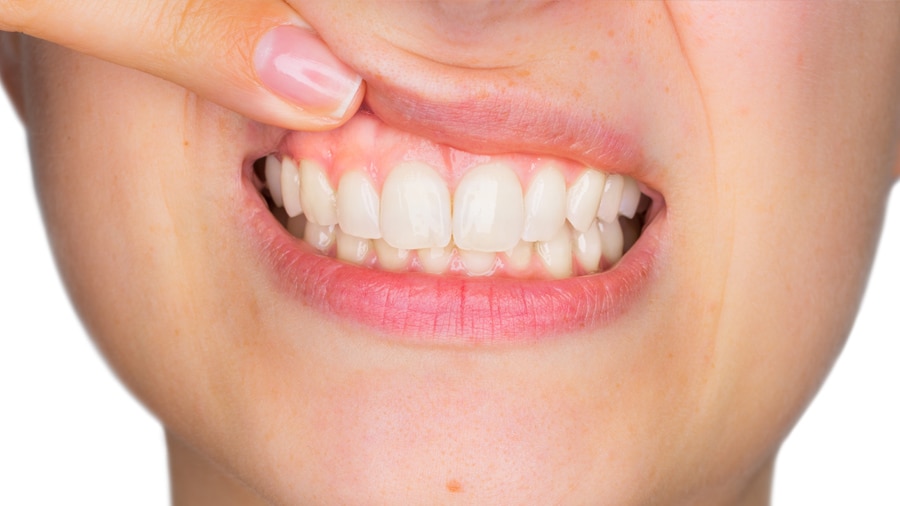
Regular brushing and flossing habits are key to good oral health. The toothpaste you use also matters. The mouth is home to a variety of bacteria that can cause problems if allowed to multiply. They promote plaque, a major cause of gum problems such as gingivitis. Choosing the best toothpaste for gums can make a difference. Read on to learn how the right toothpaste can help maintain a healthy oral environment, and what to look for.
Bacteria in the mouth mix with food particles to form a sticky film called plaque on your teeth and gumline. Cleaning it daily prevents its accumulation. Once it hardens into tartar, it can only be removed by a dentist. Plaque and tartar are the major causes of gum infection and swelling (gingivitis), receding gums and gum disease. It can eventually damage the supporting gum tissues and bones, leading to tooth loss. This is where a toothpaste for gingivitis can help.
A toothpaste for gum health usually contains a formula to fight harmful bacteria. It helps remove plaque effectively and prevents tartar buildup. Some toothpastes are designed to soothe your gums by reducing swelling and soreness, the common signs of gingivitis.
Brushing daily removes food particles and plaque on your teeth and along the gumline. Flossing cleans between the teeth and beneath the gumline. Brushing becomes more effective when you pair it with the right toothpaste. If you have gum issues or get them more often, an antibacterial toothpaste for bleeding gums can help.
Using a toothpaste for gum disease can support and protect your gum health. It helps prevent plaque and tartar buildup, the root cause of gum problems. It also helps manage symptoms like bleeding gums, gum inflammation and sensitive teeth. It works in the following ways:
Plaque and Tartar Control: Effectively removes plaque on your teeth and gumline, preventing tartar buildup.
Antibacterial Action: Fights harmful bacteria that infect and irritate the gums.
Reduce Gum Inflammation: Contains ingredients that soothe the gums and reduce swelling.
Strengthens Teeth: Contains fluoride to strengthen and protect the tooth enamel, helping prevent tooth decay.
Manages Sensitivity: Helps reduce tooth sensitivity caused by receding gums.
Though not a treatment, the right toothpaste improves gum protection and oral hygiene. It helps prevent gingivitis from progressing into periodontal disease (periodontitis) until your dental visit. When considering what toothpaste is good for gums, choosing the right ingredients is key.
Not all toothpastes are made alike. What goes into your toothpaste decides how well it can support your dental health. If you have gum problems, using the right formula can make all the difference. Knowing the key ingredients for gum health can help you make an informed choice. Below are some ingredients that make the best toothpaste for healthy gums.
Fluoride is a key ingredient that supports good oral health. Plaque bacteria release acids that erode minerals like calcium from your tooth enamel. This results in tooth decay and cavities. Fluoride strengthens the tooth enamel and protects against decay. Dentists recommend using a fluoride toothpaste for strong, healthy teeth.
Toothpastes often contain fluoride in the form of stannous fluoride or sodium fluoride. Stannous fluoride toothpaste can help prevent plaque buildup. It can also reduce harmful bacteria, which makes it an effective tool in fighting against the root cause of gingivitis.
Controlling oral bacteria is key to managing plaque buildup and gum disease. The best toothpaste for gums often comes with an antibacterial formula. These include compounds, such as xylitol, triclosan, chlorhexidine, hydrogen peroxide and zinc. They fight harmful bacteria responsible for plaque buildup and gum infection.
Early stages of gingivitis result in gum inflammation, soreness and bleeding gums. As it progresses, your gums recede, exposing the tooth roots to hot, cold or sweet foods and harmful acids. This can lead to tooth sensitivity and decay at the roots. A good toothpaste for gingivitis usually contains active ingredients to soothe such discomfort. These include:
Potassium Nitrate: Found in many sensitive toothpastes. It is known to reduce tooth sensitivity by calming the nerves in the tooth pulp. This helps reduce the sudden pain triggered by hot or cold foods and drinks.
Stannous Fluoride: It blocks the tiny dentine tubules below the enamel, helping prevent the external stimuli from reaching the tooth centre.
A natural toothpaste may contain ingredients with anti-inflammatory properties. Aloe vera, tea tree oil or clove oil are known to help soothe sore and swollen gums. When choosing a toothpaste for gum health, look for safe ingredients. If you need teeth whitening benefits, choose a gentle whitening toothpaste without harsh chemicals to prevent irritating your gums. Always look for an official seal of acceptance to verify the product.
Colgate offers a range of gum care products to support healthy gums and stronger teeth. They help improve your oral hygiene and offer better gum protection when used as part of your daily brushing routine. These toothpastes are designed to:
Control plaque effectively
Reduce harmful bacteria
Protect gums against infection
Reducing gum inflammation, soreness and sensitivity
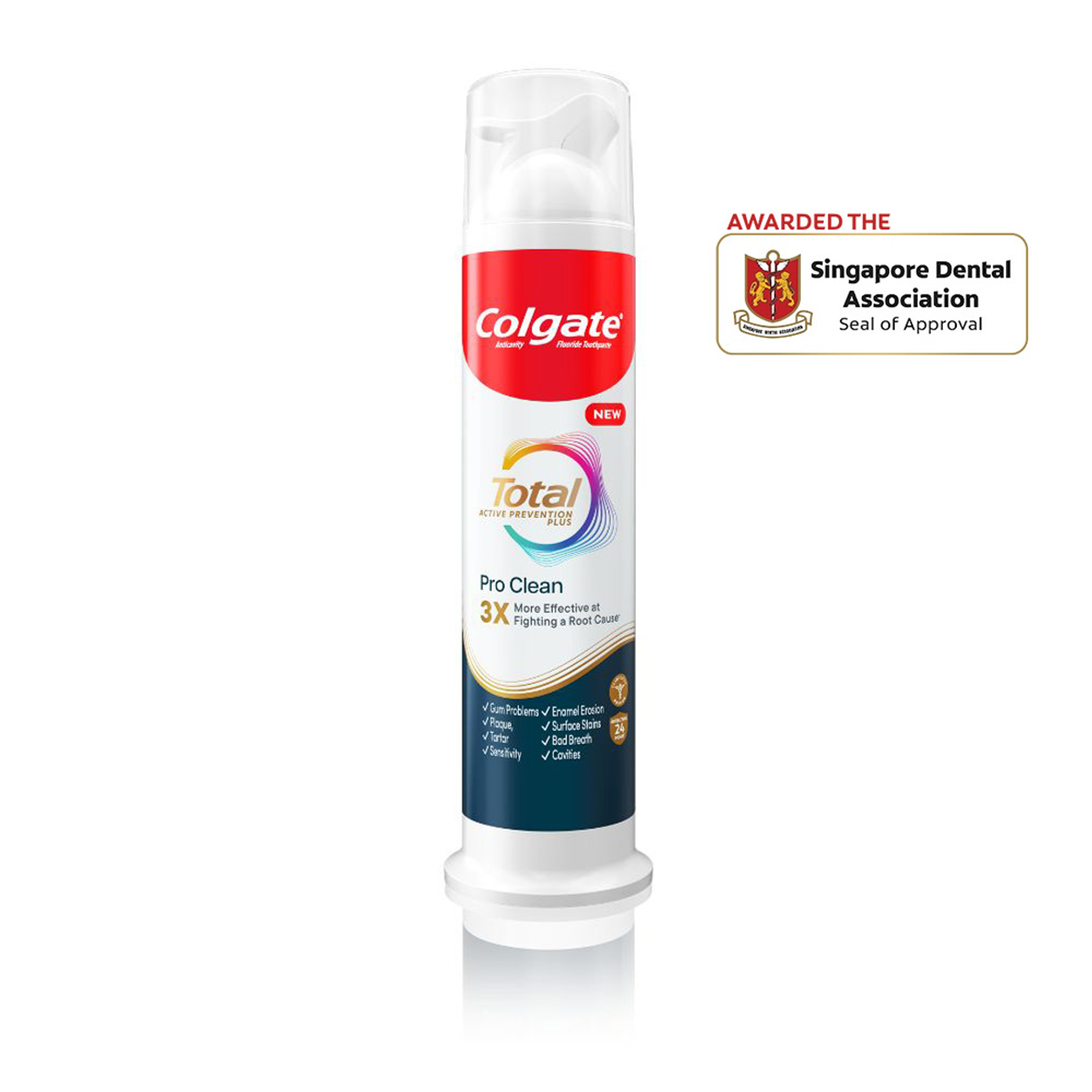
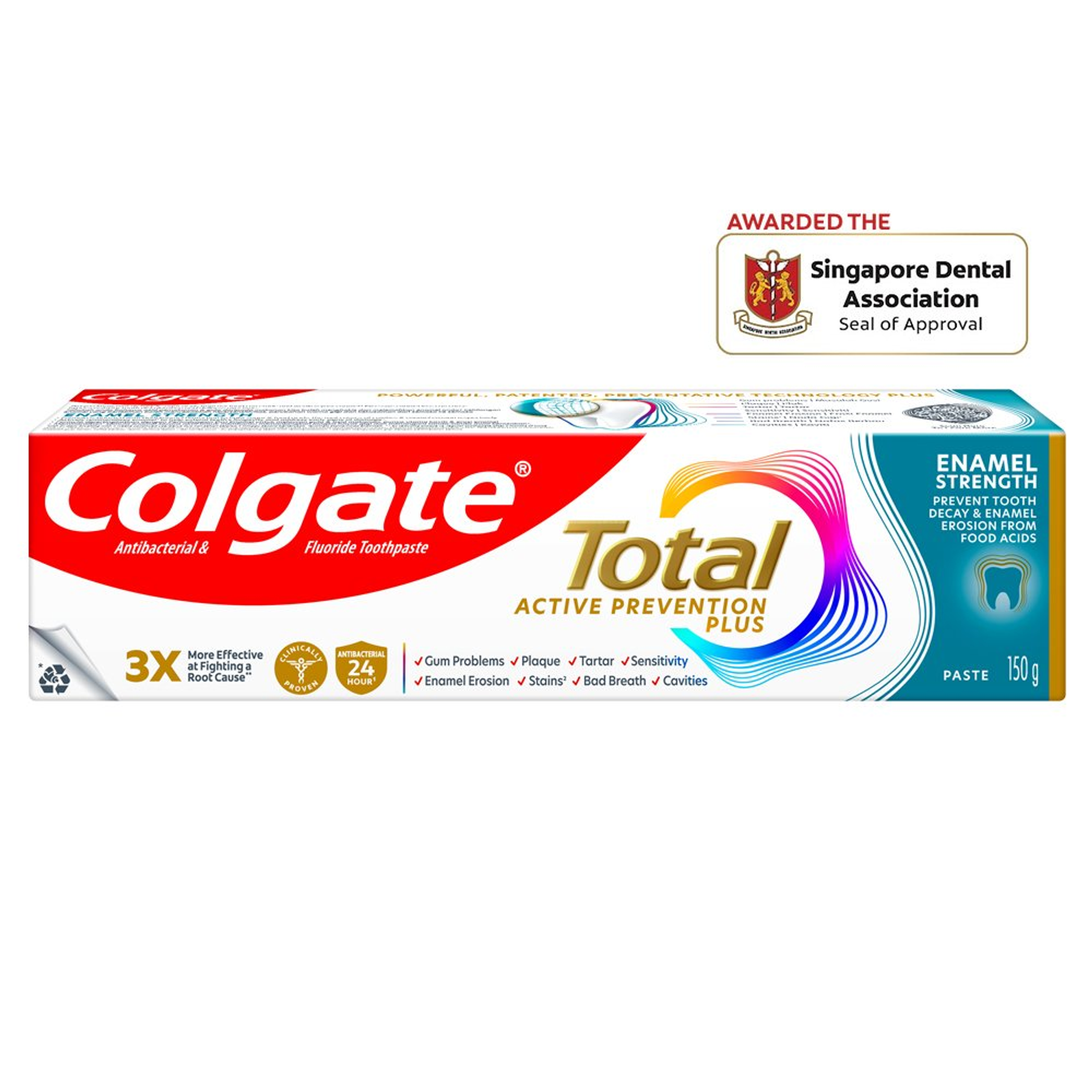
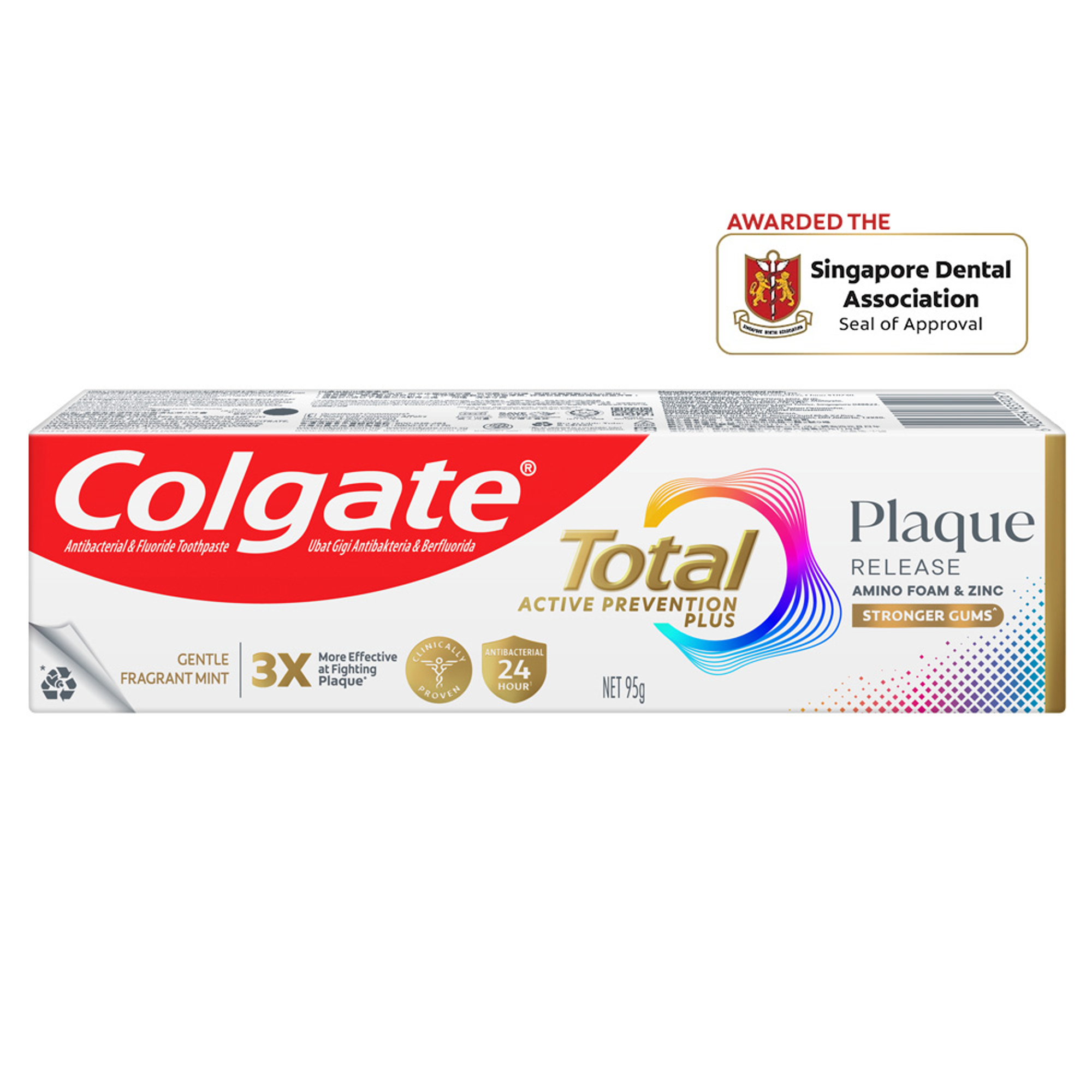
For instance, the Colgate Total Active Prevention is designed for effective control of plaque and tartar. Unlike ordinary toothpaste, it is three times more effective at fighting bacterial plaque*. It has stannous fluoride, Zinc mineral and Amino foam that protects your mouth from germs. Regular use can offer preventative benefits against plaque buildup and gingivitis.
Mouthwash: Some people use a mouthwash, alongside the best toothpaste for gums, for added protection. An antimicrobial formula with ingredients like xylitol can protect against germs and infection. It washes away food residues and plaque and fights bacteria. It also soothes your gums and helps reduce bad breath. Choose an alcohol-free formula recommended by dentists.
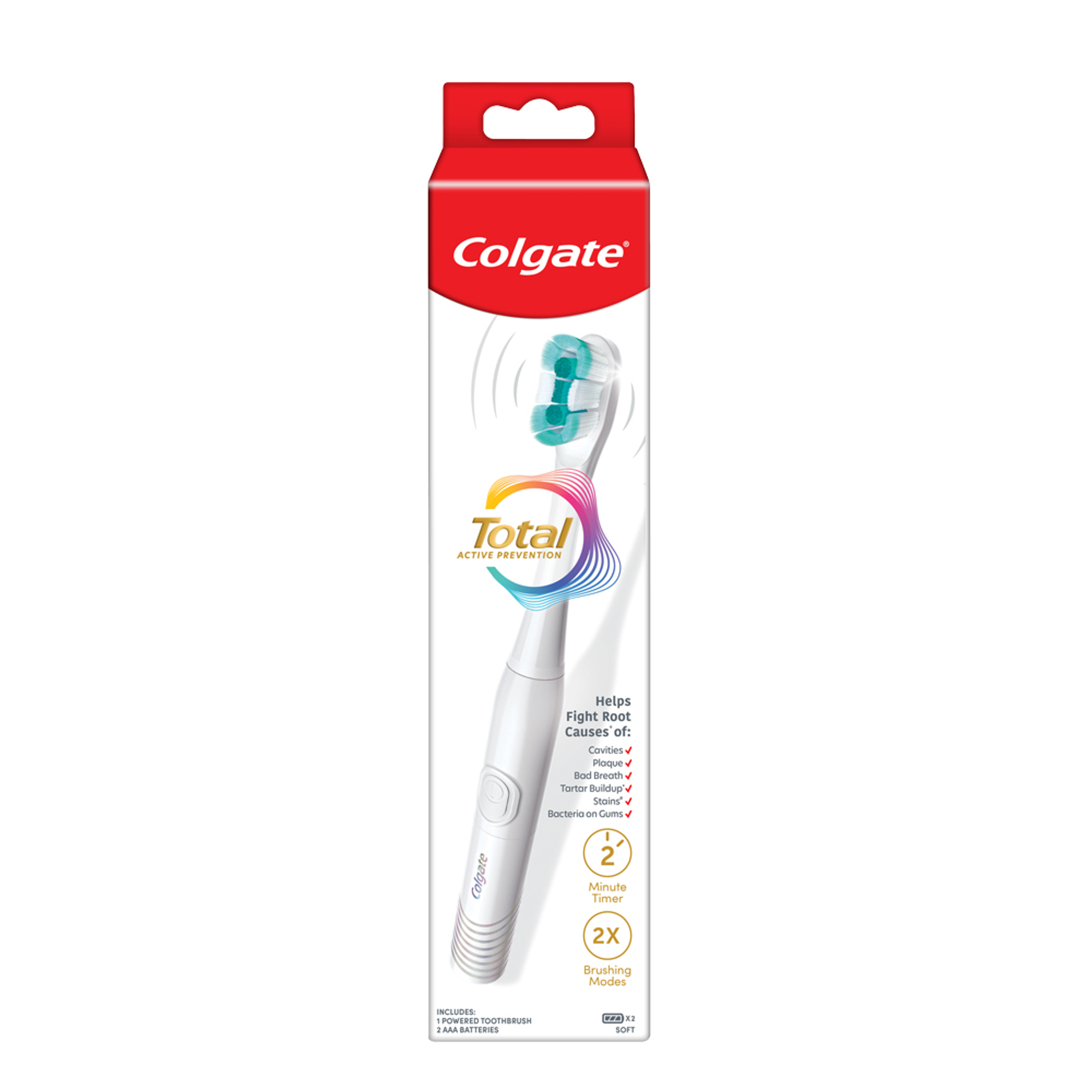
Soft Toothbrush: Your risk of gum problems can increase if you use the wrong tools for brushing. A hard-bristled toothbrush can injure or irritate your gums. Aggressive brushing often leads to gum bleeding, soreness and gum recession. Use a soft-bristled toothbrush to clean your gums gently and effectively without irritating them.
Flossing Tools: FFlossing is just as important. Floss gently and properly to clean between teeth and beneath the gumline. You may use a dental floss, water flosser or an interdental toothbrush.
The best toothpaste for gums can support daily gum care. But that alone does not suffice, especially if you have an underlying gum infection. A toothpaste for gum disease can help prevent the problem from getting worse. However, it is not a substitute for professional dental care. A dental professional can diagnose your gum issues and suggest the right treatment for a proper cure. So, consulting a dentist on time is crucial to protect your healthy smile.
Though home remedies may tempt you, it is vital to note that not all remedies are scientifically proven, and they can be potentially harmful. Book a dental appointment if you notice any of the following warning signs of gum disease:
Red, swollen or tender gums
Bleeding gums when you brush or floss gently and properly
Persistent discomfort or pain while chewing or drinking
Gums pulling away from the teeth (gum recession), making your teeth appear longer
Exposed tooth roots and tooth sensitivity
Timely care can help prevent gum issues from getting worse. Besides, regular dental checkups every six months are important. Regular dental cleanings remove tartar and plaque missed by your daily oral care routine. A dentist can also catch and treat the early signs of gum problems before they develop.
Using the best toothpaste for gums can support your gum health. It can prevent the causative factors of gum issues and help manage the symptoms. Look for a toothpaste with fluoride, antimicrobial properties and soothing ingredients. Avoid harsh chemicals. If you notice early signs of gingivitis, consult a dentist without delay. Pairing a good antibacterial toothpaste with daily brushing, flossing and rinsing habits is key to keeping your gums healthy.
*vs. regular non-antibacterial fluoride toothpaste after 3 months continuous use, deep refers to deep into bacterial plaque
Brushing twice and flossing once daily, and proper rinsing are key. Use an antibacterial toothpaste to control bacteria and prevent plaque buildup. Schedule regular dental checkups and cleanings.
A toothpaste cannot repair damage to the gums. However, it can prevent further damage by reducing plaque, bacteria and supporting gum health. Consulting a dentist is crucial to repairing your gums and helping them heal.
With regular use, you may notice less plaque buildup and reduced gum swelling within a few weeks. Results may vary based on your oral condition. While it supports gum health and good oral hygiene, a toothpaste for gum disease is not an alternative to professional dental care.