What causes green teeth and how to treat them
min read

Before we look at how to remove stains from teeth, it’s important to understand the two types of teeth staining and the difference between them: extrinsic and intrinsic stains.
These are stains that are on the surface of your tooth enamel, and they’re a result of what goes into your mouth. Chromogens, or pigmented molecules, in dark-coloured foods can easily stick to your tooth enamel and cause it to discolour. Extrinsic teeth staining can be caused by:
Drinking coffee, tea, red wine or cola
Eating dark-coloured foods, like berries, curries and tomato-based sauces
A buildup of bacteria on the surface of your teeth that hasn’t been removed by brushing
Antibacterial mouthwash used to treat gum disease can leave a dark residue on teeth
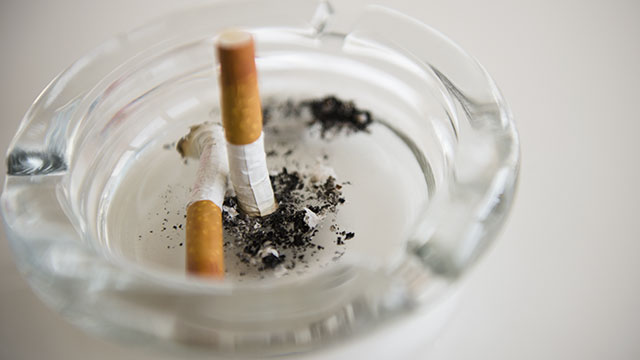
Smoking cigarettes or chewing tobacco
Your oral hygiene habits will have a big impact on the severity of this type of staining. It’s important to brush twice a day and clean between your teeth daily.
This type of discolouration occurs deep inside the dentine of your tooth, underneath the enamel. These are some of the things that may cause intrinsic stains.
Medications, including some antibiotics
Trauma to the tooth can damage the pulp inside, resulting in discolouration
Fluorosis, which is caused by ingesting too much fluoride during a child’s teeth-forming years, can cause white or brown spots to form on the surface
A dead tooth, which happens when a tooth becomes injured and can’t repair itself
Ageing will cause the teeth to naturally discolour over time
Treatments like radiation or chemotherapy can cause discoloured teeth
Intrinsic types of stains can be greyish or green in colour. Neither good oral hygiene nor professional polishing will remove intrinsic stains; however, professional teeth whitening can help.
Teeth can turn green on the surface or from the inside. Here are the main causes of both types of green teeth staining:
A build-up of stains, bacteria and fungi can cause teeth and gums that appear green in adults. If you have poor oral hygiene and allow this bacteria to stay on your tooth enamel, pigments caused by the dark-coloured foods and drinks you consume can form a green film, called pellicle, on the surface of your teeth. This is extrinsic teeth staining and is caused by poor oral care. Improving your daily routine and getting your teeth professionally cleaned can remove these types of green stains.
Intrinsic stains in your dentine can happen when your teeth are developing. The green colour can also be caused by certain medical conditions or a lack of nutrients in your diet.
Greenish teeth are a less common type of intrinsic stain that affects infants. Babies who have hyperbilirubinemia or sepsis-induced liver dysfunction may develop green pigmentation on their baby teeth. According to the University of Edinburgh, this type of prenatal development is uncommon. The baby teeth will eventually be replaced by permanent teeth that are not green.
If cleaning stained teeth is a priority for you, there are a few treatments you can get at the dentist that may help.
If your teeth staining is extrinsic, professional cleaning will help to remove surface stains. Your dentist will use special tools to scrape away plaque and tartar from along your gumline and between your teeth. They will then polish the surface of your teeth, which helps to remove surface staining and smooth imperfections.
Your dentist can let you know what teeth whitening treatments they offer. Professional teeth whitening treatments use hydrogen or carbamide peroxide to lift surface stains and leave your teeth brighter and whiter. Laser whitening is the most effective method of teeth whitening and can even work on intrinsic stains.
There are also a few types of dental restorations that can improve the appearance of your teeth if teeth whitening isn’t a suitable option for you.
Composite bonding – this involves your dentist applying a tooth-coloured resin to the surface of your teeth to cover imperfections or discolouration.
Veneers – getting porcelain veneers involves applying thin, ceramic shells over the surface of your teeth to improve their appearance. Veneers aren’t reversible, and once you get them, they’ll need to be replaced every 5-15 years.
Crowns – if your tooth is decayed as well as discoloured, you may need a crown to restore it. A crown is a tooth-shaped cap that fits over your tooth to protect and preserve it.
Keeping your teeth clean and healthy is the best way to prevent teeth staining. Here are some tips for oral hygiene and dietary adjustments you can make that can help:
Brush your teeth twice a day using a soft-bristle toothbrush. When brushing, use gentle, circular motions and brush for 2 minutes.
Use a fluoride toothpaste to help protect your teeth and strengthen your tooth enamel.
Floss between your teeth to remove plaque and food particles that your toothbrush may miss.
Don’t forget to brush your tongue or use a tongue scraper.
Use a mouthwash to freshen your breath between brushing or after eating.
Visit your dentist twice a year for checkups and professional cleaning.
Drink lots of water to wash bacteria from your mouth and prevent dry mouth.
Be mindful of how many sugary and acidic foods and drinks you consume. These foods can wear down and erode your tooth enamel, leading to cavities.
Limit the amount of foods and drinks that can stain your teeth, like tea, coffee and cola.
Avoid smoking and using other tobacco products that can easily cause teeth staining.
Here are the answers to some commonly asked questions about how to remove stains from teeth and greenish teeth stains:
Yes, poor oral hygiene can cause chromogenic bacteria to form. These bacteria produce pigments that cause teeth staining and can leave you with greenish teeth.
If there has been no illness or injury to cause green teeth in your toddler, the discolouration may be due to poor oral hygiene. Toddlers of 3+ can use a pea-sized amount of children's fluoride toothpaste and spit out what’s left after brushing. For toddlers under 3, rub a smear of children’s fluoride toothpaste no bigger than a grain of rice over their teeth and gums until they learn how to spit.
You can whiten extrinsic green teeth staining with treatments at the dentist or home teeth whitening products. If the discolouration is below the tooth enamel, you’ll need a professional teeth whitening treatment that is strong enough to penetrate to your inner tooth.
ORAL HEALTH QUIZ
Take our Oral Health assessment to get the most from your oral care routine
ORAL HEALTH QUIZ
Take our Oral Health assessment to get the most from your oral care routine