Q&A ON COLGATE-PALMOLIVE LABORATORY AND CLINICAL RESULTS ON EFFECTS OF TOOTHPASTE AND MOUTHWASH ON COVID-19 VIRUS
minute read


If the virus that causes COVID-19 is detected in your mouth, then you have already been infected. There is currently no evidence that the use of oral care products can prevent you from getting the virus. Additional studies are necessary to determine whether lowering the amount of the virus in saliva — which can be transmitted through talking, singing, or coughing — might help reduce the risk of transmission to others.
No, there is no evidence that use of oral care products can make your COVID-19 symptoms less severe or help you recover more quickly. Many factors contribute to the length and severity of COVID-19, including the strength of your immune system. Our products are not intended to be used nor approved to prevent, treat, or cure COVID-19, or alleviate its symptoms.
Toothpastes tested include certain formulas with zinc, stannous fluoride, or amine fluoride.
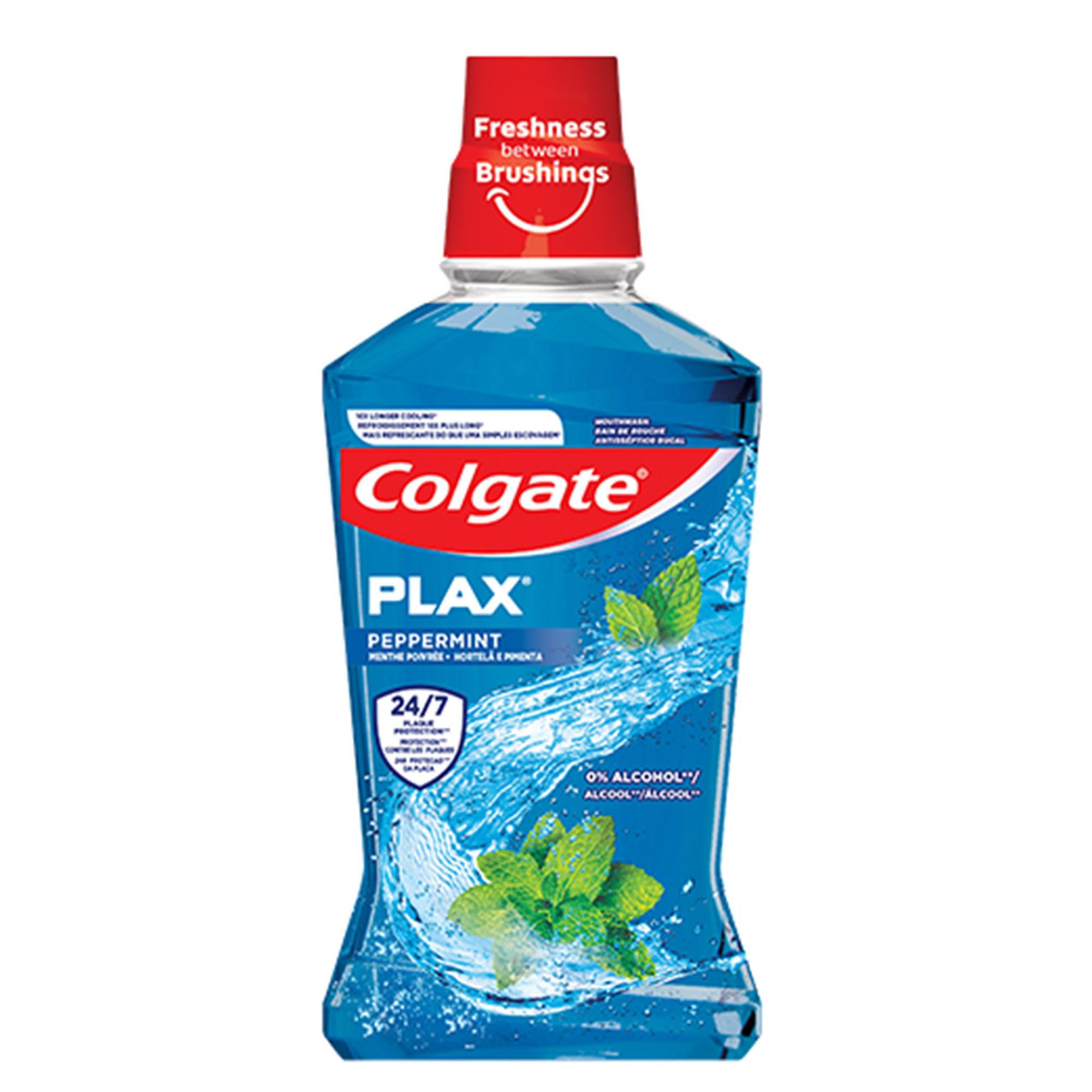
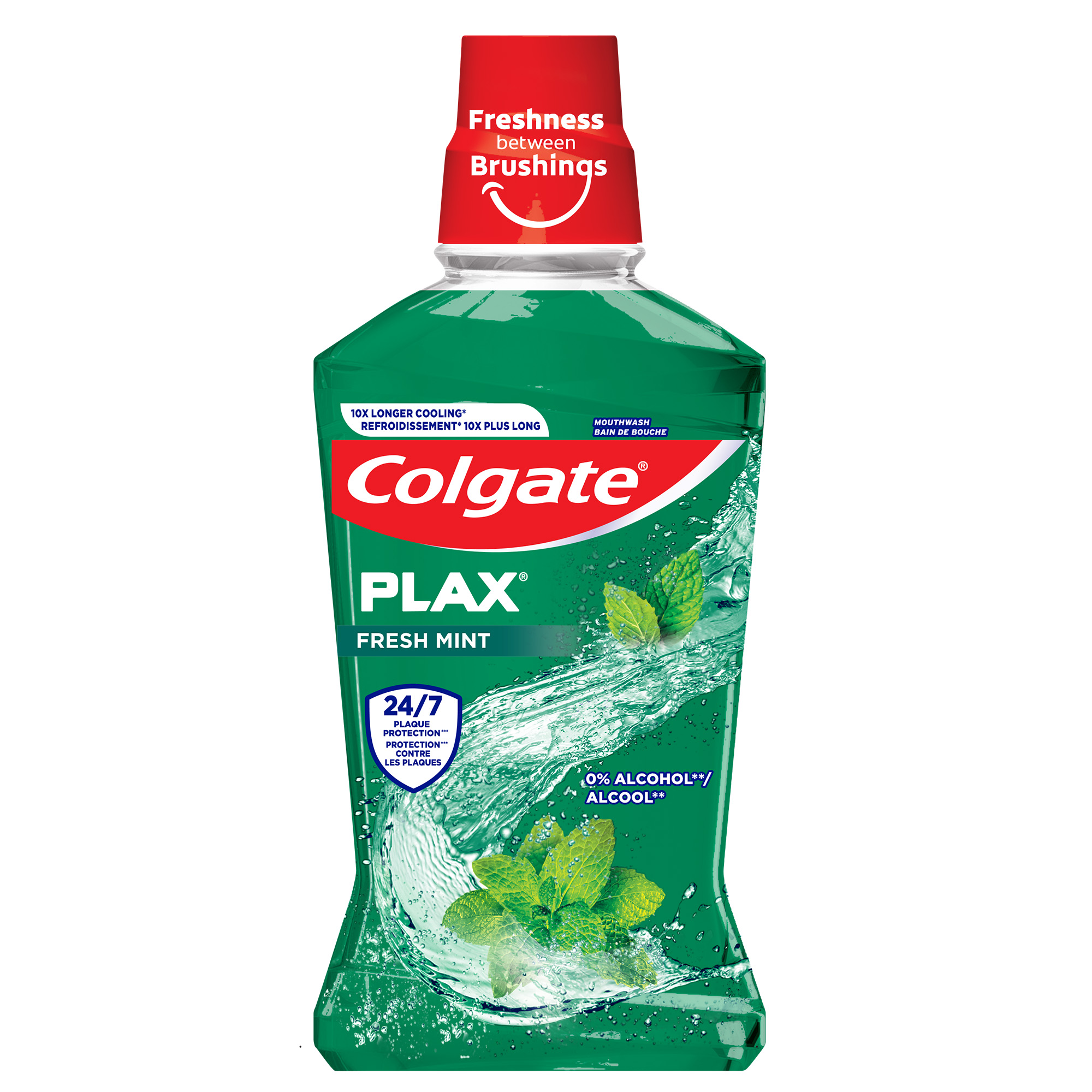
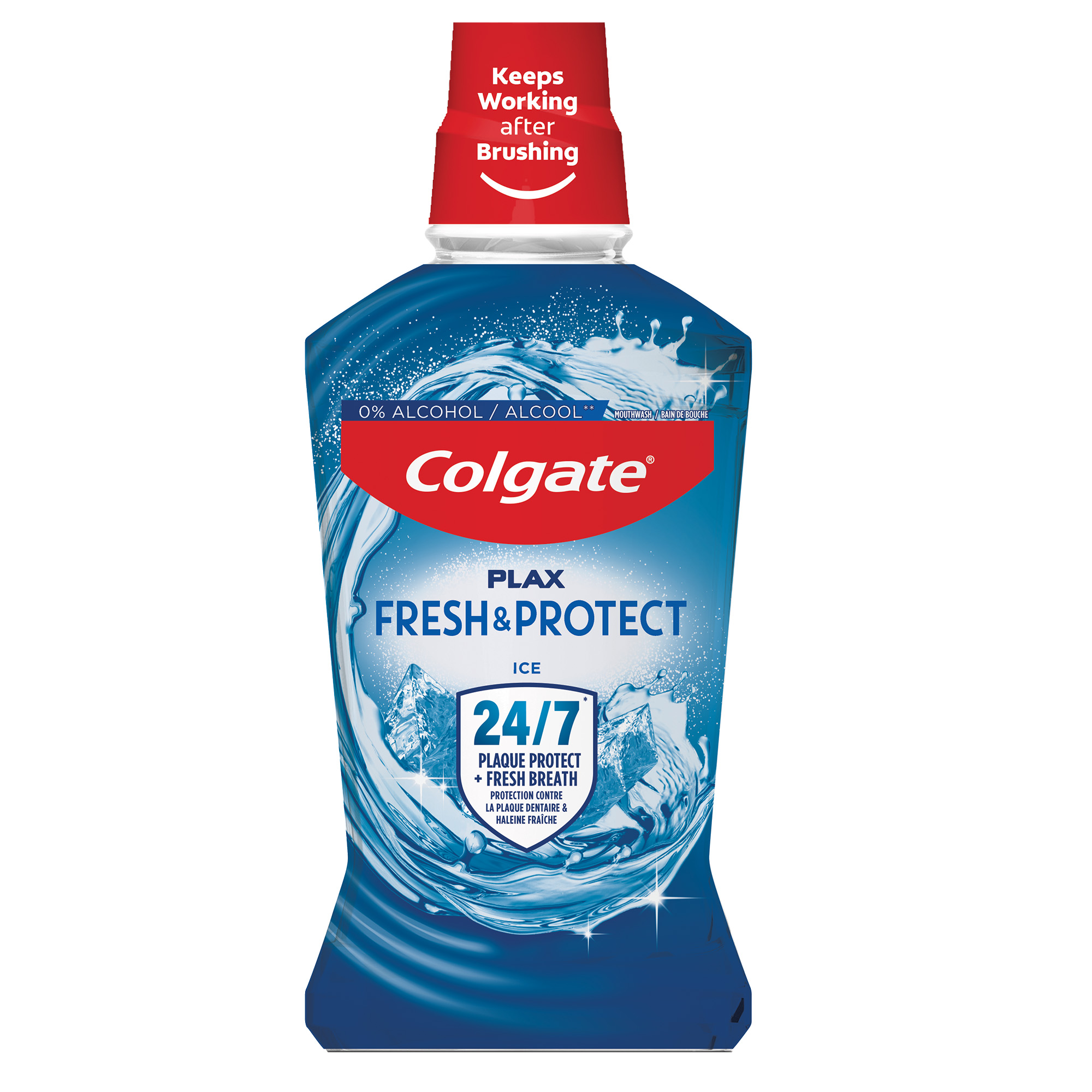
Mouthwashes and sprays tested include certain formulas with 0.075% CPC, 1.5% hydrogen peroxide, 0.12% chlorhexidine, or stannous fluoride/amine fluoride.
Formulas tested were: (1) 1.5% hydrogen peroxide, (2) 0.12% chlorhexidine, and (3) 0.075% CPC plus 0.28% zinc.
To “neutralize the virus” means the virus is present but not infectious and can no longer multiply in the host.
Current research suggests that the tested oral care products disrupt the viral envelope to dissolve it. Losing or damaging this outer coating will prevent the virus from attaching to cells and infecting them.
Oral care should be part of your daily personal hygiene routine, and you should continue to wear masks, practice social distancing, and wash your hands to help prevent virus transmission. There is currently no evidence that brushing or rinsing prevents, treats, or cures COVID-19, or alleviates its symptoms. Additional studies are necessary to determine whether lowering the amount of virus in saliva, which can be transmitted through talking, singing, or coughing, might help reduce the risk of transmission to others. Regular brushing and rinsing is key to maintaining good oral health. We have planned additional studies to evaluate how brushing and rinsing affect the amount of virus in your mouth.
Laboratory testing is designed to show whether the test products can neutralize the SARS-CoV-2 virus. Colgate-Palmolive is conducting additional clinical research to determine whether similar results occur in the mouth to help neutralize and temporarily lower virus levels.
We did not test competitor products.
Yes. The World Health Organization (WHO) and the United States Centers for Disease Control and Prevention (CDC) recommend everyone wear face masks to reduce the transmission of COVID-19. Continue to follow guidelines that help prevent the contraction and spread of COVID-19, such as wearing a mask, social distancing, and washing your hands.
No, brushing your teeth or rinsing with mouthwash will not have any impact on your antibodies.
We have conducted laboratory studies of select toothpaste formulas with zinc, stannous fluoride, or amine fluoride to determine whether they neutralize the virus that causes COVID-19. We do not have any data on other toothpastes which do not contain these ingredients.
While our SARS-CoV-2 laboratory results are encouraging, we cannot say whether these effects will also occur in the mouth without conducting a clinical study. Our clinical program is currently testing COVID-19 positive subjects to understand if brushing with certain toothpaste formulas will temporarily reduce the amount of virus in their mouths.
We are doing more research to determine whether the virus’s neutralization in laboratory tests will also occur in the mouth.
We have conducted laboratory studies of select mouthwash/mouth spray formulas with 0.075% CPC, 1.5% hydrogen peroxide, 0.12% chlorhexidine, or stannous fluoride/amine fluoride to determine whether they neutralize the virus that causes COVID-19. We do not have any data on other mouthwashes or mouth sprays which do not contain these ingredients.
We conducted initial testing of formulas with (1) 1.5% hydrogen peroxide, (2) 0.12% chlorhexidine, and (3) 0.075% CPC plus 0.28% zinc, and are pleased to report their effectiveness in temporarily reducing the amount of virus in the mouth. We did not test other products.
The laboratory study was not designed to compare the effectiveness between products. It is used to screen products’ ability to neutralize the SARS-CoV-2 virus.
Laboratory tests showed that in either 30 or 60 seconds of contact time, certain mouth rinses, including those with cetylpyridinium chloride, neutralized the virus that causes COVID-19 by 99.9%. We conducted an initial clinical study to determine whether this neutralization effect translates into a temporary reduction of the virus in the mouth and confirmed that, for those mouth rinses tested, it does. Study results from an initial clinical study conducted on select mouthwash formulas show that rinsing as directed provides an immediate impact, significantly reducing virus levels in the mouth. These reduced virus levels are sustained up to 30 and 60 minutes after rinsing, though levels are lowest immediately after rinsing.
While an initial clinical study shows a significant temporary reduction of virus levels in the mouth using certain mouthwashes — which is sustained up to 60 minutes after rinsing — no evidence currently exists that rinsing with a mouthwash or using a mouth spray protects against contracting or transmitting COVID-19. Rinsing regularly, however, plays an important role in maintaining good oral health. Dental professionals recommend using mouthwash as a part of a daily oral care regimen.