Receding Gums: Causes, Treatment & How to Prevent Gum Recession
minute read

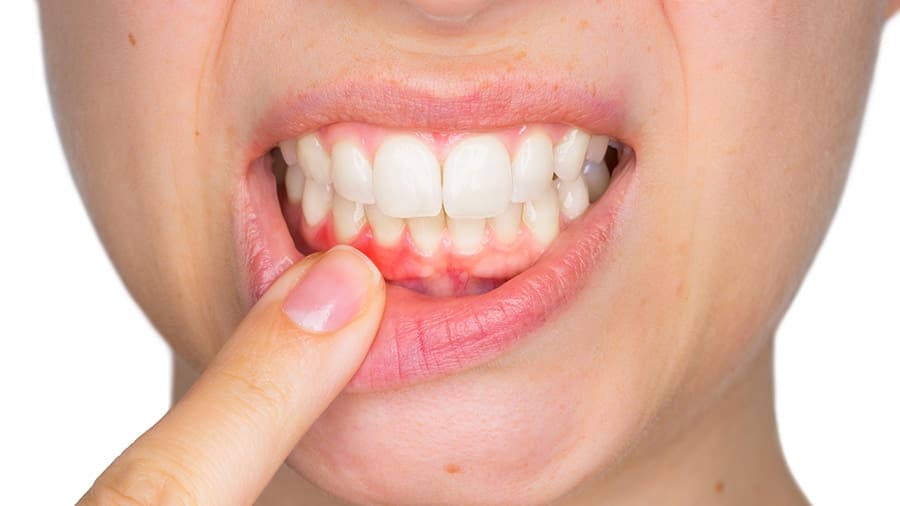

Imagine you are looking at your teeth in the mirror, and they appear longer than before. It may be a sign of gum recession. It is an oral care issue where the edge of your gumline (gingival margin) slowly pulls away from the teeth, exposing the tooth and its root surfaces. Receding gums may develop without causing discomfort in the early stages and are easily overlooked. Early detection and treatment can stop it from leading to problems like sensitivity and tooth decay.
Continue reading to learn how receding gums differ from healthy gum tissues and the symptoms you should watch out for. Discover the common causes of gum recession, treatment options, and preventive tips for maintaining a healthy, beautiful smile.
Normal, healthy gums are pink, firm and fit snugly around your teeth, covering the tooth roots. However, gum recession (gingival recession) changes the appearance of your teeth. It creates a groove or notch at the gumline. Below are the key differences between receding and healthy gums:
Look firm and light pink
Fit properly around each tooth, sealing the root surfaces
Do not bleed when brushing or flossing
Not sensitive to hot, cold or sweet foods
Pull away from teeth, making them appear longer
Exposes tooth roots and creates pockets between the teeth and gums
May appear sore, red or swollen
Bleeds easily when you brush or floss
Sensitive to temperature changes, and hot, cold or sweet foods
Knowing the signs of receding gums helps you act on time to protect your gums for a healthy smile. Gum recession develops slowly, and symptoms can vary based on the underlying cause. Below are the common symptoms look for:
Elongated Teeth: As the gingival margin pulls away, more parts of the teeth become exposed. This makes teeth appear longer than usual.
Exposed Tooth Roots: This is a clear sign of gumline recession. The receding gum tissues expose the tooth root surfaces, resulting in yellow or darker areas near the gumline.
Sensitive Teeth: The exposed roots lack the protective shield of gum tissues (gingiva). This triggers a sudden, sharp pain when exposed to hot, cold, or sweet foods.
Swelling or Redness: Receding gums linked to gum infection often look red and swollen.
Bleeding Gums: Gums may bleed easily when you brush or floss.
Pain or Discomfort: Soreness, pain or tenderness near the receding gumline.
Loose Teeth: Severe gingival recession can make teeth less stable, causing tooth mobility.
Bad Breath: Receding gumline creates gaps or pockets that promote harmful, odour-causing bacteria. This results in a persistent bad smell in the breath.
Tooth Root Decay: Gum recession exposes the tooth roots to bacteria and acids that erode the tooth enamel. This leads to tooth decay at the root surface near the gumline.
Your gums can recede for various reasons. These include poor oral hygiene, plaque and tartar buildup along the gumline, incorrect oral care habits, genetics or trauma. Some are manageable, while others may be out of your control. Knowing the common causes of receding gums helps you take preventive measures to protect your gum health.
The following factors can trigger gumline recession.
Poor Oral Health: Poor oral care allows too much plaque and tartar (hardened plaque) to build up between your teeth and gums. Bacteria in these deposits can irritate and inflame your gums, leading to gum recession.
Periodontal Disease: An untreated gingivitis (gum infection) can develop into a severe form of gum disease. It makes the gums recede and deepens the gum pockets.
Aggressive Brushing and Flossing: Rough brushing and over-flossing can damage teeth and gums.
Trauma: A hard blow or significant trauma to your gums or teeth surrounding it could cause the gums to recede.
Genetics: The genetic makeup you inherit from your parents could be influencing your gingival recession.
Abnormal Tooth Positioning: Misaligned teeth or bite can also lead to gum recession.
Teeth Grinding and Clenching: Grinding or clenching your teeth, also known as bruxism, usually occurs while sleeping. It can lead to gumline recession and tooth sensitivity.
Tobacco Use: Smoking and other tobacco products are directly linked to plaque build-up and gingival recession.
Other factors that contribute to gum problems include improper orthodontic treatment, such as ill-fitting dentures or veneers, and hormonal changes during pregnancy or menopause.
Receding gums require professional dental care. They cannot heal on their own. A dentist or periodontist can diagnose the cause and suggest the right solution. Timely treatment can stop the problem from getting worse and protect your smile. The treatment plan can vary based on the cause and severity of the issue.
Typically, a gum recession treatment may include:
Deep Cleaning: Often used for treating advanced gum disease. It involves procedures, such as scaling and root planing, performed under local anaesthesia. Unlike regular dental cleaning, deep cleaning reaches deep below the gumline to remove plaque and tartar deposits. This is followed by smoothing out the tooth roots to help the gums heal and reattach to the teeth.
Gum Grafting: It is a surgical procedure. A tiny amount of healthy tissue from another part of your mouth, such as the palate, is taken and placed over the exposed roots. Gum graft surgery protects the tooth roots and improves the appearance of your teeth. Recovery may take up to a week. You may be told to avoid hard foods and brushing near the grafted area for some days.
Gum Contouring: This treatment helps reshape the gumline. The periodontist will construct a newer, straighter gumline using a laser or scalpel. It results in a smoother and healthier gumline, which is easy to clean.
Regeneration Therapy: Helps treat severe periodontal disease that damages deeper gum tissues and causes bone loss. Regeneration therapy adds special membranes and bone grafts to regenerate the lost bone. The gums are stitched back to fit around the teeth. This gum recession treatment helps stop further damage and prevent tooth loss.
No, once receded, the gums cannot grow back naturally. Luckily, it is possible to stop further damage with prompt care. When considering how to stop receding gums, consulting a dental professional is essential. Addressing the root cause and getting the right treatment is key to restoring your gum health. Supporting it with good oral hygiene habits is important.
While there are several ways to treat gum recession, preventing it is easy with proactive care. Receding gums prevention boils down to good oral hygiene. From daily brushing to regular dental checkups, simple habits can go a long way in keeping your gums healthy.
When considering how to prevent receding gums, gentle and consistent oral care habits are key. These include:
Brushing: Brush your teeth twice a day. It removes plaque from teeth and the gumline before it builds up and hardens to tartar. Using gentle and proper brushing techniques and a soft-bristled toothbrush can help avoid damage to the gum tissues.
Flossing: Cleaning the spaces between your teeth and under the gumline is important. Flossing removes plaque hiding in these areas. Make sure to floss gently and correctly; avoid overdoing it.
Rinsing: Rinse thoroughly with water after every snack or meal. It removes food particles and plaque before they accumulate on teeth and the gumline. An alcohol-free antibacterial mouthwash can help control harmful bacteria.
Using Fluoride Toothpaste: Dentists recommend the use of fluoride to support good oral health. Toothpastes containing sodium fluoride or stannous fluoride can help protect the enamel and prevent tooth decay.
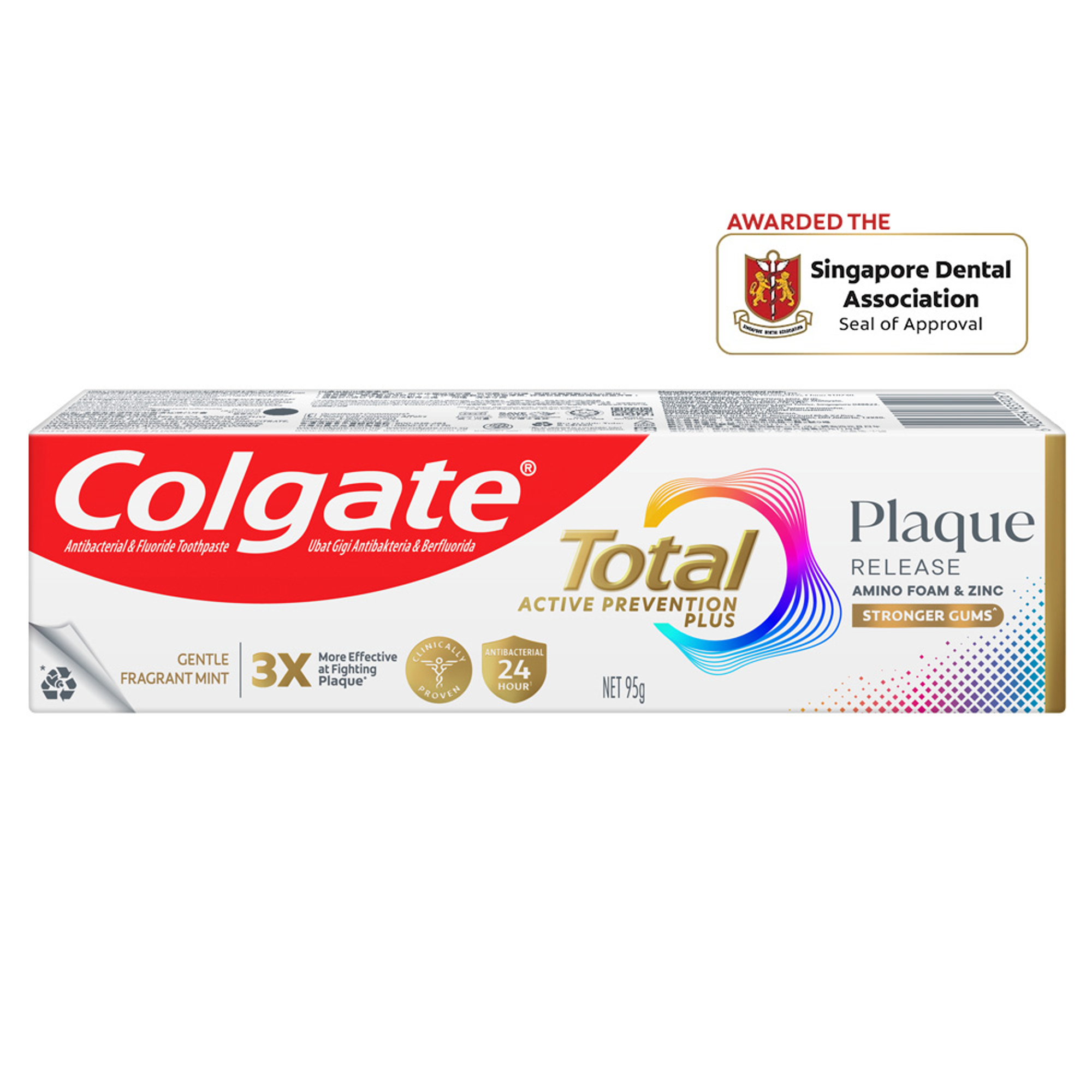
A plaque-control toothpaste with fluoride can help prevent gumline recession. For example, consider the Colgate Total Plaque Release Gentle Fragrant Mint Toothpaste. It contains Zinc Mineral and Amino Foam. The formula is three times more effective at fighting bacterial plaque**, which can help prevent gum problems.
Getting Regular Dental Checkups: Essential for good oral hygiene. Professional cleanings remove tartar and plaque missed by your oral care routine. Besides, regular checkup helps detect early signs of gum infections before they progress into gum disease.
Choosing a Healthy Diet and Lifestyle: Adopt a balanced diet that supports healthy teeth and gums. Limit sugary foods that promote plaque and bacteria. Stay hydrated to support a healthy oral environment. Quit smoking and tobacco use.
Gum recession is not reversible but treatable and preventable with good oral care. Knowing the common causes helps you take proactive care of your gums. If you notice any symptoms of receding gums, consult a dentist for proper treatment. Good oral care habits and regular dental visits can protect your gum health and beautiful smile for the long term.
**vs. non anti-bacterial toothpaste after 3 month of product use
Yes, brushing too hard can damage the soft gum tissues and make them pull away from the teeth over time.
Yes, receding gums create deeper gaps or pockets at the gumline. They trap harmful bacteria responsible for bad odour in the breath.
Early signs of receding gums include elongated teeth, a visible notch at the gumline and tooth sensitivity.