Sore Gums: Common Causes and Relief Strategies
minute read

Having sore and swollen gums is something everyone wants to avoid. Not only is it uncomfortable, but it also indicates a possible oral care issue that requires attention. Many people ignore sore gums at first. Even if there may be nothing to panic about, taking prompt care of your tender, swollen or bleeding gums is important to prevent further complications.
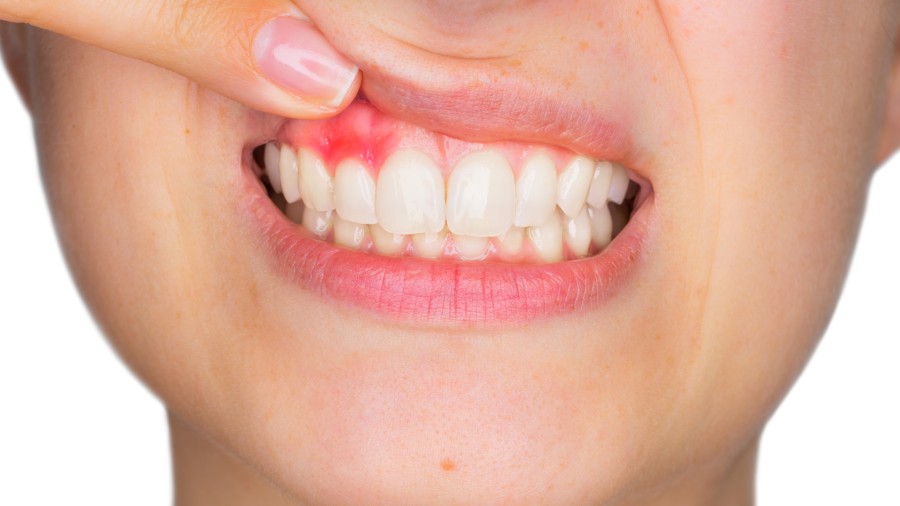
Healthy gums are pink, firm and snugly fit around your teeth. Whereas soreness in the gums shows clear symptoms. Soreness in the gums may be felt in your entire mouth or localised near a tooth. Gum pain may persist or come and go. One or more of the following signs are likely:
Tenderness: Your gums feel soft and tender and hurt when touched.
Pain when brushing or chewing: Brushing your teeth or chewing food may be painful and uncomfortable. The pain can vary from a dull ache to a throbbing pain.
Bleeding: Your gums bleed easily, especially while brushing, flossing or chewing on hard foods.
Swelling: Gums can look inflamed, puffy, and unusually thick.
Redness: Sore and inflamed gums often look dark or red.
Sensitivity: You may feel a sudden, sharp pain in the gums when exposed to hot or cold foods.
Read on to learn the common sore gums causes and the reasons not to ignore them. Discover at-home remedies and treatment options. Learn simple habits that can go a long way in protecting your gum health.
Your gums can become sore or swollen for several reasons. They range from trapped food particles or ill-fitting dentures to poor oral hygiene and underlying gum disease. Some causes are mild and manageable, while others require professional dental care. Identifying the root cause is crucial to finding an effective cure for your sore gums.
Lack of proper oral care habits is the most common cause of gum problems. Without regular brushing, flossing and rinsing, plaque, a sticky film of germs and food debris, builds up on your teeth and gumline. If not cleaned daily, it hardens to tartar, which requires professional dental cleaning. Untreated plaque and tartar irritate your gums, making them sore and swollen over time.
One of the common sore gums causes that needs immediate attention, gum disease is often a result of poor oral hygiene and plaque buildup along the gumline. Bacteria in the plaque irritate and infect the gums, making them sore, inflamed and bleed easily when you brush or floss, an early stage of gum disease called gingivitis.
Left untreated, gingivitis can progress into a more severe form of gum disease called periodontitis. It makes the gums pull away from the teeth. You may also notice bad breath. Periodontitis can damage deeper tissues and supporting bones, leading to loose teeth or tooth loss.
Some people ask, “Why are my gums sore despite maintaining good oral hygiene?” The reason may be related to your oral care techniques or products. Brushing too hard can cause gum injury. It can cause pain, swelling, tenderness and bleeding in healthy gums. Switching from a soft-bristled toothbrush to a hard-bristled brush can also make your gums prone to injury and bleeding.
Hormonal changes during puberty, pregnancy or menopause can make your gums weak and more sensitive. It can result in soreness or bleeding in the gums despite good oral care.
Sometimes, the cause of gum problems can be a nutritional deficiency. Low Vitamin C can result in weak, sore and bleeding gums. Knowing this sore gums vitamin deficiency link helps you choose a balanced diet that supports your oral health.
Tobacco use or smoking can lead to various oral care problems, including swollen and sore gums. These habits promote plaque and tartar buildup along the gumline and reduce blood flow to the gums. As a result, the gum tissues become irritated and sore, and healing slows down, worsening gum problems over time.
Some medicines, such as blood thinners, can affect how your blood clots. This can make your gums bleed easily. Tell your dentist about the medications you take in order to find a solution to manage possible side effects.
Sore gums may seem easy to overlook. However, leaving them unaddressed may lead to serious dental health issues later. Swollen or sore gums after brushing or flossing can be the warning sign of an underlying issue. Having your gums checked by a dentist is vital to protect your smile. Addressing soreness and other possible symptoms of gum disease can help prevent various complications linked to it, including:
Receding Gums: As gingivitis progresses, your gums slowly pull away from teeth. This can make your teeth appear longer than usual.
Periodontal Disease: If your sore, inflamed gums are caused by gingivitis, ignoring them allows the gum infection to progress. It can damage deeper gum tissues and the supporting structures, a severe form of gum disease called periodontitis.
Deeper Gum Pockets: Untreated gum disease deepens the gap between your teeth and gums. These periodontal pockets collect bacteria, which can worsen the infection. As a result, they become filled with pus, causing painful abscesses.
Loose Teeth and Tooth Loss: Periodontitis damages the soft tissues and supporting bones that hold your teeth in place. This can make your teeth loose and easily shift positions. This can result in visible gaps between teeth, improper bite and even lead to tooth loss.
Risk of Infection: People often ask, “Can mouth sores get infected?” Yes, gum problems can promote bacterial infection, especially if you ignore timely treatment and good oral hygiene. It can worsen canker sores and mouth ulcers. The infection may spread or enter the bloodstream.
Pain and Sensitivity: Untreated soreness and swelling can make your gums sensitive to hot or cold foods and cause dull or sharp gum pain. Though different from the causes of sensitive teeth, gum sensitivity can make eating and drinking uncomfortable.
Sore gums can make eating and drinking difficult. However, there are several ways to manage it and keep your gums healthy. While only a dental professional can help with an effective cure for gum problems, you can find temporary relief until a dental checkup. It is vital to note that not all home remedies are safe or scientific. So, it is vital to approach them with caution.
Below are some simple tips to manage your sore, inflamed gums until a dental visit and prevent the problem from worsening.
Rinse with Warm Salt Water: A classic sore gums remedy that many people consider. A teaspoon of salt is mixed into a cup of warm water to prepare a rinse. Swishing it in your mouth for a few seconds before spitting it out can help soothe the gums and control bacteria temporarily.
Cold Compress: Applying a cold compress or ice pack on your outer cheek may help soothe your swollen, bleeding gums temporarily. The cold numbs the affected area and reduces blood flow, helping relieve pain and discomfort for a while.
Brush: Brushing your teeth twice daily is important to remove plaque before it hardens to tartar, which only a dentist can remove. Dentists recommend using a soft-bristled toothbrush and fluoride toothpaste.
An antibacterial fluoride toothpaste like Colgate Total Active Prevention can protect your mouth against bacteria, plaque buildup and gum problems. It offers 24-hour antibacterial action*, which can help prevent oral care problems like gingivitis and tooth decay before they start.
Floss: Cleaning between your teeth and along the gumline is just as important. Flossing once daily helps remove plaque hiding in these areas. You may use a dental floss, a water flosser or an interdental toothbrush.
Use a Mouthwash: A mild mouthwash with antibacterial properties can help. A daily rinse not only washes away food particles and germs, but it also keeps your breath fresh. Choose a dentist-recommended non-alcoholic formula to soothe your sore gums.
Watch Your Diet: Avoid hard or spicy foods that may irritate your gums. Choose a healthy diet rich in nutrients, such as vitamins. Cut down on sugary foods and drinks as they promote harmful bacteria and plaque. Stay hydrated to maintain adequate saliva flow for a healthy mouth.
Quit Tobacco: Quit smoking and tobacco use, as these habits can only worsen oral care problems.
A sore gums remedy offers only temporary relief. An effective cure for sore, bleeding or swollen gums requires professional dental care. So, if you notice sore or bleeding gums when brushing, book an appointment with your dentist. It helps diagnose the underlying cause, and may involve the use of X-rays. Based on the cause, the dentist recommends the right treatment for you.
Typical treatment for sore gums may include one or more of the following:
Regular Dental Cleaning: It removes plaque and tartar from teeth and the gumline and often suffices for mild issues like gingivitis.
Deep Cleaning: It involves cleaning deep below the gumline and smoothing out the tooth root surfaces to help the gums reattach to teeth. It is often suggested for advanced gum disease.
Medication: Dentists may prescribe over-the-counter pain relief medicines and gels to soothe the gums and reduce the infection.
Additionally, a dental visit every six months is essential to maintain good oral hygiene. Regular checkups and cleanings help keep your teeth and gums healthy and address oral care problems before they worsen.
Sore gums often imply that your gums require proper care. While it is easy to overlook, a timely intervention can prevent serious gum problems. So, if you notice sore, swollen or bleeding gums, consult a dentist for proper treatment. Good oral care habits, regular dental checkups, and a healthy diet and lifestyle go a long way in supporting healthy gums.
*2x daily brushing with 4 weeks continued use
Soreness caused by mild issues like food particles stuck in the gumline may be manageable and heal on their own. However, persistent soreness, swelling or bleeding of the gums requires a dental checkup for effective treatment.
Yes, the discomfort from sore gums may feel like a toothache. As nerves in the tooth roots and the gums are closely connected, the pain may radiate. Consulting a dentist is vital for a proper diagnosis.
Sometimes soreness in the gums can be an early sign of gum disease or infection. If it persists or is accompanied by swelling or bleeding, consult a dental professional immediately.