

The Supervised Brushing Programme
Every child deserves the chance to have a healthier smile and brighter future, but unfortunately tooth decay is the number one reason children aged 5-9 are admitted to hospital in the UK.
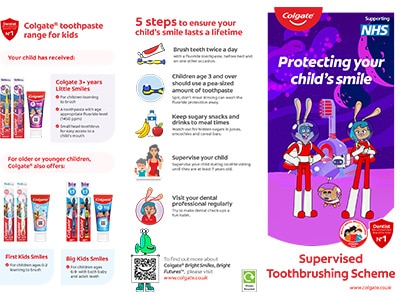
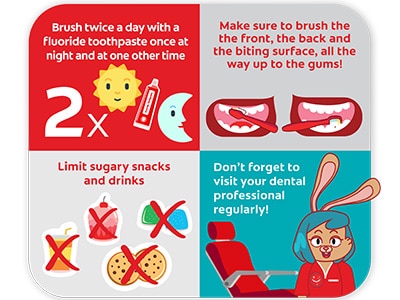
Tooth decay is almost entirely preventable. It mostly comes down to two minutes of brushing twice a day, with fluoride toothpaste, parental support and a good diet.
That’s why the Supervised Brushing Programme exists. Colgate and the NHS have partnered to deliver 23 million toothbrushes and toothpastes to children over five years, with 6 million delivered so far. Our aim is to support up to 600,000 children each year and we've made great progress already.
Proudly supported by Joe Wicks
This year Joe Wicks is supporting the Supervised Brushing Scheme, helping us to make two minutes, twice a day, second nature. Watch the video to learn more more #BrushWithUs.
Supervised Brushing Resources
Supervised Brushing Resources

Frequently asked questions
Tooth decay is the most common reason for 5-9 year old children to be admitted to hospital. Decayed teeth can cause pain, infection and problems with eating, sleeping, speaking, playing and learning. More than one in five 5-year-olds in England have tooth decay, and children in more disadvantaged communities are affected most. The good news is that regular brushing with fluoride toothpaste can help prevent dental decay.
Official figures for England show that tooth decay has been the most common reason for hospital admission among children aged 5 to 9 for a long time. These admissions are usually for dental treatment, often the removal of decayed teeth, that needs to take place in hospital. It does not mean that most children in this age group will be admitted to hospital. It highlights that preventable tooth decay still causes significant pain and treatment for some children and families.
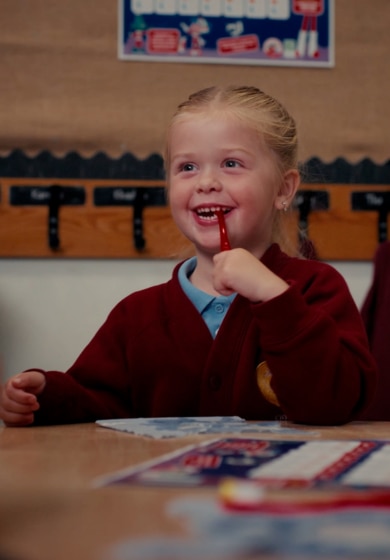
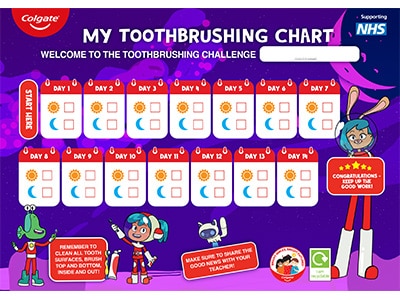
Children brush their own teeth together while trained staff supervise and help them build a positive daily habit. The national programme focuses on 3-5 year old children in the most deprived areas of England.
No. Children still need their teeth brushed twice every day at home, including last thing at night. The setting-based session gives extra protection and helps children practise a healthy routine.
Children living in more disadvantaged areas are more likely to experience tooth decay. Targeting support where need is greatest is intended to improve health and reduce unfair differences between communities. Participating settings use a whole-setting approach so individual children are not singled out.
No. The programme is voluntary. Parents and carers are given information by the participating setting and can choose whether their child takes part.
