How to use clove oil for toothache
min read


Clove oil contains the active ingredient eugenol, which is a natural anaesthetic and antibacterial agent. It also works well at reducing swelling and inflammation in the mouth. In fact, a study by the British Association of Oral and Maxillofacial Surgeons showed that eugenol is much more effective than using another analgesic and doing nothing else. Researchers examined the symptoms of 270 patients who had a tooth extracted, and found that patients who had received a eugenol-based paste suffered the least pain, inflammation and related after-effects.
You can buy clove oil as a home remedy from most supermarkets, health food shops and chemists. Sometimes the product is called "oil of cloves”. Keep in mind that clove oil has an unpleasant taste and can have unwanted side effects if swallowed, so it should only be used for adults and older children who aren't likely to ingest it by mistake. For younger children, it’s safer to use an over-the-counter preparation that contains clove oil as the active ingredient.
If you’re suffering from tooth pain, here’s how to use clove oil for toothache. You’ll need a bottle of clove oil, a cotton bud or swab and a small dish of carrier oil like coconut, almond or olive oil.
To start, squeeze a few drops of clove oil into the dish with the carrier oil and mix the two together.
Briefly dip the cotton bud into the oil mixture so that it soaks up just a few drops.
Gently wipe the oil over your gums at the point of pain; it should start working in around 5-10 minutes.
Reapply the oil every 2-3 hours for relief.
You can use a whole clove if you don't have any clove oil handy. Place the clove on the affected area and leave it there for around 30 minutes.
As clove oil is a natural remedy, you can also take an over-the-counter pain relief medication such as ibuprofen or paracetamol*.
Even though clove is a spice that is commonly used in foods, it has an unpleasant taste and shouldn’t be swallowed in large quantities. Ingesting even two teaspoons of clove oil can lead to side effects, including breathing problems, a burning nose and throat or an upset stomach.
When used for pain relief, there is insufficient research to confirm the recommended dose of clove oil, so use a small amount and be aware of any adverse reactions. Like most things, you should take precautions when using clove oil for teeth for the first time, as it can sometimes cause gum irritation or damage.
You may be experiencing a toothache for many different reasons, and if this is an ongoing problem, you should make an appointment to see your dentist as soon as possible. A toothache is usually a sign of an underlying dental problem. But, until you can get to the dentist, you can try these home remedies that can act as an alternative to clove oil for teeth.
Peppermint oil – can be diluted and used in the same way as clove oil for tooth pain. The menthol found in peppermint oil can act as a pain reliever. A moist peppermint teabag applied to the area may also help.
Salt water rinse – rinsing your mouth with salt and warm water can help to reduce inflammation and pain, and also helps to kill bacteria.
Brush your teeth – practising good oral hygiene is always the best way to keep your mouth healthy. Toothache can sometimes be caused by something as simple as a food particle trapped between your teeth; this can be remedied by brushing, flossing and using a fluoride mouthwash.
Over-the-counter medications – taking paracetamol or ibuprofen can help relieve the pain and inflammation associated with a toothache. Always follow the directions on the packaging*.
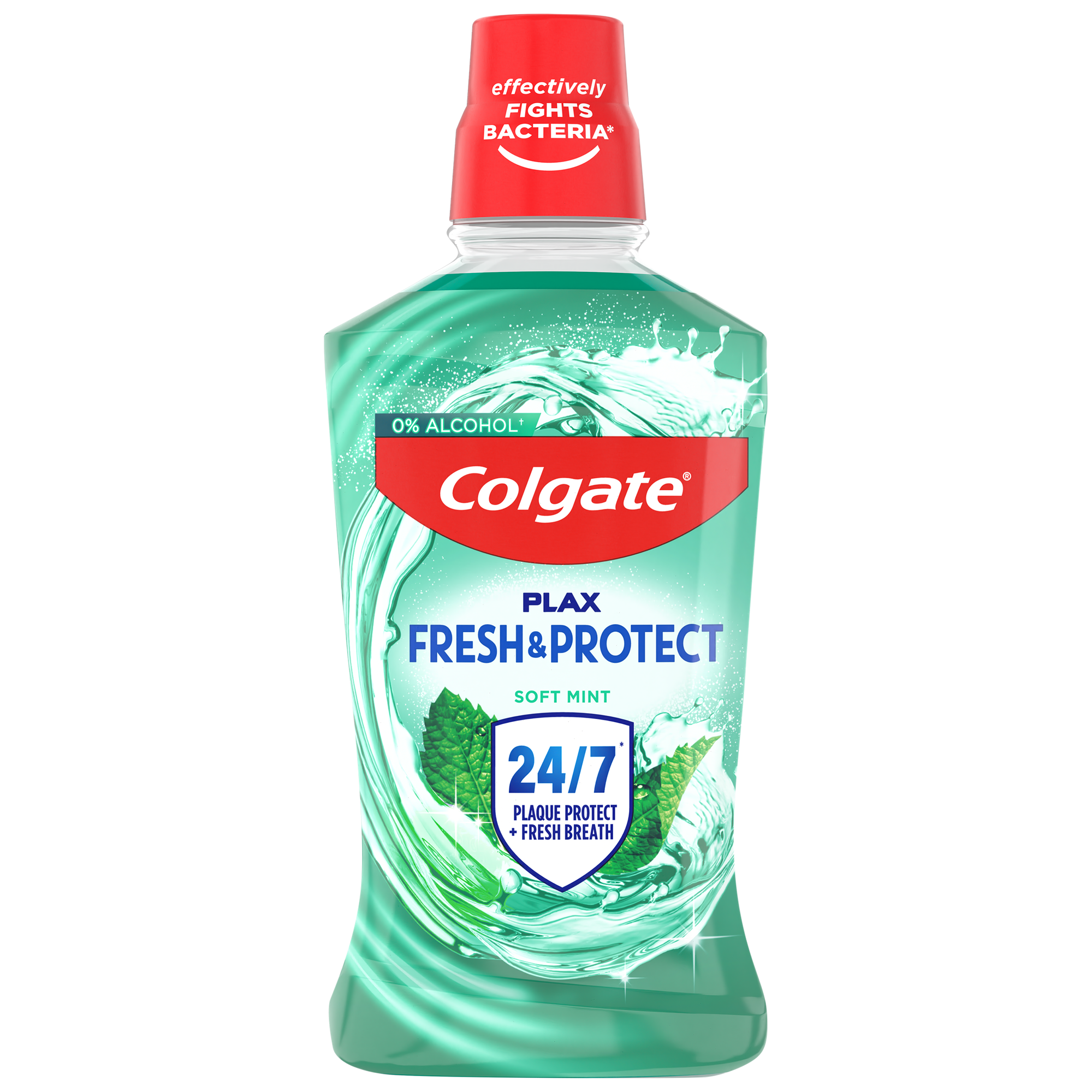
Antiseptic mouthwash – rinsing your mouth with an antiseptic mouthwash like chlorhexidine can provide temporary relief from a toothache and remove bacteria. Some mouthwashes contain a mild anaesthetic that can help with numbing the area.
Clove oil can help to reduce pain and swelling when you have toothache, but tooth decay is a systemic issue that requires proper treatment, and therefore, clove oil won’t get to the root of the problem. After applying clove oil, you may feel better, but the oil is only masking the symptoms of your problem, and you should visit a dentist as soon as you can. Toothaches are usually caused by tooth decay, and the longer you delay before seeing a dentist, the worse the decay can become.
Once your dentist determines the cause of the toothache and fixes the problem, you can reduce the risk of dental pain returning by brushing with a remineralising toothpaste to strengthen your tooth enamel. Flossing between your teeth once a day will also reach areas that your toothbrush can’t.
A bottle of clove oil is a convenient home remedy to keep in your bathroom cabinet or shelf where children can’t access it. Used in small amounts, it's safe and effective at relieving dental pain. But for long-term relief, always see your dentist as the expert to treat your toothache.
Here are the answers to some commonly asked questions about how to use clove oil for toothache:
Using clove oil for tooth pain may help to relieve your symptoms within 5-10 minutes of using it. How long you feel relief for will depend on the person, along with the cause and severity of the toothache. Luckily, as it’s a natural remedy, you can repeat the application every 2-3 hours.
You can use clove oil on your gums in the same way you would for a toothache. Be aware that improper or overuse can result in gum irritation or burns; it also has an unpleasant taste, so use it sparingly, especially if you’re not used to it.
Ingesting as little as two teaspoons of clove oil can be highly toxic. Swallowing it can cause serious problems like liver damage or narrowing of the oesophagus. Some people may also experience allergic reactions to clove oil; this reaction can range from mild itching or swelling to anaphylaxis. Always apply clove oil using a cotton bud to prevent using too much. If you experience any negative side effects, stop using it immediately.
ORAL HEALTH QUIZ
Take our Oral Health assessment to get the most from your oral care routine
ORAL HEALTH QUIZ
Take our Oral Health assessment to get the most from your oral care routine