Receding gums: causes, treatment and prevention
09 February 2024
min read


Gum recession happens when your gums pull away from your teeth and expose the root underneath. One of the first symptoms of gum recession you may notice is sensitivity when your teeth are exposed to hot or cold foods or drinks. You may also notice your teeth look a bit longer or be able to feel the ridge of your tooth that’s normally covered by your gumline. Gum recession is a common problem, but it can also be a sign of gum disease.
Gum recession is most common in people over the age of 65. In fact, over 88% of people over 65 have gum recession on at least one tooth. However, you can get it at any age if it’s caused by these factors:
Brushing your teeth aggressively or using a hard-bristled toothbrush
Wearing braces
Having gum disease or periodontitis
Having a lip or tongue piercing
Using chewing tobacco
If you have receding gums, you may be able to see or feel that your tooth roots are exposed. Here are some of the other common symptoms:
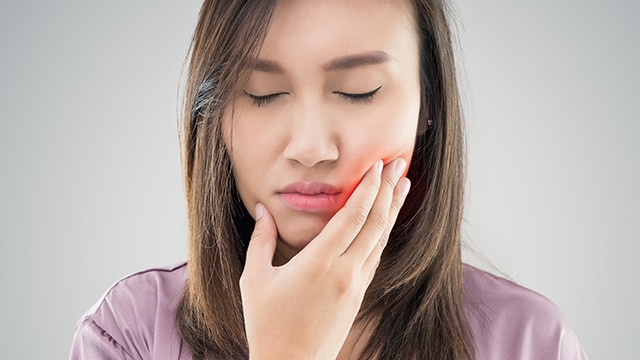
Pain or discomfort along your gumline, especially when eating or drinking something hot or cold.
Sensitivity to hot, cold, sweet or acidic foods and drinks.
Sensitivity when brushing or flossing your teeth.
Sensitivity when you have your teeth professionally cleaned at the dentist.
If left untreated, gum recession can cause your teeth to feel loose or wobbly and can even result in tooth loss.
So, what causes receding gums? Gum recession is often caused by diet and lifestyle habits, and your course of treatment will depend on the cause of the problem. Here are some of the most common causes of gum recession:
Poor oral health – If your oral health habits are questionable, gum recession may be a result of gum disease or periodontitis. Plaque bacteria buildup along the gumline causes your gums to become inflamed and pull away from your teeth. Gum disease is the most common reason for receding gums.
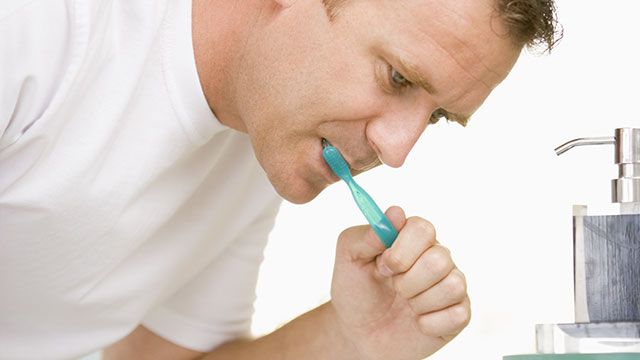
Overly aggressive brushing or flossing – It's great to be enthusiastic about oral care, but you should make sure that you're brushing gently, not scrubbing! Never use a toothbrush that isn't labelled "soft." Be gentle on your teeth and remember that taking care of them isn't supposed to hurt.
Genetics – Your gums are determined by your genetics, just as the rest of your body is. If one or both of your parents have gum recession, you're at a higher risk for receding gums.
Abnormal tooth positioning – If your teeth aren’t straight, you may be more likely to have gum recession.
Grinding your teeth, or bruxism – Do you often wake up with a headache? Does your spouse or partner complain that you grind your teeth? This habit can be the cause of many dental problems, not just gum recession, so let your dentist know right away if you think you’re grinding your teeth. Teeth grinding can be treated easily and painlessly with a mouth guard.
Trauma to the gum tissue – Your gum tissue may recede when a traumatic injury has occurred on a tooth or teeth.
If you’re only mildly affected by receding gums, that's great! Catching it early means that you likely won't require professional treatment to fix it. Your dentist will help you identify the cause and instruct you on how to address it. You may have to re-evaluate your flossing habits, get a mouth guard or buy a different toothbrush.
If you do need treatment, your dentist will work with a periodontist (gum specialist) to decide on the best course of action. Along with helping you change the oral health habits that caused the gum recession, your dentist will determine whether you would benefit from a special, deeper cleaning called scaling and root planing. This is often the solution when your gum recession is caused by periodontitis. You'll also receive a new toothbrush and instructions on how best to care for your mouth to help it recover.
Depending on the cause of your gum recession, you may need surgical treatment. This procedure will be done by your periodontist and is called a gum graft. Your periodontist can tell you more about this procedure and what to expect.
Taking care of your oral health is very important. Your mouth is a great indicator of your general wellness, and an oral problem can affect your whole body. Be gentle with your teeth and go to the dentist if you have any persistent discomfort.
Here are the answers to some commonly asked questions about how to prevent receding gums:
Yes, brushing your teeth too hard or “overbrushing” can cause toothbrush abrasion. This can wear down your tooth enamel and damage your gums, exposing your tooth roots. Loss of enamel can result in sensitive teeth and receding gums.
Gum disease is the number one cause of receding gums. Gum disease and gingivitis cause your gums to become inflamed due to plaque bacteria. If this bacteria is left on your teeth and along the gumline, your gums will start to recede.
Many people wonder, “Can you reverse receding gums?” The short answer is no. If your gums are damaged and receding due to gum disease or periodontitis, they can’t grow back. Even though this problem can’t be reversed, there are many things you can do to stop it from getting worse.
ORAL HEALTH QUIZ
Take our Oral Health assessment to get the most from your oral care routine
ORAL HEALTH QUIZ
Take our Oral Health assessment to get the most from your oral care routine