Treatment options for tooth sensitivity
min read


Tooth sensitivity occurs when the hard enamel on the outside of your teeth wears down. It may also be referred to as dentine hypersensitivity or enamel erosion. The soft dentine that lies underneath your tooth enamel contains microscopic canals called tubules, and when enamel wears away or becomes damaged, it leaves the dentine exposed to stimuli. The tubules, which allow fluid to flow through them, are affected by both hot and cold, causing the nerves in the tooth to become sensitive and experience pain. You may also experience sensitive teeth if your gums recede, leaving your tooth roots exposed.
The best way to find out why you have sensitive teeth is to have a dentist examine you. They can look for the signs of dentine exposure and determine what the true cause of the sensitivity is. Sometimes, tooth sensitivity is due to a cavity or gum disease – these can be treated to address the sensitivity. Other times, the cause of the sensitivity is that your enamel has been lost through abrasion or erosion, or your gums have receded, causing the roots to be exposed.
If you make an appointment to see your dentist about sensitive teeth, they may ask you some questions about the discomfort you’re feeling and when the pain occurs. Once they have more information, you can expect a visual examination and possibly an X-ray of your mouth. Your dentist may ask about:
The type of pain you’re experiencing, e.g. short, sharp, dull or constant
What triggers the pain or discomfort
Your oral hygiene habits
Your diet and lifestyle
If you have any medical conditions, like acid reflux, that could cause problems with your oral health
Your dentist can help you find the best dental sensitivity treatment, depending on the cause of the problem. Always seek a dental professional's help – don’t try to diagnose sensitive teeth yourself. Tooth sensitivity can be a sign of an underlying problem, and only a dentist can tell you what’s really going on. Here are some ways sensitive teeth may be treated at the dentist. There are also some tips for you to try at home that can help.
Fluoride treatment – Your dentist may offer a fluoride treatment as a first step to helping sensitive teeth. This treatment involves applying a high-strength fluoride paste or gel to the surface of your teeth to strengthen and remineralise your tooth enamel. It’s a quick and painless treatment that can make a difference to sensitive teeth. They may also give you fluoride products like a high-strength toothpaste to use at home.
Dental bonding – If your tooth sensitivity is due to gum recession, your dentist may suggest covering the exposed gumline area with composite bonding or a sealant. This method can also be used on the edges of teeth that are suffering from enamel erosion.
Fillings – If tooth decay is making you experience sensitive teeth, a filling will help restore your tooth to health.
Deep cleaning – A buildup of plaque and tartar can cause your teeth to feel more sensitive and can also lead to gum disease. Your dental hygienist can give your teeth a deep clean by carrying out a scale and polish that removes the hardened tartar on the surface of your teeth and along your gumline. This treatment can make a big difference to sensitive gums and teeth.
Gum graft – Again, if your tooth sensitivity is caused by gum recession, a gum graft may be a suitable treatment. The treatment involves taking a small amount of tissue from another area of your mouth (usually the roof) and using it to cover exposed tooth roots. This process is a little more invasive but effective.
If your tooth sensitivity is mild, you can often treat it at home with a few simple lifestyle changes and by improving your oral care routine. Here are some simple things to try:
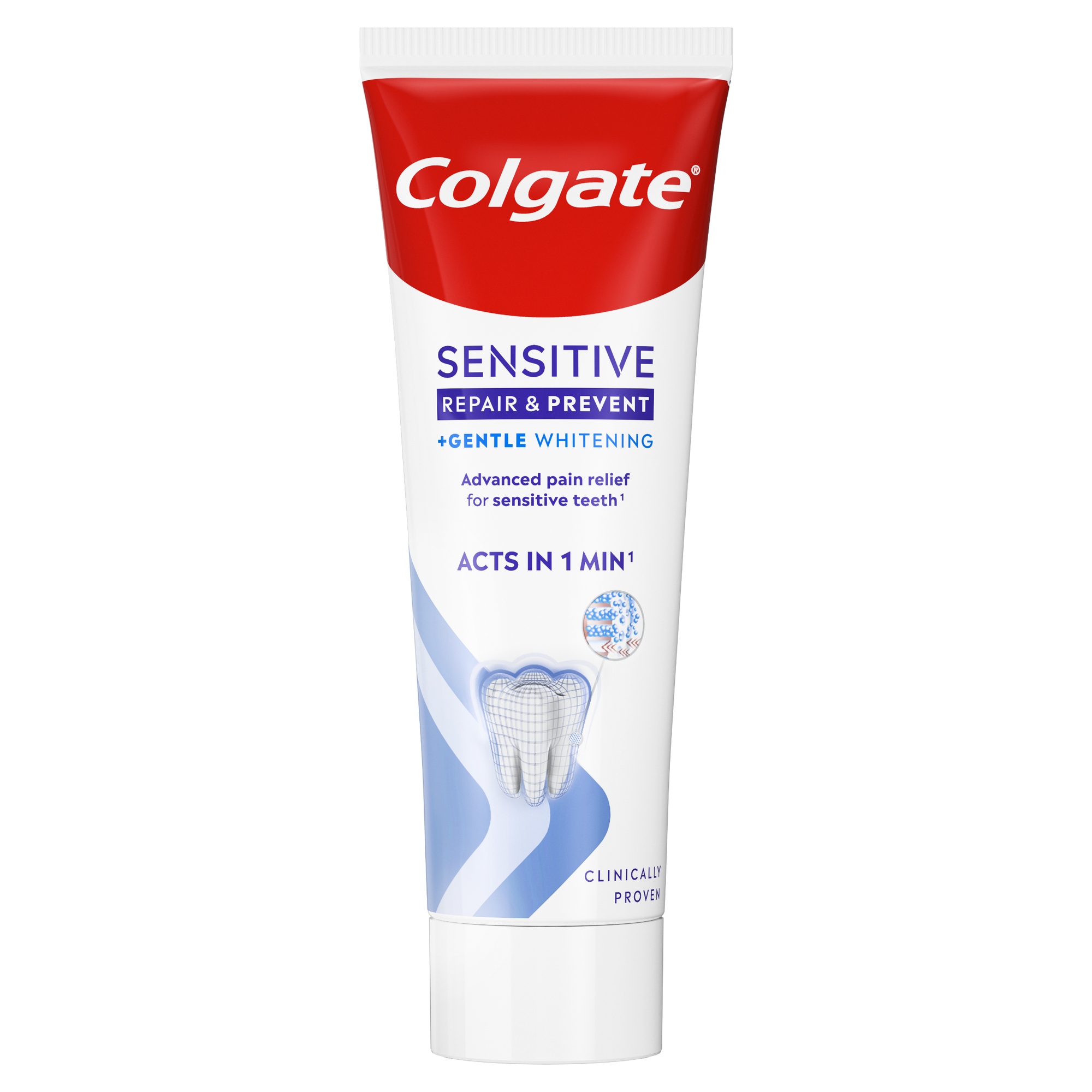
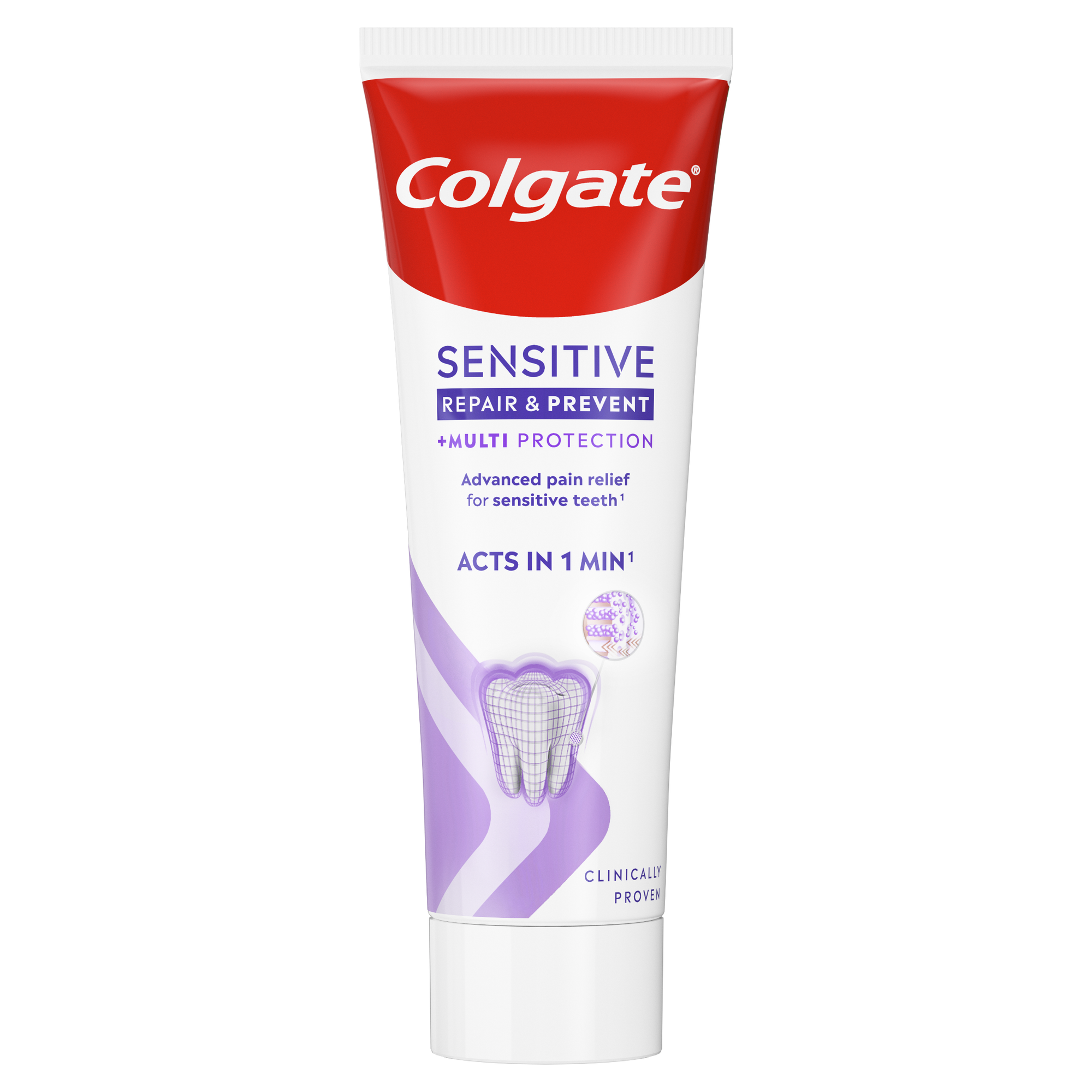
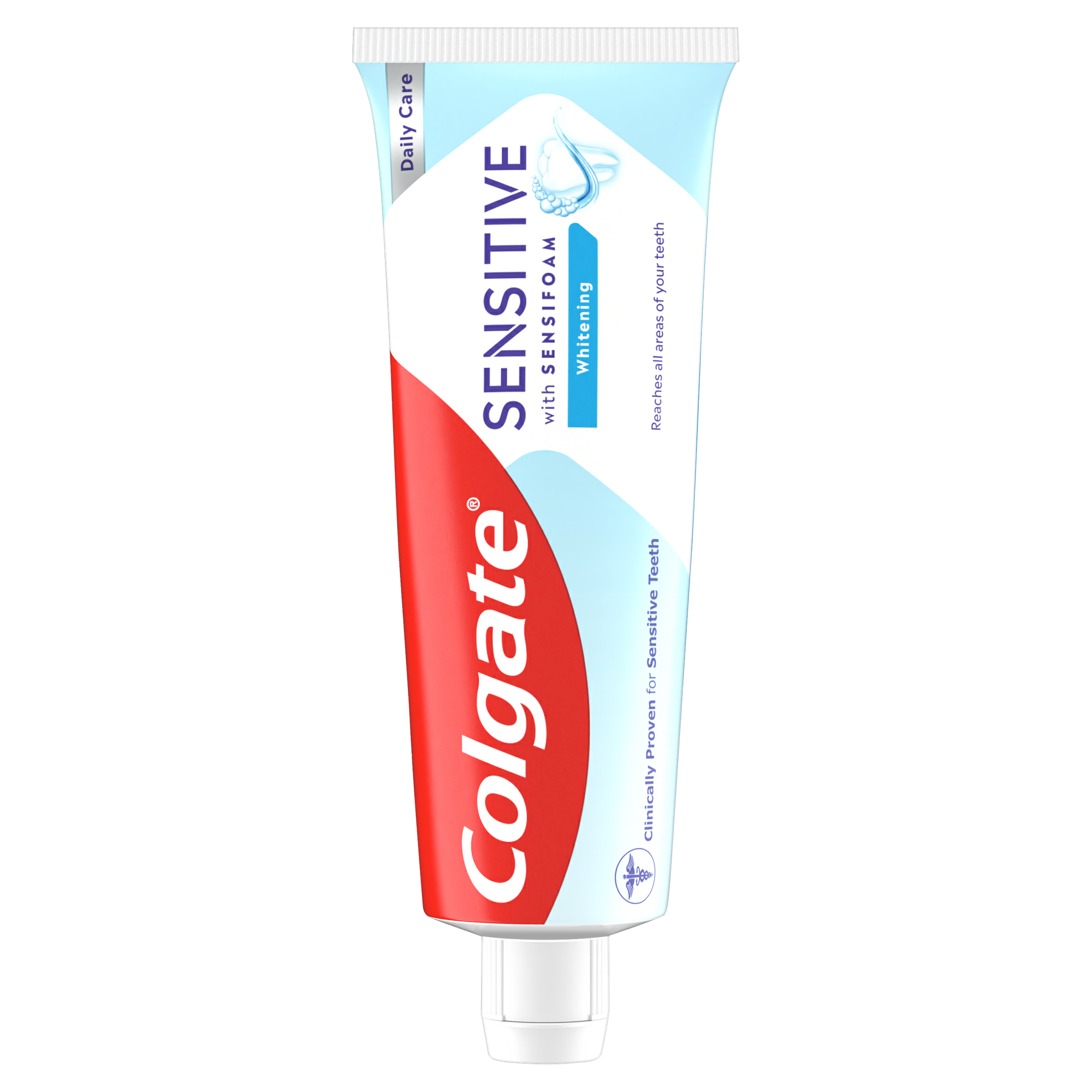
Use a toothpaste and mouthwash that’s made specifically for sensitive teeth. These products contain ingredients that work to block the pain from spreading to your tooth nerve. A sensitive toothpaste can also provide fast relief when massaged into the area of discomfort for one minute.
Switch to brushing your teeth with warm water instead of cold.
Switch to a soft-bristle toothbrush for sensitive teeth and use gentle circular motions when cleaning your teeth.
Avoid any foods or drinks that make your symptoms worse. This may include things like coffee, alcohol, fizzy drinks and sweets.
If you’ve tried treating sensitive teeth at home and are still experiencing discomfort after a few weeks, make an appointment to see your dentist. They can check if there are any underlying dental issues and suggest the best dental sensitivity treatment for you.
Here are the answers to some commonly asked questions about sensitive teeth and dental sensitivity treatment:
Sensitive teeth can be fixed, but treatment will depend on what’s causing the sensitivity. If you’ve tried treating tooth sensitivity at home and it persists, make an appointment to see your dentist in case there is an underlying problem that requires treatment.
This depends on what is causing the sensitivity. If you’ve recently had your teeth whitened, you may have sensitive teeth for a day or two after. If you’ve recently had a filling, your teeth may feel sensitive for a week or so. If your tooth sensitivity is ongoing or has no clear reason, speak to your dentist about possible causes.
Again, the best treatment for sensitive teeth depends on what is causing your sensitivity. For tooth decay, you’ll need a filling or crown. For gum disease, your sensitivity may ease once you have a deep clean and improve your oral routine. For gum recession or enamel loss, you may need bonding or a gum graft to solve the problem.
ORAL HEALTH QUIZ
Take our Oral Health assessment to get the most from your oral care routine
ORAL HEALTH QUIZ
Take our Oral Health assessment to get the most from your oral care routine