Fluoride Deficiency & Signs
minutes read

Keeping fluoride at the right level helps balance this natural cycle, so your enamel stays resistant.
In this article:
Key takeaways
Main sign: cavities that keep coming back are the most common sign of fluoride deficiency.
What to do: brush with fluoride toothpaste at least twice a day and see your dentist regularly.
Root cause: the enamel is losing minerals faster than it can rebuild them.
Fluoride is the natural ionic form of fluorine, widely present in soil, natural water bodies, and certain foods. When the enamel loses minerals, fluoride can help remineralise it to improve teeth and bone health. The saliva in your mouth acts as a vessel to transport the fluoride back into the enamel. If your enamel experiences too much demineralisation, issues like tooth decay can occur, so fluoride can prevent many avoidable and expensive problems.
Fluoride helps prevent tooth decay by strengthening and protecting enamel. Enamel loses essential minerals like calcium and phosphate—a process called demineralisation—when oral bacteria feed on dietary sugars and produce harmful acids.
Fluoride speeds up the repair process. It helps form fluorapatite, a mineral that is harder and more resistant to acid than the enamel’s original structure. That is why brushing with fluoride toothpaste is a cornerstone of everyday oral care.
Losing and regaining minerals is a normal daily cycle. Problems start when minerals are lost faster than they are replaced, and the enamel becomes porous. This is where fluoride makes the biggest difference, reinforcing the tooth’s natural structure before damage sets in.
Frequent tooth decay is the main sign of fluoride deficiency, and regular dental check-ups are the best way to catch it early. Low fluoride exposure lets the bacteria in plaque thrive and produce acids that wear away at tooth enamel. This weakened enamel can then lead to cavities.
Red flags to look out for:
Frequent cavities: new decay despite a regular brushing routine.
Weakened enamel: teeth that wear or erode more easily.
Increased tooth sensitivity: Discomfort caused by exposed dentin as outer enamel thins.
Public water supplies in India are not fluoridated, so for most families, fluoride toothpaste is the main daily source of fluoride for teeth.
The Bureau of Indian Standards (BIS) sets the desirable limit for fluoride in drinking water at 1 ppm (1 mg per litre).
Natural fluoride levels in groundwater vary from region to region. If your family uses borewell or other groundwater, ask your local water authority or an accredited lab to test it, and share the result with your dentist. Where natural levels are high, too much fluoride can cause dental fluorosis in young children, so your dentist may give different advice.
Most bottled water brands do not contain fluoride. If you drink mostly bottled water, check with your dentist whether a fluoride treatment or supplement makes sense for you. Things that affect how much fluoride you get include:
The fluoride level in your bottled water, which varies by brand. If it is not on the label, ask the company.
How much bottled water you drink each day.
Whether you also use it for cooking or making soups, juices and other drinks.
If you are at risk of decay, your dentist can give you in-clinic fluoride treatments that are much more concentrated than everyday products. They give your enamel an immediate boost.
Fluoride varnish: a concentrated solution painted directly onto the teeth.
Fluoride foam: applied in a soft tray that you bite into for a few minutes.
Fluoride gel: a concentrated gel placed in a tray.
Professional fluoride rinse: swished around the mouth for full coverage.
After the treatment, you may be asked not to rinse, eat or drink for at least 30 minutes so your teeth can absorb the fluoride.
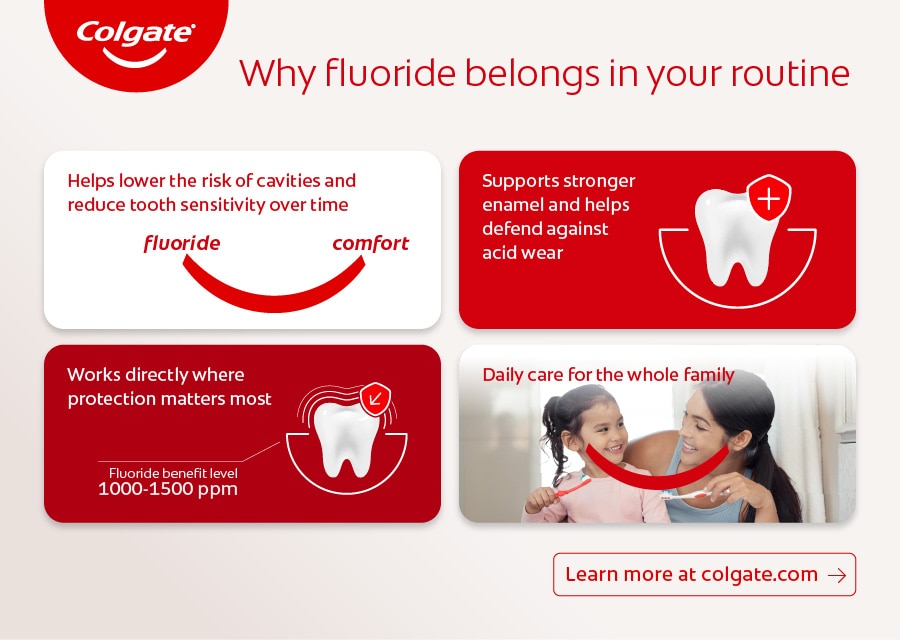
Brushing with fluoride toothpaste every day is the most effective and affordable way to prevent deficiency. Brush at least twice a day with a soft-bristled toothbrush to keep enamel safe from abrasion. For children aged two to six, supervise brushing so they use only a pea-sized amount and do not swallow the toothpaste. Babies with teeth need only a smear no bigger than a grain of rice.
Fluoride mouthwash: especially helpful for children with a history of cavities or a high risk of decay, aged six and above, as advised by a dentist.
Prescription gels: your dentist may prescribe a high-strength gel if you have dry mouth or are having treatments such as radiation therapy.
Supervised brushing: help children build a brushing habit they will keep.
Fluoride supplements come as lozenges, tablets or liquids and are available with a prescription from your dental professional. Talk to your dentist about whether you or a family member would benefit from them.
Ask your local water authority for a test report. If you use borewell or other groundwater, have it tested by an accredited lab and share the result with your dentist.
Yes. They come as liquids, tablets or lozenges and are available with a prescription from a dental professional.
Yes. Brushing at least twice a day with fluoride toothpaste is safe and beneficial. For young children, use the age-appropriate amount and make sure they spit it out.
Yes. Enamel loses and regains minerals every day at every age, so fluoride stays important for adults too. For why dentists recommend it and how to choose one, read our guide to fluoride toothpaste.
This article is intended to promote understanding of and knowledge about general oral health topics. It is not intended to be a substitute for professional advice, diagnosis or treatment. Always seek the advice of your dentist or other qualified healthcare provider with any questions you may have regarding a medical condition or treatment.
ORAL HEALTH QUIZ
Take our Oral Health assessment to get the most from your oral care routine