White Gums: Causes of a Gum Infection and Discoloration
minutes read


White gums or white patches are areas where the natural shade of the gum tissues changes to white. Healthy gums are usually pink, smooth, firm and snugly fit around teeth. Gum discolouration is easy to notice. White spots occur as small dots or thick patches that cover a larger area of the gums. They cannot be rubbed or scraped off. Noticing white gums around teeth can be worrying. However, it is a more common oral care problem than you might think.
White patches can also appear on the tongue, inner cheeks or the bottom of the mouth. Some are harmless and heal on their own, while others indicate an underlying problem. The cause of white or pale gums can be anything from gum irritation to more serious conditions. Only a dental professional can evaluate your gums properly and determine the underlying cause.
White spots on gums can occur for various reasons. They range from mild gum infection or irritation to a deficiency or a more serious medical condition. Not all white patches or pale gums are necessarily a matter of concern. Yet, some may be linked to oral or physical health issues that need urgent care.
Diagnosing white spots or pale gums causes is crucial for proper treatment and an effective cure. The common causes of white gums include:
Leukoplakia: Irregular, thick white patches that cannot be scraped off. They appear on gums, inner cheeks or tongue and are usually painless. They are often caused by excess cell growth, gum irritation or repeated biting of the inner cheek. Leukoplakia is common among users of tobacco products or excess alcohol. Though often harmless, these patches need a dentist's evaluation.
Gingivitis: Gum infection and inflammation caused by bacteria in plaque buildup along the gumline. Inflamed gums look swollen, red and bleed easily when you brush or floss. Gingivitis may cause small, white patches along the gumline. Early treatment helps address gingivitis white spots on gums, and prevents more serious periodontal or gum disease.
Nutrient Deficiencies: Low vitamin levels or iron deficiency (anemia) can make your gums pale or white. Anemia lowers the number of red blood cells that carry oxygen, making your skin and gums look pale. A deficiency of nutrients like vitamin B12 and vitamin C can also affect your gum health and colour.
Oral Thrush: An oral yeast infection caused by the Candida fungus. Fungal infections are likely in people with a weaker immune system. This supports the overgrowth of fungi in the mouth, causing oral thrush. You may notice creamy white patches or yellow lesions. Some may look slightly raised, sore and bleed easily. Unlike leukoplakia, these patches can be scraped off.
Canker Sores: Mouth ulcers or canker sores can cause white spots on the gums. They are small, round and painful lesions that can occur anywhere in the mouth. These mouth sores usually appear as red bumps with a red border and a yellow or white spot in the centre. The gums may swell, making it difficult to eat or brush.
Oral Lichen Planus: A chronic inflammation of the oral mucous membranes. It appears as white, lace-like streaks on the gums, inner cheeks and tongue. They may become red, raised, or open sores. A burning sensation is likely when you eat acidic or spicy food. This is often linked to genetics and immunity.
Pale gums can also occur after a tooth extraction or teeth whitening treatments. The outermost gum tissues form a protective layer to support healing after a tooth is extracted. In rare cases, long-lasting white patches may imply a deeper, or possibly malignant issue. Hence, it is vital to get your gums checked by a dentist if you notice any of the above signs.
A white patch on gums is not always serious. Regardless, it is essential to get it promptly checked by a dentist. Symptoms may vary with the cause. Leukoplakia, oral thrush or canker sores can show different symptoms. Whether you have any of these or pale gums anemia symptoms, professional care is essential. Treating causes like gingivitis early on is crucial to protecting the gum tissues and supporting structures of your teeth.
Book a dental checkup if you notice unusual and lasting changes in your gums. Here are some red flag signs to watch out for:
Painless white or grey patches that persist for more than two weeks
Hard, irregular, thick or flat patches that spread
Pain, discomfort and difficulty in speaking, eating or swallowing
Swollen gums that bleed (gingivitis)
White gums with pus-filled abscesses (severe cases of gum disease)
Pale gums along with weakness or tiredness (deficiencies or anemia)
Cottage cheese-like patches, cracking at the corners of the mouth (possible oral thrush)
Burning or stinging before small white sores appear (canker sores)
Lacey, white streaks, tingling when eating spicy or acidic foods (oral lichen planus)
White spots with raised red lesions (require prompt evaluation)
Hardening, thickening or unusual changes in other parts of the mouth
The treatment for white spots on gums depends on the cause. Some spots heal on their own; others need professional treatment. Based on the cause, a dentist can suggest the most appropriate treatment plan for you. Typical treatment options include the following:
Treatment for gingivitis and gum disease. This may include deep cleaning with scaling and root planing to remove plaque from below the gumline and help the gums heal.
The dentist removes the leukoplakia patches and suggests you stop alcohol and tobacco use. A biopsy may be suggested to rule out the risk of malignancy.
Oral thrush is usually treated with antifungal medications and dentist-recommended mouthwash.
Canker sores often heal on their own. However, in severe cases, dentists may recommend gels, ointments, rinses or pain-reliever medicines.
Oral lichen planus is usually managed using medicines to reduce inflammation and discomfort.
Recommendation on dietart changes, and use of supplements to manage nutritional deficiencies.
It is best to avoid home remedies for white spots on gums. Consult a dentist for proper treatment. Home remedies are often not backed by science and can be potentially harmful.
Good oral hygiene habits can help prevent gum problems, like gingivitis and white gums. Daily oral care, regular dental checkups and a healthy lifestyle can go a long way in keeping your gums healthy.
Good oral care habits are essential to keep your teeth and gums healthy. Problems like gingivitis are often a result of poor oral hygiene that leads to plaque buildup, bacterial infections, gum swellings and white spots. Hence, effective prevention begins with improving your dental hygiene practices. These include:
Brushing: Brushing your teeth for two minutes to remove plaque, the sticky film of food debris and bacteria, from your teeth and gums. Brushing twice daily is important for clean teeth and gums. A soft-bristled toothbrush helps clean your teeth and gumline gently and effectively.
Flossing: It removes food particles and plaque from between teeth and under the gumline. Flossing once daily is important as it cleans hard-to-reach areas where your brush may not reach. You may use a dental string floss or an interdental toothbrush to clean these areas.
Rinsing: Rinse your mouth thoroughly with water after every snack or meal. You may use an alcohol-free mouthrinse recommended by a dentist. It helps wash out food particles and bacteria from your oral cavity and freshens your breath.
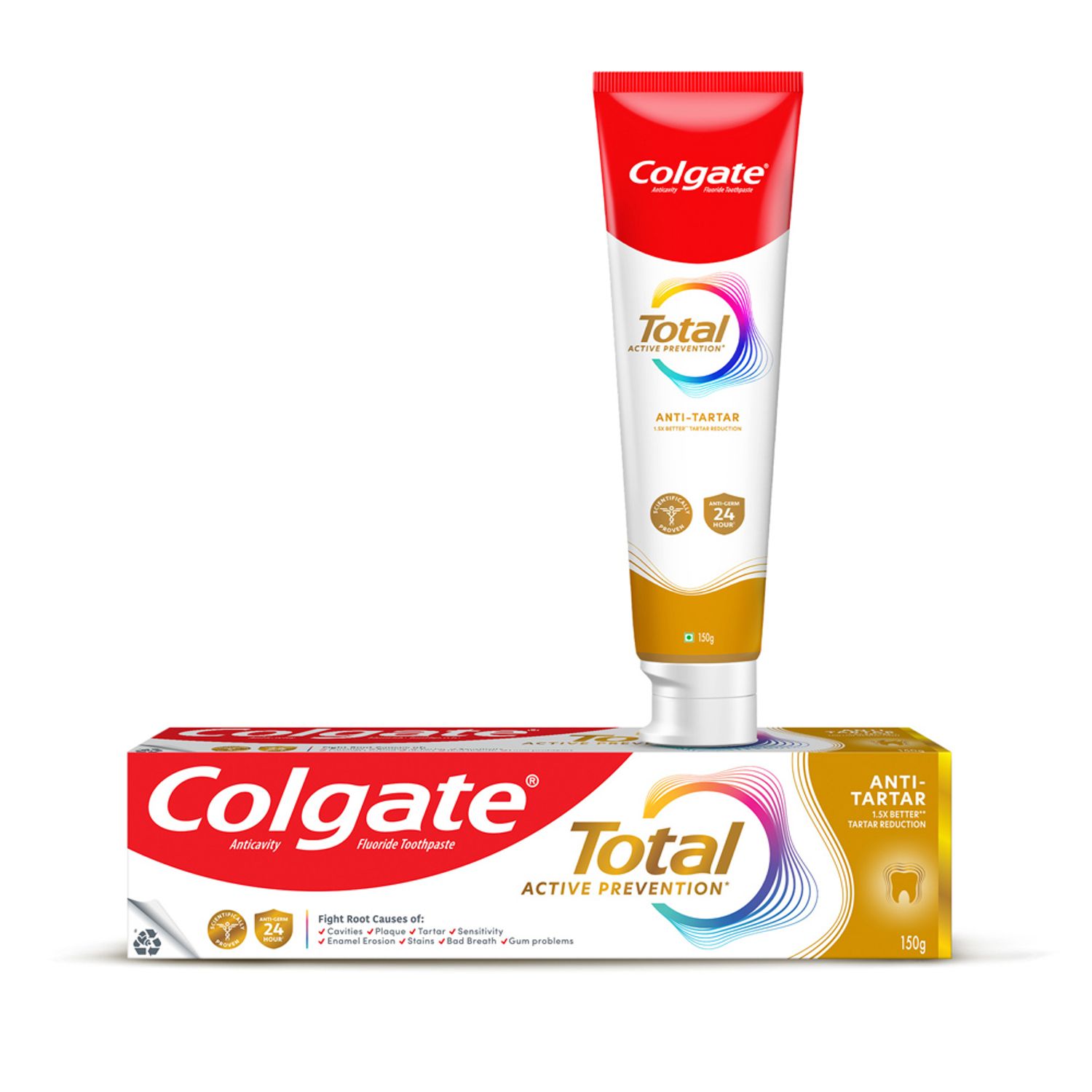
Using Antibacterial Toothpaste: Dentists recommend brushing with a fluoride toothpaste to support good oral health. An antibacterial toothpaste can offer added protection from infection-causing germs. For instance, the Colgate Total toothpaste has a unique DZA formula. It fights bacteria on your tongue, cheek, gums and teeth and protects your whole mouth for 12 hours, compared to an ordinary toothpaste.
Regular dental checkups are an important part of a good oral care regimen. Visiting a dental professional regularly helps keep your mouth clean and healthy. They offer dental cleanings that remove plaque and tartar (hardened plaque) deposits missed by your daily oral care routine.
A dentist can also spot signs of gum problems and white spots and address them before they worsen. Routine professional care is a simple way to protect your smile. When considering how often you should visit a dentist, it is ideal to book a checkup every six months.
Your food and lifestyle habits play a big role in your oral health. Here are some smart choices to consider for healthy teeth and gums:
Choose a balanced diet rich in nutrients like vitamins and minerals.
Drink plenty of water to support saliva flow for a healthy mouth.
Limit sugary snacks to reduce plaque and bacteria buildup.
Avoid acidic or spicy foods that irritate your mouth tissues.
Avoid alcohol intake, smoking or chewing tobacco.
Manage autoimmune conditions and deficiencies that might affect your oral health.
White spots on gums do not necessarily mean anything to worry about. Yet, it is best not to ignore them. If you notice any unusual changes in your gums, consult a dental professional for prompt diagnosis and treatment. Good oral hygiene habits, a healthy lifestyle and regular dental visits can help you maintain healthy gums for a healthy smile.
No, some white spots are harmless and may even heal on their own. However, some may indicate a more serious problem. Hence, it is best to get these spots examined by a dental professional to rule out risks.
Yes. Poor oral hygiene can promote bacterial infections. Lack of proper brushing, flossing and rinsing can cause plaque to build up along the gumline. This can lead to gum infection, gingivitis, swellings and white patches.
It is best not to delay a dental checkup if the white spot lasts over two weeks or starts to spread. Early diagnosis and treatment can help avoid complications.
This article is intended to promote understanding of and knowledge about general oral health topics. It is not intended to be a substitute for professional advice, diagnosis or treatment. Always seek the advice of your dentist or other qualified healthcare provider with any questions you may have regarding a medical condition or treatment.
ORAL HEALTH QUIZ
Take our Oral Health assessment to get the most from your oral care routine
ORAL HEALTH QUIZ
Take our Oral Health assessment to get the most from your oral care routine