Effective Tooth Brushing Tips To Use With Your Patients
minute read

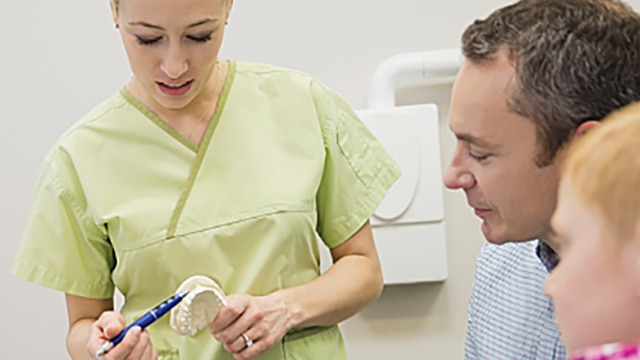
As a dental hygienist, providing your patients with tooth brushing instructions is an essential and sometimes frustrating part of your job. Many times your patients have multiple areas that you are concerned about, and it is difficult to tell if you are getting through to them. By using the following tips when providing oral health education, you will effectively relay a simple message that focuses on each individual's needs. Just try adding a few of these tweaks to what you are already doing and you may be pleasantly surprised by the results.
Some people have short attention spans, which gives you a short amount of time to share oral hygiene instructions. Stay away from technical jargon and use everyday terms that your patients will understand. Keep your message straightforward, and be sure to ask your patients questions to engage them and to make sure they understand the information you covered.
When providing your patients with oral hygiene instructions, convey an understanding and caring tone. It is vital that patients do not feel as if they are being lectured. Focus on one problem per visit so that the patient does not feel overwhelmed with information. Take the time to compliment your patients on what they are doing right. Then, when it comes times to address an area of concern, they will be ready to listen.
Oftentimes people do not think about how well they are brushing at home; it is merely a part of their daily routine. When you find areas of plaque and calculus buildup during a hygiene appointment, it is important to show this to your patients to catch their attention. Use a mirror and show them the area of concern. Let them see the plaque you remove on the end of your scaler. Tell your patients that their teeth should not feel "fuzzy" to their tongue, as a clean surface will always feel smooth.
Use visual examples to show your patients proper brushing methods, to help them understand the process. Demonstrating on a model will further help to enforce your message. Mouthhealthy.org has an excellent one-minute video that covers all the basics of tooth brushing, and it is a great tool to use with patients. Excellent brushing guides are also available from Colgate, including a video on how to brush around dental implants. All of these actions will create pictures in your patients' minds so that later on they can remember what to do at home.
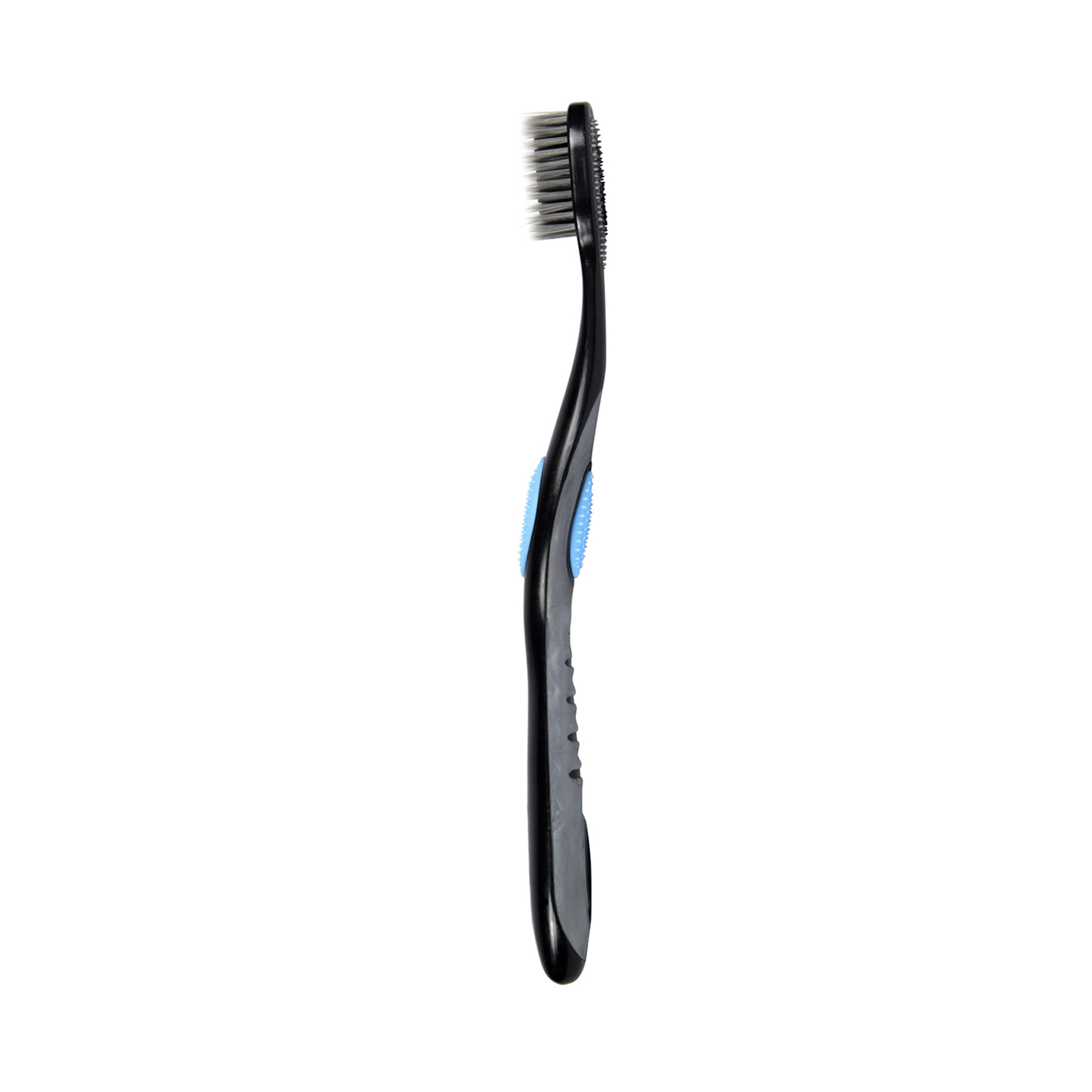
This is the most important part of your whole message. Begin by pointing out specific problem areas, such as crowded areas on the lower anterior teeth or the inside surfaces of posterior teeth near the tongue. Next, show the patient how to reach these areas while brushing at home by using the steps detailed above. Finally, recommend the appropriate toothbrush to serve that patient's needs. The Colgate® 360° toothbrush is excellent at reaching interproximal areas, gingival margins and posterior areas, and it even comes with a tongue cleaner. If a patient has any issues with pocketing, the Colgate® Slimsoft™ toothbrush will give great subgingival access.
Patients may have areas that they unintentionally miss and they may not brush as long as they need to in their day-to-day oral care routine. As a dental hygienist, it is frustrating to feel that you are covering the same information over and over again. When you are able to give effective instructions, your job becomes easier and you know that you are helping your patients being able to make a long-lasting difference in their oral health. By using the tips covered here, you will be well on your way to achieving that success.
When your tooth brushing instructions are effective, you feel successful as a dental hygienist and your patients reap the benefits.
This article is intended to promote understanding of and knowledge about general oral health topics. It is not intended to be a substitute for professional advice, diagnosis or treatment. Always seek the advice of your dentist or other qualified healthcare provider with any questions you may have regarding a medical condition or treatment.