Tooth sensitive to pressure: what it means for your oral health
5
min read


Tooth sensitivity, or dentine hypersensitivity, can happen when your gums pull away from your tooth, when your tooth enamel wears away or when fillings become cracked, broken or missing and expose the delicate dentine underneath. Having exposed dentine can make it painful to eat and drink things that are very hot, cold, sweet or acidic.
Dentine contains tiny tubules that lead to the inside of your tooth, where your nerves are. If your dentine has no enamel protecting it, the tubules will carry sugar and hot/cold temperatures straight into the nerve of your tooth.
You may feel a short, sharp pain or discomfort when chewing, biting or eating any food that puts pressure on your teeth. You may notice the pain even more if what you’re eating is particularly hot, cold or sugary. Your teeth may be sensitive to brushing or even the cold air outside.
There are lots of factors that can make you experience tooth pain when biting down. Here are some of the most common causes:
Tooth decay – some cavities are very sensitive to pressure, especially if they’re in your molars, or back teeth. Decay means there’s a hole in your enamel that is allowing triggers, like sugar or cold temperatures, to reach your dentine.
Cracked tooth – a cracked tooth will often cause you to feel tooth pain when biting down. The pain is either caused by your dentine being exposed through the crack or sharp enamel around the area digging into the dentine.
Damaged fillings – when fillings get old, they may “leak” or allow bacteria under them and into your sensitive inner tooth. This can cause an infection in your tooth pulp, which is very painful.
Abscess – if bacteria find a way into your tooth, gums or jawbone, it can cause a nasty infection, known as an abscess, which can be very painful and cause inflammation.
Loose tooth – a loose tooth can be caused by infection, bone loss or trauma to the mouth and can cause you to feel sensitivity.
Oral routine – a common cause of sensitive teeth can be found in your daily oral routine. Brushing your teeth too hard, using a hard-bristled toothbrush and overusing teeth-whitening products can all cause enamel erosion, which will result in sensitivity.
Dentine hypersensitivity is one of the most common oral problems, but it's an issue you don't want to ignore. In some cases, a simple in-office fluoride treatment can provide you with instant relief. If you have a tooth that needs to be refilled or a crown that needs to be replaced, these procedures can take care of your sensitive tooth as well.
In more advanced cases, a short, sharp pain when biting down or lingering irritation after eating hot or cold foods can signal decay or damage to the pulp inside your tooth, which may require a root canal to clean it out. After this dentist visit, ask if you can follow up your treatment by using special fluoride gel, rinse or toothpaste at home to make your teeth less sensitive in the long term.
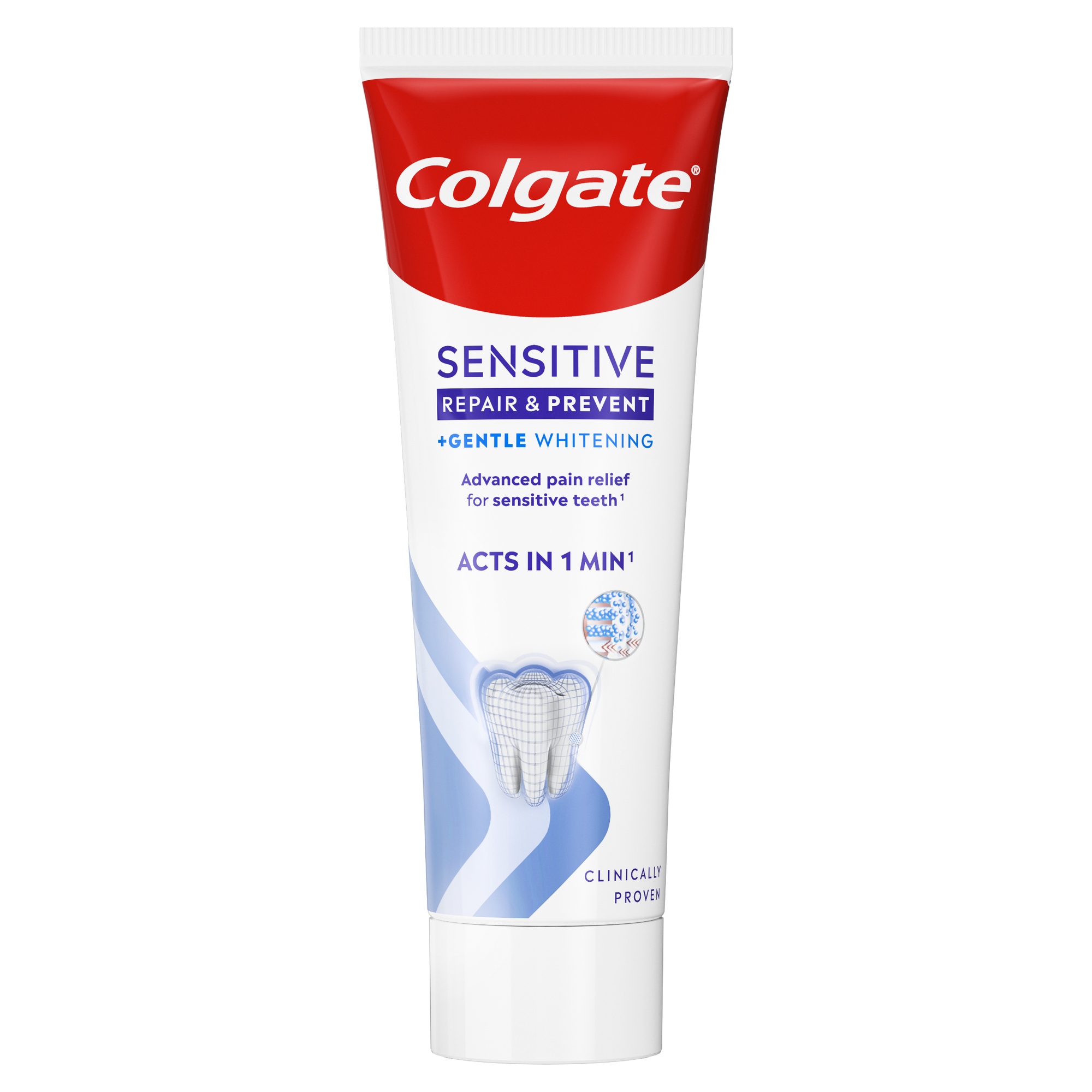
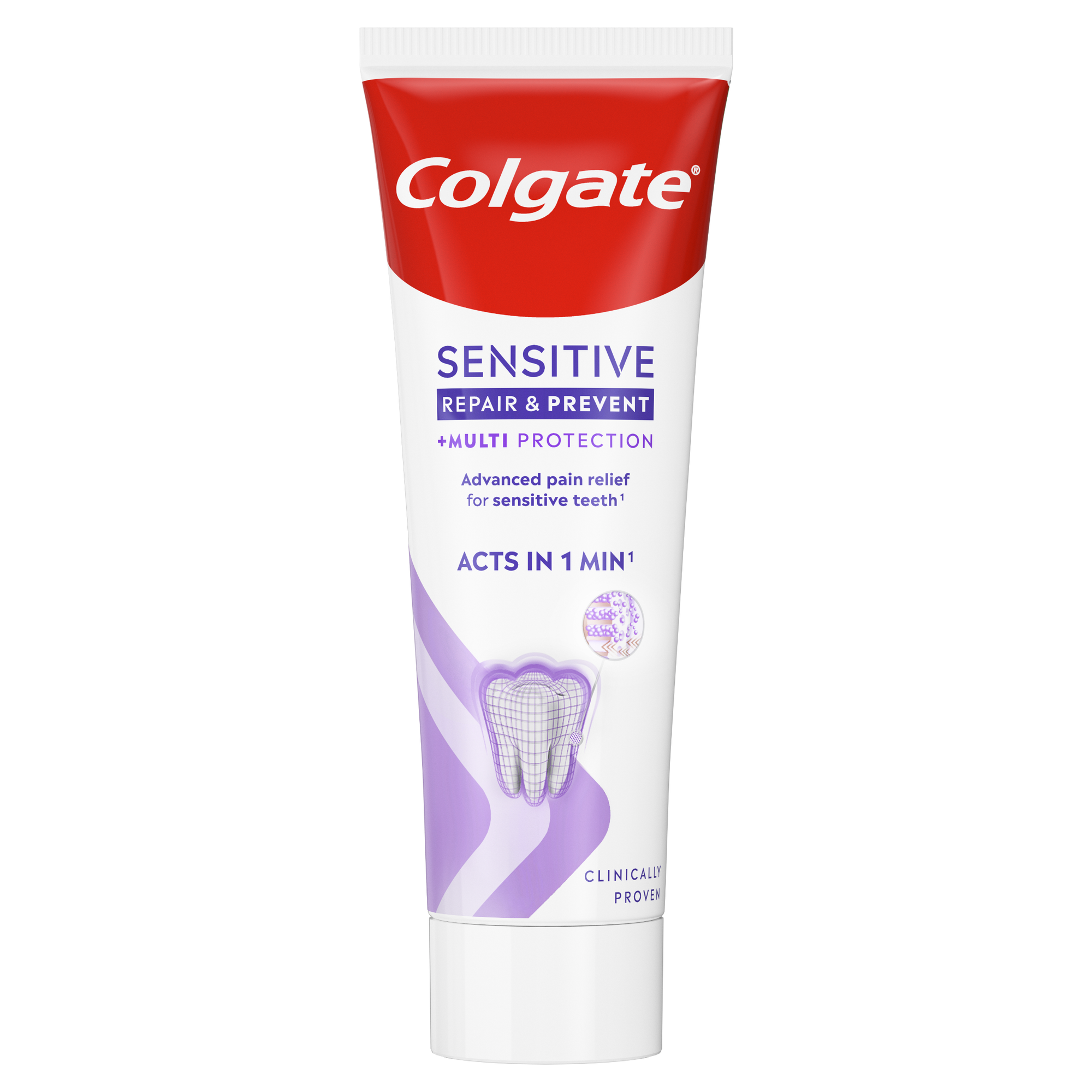
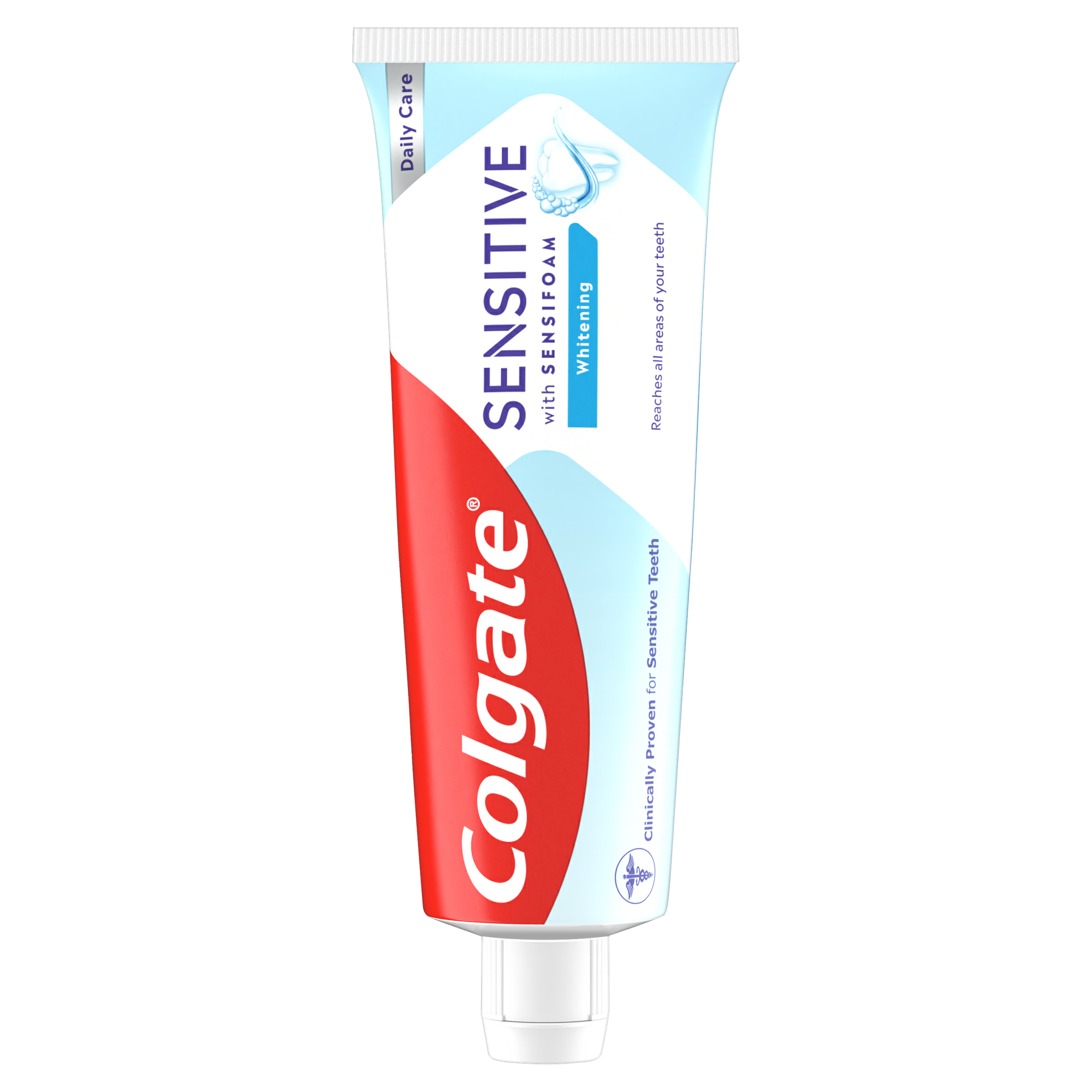
In addition to seeing your dentist regularly for check-ups, it's also important to stay on top of your oral hygiene by brushing, flossing and rinsing with a fluoride mouthwash every day. Avoiding oral care can only worsen your tooth pain and, if decay is present, cause it to spread into other areas within the tooth. When brushing your teeth, use gentle circular motions with light pressure and a soft-bristle toothbrush to avoid unintentionally wearing down your tooth enamel. Choose a toothbrush that has soft polishing bristles and a sensitive toothpaste that can help to remineralise weak spots in your tooth enamel and ultimately strengthen your teeth.
If you're suffering from a sensitive tooth, a cracked tooth or filling, or any kind of oral pain, don’t suffer in silence. These problems can be addressed by your dentist and sometimes can even be improved with simple changes to your oral care routine. Talk to your dentist about alternative options that may work for you: perhaps a prescription toothpaste, mouth rinse or an electric toothbrush with pressure sensors. The sooner you get to your dentist's office, the sooner you can find relief.
Here are the answers to some commonly asked questions about having a tooth sensitive to pressure or tooth pain when biting down:
ORAL HEALTH QUIZ
Take our Oral Health assessment to get the most from your oral care routine
ORAL HEALTH QUIZ
Take our Oral Health assessment to get the most from your oral care routine


About Cookies on This Site