Causes and Treatments of Extremely Sensitive Teeth
min read
Medically Reviewed By Melisa Sahin


Sensitive teeth occur when the hard enamel on the outside of your teeth wears down. It may also be referred to as dentine hypersensitivity or enamel erosion. The soft dentine that lies underneath your tooth enamel contains microscopic canals called tubules, and when enamel wears away or becomes damaged, it leaves the dentine exposed to stimuli. The tubules, which allow fluid to flow through them, are affected by both hot and cold, causing the nerves in the tooth to become sensitive and experience pain. You may also experience sensitive teeth if your gums recede and leave your tooth roots exposed.
Yellow teeth can also be a sign of enamel erosion, as your tooth enamel has thinned and is allowing the yellow-tinged dentine underneath to shine through. Poor oral hygiene allows acids from plaque to gradually eat away at the healthy minerals in your enamel and leave pits and dark spots on the surface of your teeth.
So, what causes enamel erosion? Many factors can cause this common problem; however, it is often easily solved once you identify the trigger:
Brushing your teeth with too much pressure or using a hard-bristled toothbrush.
Eating a lot of acidic or sugary foods and drinks.
Plaque buildup on your teeth due to poor oral hygiene.
Using mouthwash that contains alcohol.
Teeth whitening or other recent dental procedures can cause temporary sensitivity.
Teeth grinding or clenching.
Other oral problems like gum recession, gum disease or plaque buildup along the gumline.
Sensitive tooth pain can range from a mild discomfort to a sharp, shooting pain. The pain may come and go and be triggered by different things, like:
Eating or drinking something particularly hot, cold, sweet or acidic.
Brushing or flossing your teeth
Breathing in cold air
Chewing
You can feel sensitivity in one particular tooth, a specific area or all of your teeth.
If your teeth are suddenly sensitive, it’s often caused by a more complex dental problem, and it’s important to see a dentist and have the issue treated as soon as possible. Sensitive teeth can also be a symptom of oral health problems like tooth decay, gum disease or an infection. Here are some examples of what a sensitive teeth treatment at the dentist may involve:
Fluoride treatment – Your dentist may offer a fluoride treatment as a first step to helping sensitive teeth. This treatment involves applying a high-strength fluoride paste or gel to the surface of your teeth to strengthen and remineralise your tooth enamel. It’s a quick and painless treatment that can make a difference to sensitive teeth. They may also give you fluoride products like a high-strength toothpaste to use at home.
Dental bonding – If your sensitivity is due to gum recession, your dentist may suggest covering the exposed gumline area with composite bonding. This method can also be used on the edges of teeth that are suffering from enamel erosion.
Gum graft – Again, if your sensitivity is caused by gum recession, a gum graft may be a suitable treatment. The treatment involves taking a small amount of tissue from another area of your mouth (usually the roof) and using it to cover exposed tooth roots. This process is a little more invasive but effective.
Mouthguard – If you grind your teeth at night or you’re aware of clenching your teeth, your dentist can make a custom mouthguard to wear over your teeth while you sleep to prevent further enamel erosion.
Root canal treatment – If sensitivity is affecting the nerve inside your tooth, you may need a root canal treatment to remove the damaged nerve tissue.
The key to preventing sensitive teeth is to keep your tooth enamel strong. Here are some things you can try if you’re wondering how to stop sensitive teeth from returning:
Visit your dentist every 6 months for checkups and professional cleaning. A dental hygiene appointment is the only way to remove tartar buildup from your teeth.
Use a soft-bristle toothbrush and replace it every 3 months.
Brush your teeth using gentle circular motions, and avoid harsh scrubbing from side to side.
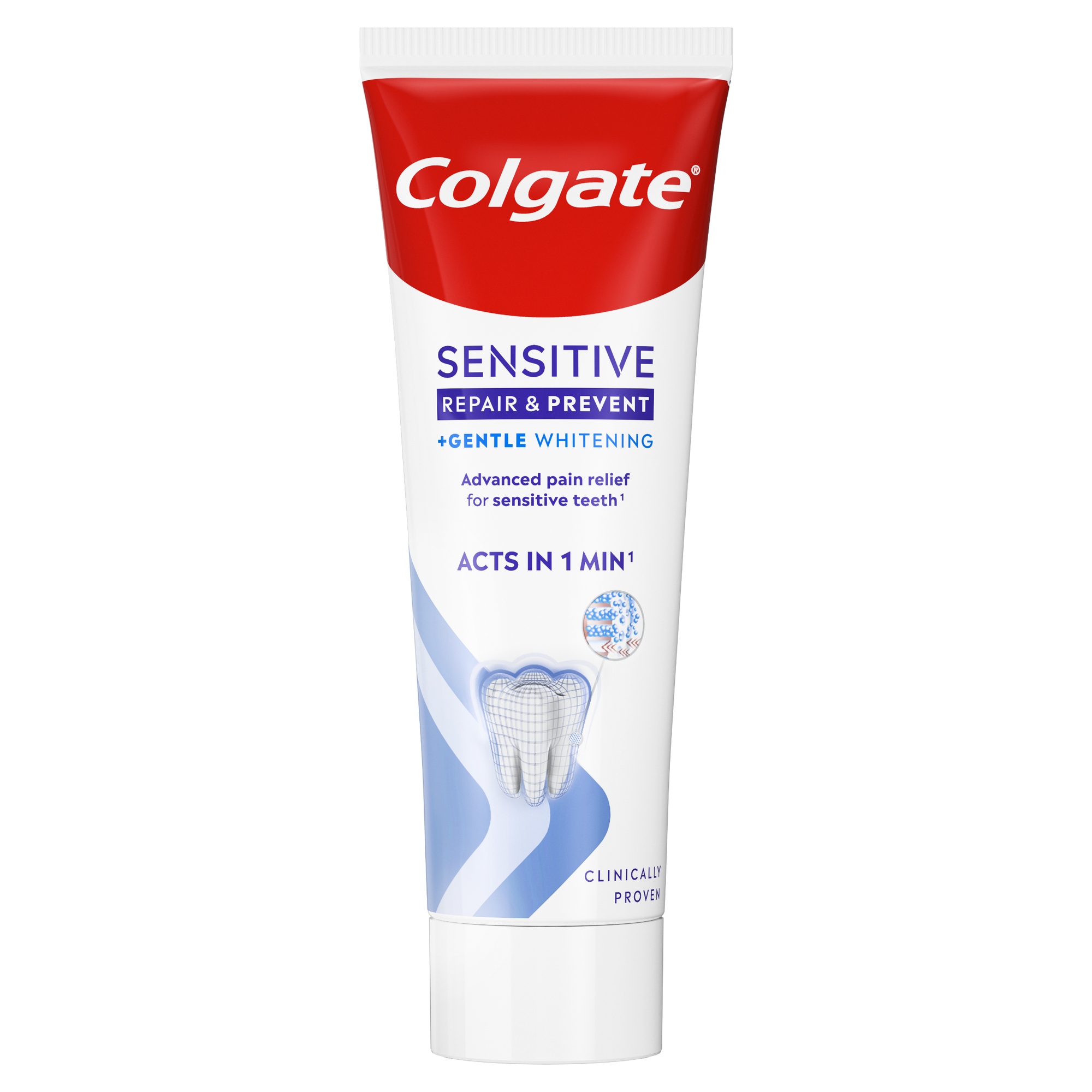
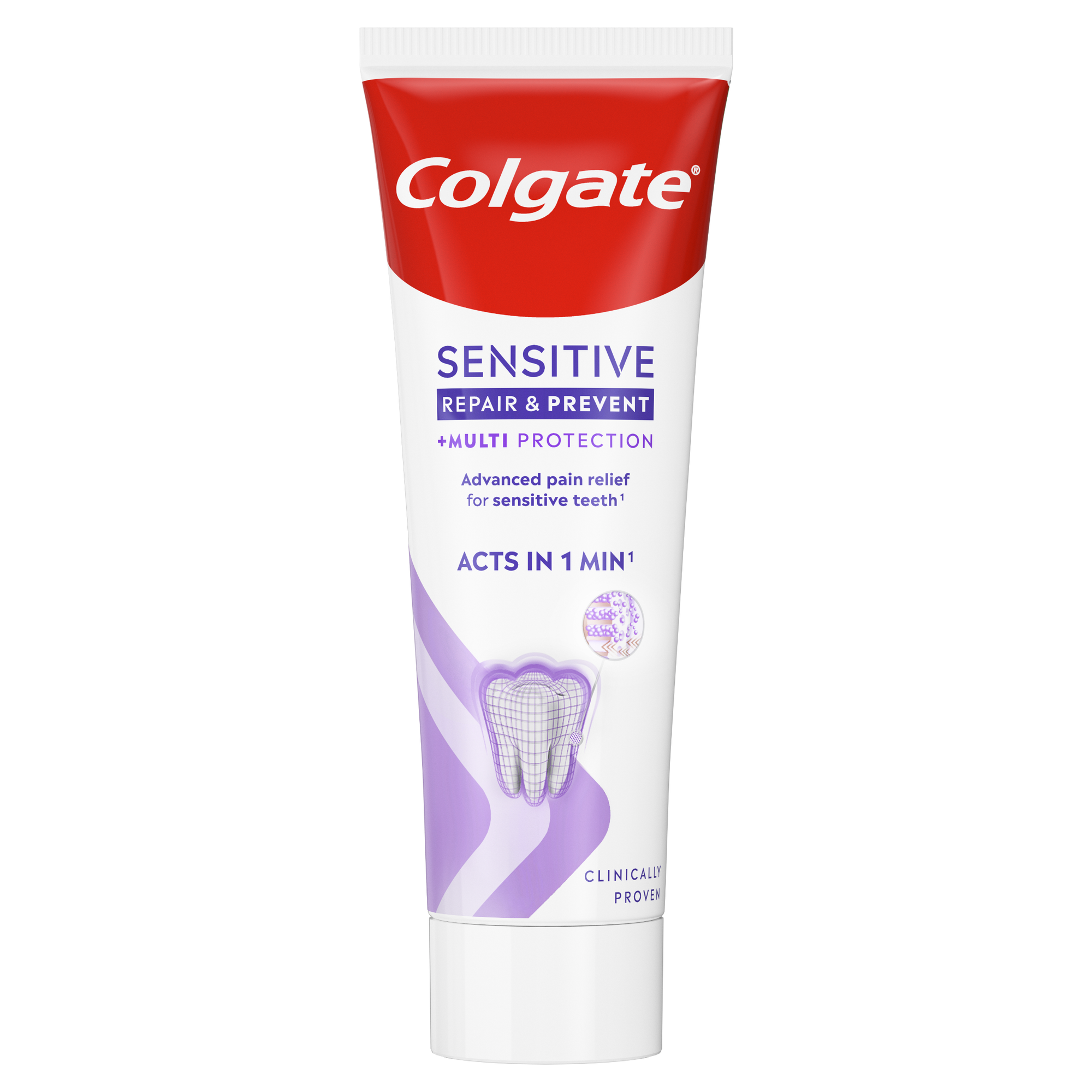
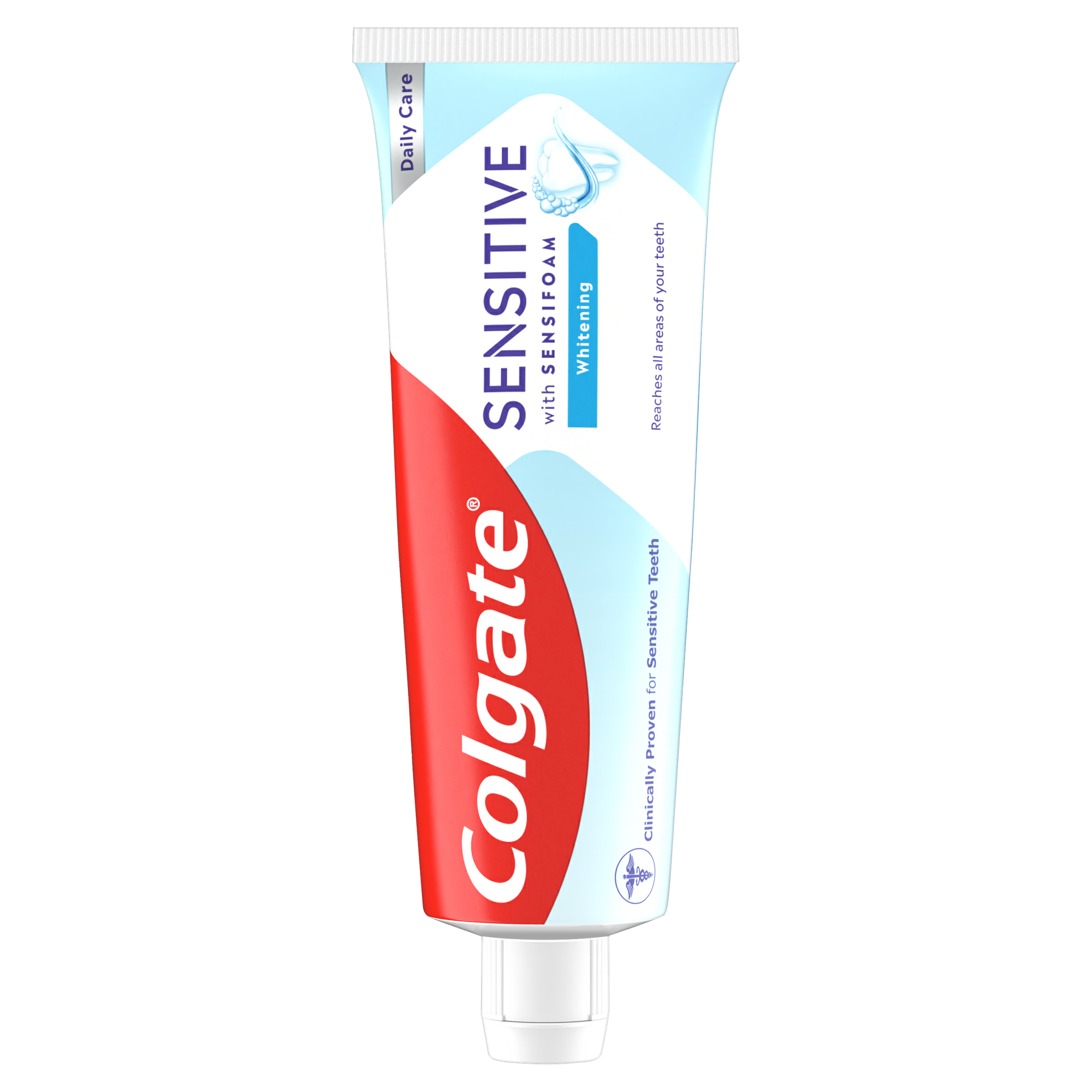
Use a fluoride toothpaste twice a day or switch to a toothpaste for sensitive teeth at the first signs of discomfort.
Floss your teeth every day to clean between your teeth and remove any food particles your toothbrush might miss.
If you clench or grind your teeth at night, wear a mouthguard to protect your teeth.
If you’re drinking something acidic, like fizzy drinks, use a straw to minimise the liquid coming into contact with your teeth. You should also have a drink of water afterwards to wash some of the acidic residue away.
If you’ve eaten or drunk something acidic, wait for at least 1 hour before brushing your teeth. Brushing when the tubules in your tooth enamel are open can cause further enamel erosion. In the meantime, have a drink of water or rinse your mouth with a fluoride mouthwash.
Try to avoid acidic and sweet foods and drinks as much as possible.
If you grind your teeth, try out some relaxation techniques and minimise the stress in your life as much as possible.
If you suspect you have tooth decay, gum disease or a damaged tooth, make an appointment to see your dentist as soon as you can.
If you already suffer from sensitivity but want to whiten your teeth, you can speak to your dentist. They will suggest the best way to get a whiter smile without causing discomfort.
If you’ve tried treating very sensitive teeth at home and are still experiencing discomfort after a few weeks, make an appointment to see your dentist. They can check if there are any underlying dental issues and suggest the best sensitive teeth treatment for you.
Here are the answers to some commonly asked questions about how to treat sensitive teeth and enamel erosion:
The best way to stop sensitive teeth is to follow a great oral hygiene routine every day. Brush your teeth twice a day using a fluoride toothpaste, floss every day and visit your dentist every 6 months for checkups and professional cleaning. Follow our tips above on how to prevent enamel erosion.
If your teeth are suddenly sensitive, it can indicate there’s an underlying oral health problem like tooth decay or gum disease. While the occasional feeling of tooth sensitivity when eating something very hot or cold is normal, ongoing sensitivity and discomfort aren’t.
Unfortunately, after enamel erosion, your tooth enamel can’t grow back, as it’s not a living tissue. However, certain dental products (like a fluoride treatment) can help to remineralise your teeth by putting calcium and phosphates back into your enamel and strengthening it.
ORAL HEALTH QUIZ
Take our Oral Health assessment to get the most from your oral care routine
ORAL HEALTH QUIZ
Take our Oral Health assessment to get the most from your oral care routine