What to Use for Sensitive Teeth in Children
min read
Medically Reviewed By Melisa Sahin


Tooth sensitivity in children can stem from various causes, including tooth decay, chipped teeth, or even conditions like autism, making it crucial to identify the root cause.
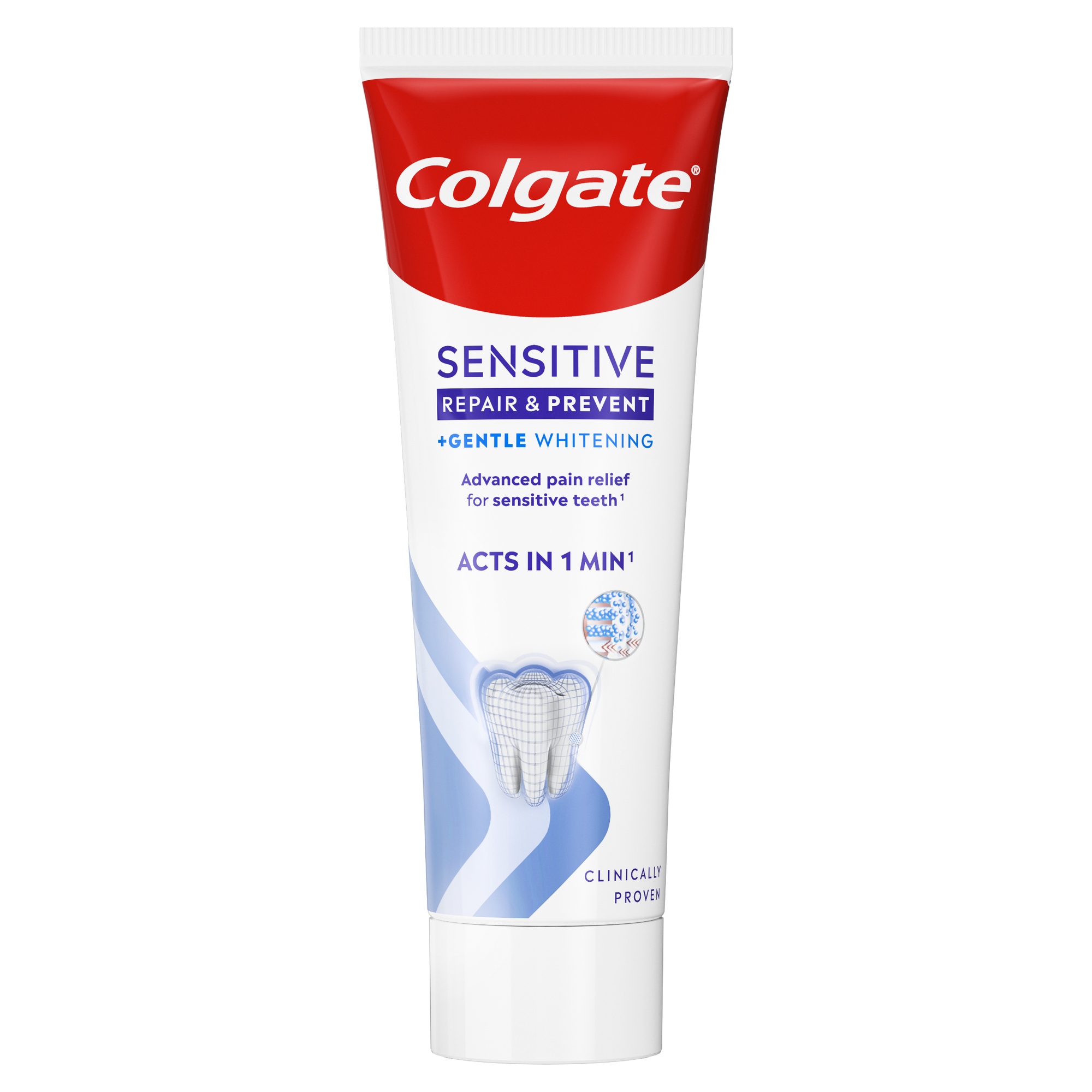
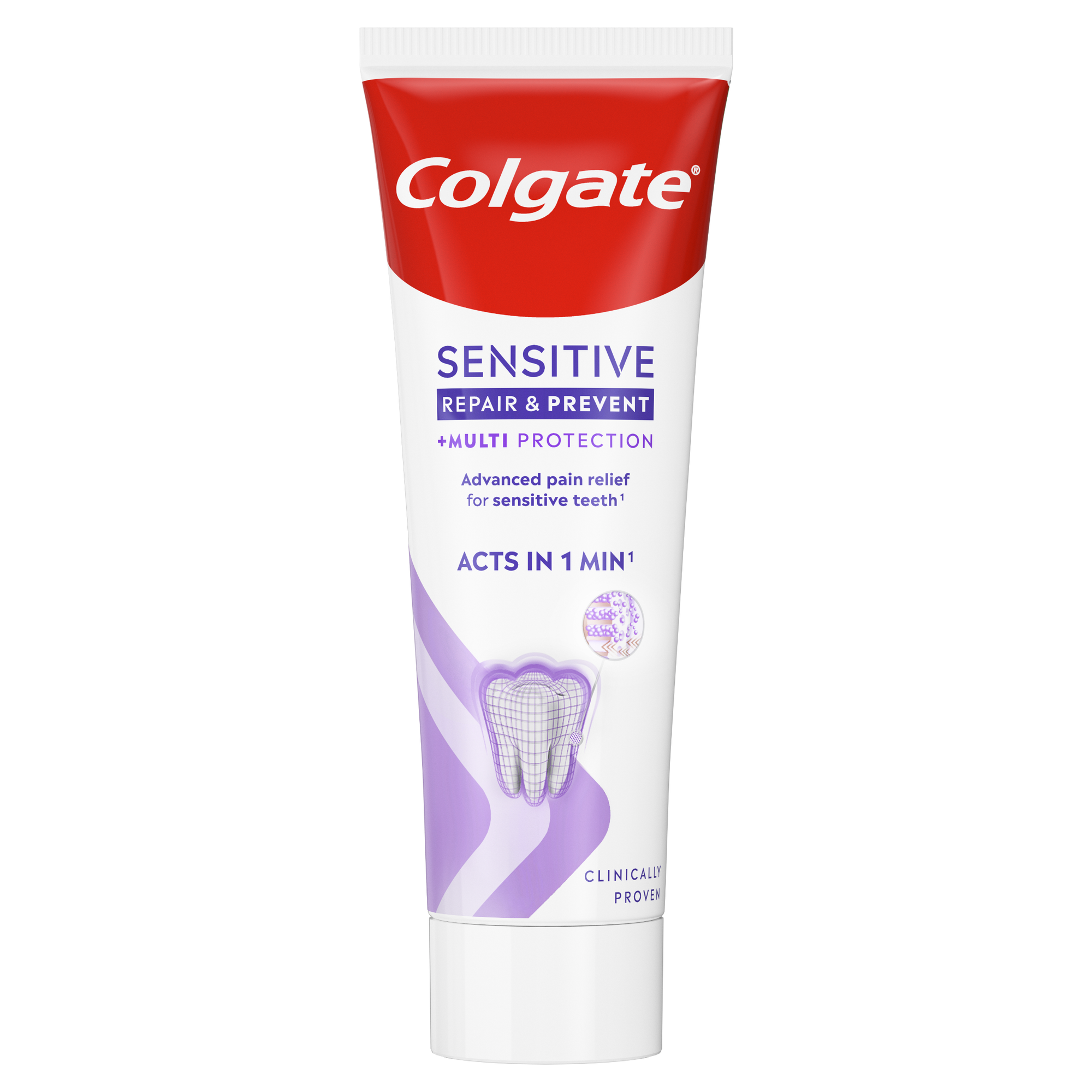
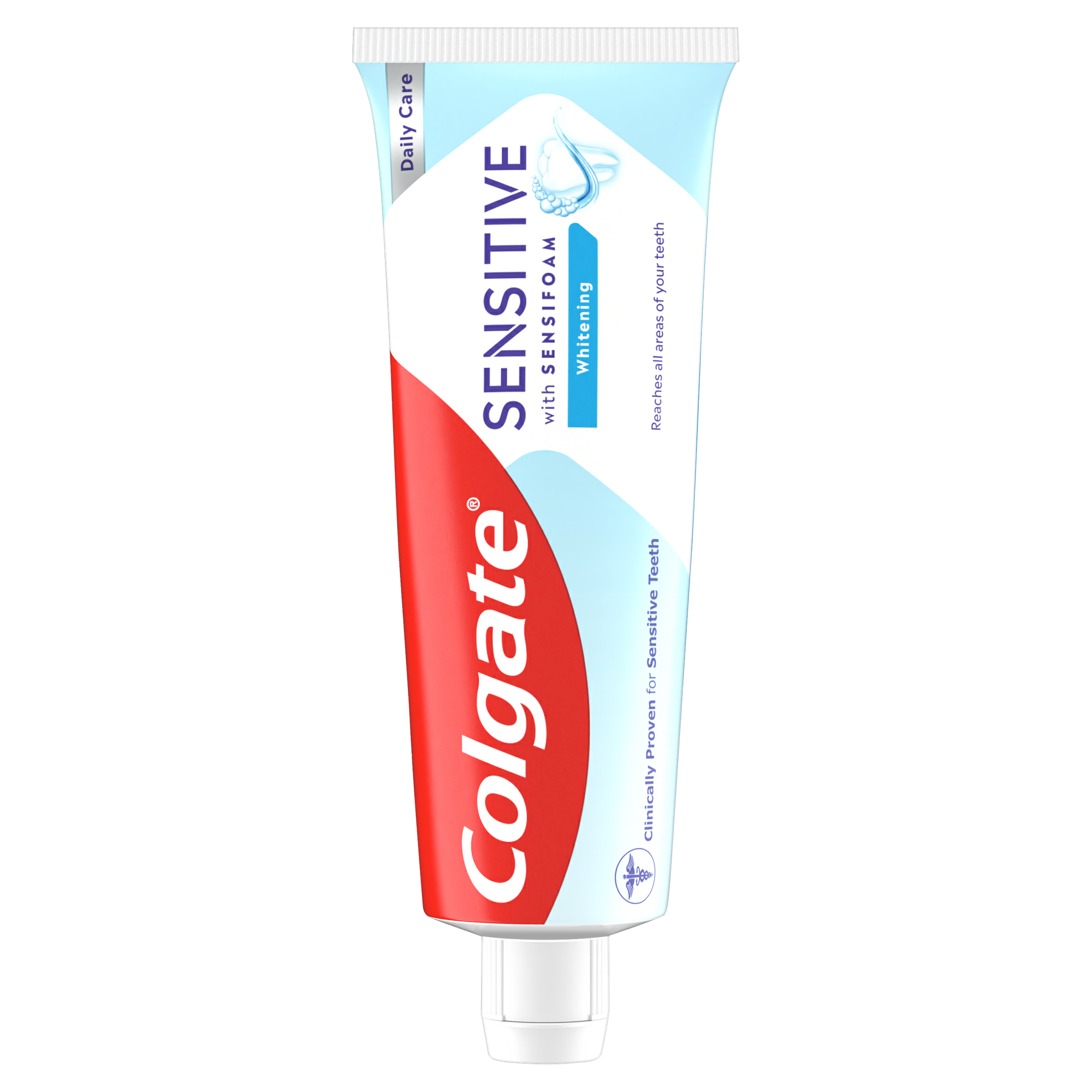
For relief, consider using a specialised sensitive toothpaste like Colgate Sensitive Instant Relief, but follow age-specific guidelines, especially regarding fluoride intake.
Professional dental treatments, such as in-office fluoride applications or dental sealants, can strengthen enamel and protect teeth against decay and sensitivity.
Establishing good oral care habits, including twice-daily brushing with a soft-bristled brush and daily flossing, is fundamental in managing and preventing tooth sensitivity.
If sensitivity persists, consulting a paediatric dentist is essential for an accurate diagnosis and appropriate treatment plan.
Tooth pain in children can also be symptomatic of other issues such as sinus infections, the eruption of permanent teeth, or various dental problems like gum disease or teeth grinding.
Although people are more likely to have sensitive teeth between the ages of 25 and 30, it can be a problem in children too. Before you can figure out what to use for sensitive teeth and if it would help your child, you'll want to ascertain if the issue lies with your child or within the teeth themselves. If their dental habits haven't been stellar, tooth decay might have caused the enamel to wear down, causing a sensitive feeling when in contact with a toothbrush or cold food. Your child's teeth may have even been injured: Chipping a tooth when playing sports or when crunching down on a piece of hard candy can also cause sensitivity, as bacteria can irritate a tooth that has exposed dentine
There are several sensitive toothpastes available for people who suffer from sensitive teeth. Colgate sensitive instant relief can be used for all ages. It is only for the instant relief where you apply a pea size amount once or twice a week for 6-12 year olds, so they do not get too much fluoride while the teeth are still erupting.
If it turns out that the smell or taste of the current toothpaste your child uses is causing them discomfort, switch to a mildly flavoured (or unflavoured) variety which might be your best option. Instead, use a clean washcloth or piece of gauze to gently wipe your child's teeth and gums until you can visit your dental professional for an appointment.
If your child's tooth sensitivity is related to cavities, in-office fluoride treatments can prove to be beneficial. Fluoride strengthens the teeth's enamel, lowering one's risk for extensive tooth decay. Usually, special fluoride treatments, such as the use of a fluoride varnish, are only needed if your child has a higher-than-average risk for tooth decay. High fluoride varnish is only for in-office use by dental professionals.
Along with in-office fluoride treatment, encouraging better oral care habits can help reduce sensitivity in your child's teeth, and help improve the feeling of brushing. Brushing twice a day and flossing daily will keep the teeth and gums clean, lowering the risk for cavities as well as periodontal disease. Using a toothbrush with soft bristles also reduces the chance that your child's teeth would feel irritation by brushing that’s too vigorous. Also use Colgate Sensitive Instant Relief for tooth sensitivity and if there are gum problems, Colgate Total Active Prevention can be considered.
If tooth sensitivity continues to be a problem, or if you continue to have trouble getting your child to brush his or her teeth, a paediatric dentist can be a great ally. You can also use a clean washcloth or piece of gauze to gently wipe your child’s teeth and gums until you can visit your dental professional for an appointment.
If you suspect your child is suffering from tooth pain or sensitivity to cold, hot or sweet things, you’ll want to help with the pain as soon as possible! There are a few home remedies you can try which can be effective until you visit a dental professional.
Try limiting the amount of sugary food and drinks they eat as these foods can cause the sharp pain of sensitive teeth if the tooth enamel has already thinned or weakened.
Use a fluoride and desensitising toothpaste when brushing their teeth, such as Colgate Sensitive Instant Relief, which contains both fluoride and pro-argin technology that blocks the exposed dentin surface.
Sensitive teeth in children can be difficult to diagnose yourself, so, if your child is still complaining of sore teeth, it’s always best to have them checked by a dental professional. Your dental professional will be able to work out the cause of the sensitivity and also know the treatments that will help to relieve the tooth pain. They may clean your child’s teeth, then use a fluoride treatment or paint on a dental sealant to help to protect their tooth enamel. This method can seal their baby teeth against sticky or sugary foods and keep them free from sensitivity and tooth decay.
Read on to find the answers to some of the most popular questions relating to sensitive teeth.
A sinus infection (or sinusitis) can cause your teeth to hurt – pain in the upper back molars is a common symptom! Sinuses are empty spaces in your skull that are connected to the nasal cavity. If you have a sinus infection, the tissues in these spaces can become inflamed and you may feel pressure or pain in your teeth.
You’ll probably notice your child starts losing their baby teeth to make way for their permanent teeth around six or seven years old. During this time, they may experience some tooth pain and discomfort, so you should be aware of the following symptoms:
Headaches
Jaw pain
Swelling
Cheek biting
A slight increase in temperature
You can help your child with the discomfort of new teeth by giving them cool, soft foods to eat or drink, massaging their gums with a soft toothbrush, swishing their mouth with a saltwater rinse or giving them some children’s painkillers. Please always consult a dental professional or medical doctor.*
A tingling or ticklish feeling in your bottom teeth can be an unusual sensation, but it’s also a sign of teeth sensitivity! This can happen when your tooth enamel is damaged and is overly sensitive to hot, cold or sweet food and drinks. You may also notice it if you brush your teeth too hard. It’s always best to tell your dental professional about this odd sensation as it can also be a sign of tooth decay or other dental problems.
Yes! The enamel is thinner on primary tooth so caries progression is faster on baby teeth. Beneath the tooth enamel you’ll find dentine, the sensitive tooth pulp that contains the tooth’s nerves, then the root. [kw6] Baby teeth are prone to tooth decay just the same as adult teeth, so it’s important your little one follows a good oral care routine from an early age!
Are sensitive teeth a symptom of anything?
Sensitive teeth can happen due to weakened or damaged tooth enamel; it can also be a sign of many other dental issues including:
Gum disease
Receding gums
Cracked or broken teeth
Tooth decay
Teeth grinding
Overuse of teeth whitening products or mouthwash
Plaque buildup
A side effect of recent dental treatments or procedures
Always make an appointment with your dental professional if you’re having any concerns with your teeth. A great oral hygiene routine combined with regular dental checkups and cleaning will help to keep your teeth clean and your mouth healthy!
*Always consult a medical professional before taking any medication.
ORAL HEALTH QUIZ
Take our Oral Health assessment to get the most from your oral care routine
ORAL HEALTH QUIZ
Take our Oral Health assessment to get the most from your oral care routine