Chemotherapy & Your Mouth
minute read


If so, this information can help you. While chemotherapy helps treat cancer, it can also cause other things to happen in your body called side effects. Some of these problems affect the mouth and could cause you to delay or stop treatment.
This information will tell you ways to help prevent mouth problems so you'll get the most from your cancer treatment.
A dentist can help prevent mouth problems.
Chemotherapy is the use of drugs to treat cancer. These drugs kill cancer cells, but they may also harm normal cells, including cells in the mouth. Side effects include problems with your teeth and gums; the soft, moist lining of your mouth; and the glands that make saliva (spit).
You may have certain side effects in your mouth from chemotherapy. Another person may have different problems. The problems depend on the chemotherapy drugs and how your body reacts to them. You may have these problems only during treatment or for a short time after treatment ends.
| 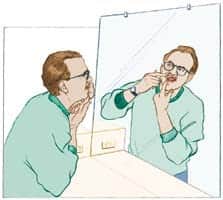 You can see or feel most of these problems. Check your mouth every day. |
You may be surprised that your dentist is important in your cancer treatment. If you go to the dentist before chemotherapy begins, you can help prevent serious mouth problems. Side effects often happen because a person's mouth is not healthy before chemotherapy starts. Not all mouth problems can be avoided but the fewer side effects you have, the more likely you will stay on your cancer treatment schedule.
If you have already started chemotherapy and didn't go to a dentist, see one as soon as possible.
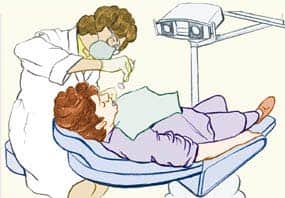
The dentist will do a complete exam.
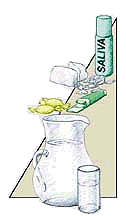
You can do a lot to keep your mouth healthy during chemotherapy. The first step is to see a dentist before you start cancer treatment. Once your treatment starts, it's important to look in your mouth every day for sores or other changes. These tips can help prevent and treat a sore mouth:
 |
 |

Sipping liquids with your meals will make eating easier.
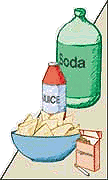 |
Chemotherapy causes other side effects in children, depending on the child's age. Problems with teeth are the most common. Permanent teeth may be slow to come in and may look different from normal teeth. Teeth may fall out. The dentist will check your child's jaws for any growth problems.
The dentist will check your child's mouth carefully and pull loose teeth or those that may become loose during treatment. Ask the dentist or hygienist what you can do to help your child with mouth care.
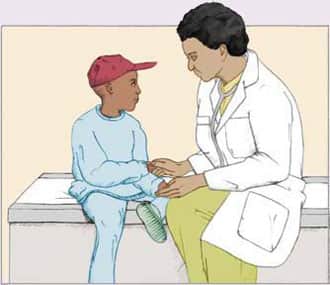
Your child has special dental needs.

Call your cancer doctor or dentist if you
have any mouth problems.
NIH Publication No. 02-4361
Copyright © 2002, 2003 Colgate-Palmolive Company. All rights reserved.
This article is intended to promote understanding of and knowledge about general oral health topics. It is not intended to be a substitute for professional advice, diagnosis or treatment. Always seek the advice of your dentist or other qualified healthcare provider with any questions you may have regarding a medical condition or treatment.