TOOTH SENSITIVITY
If you avoid eating cold foods or drinking hot beverages because your teeth are sensitive, it may be time to get...
NUTRITION ORAL HEALTH
Cookies, cakes, candies and sodas – everywhere you go, there are sugary treats to tempt you and your kids. The effects of sugar...
Significantly reduces gum bleeding and inflammation
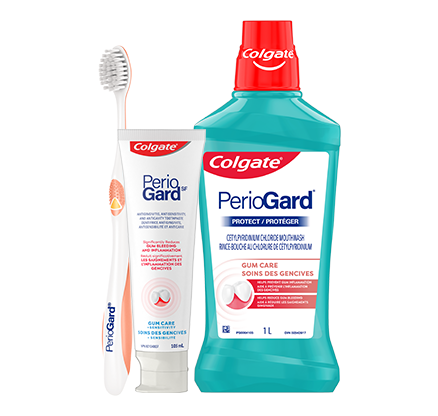
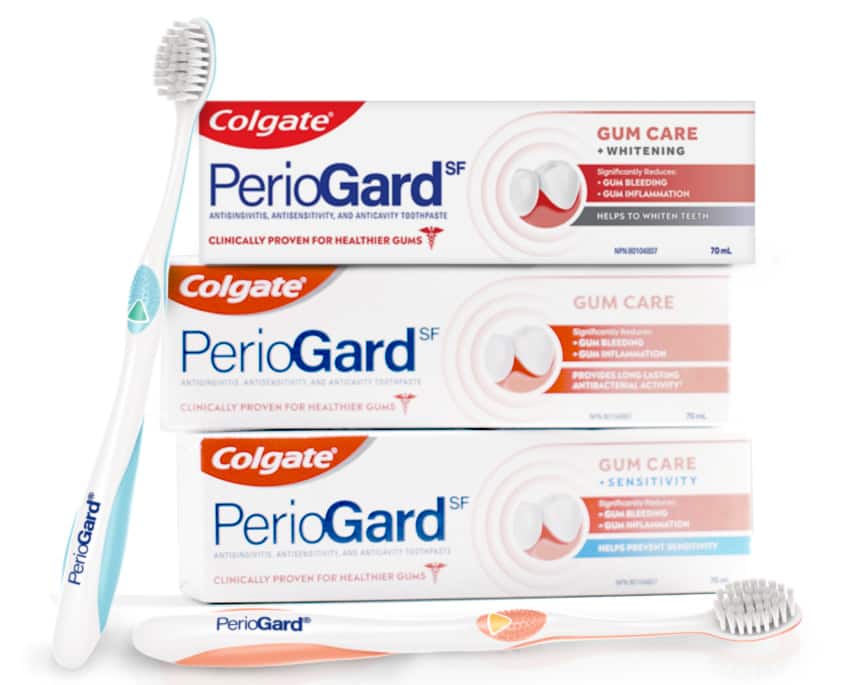
Colgate ® PerioGardSF is a daily toothpaste that fights bacteria that can cause early gum disease. This specialized formula significantly reduces gum bleeding and inflammation, and provides long-lasting gum protection against plaque bacteria with continued use.
This specialized formula significantly reduces gum bleeding and inflammation, and delivers long lasting gum protection against plaque bacteria with continued use.
Explore our wide range of oral health solutions tailored to meet your smile goals. Use our tool and find your perfect match!
Bleeding gums: healthy gums should not bleed when you brush. Bleeding gums may indicate early gum disease.
Swollen gums: plaque buildup can cause red, swollen gums, a symptom of early gum disease (gingivitis). Early treatment is important.
Bad breath: it can result from gum disease due to plaque and bacterial buildup causing gum irritation.
Receding gums: if left untreated early gum disease can advance and lead to gum recession and tooth loss. Visit your dentist for treatment.
Tooth loss: advanced gum disease (periodontitis) caused by plaque buildup and tartar can weaken gum support and lead to tooth loss.
Diabetes: Poor blood supply and weakened defense mechanism can lead to gum disease. Diabetes triples the risk of advanced gum disease (periodontitis).
Pregnancy: Hormonal changes can cause gum swelling and bleeding, putting you at greater risk of gingivitis, an early form of gum disease.
Age: gum problems can occur at any age, but risk increases with age, especially with other risk factors like smoking or diabetes.
Stress: Stress causes a release of cortisol which can deplete the immune system and lead to inflamed gums by allowing harmful bacteria to thrive.
High Blood Pressure: Some high blood pressure drugs can lead to gum disease by promoting plaque and hindering dental care.
Smoking: Smokers are 2.5 to 6 times more likely to develop advanced gum disease, which is usually more severe and harder to treat than in non-smokers.