Common causes of red spots on the roof of the mouth
min read


Oral candidiasis, also known as oral thrush, is a fungal overgrowth that can cause red bumps and white patches anywhere in your mouth, including the roof. But what causes candidiasis in the mouth? Candida is a natural yeast that lives in your mouth; however, sometimes it can multiply and cause problems. Oral thrush may be caused by taking certain medications, like antibiotics or inhalers for asthma, wearing dentures, smoking or having generally poor oral hygiene. If you have oral thrush, you may notice creamy white patches or spots on your tongue or on the inside of your cheeks, raised patches, redness or a burning sensation. It can be unpleasant, but luckily, it’s not contagious. Oral thrush is common in babies and older people with health conditions, including diabetes, iron deficiency or vitamin B12 deficiency. Candidiasis is most often treated with an antifungal medication in the form of a gel, liquid or tablet that you’ll take for 1-2 weeks.
Most people have had a canker sore, also known as a mouth ulcer, at some point in their lives, and while these sores are more common on the inside of the cheeks or lips, they can occur anywhere, including the roof of your mouth. But what causes canker sores? Canker sores can appear as a result of stress, eating spicy or acidic foods, or coming into contact with other irritants. Mouth ulcers normally start as small, red bumps and often develop a white centre. They can be painful or uncomfortable, but they’re not contagious. Most ulcers will heal on their own within a week or so, but there are over-the-counter treatments available that can help reduce pain and discomfort.
Hand, foot and mouth disease, also known as coxsackievirus, is caused by a virus and is commonly found in children under five years of age, but it can occur in people of all ages. Hand, foot and mouth is highly contagious and is easily transmitted through coughs, sneezes, faeces or from coming into contact with blister fluid from someone who has it. The virus can cause painful blisters, red spots or ulcers on the roof of your mouth, as well as on your hands and feet, along with symptoms like a sore throat, rash and a high temperature. Treatment options include over-the-counter medications for fever and pain, as well as medicated mouthwashes to help the discomfort caused by oral sores.
If you have red spots on the roof of your mouth, on your tongue, inside your cheeks or on your gums, make an appointment with your dentist or doctor if they last longer than 3 weeks. If the mouth sore is unusually big, getting worse instead of improving or near the back of your throat, see your dentist immediately.
In rare cases, oral sores or lesions can be a sign of oral cancer, so it’s important to have any painful spots, especially those that cause difficulty in eating or drinking or do not heal quickly, checked by your dentist.
If you’re looking for a solution on how to treat oral ulcers and mouth sores, here are some tips that can improve your overall oral health and help to prevent problems:
Follow a good oral hygiene routine every day, this includes brushing your teeth twice a day, flossing once a day and brushing or scraping your tongue to remove bacteria.
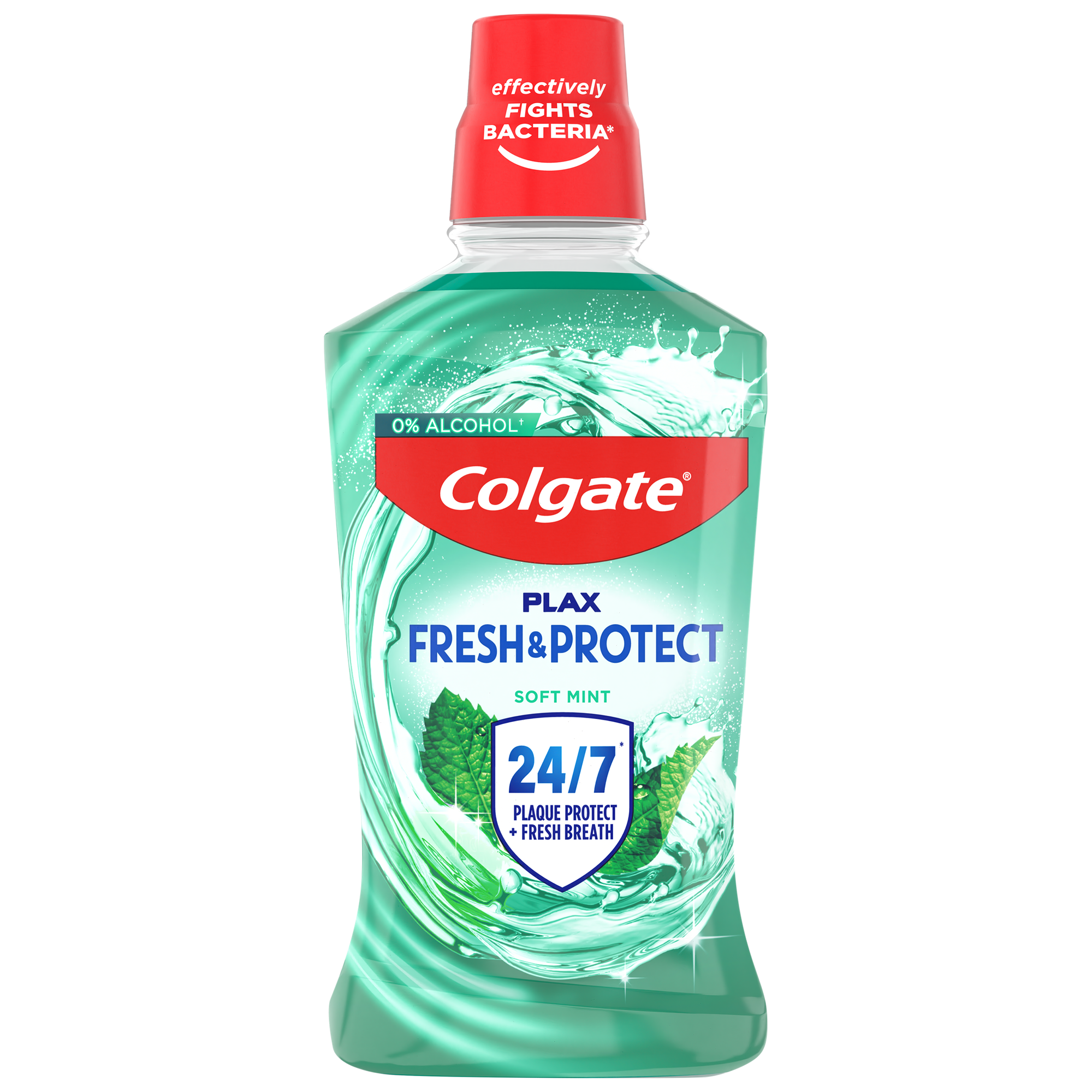
Use mouthwash in between brushing to keep your mouth fresh throughout the day. If your mouthwash contains fluoride, it will also provide your teeth with added protection.
Don’t smoke, vape or use other tobacco products.
Drink plenty of water throughout the day and chew sugar-free gum to encourage saliva production in your mouth and rinse away food particles and bacteria.
Limit alcohol and sugary treats as much as possible.
Visit your dentist every 6 months for checkups and professional cleaning.
Here are the answers to some commonly asked questions about red spots on the roof of the mouth and mouth sores:
Rinsing your mouth with salt water can help to heal mouth sores. Salt water inhibits dental bacteria and has natural healing properties that reduce inflammation. The best part is, it’s easy and inexpensive to make a saltwater rinse at home, and you can use this remedy multiple times a day to aid healing.
If you’re wondering how to treat oral ulcers, your dentist can prescribe a steroid mouthwash to help with the pain and inflammation. Alternatively, many over-the-counter gels and pastes can be applied to individual sores at the first sign of them developing. These products contain active ingredients that help promote healing, like benzocaine, fluocinonide and hydrogen peroxide. Always ask your dentist for advice before using any over-the-counter treatments.
Stress can be a trigger for oral sores and ulcers. Mouth ulcers can be caused by a vitamin B deficiency or any kind of trauma or mouth injury. However, studies show stress is also a major factor in their development. Mouth sores that look like red or white spots may also be brought on by stress.
ORAL HEALTH QUIZ
Take our Oral Health assessment to get the most from your oral care routine
ORAL HEALTH QUIZ
Take our Oral Health assessment to get the most from your oral care routine