How to Keep Gums Healthy: Your Ultimate Guide to Stronger Gums & Teeth
minutes read


Read on to learn why caring for your gums is crucial for oral health and overall well-being. Understand the signs of healthy gums and the warning signs of gum problems. Discover simple oral care and lifestyle tips to maintain healthy teeth and gums for life.
Gums or gingiva are soft, typically pink tissues that surround your teeth. However, they do more than just sit around your teeth. The gums offer:
Stability of Teeth: The gums hold your teeth firmly in their sockets and seal their base. This keeps your teeth stable for proper biting and chewing. Damage to the gum tissues can loosen teeth, make them shift and eventually fall out.
Protection: The gums protect the jawbone and deeper tissues from bacteria and friction from food. They seal around the tooth roots, protecting them from bacteria, decay and other issues.
Healthy teeth and gums are essential for a beautiful smile and overall health. Poor gum health and gum disease are often linked to other health problems. These include respiratory problems, diabetes or cardiovascular disease. Gum problems also promote bacteria that release foul-smelling compounds, causing bad breath. Hence, keeping your gums clean and healthy is important to protect the beauty of your smile and overall health.
Maintaining healthy teeth and gums requires knowing the signs of health as well as problems. It helps to have a prior understanding of what normal gums look like and the signs of problems, if any. Gum and tooth colours can vary among individuals. However, knowing what healthy gums look like can help you identify if something is not right. Spotting unusual changes in your gums and seeking prompt professional care helps rule out or stop a problem before it worsens.
Gum colour and appearance differ among people. However, healthy gums are typically pink, devoid of swellings, and fit snugly around the teeth. Provided you do not have other oral care issues like tooth decay, here are some signs to tell if your gums are healthy:
Pink, smooth and firm gums
Gum tissues tightly fit around each tooth and are not pulled away
No swellings, sores, tenderness or pus-filled abscesses
Gums do not bleed when brushing or flossing
No persistent bad breath
If you are wondering how to keep gums healthy, it all boils down to good oral hygiene. A proper and consistent oral care routine is the best way to protect your gum health and prevent gum problems. This includes brushing, flossing and rinsing to remove plaque and bacteria, the most common cause of oral health issues.
Paired with regular dental checkups, good dental care habits can go a long way in keeping your whole mouth clean and supporting gum health. Below are some simple healthy gums tips you can follow every day.
Daily brushing is an essential part of dental hygiene. It removes food debris and plaque from your teeth and gums and keeps your mouth clean. Brushing twice daily is important for healthy teeth and gums. Besides, practising the right brushing technique is vital for effective cleaning. Here are some tips to make your brushing routine most beneficial:
Brush your teeth for two minutes twice daily, in the morning and before bed.
Use a toothbrush with soft-bristles to gently clean your teeth and gums.
Brush in gentle circular motions to clean your gums and teeth effectively without hurting them.
Use a fluoride toothpaste (recommended by the dentist). It helps protect and strengthen your teeth, helping prevent cavities.
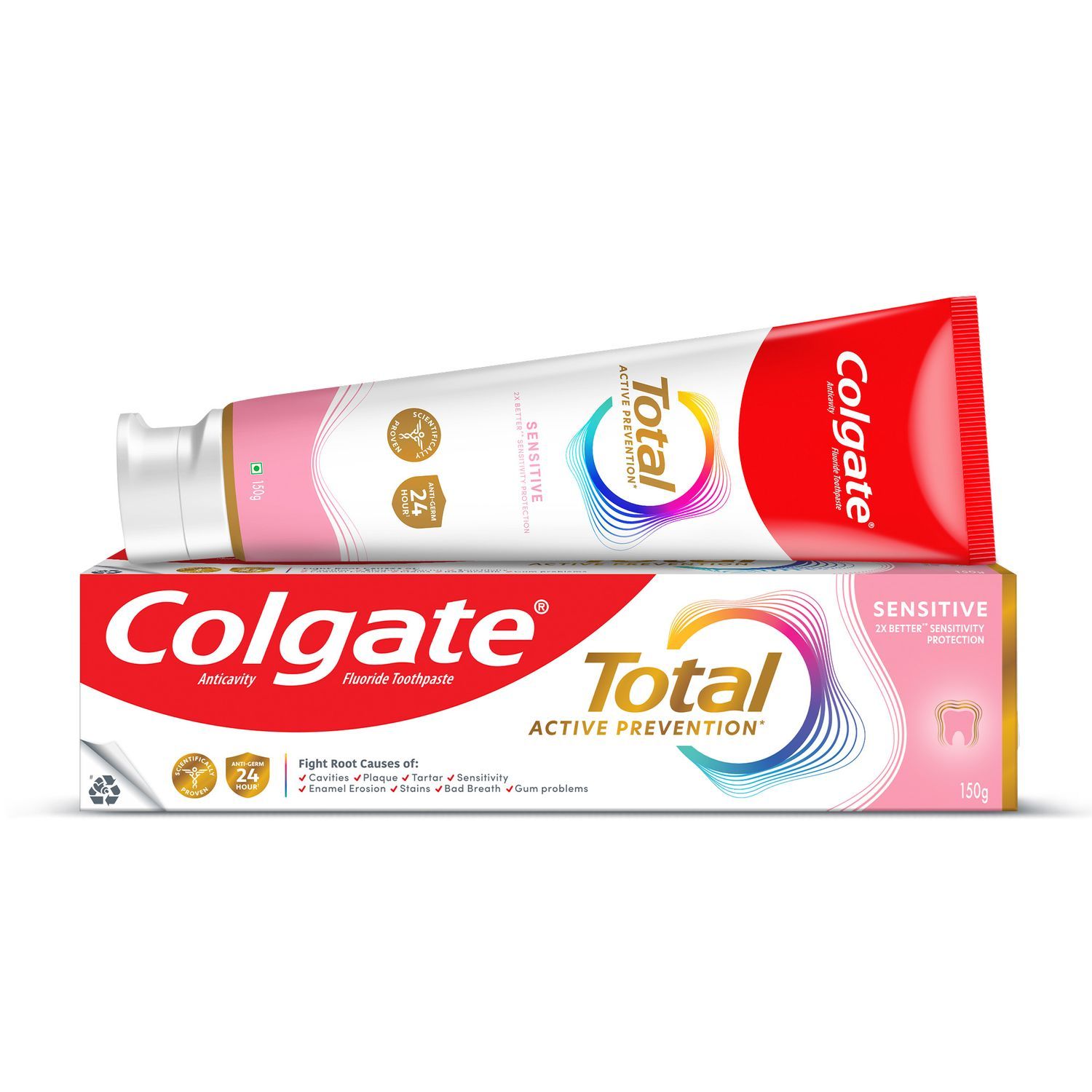
An antibacterial fluoride toothpaste can be a smarter choice to protect your gum health. For instance, consider the Colgate Total toothpaste. It contains a dual zinc and arginine formula that effectively fights bacteria on gums, teeth, cheeks and tongue. It provides a 12-hour antibacterial protection compared to regular toothpaste. If you are wondering how to strengthen teeth and gums, using a formula like Colgate Total can make a big difference.
Some people presume brushing twice alone would suffice and skip flossing. In fact, flossing your teeth daily is as important for gum care and good dental health. It cleans between teeth and under the gumline where your toothbrush cannot reach. Without flossing, plaque hiding in these hard-to-reach areas can harden and lead to gum problems and tooth decay.
Flossing once daily is key to preventing gum irritation and early signs of gum disease. It is a simple habit to keep your gums cleaner, stronger and healthier over time. Wondering what tools to use? You may use a string floss, a water flosser or an interdental toothbrush. As with brushing, using the right flossing techniques matters for effective cleaning without hurting your gums.
Along with brushing and flossing, rinsing your mouth is essential for maintaining healthy gums. It washes away food particles and germs responsible for infections, tooth decay, bad breath and gum problems. Rinse your mouth thoroughly with water after every snack or meal is vital for cleaner and healthier teeth and gums.
For many people, mouthwash is a tool to freshen breath. However, an antibacterial mouthwash does a lot more. It offers extra protection for your whole mouth. It fights harmful germs, helps reduce plaque and keeps your mouth clean. A daily rinse can support dental health and fresher breath. Though there are various types of mouthwash, an alcohol-free formula is ideal to avoid irritating your gums. A dental professional can suggest what is best for you.
When considering how to keep teeth and gums healthy, your diet and lifestyle choices matter. There is more to consider than just daily oral hygiene habits. What you eat or drink, how often you get a dental checkup done and how you manage stress all come into play. Watching your diet and lifestyle habits can make a big difference to your gum health and overall dental health.
Here are some healthy gums tips on diet and lifestyle you can consider:
Eat Healthy: Choose a balanced diet. Include foods rich in nutrients like calcium and vitamins for healthy teeth and gums. It includes crunchy fruits, vegetables, dairy products and sources of lean protein.
Cut Down on Sugar: Sugary or starchy foods feed harmful bacteria that promote plaque, tooth decay and gum infections. It is best to limit their consumption and rinse your mouth thoroughly after snacking.
Stay Hydrated: Drinking enough water washes away germs and food residues. It also promotes good saliva flow to support a healthy oral environment.
Quit Tobacco: Avoid smoking or tobacco use. These habits damage your gum health and can worsen existing oral health problems.
Manage Stress: High stress can affect the immune system and worsen gum problems. Hence, it is vital to manage stress and find solutions to keep yourself relaxed.
Schedule Dental Checkups: Book a dental checkup every six months to keep your teeth and gums healthy. Professional cleanings remove plaque and tartar deposits missed by your daily oral care habits. A dentist can also address the early signs of gum disease and other oral health issues before they worsen.
Healthy gums are as important as healthy teeth for a beautiful smile. When considering how to make gums strong, proactive care is the key. Simple oral hygiene habits, a healthy diet and smart lifestyle choices can go a long way in supporting gum health. Besides, timely professional care can prevent potential gum problems before they arise. Consistent oral care habits and regular dental checkups can keep your smile healthy and bright.
Brush two times daily, in the morning and at bedtime, for two minutes each. Floss once daily. These habits are essential to keep your teeth and gums clean and healthy.
Yes. Poor nutrition can lead to deficiencies that increase the risk of gum disease. Besides, sugary foods can promote bacteria and plaque. It is best to choose a healthy diet including fruits and vegetables that supply essential nutrients to support your gums and teeth.
Receding gums cannot grow back. However, timely professional care can stop the problem from getting worse. Good oral hygiene habits and regular dental checkups are important to protect the remaining gum tissues.
This article is intended to promote understanding of and knowledge about general oral health topics. It is not intended to be a substitute for professional advice, diagnosis or treatment. Always seek the advice of your dentist or other qualified healthcare provider with any questions you may have regarding a medical condition or treatment.
ORAL HEALTH QUIZ
Take our Oral Health assessment to get the most from your oral care routine
ORAL HEALTH QUIZ
Take our Oral Health assessment to get the most from your oral care routine

Gum disease
How to Address Pus from Gums: Solutions for Teeth Gum Infection
Gum disease
Finding the Best Toothpaste for Gums
Adult Oral Care
Hydrogen Peroxide and Oral Care BenefitsHydrogen peroxide is a whitening agent, but it can also help kill bacteria that damage your gums. Learn how hydrogen peroxide gums treatment works, here.