When Should Kids Start Using Fluoride Toothpaste?
minutes read

In this article:
Key takeaways
When to start: as soon as the first tooth appears, usually around six months.
How much: a smear the size of a grain of rice under age two, and a pea-sized amount from two to six.
Supervision: put the toothpaste on the brush yourself and supervise brushing until at least age seven.
After brushing: teach children to spit out the extra foam but not to rinse with water straight away.
Fluoride toothpaste strengthens developing enamel and helps prevent cavities, even in baby teeth. Early fluoride exposure hardens the enamel and builds resistance to the acids made from sugar.
Before age six, fluoride helps mineralise the permanent teeth still forming below the gums.
Fluoride works into developing enamel to form fluorapatite, which is stronger and more resistant to acid.
This early strengthening reduces decay and helps prevent cavities later in childhood and adulthood.
Kids should start using fluoride toothpaste as soon as the first tooth appears, usually around six months old. The Indian Dental Association suggests just a smear of fluoridated toothpaste for children under two, which balances protection with safe use.
Before that first tooth, gently wipe your baby’s gums with a clean, damp gauze pad or soft cloth after feeds. Once teeth appear, use a soft-bristled baby toothbrush or finger brush and a light touch. This gets your baby used to the feeling of a brush and teaches them that brushing is pleasant, not frightening.
In India, the Dental Council of India’s National Oral Health Survey found that half of five-year-olds already had tooth decay. Brushing with fluoride from the first tooth, twice a day, morning and night, helps prevent these early cavities.
If you are unsure about timing, discuss your child’s fluoride and dental care needs with your dentist or paediatrician. Learn more about what fluoride is and how it works.
The right amount depends on your child’s age. Used in the right quantity, fluoride toothpaste strengthens enamel safely:
Under 2 years: a smear no bigger than a grain of rice.
2 to 6 years: a pea-sized amount.
6 years and over: at least a pea-sized amount, once your child spits reliably.
Using more toothpaste does not add protection. The right amount keeps fluoride in saliva at an effective, healthy level. Teach your child to spit, after brushing. Do not swallow.
Birth to first tooth: wipe the gums with a clean, damp gauze pad or cloth after feeds and at bedtime.
First tooth to 2 years: brush twice a day with an infant toothbrush with extra-soft bristles and a small head, and a smear of fluoride toothpaste made for babies. Floss gently once two teeth touch.
2 to 6 years: use a pea-sized amount, brush twice a day, and help your child spit out the foam. Brush again yourself at bedtime to make sure every surface is clean.
7 years and over: most children can brush on their own, but keep checking their technique and introduce flossing.
When choosing a toothpaste for your baby, pick one labelled for their age and avoid strong flavours and unnecessary additives. Most young children dislike strong mint, so a milder flavour helps. Make brushing fun with songs and a colourful brush, and let your baby see you brush your own teeth.
Schedule your baby’s first dental visit by their first birthday or when the first tooth appears.
Supervised brushing keeps children safe and builds good habits. Put the toothpaste on the brush yourself, watch while they brush, and make sure they do not swallow it. Keep helping until at least age seven, or until your child can tie their own shoes.
Used as directed, fluoride toothpaste is safe for young children. Using the correct amount protects against fluorosis while still building strong enamel. For more on this, read Fluoride for babies: is it safe? and our guide to kids toothpaste.
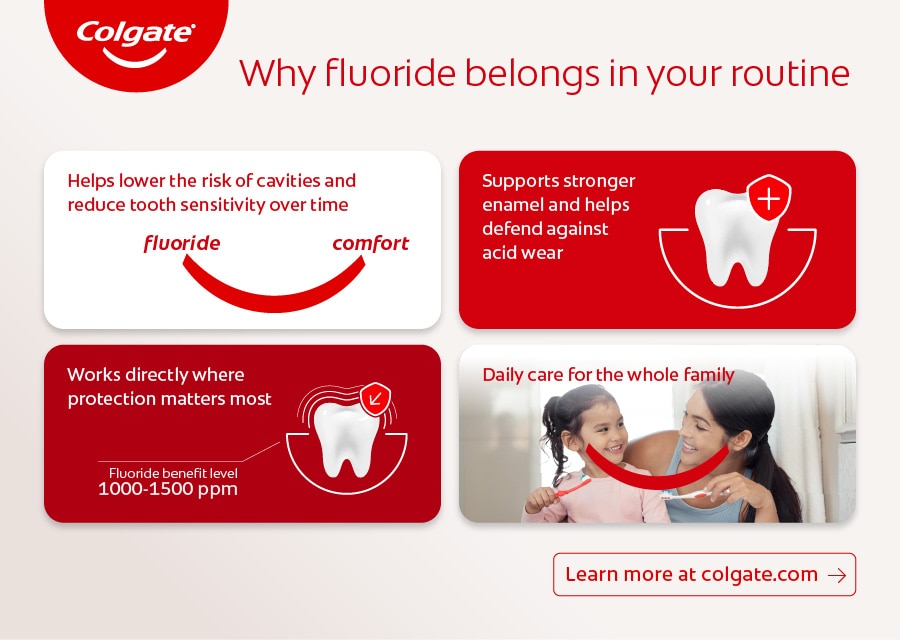
As soon as the first tooth appears, usually around six months of age, using only a smear of toothpaste.
Under two years, a smear no bigger than a grain of rice. From two to six years, a pea-sized amount, with an adult supervising.
Yes. Fluoride toothpaste is safe for babies and young children when you use the right amount for their age, supervise brushing and help them spit out the extra foam. Swallowing a small amount now and then is not a risk.
No. Spitting out the extra foam is enough. Rinsing washes away the fluoride that keeps protecting the teeth after brushing.
This article is intended to promote understanding of and knowledge about general oral health topics. It is not intended to be a substitute for professional advice, diagnosis or treatment. Always seek the advice of your dentist or other qualified healthcare provider with any questions you may have regarding a medical condition or treatment.
ORAL HEALTH QUIZ
Take our Oral Health assessment to get the most from your oral care routine