How to Stop Clenching Teeth at Night
minute read

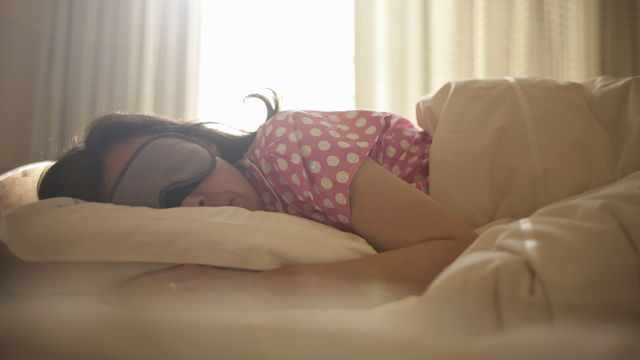
Dentists have a name for the grinding and clenching of teeth. It's called bruxism. If you do it at night, it's called sleep bruxism. Many times, dentists notice the condition because when it becomes severe enough, it can cause damage to the enamel of your teeth.
So how can you tell if clenching teeth at night is going to cause dental problems for you? Look for these symptoms:
If you see any of these symptoms, check in with your dentist to evaluate the possible causes. If not addressed, bruxism can cause damage to the tooth enamel or chipped or broken teeth. You can also take proactive steps to prevent the night-time grinding.
Most clenching and grinding is caused by emotional stress or anxiety. To stop bruxism from occurring, you should start by addressing any stressful situations in your life. Then, take these steps to relax before bed:
ORAL HEALTH QUIZ
Take our Oral Health assessment to get the most from your oral care routine
ORAL HEALTH QUIZ
Take our Oral Health assessment to get the most from your oral care routine