Sensitive Teeth During Pregnancy: What To Expect And How To Cope
minute read


Each of the hormonal changes happening in your body are equally the biggest culprits in tooth and gum pain during pregnancy. From increased blood flow to hyperactive hormones, pregnancy takes its toll. The most common causes of sensitive teeth during pregnancy include:
Although pregnancy can limit some of the medicinal intervention often used to treat sore teeth and gums, with some extra care and attention, you can keep your smile healthy during your prenatal nine months. Maintaining all the great hygiene habits you've used up to this point will keep you healthy and pain-free, so don't forget to give your mouth a little TLC, too. Here are four things you can do for your sensitive teeth during pregnancy:
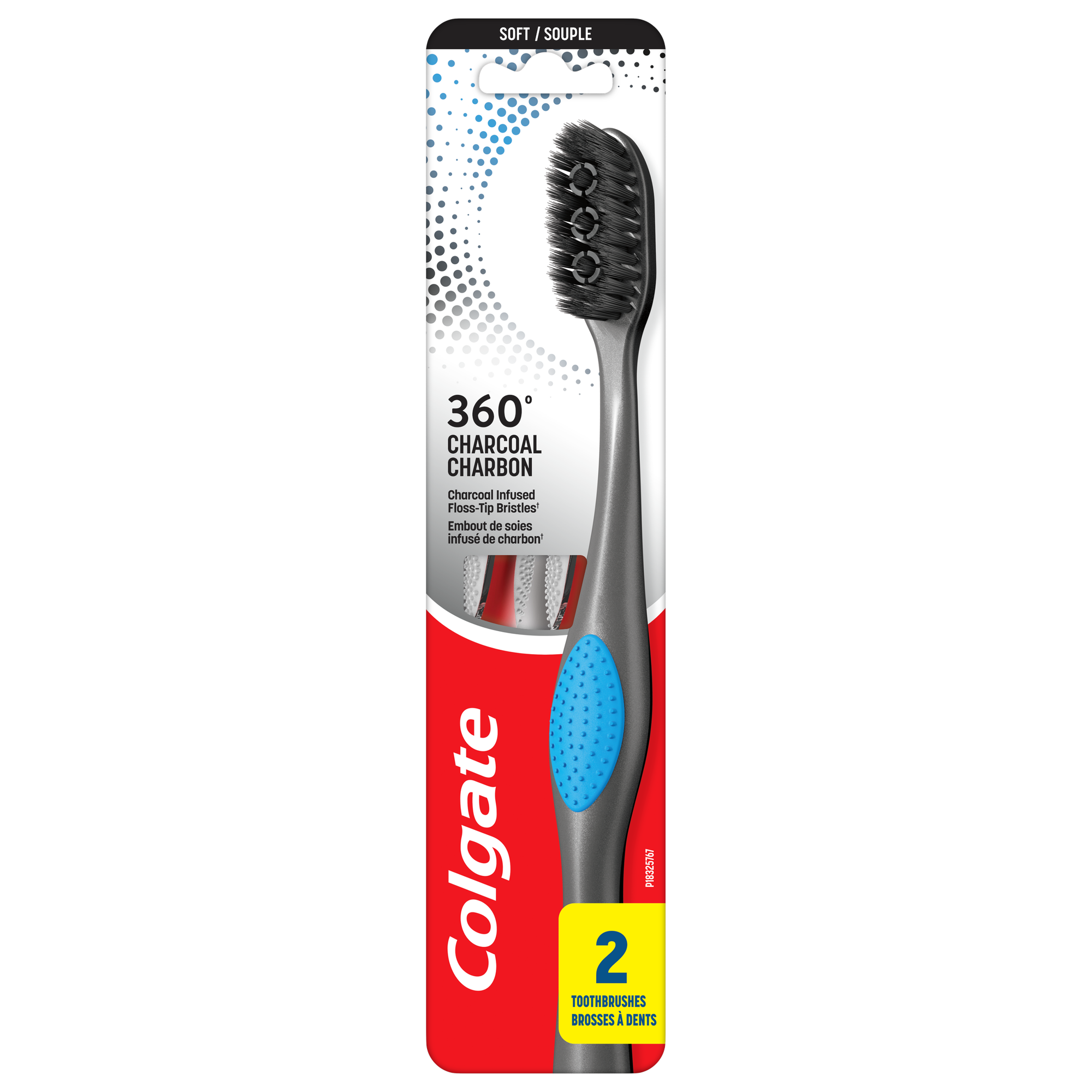
Choose a soft-bristled brush. Sensitive teeth require a sensitive touch, suggests the March of Dimes. A soft-bristled brush, like the Colgate® SlimSoft™, cleans between and around teeth both thoroughly and gently to reduce soreness and bleeding gums into the future.
Take note of the foods that trigger sensitivity. Have you experienced a toothache while drinking tea? Do you find that ice cream puts you in pain? It's best to avoid these "trigger foods." In most cases, according to the APA, sensitivity in the gums goes away after pregnancy, so any subsequent tenderness in your teeth should subside as well, allowing you to indulge in hot and cold foods again in the near future.
Eat fewer sweets. Sugar feeds the bacteria in your mouth, which can lead to cavities and soreness. If possible, reduce the amount of sweets you're consuming. If you must indulge, have a treat and then follow up by brushing to remove this fresh debris from your mouth.
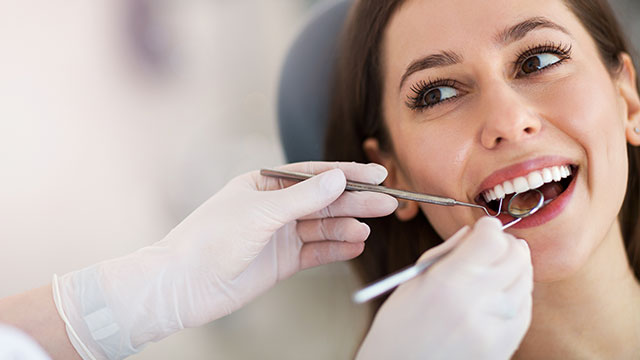
See your dentist. Don't use pregnancy as an excuse to avoid your regular checkup, which keeps your smile healthy even when you're expecting. Just make sure to remind your dentist that you are pregnant, so proper precautions can be taken (like forgoing certain types of x-rays).
It's true that pregnancy means a period of change, especially for your body. But you don't need to endure oral discomfort. Talk to your OB/GYN for safe pain medication suggestions and to ensure that your sensitive teeth don't make for an unpleasant nine months. With consistent professional guidance and personal care, you'll be able to enjoy your pregnancy without worrying about the dental side-effects.
ORAL HEALTH QUIZ
Take our Oral Health assessment to get the most from your oral care routine
ORAL HEALTH QUIZ
Take our Oral Health assessment to get the most from your oral care routine