Kids’ Toothpaste Guide: Fluoride, Amount and Age
minutes read

In this article:
Key takeaways
When to start: brush with fluoride toothpaste as soon as the first tooth appears, usually around six months.
How much: a smear the size of a grain of rice under age two, and a pea-sized amount from two to six.
Supervision: brush for or with your child until they are at least seven, so all plaque is removed and toothpaste is not swallowed.
Kids vs adult toothpaste: children can use adult toothpaste once they can spit reliably, but kids toothpastes are milder and made for small, age-appropriate amounts.
Start brushing your child’s teeth as soon as the first one appears, usually around six months of age. Tooth decay can begin as soon as teeth come through.
In India, the National Oral Health Survey by the Dental Council of India found that half of five-year-olds already had tooth decay. A regular morning and night routine protects the primary teeth, which hold space for the permanent ones.
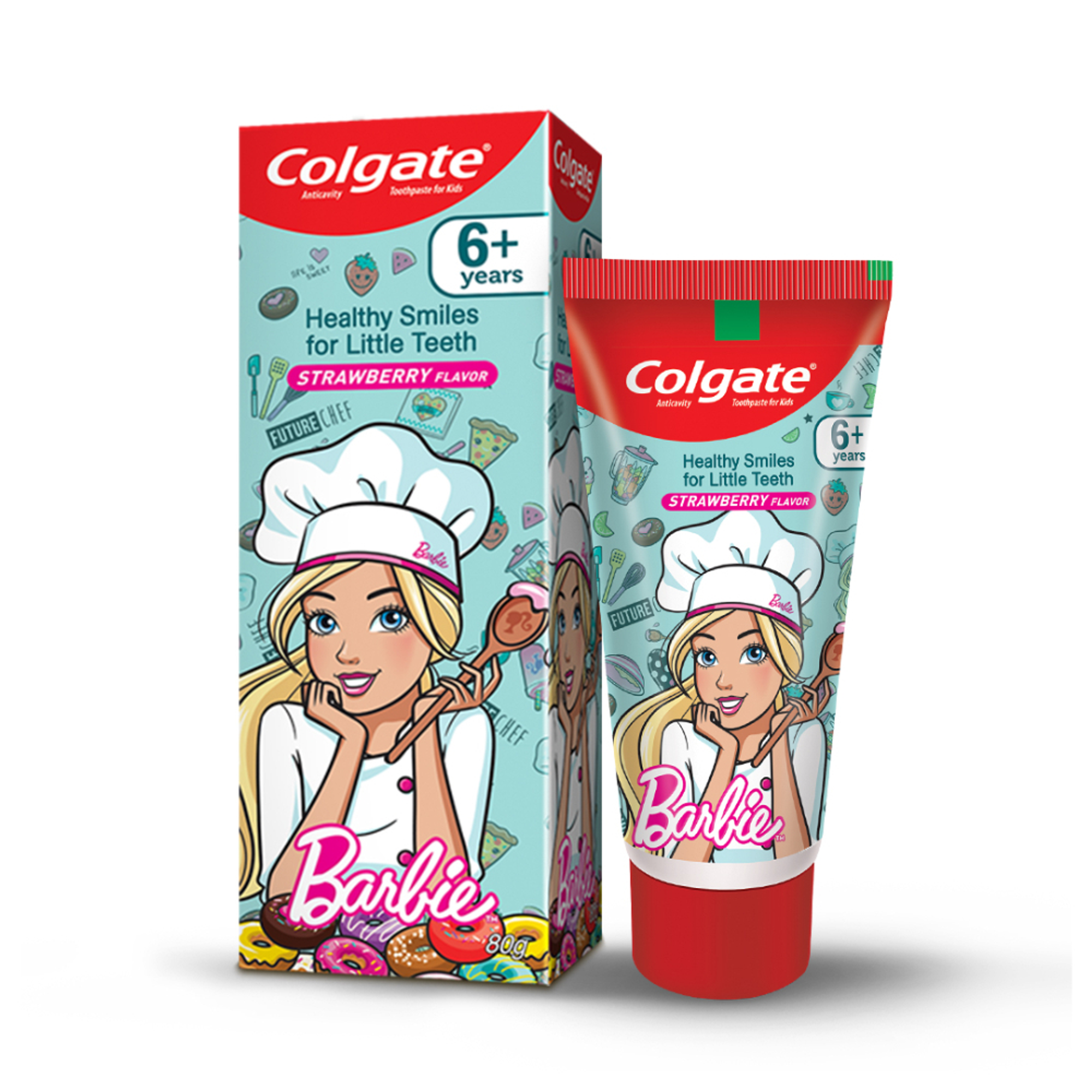
Fluoride toothpaste plays an important part in this, which is why Colgate makes fluoride toothpastes especially for kids.
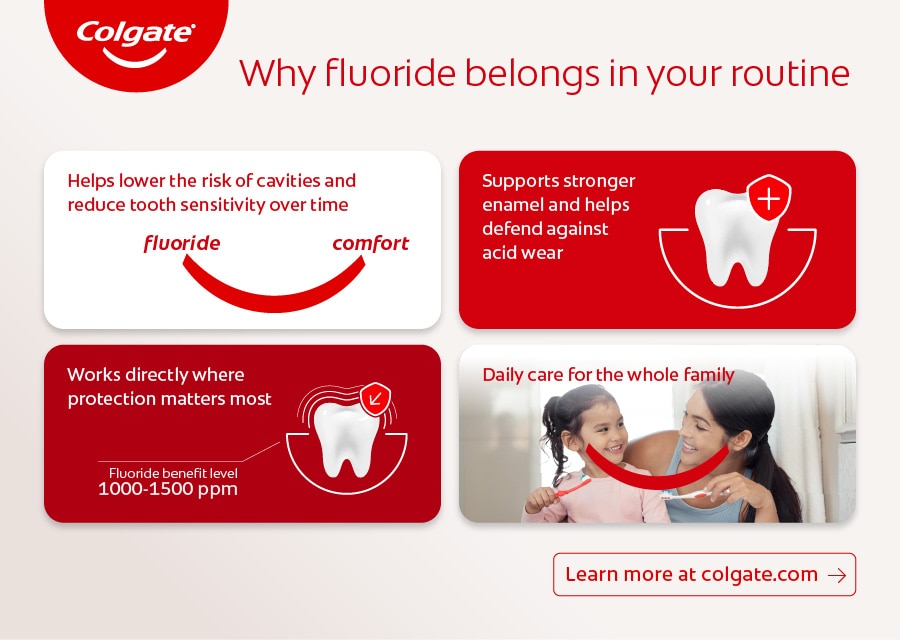
Children are at risk of tooth decay the moment their teeth come in, so brush their teeth consistently. Fluoride is a naturally occurring mineral that helps prevent tooth decay, reverse early decay and remineralise enamel. It is the main defence against cavities in children and adults.
Fluoride strengthens the enamel of primary teeth while they develop, and helps repair damage started by acids from cavity-causing bacteria.
Public water in India is not fluoridated, so for most children, fluoride toothpaste is the main daily source of fluoride for teeth.
According to the Indian Dental Association, parents should supervise their children’s brushing and use only a smear or pea-sized amount of fluoride toothpaste until they are about seven years old. The right amount depends on your child’s age:
Under 2: a smear no bigger than a grain of rice.
2 to 6 years: a pea-sized amount, twice a day, with an adult supervising.
All ages: brush at least twice a day and spit out the toothpaste and do not swallow it.
Before the first teeth appear, gently clean your baby’s gums with a soft infant toothbrush or finger brush to start building the habit.
Fluoride supplements should only be used on the advice of a dentist.
A soft-bristled children’s toothbrush cleans small mouths well without hurting the gums. A brush head that is too big cannot reach the back teeth, where plaque builds up.
Be sure your child has the right size toothbrush when they start brushing, and ask your dentist if you are unsure which size suits their age.
Replace the toothbrush every three months, or sooner if the bristles look worn. Once two teeth touch, start flossing between them once a day.
Making brushing fun, with a song, a timer or a favourite character brush, helps children stick to the two-minute rule.
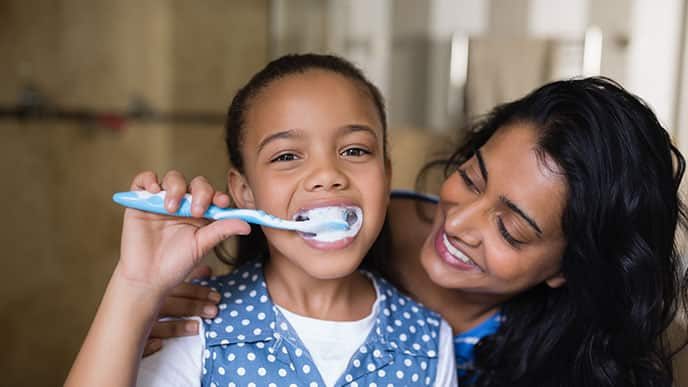
Brush for your child, or supervise closely, until they are at least seven years old. Most young children do not yet have the hand control to remove all the plaque on their own.
It is not unusual for children to have some supervision up to the age of 12, which helps them stay responsible for their own brushing as they grow.
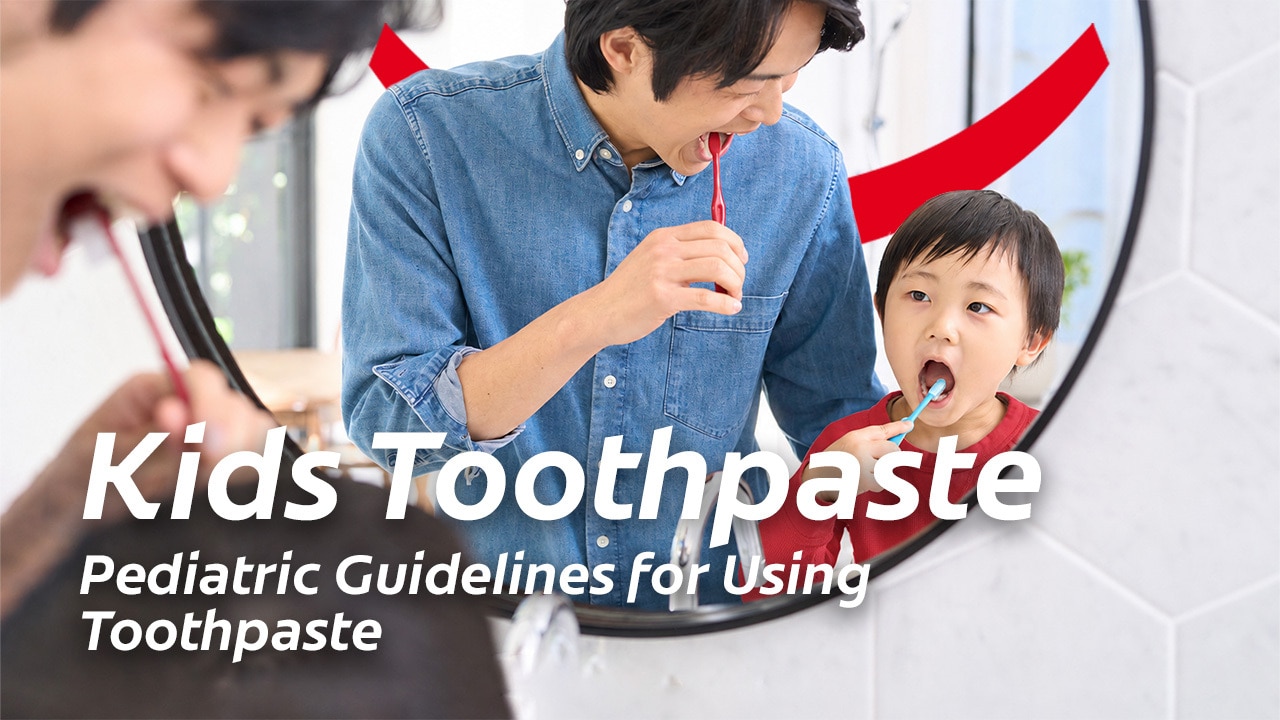
Brush your own teeth alongside your child. Children often copy what their parents do.
Children can technically use adult toothpaste once they can spit reliably. But the two are made differently:
Flavour: kids toothpastes have milder flavours, which makes brushing easier for young children.
Gentleness: Colgate’s kids toothpastes in India are 50% less abrasive than adult toothpaste, so they are gentle on developing enamel.
Fluoride and ingredients: adult toothpastes may have higher fluoride levels and extra ingredients for whitening or tartar control. Kids toothpastes are designed to be used in the small, age-appropriate amounts above.
A seal of approval tells you a toothpaste has been independently checked for safety and effectiveness. Look for the IDA Seal of Approval, which confirms a toothpaste meets the standards set by the Indian Dental Association.
If you are wondering when a child can use regular toothpaste, the answer is usually once they can reliably spit out all the foam, typically around age six.
If your child is prone to cavities, see our guide to the best toothpaste for kids with cavities, or read more about choosing the best toothpaste for kids
Children under two need a smear of fluoride toothpaste, no bigger than a grain of rice. From age two to six, use a pea-sized amount twice a day, with an adult supervising.
Yes, if you prefer the flavour. But adult toothpastes often contain extra ingredients for needs such as whitening or tartar control, so choose based on what your teeth need.
Do not panic if a small amount is swallowed. If your child swallows a very large amount, contact your doctor or go to the nearest hospital straight away. Always encourage your child to spit after brushing.
Kids toothpaste is milder in flavour and gentler on young enamel. It is designed to be used in small, age-appropriate amounts, while adult toothpastes may have higher fluoride levels and extra ingredients for whitening or tartar control.
This article is intended to promote understanding of and knowledge about general oral health topics. It is not intended to be a substitute for professional advice, diagnosis or treatment. Always seek the advice of your dentist or other qualified healthcare provider with any questions you may have regarding a medical condition or treatment.
ORAL HEALTH QUIZ
Take our Oral Health assessment to get the most from your oral care routine