Can You Make a Cloverleaf Tongue?
min read


There are different ways and shapes some people can get their tongues into. They include:
You may be wondering, is the ability to roll one's tongue is a genetic thing? The answer is no, yet there are many schools across the US teaching that it is genetic. Here’s why: In 1940, scientist Alfred Sturtevant conducted a study and claimed that the results favored genetics. However, his study was flawed. For one, some of the kids participating in his study refused to open their mouths. He put them in the “not able to roll their tongues” category. He also noted that some of the kids could roll their tongues, but their parents could not. That fact alone disproves his gene hypothesis. There have been other studies discounting Sturtevant’s findings.
If you can twist your tongue into a cloverleaf, you are gifted. It is one of the rarest tricks. According to a study published in the journal Dysphagia, 83.7% of the population could roll their tongue. Well, that’s impressive. Now you may be wondering, what percentage of the population can do a clover tongue? According to this study, only 14.7%.
According to a study published in the Journal of Clinical & Diagnostic Research, the language you speak is a factor in tongue movement and the ability to roll your tongue. The study included 450 medical students in Malaysia. They came from three ethnic groups (Malay, Malaysian Chinese, and Malaysian Indian). They spoke several different languages.
The study found that Malaysian Indians were more versatile with tongue movements than the Malays and the Malaysian Chinese groups. The conclusion reached was that making certain tongue shapes and movements depended on an individual’s language's lingual demands. So a person whose language engaged the most tongue movements had a leg or, in this case, tongue up in being able to learn how to make different shapes.
So what do you think? Are you thinking of taking up tongue-twisting, rolling, cloverleaf making training so you can be the life of the party? Start practicing. If you speak a language that involves many tongue movements, the odds are in your favor!
Oral Care Center articles are reviewed by an oral health medical professional. This information is for educational purposes only. This content is not intended to be a substitute for professional medical advice, diagnosis or treatment. Always seek the advice of your dentist, physician or other qualified healthcare provider.
ORAL HEALTH QUIZ
Take our Oral Health assessment to get the most from your oral care routine
ORAL HEALTH QUIZ
Take our Oral Health assessment to get the most from your oral care routine
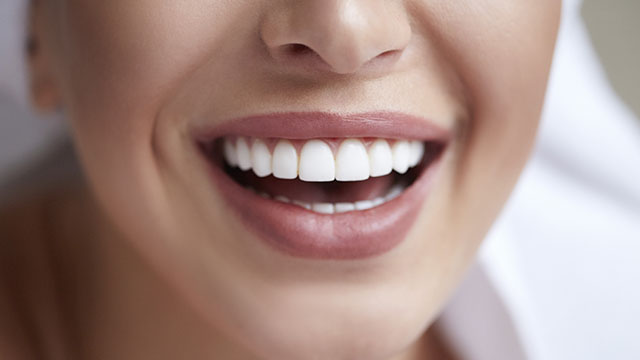
Have you heard of the term dentin tubules? Well, now you have. Dentin tubules are a vital part of your teeth. As you may know, the teeth are made up of tissue layers, and each one serves a unique function. The dentin tubules are located in the dentin, one of the layers below the enamel surface. The role of dentin tubules is to help you feel sensations in your teeth. That's also why they're often blamed for hypersensitivity in people's teeth.

Hypodontia refers to the absence of one or more teeth. Learn how this condition is diagnosed and treated.

Hundreds of tiny bumps called papillae cover your tongue, most of which contain taste buds with sensory cells. There are four types of papillae—filiform, fungiform, circumvallate, and foliate—and each has a role to play. This article looks into the foliate papillae, which are located on the sides of the tongue and contain taste buds.

Tucked inside your infant's gummy, toothless smile is a small piece of tissue under their upper lip called the labial frenulum.
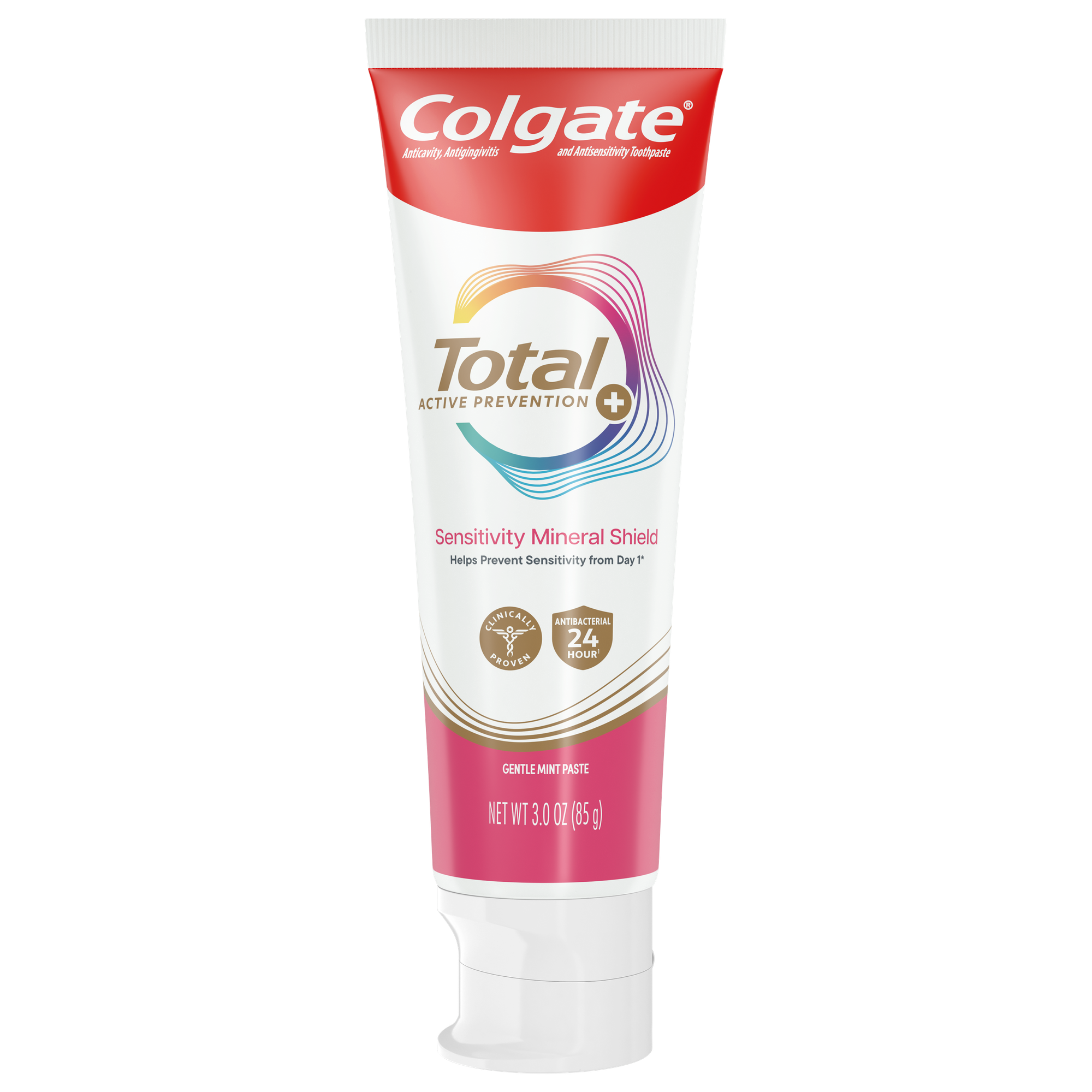
Help prevent sensitivity from day 1* with Colgate Total Active Prevention Sensitivity Mineral Shield Mint Toothpaste.
*with twice daily use
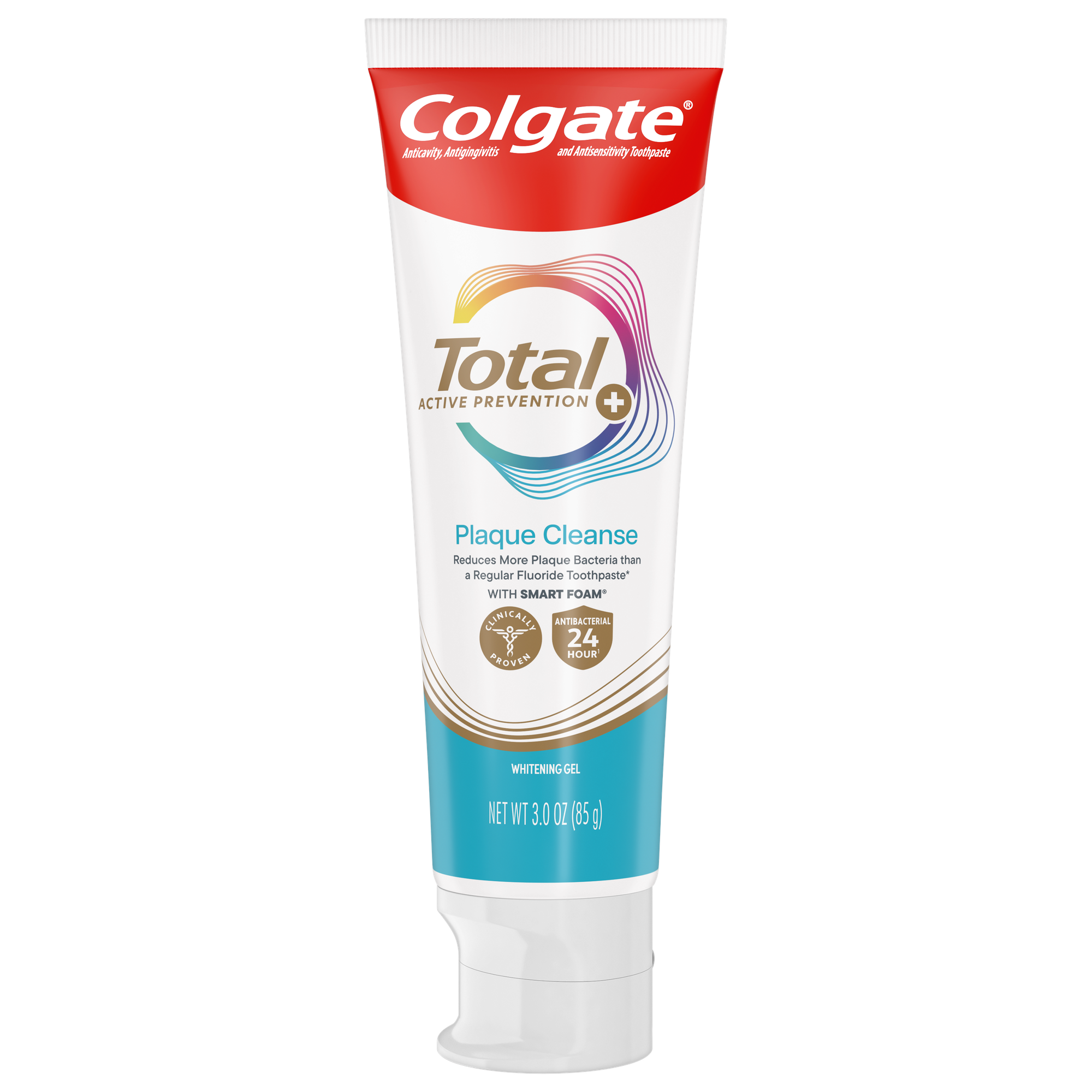
Help promote healthy gums using Colgate Total Active Prevention Plaque Cleanse Whitening Toothpaste Gel. This patented tartar prevention toothpaste fights the root cause* of gingivitis, plaque, tartar, cavities, sensitivity, bad breath, weak enamel, and stains and is 2x more effective*** at fighting bacteria, the root cause of oral health problems like cavities and gingivitis.
*via protection against bacteria and dietary exposures, with daily brushing
***via reduction of bacteria vs. non-antibacterial fluoride toothpaste with 2x daily brushing and 4 weeks use
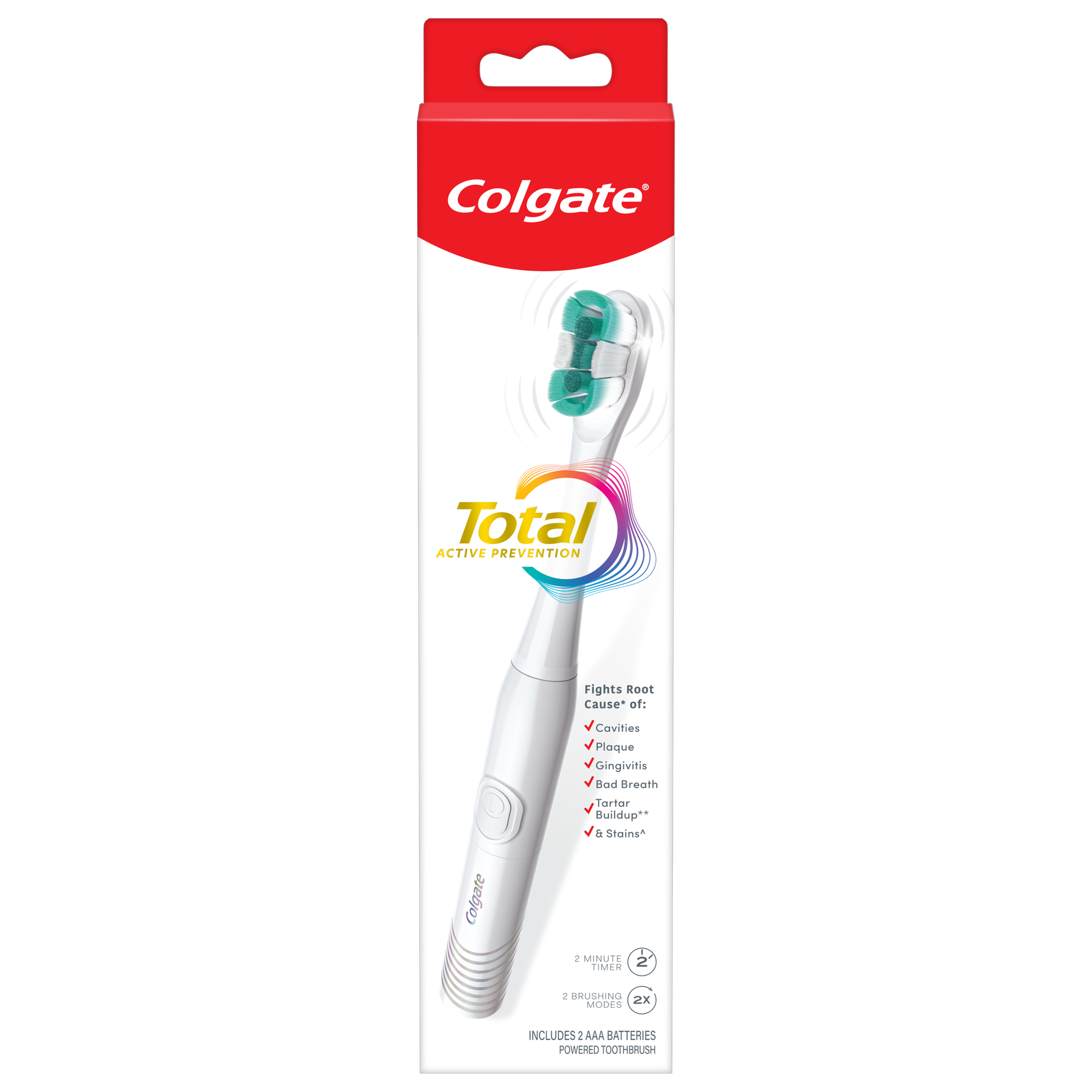
Colgate Total Active Prevention Battery Powered Electric Toothbrush, WhitePower away plaque with Colgate Total Battery Powered Toothbrush.
Colgate Total Fresh Mint Toothpaste fights bacteria, the root cause of many oral health issues such as gingivitis, tartar, sensitivity, weak enamel, bad breath, and cavities.

