What Is A Central Incisor?
3
min read


Central incisors are flat and thin, and they slice through food when you take a bite. Although upper and lower central incisors are similar shapes, they are different sizes. The upper central incisors are wide and the most prominent teeth in the human mouth. The lower central incisors are narrow and smaller.
Functions of central incisors include:
Did you know that the central incisor is often a baby's first tooth? According to the Cleveland Clinic, the lower central incisors usually appear when the baby is six to ten months old. The upper central incisors follow, coming in between the ages of eight to 12 months. And just as they were the first to come in, the central incisors are often the first teeth children lose, usually at six or seven years of age.
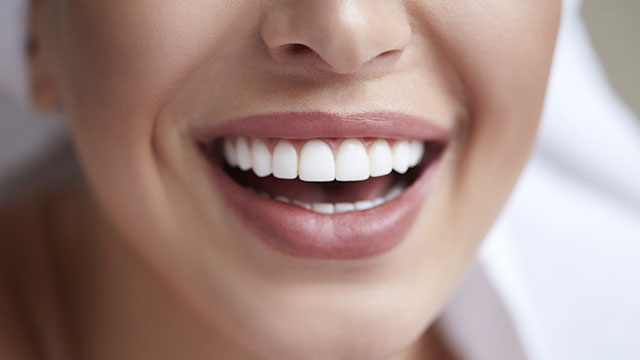
The central incisors' prominent position in the mouth means that any discoloration, decay, or chips are especially noticeable. They're the first thing that's noticed when you smile, so no wonder you want to take care of them!
If you're a parent, you should clean your babies' first teeth as soon as they appear. You can brush them twice a day with a toothbrush made of extra soft bristles. This ensures that you clean your baby's teeth effectively while also taking the gentle care necessary for your baby's developing mouth.
Teens and adults should also maintain a regular oral care routine and visit their dental professional every six months. A rigorous oral care routine includes brushing your teeth twice a day, cleaning between your teeth with floss, a water flosser, or an interdental brush, and rinsing with mouthwash to wash away any remaining bacteria. If the central incisors are poorly positioned, discolored, or chipped, orthodontists and dentists can use braces, teeth whitening, veneers, and a range of other treatments to fix the problem and improve your smile.
A central incisor was probably the first tooth to erupt in your mouth when you were a baby. Beyond the cuteness, central incisors perform essential roles in your everyday life. From eating and speaking to maintaining your facial appearance and jaw position, it's critical to keep your central incisors and your child's central incisors clean and strong. We recommend taking care of your central incisors as best you can. And don't forget to communicate with your dental professional if you notice any urgent issues!
Oral Care Center articles are reviewed by an oral health medical professional. This information is for educational purposes only. This content is not intended to be a substitute for professional medical advice, diagnosis or treatment. Always seek the advice of your dentist, physician or other qualified healthcare provider.
ORAL HEALTH QUIZ
Take our Oral Health assessment to get the most from your oral care routine
Have you heard of the term dentin tubules? Well, now you have. Dentin tubules are a vital part of your teeth. As you may know, the teeth are made up of tissue layers, and each one serves a unique function. The dentin tubules are located in the dentin, one of the layers below the enamel surface. The role of dentin tubules is to help you feel sensations in your teeth. That's also why they're often blamed for hypersensitivity in people's teeth.

Hypodontia refers to the absence of one or more teeth. Learn how this condition is diagnosed and treated.

Hundreds of tiny bumps called papillae cover your tongue, most of which contain taste buds with sensory cells. There are four types of papillae—filiform, fungiform, circumvallate, and foliate—and each has a role to play. This article looks into the foliate papillae, which are located on the sides of the tongue and contain taste buds.

Tucked inside your infant's gummy, toothless smile is a small piece of tissue under their upper lip called the labial frenulum.
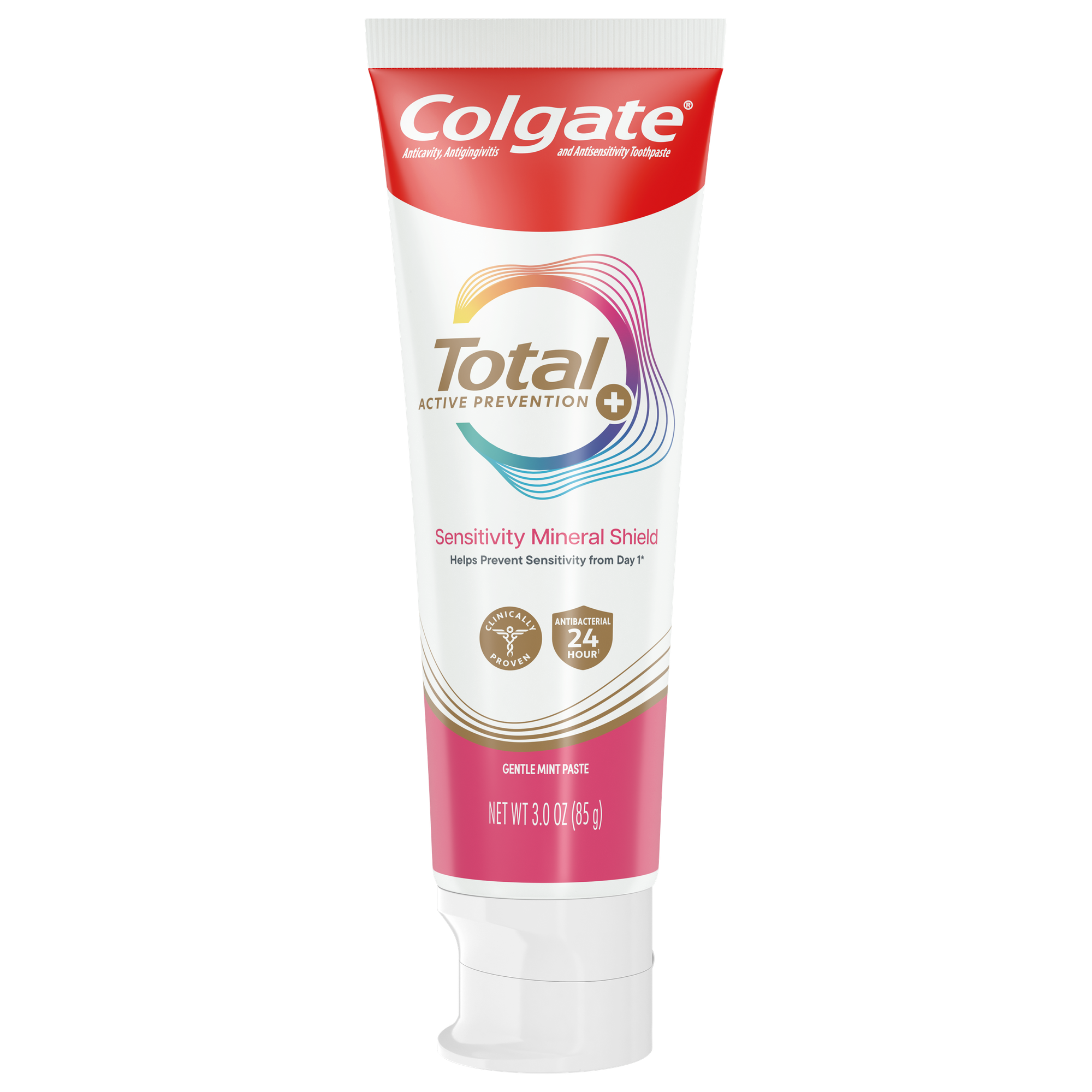
Help prevent sensitivity from day 1* with Colgate Total Active Prevention Sensitivity Mineral Shield Mint Toothpaste.
*with twice daily use
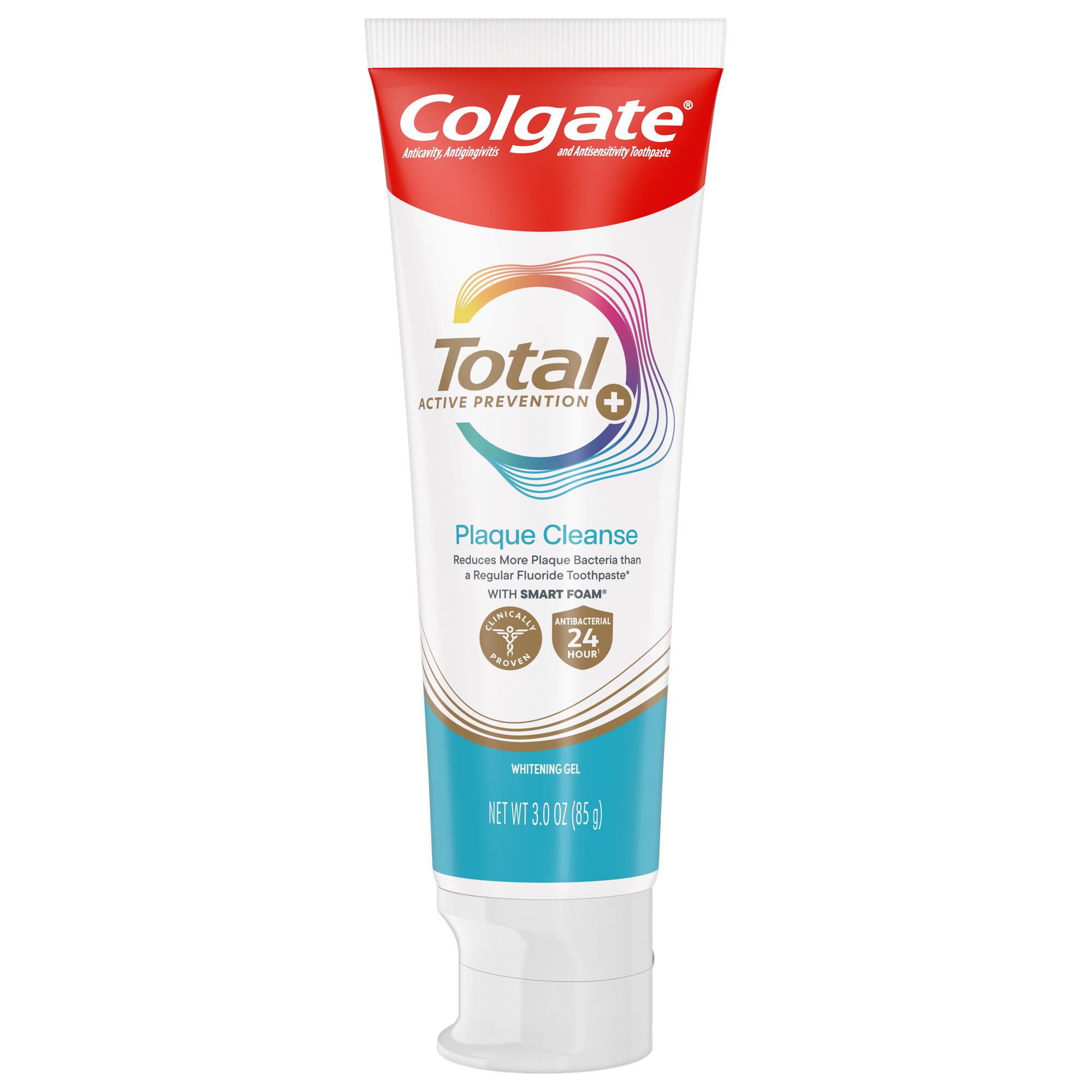
Help promote healthy gums using Colgate Total Active Prevention Plaque Cleanse Whitening Toothpaste Gel. This patented tartar prevention toothpaste fights the root cause* of gingivitis, plaque, tartar, cavities, sensitivity, bad breath, weak enamel, and stains and is 2x more effective*** at fighting bacteria, the root cause of oral health problems like cavities and gingivitis.
*via protection against bacteria and dietary exposures, with daily brushing
***via reduction of bacteria vs. non-antibacterial fluoride toothpaste with 2x daily brushing and 4 weeks use
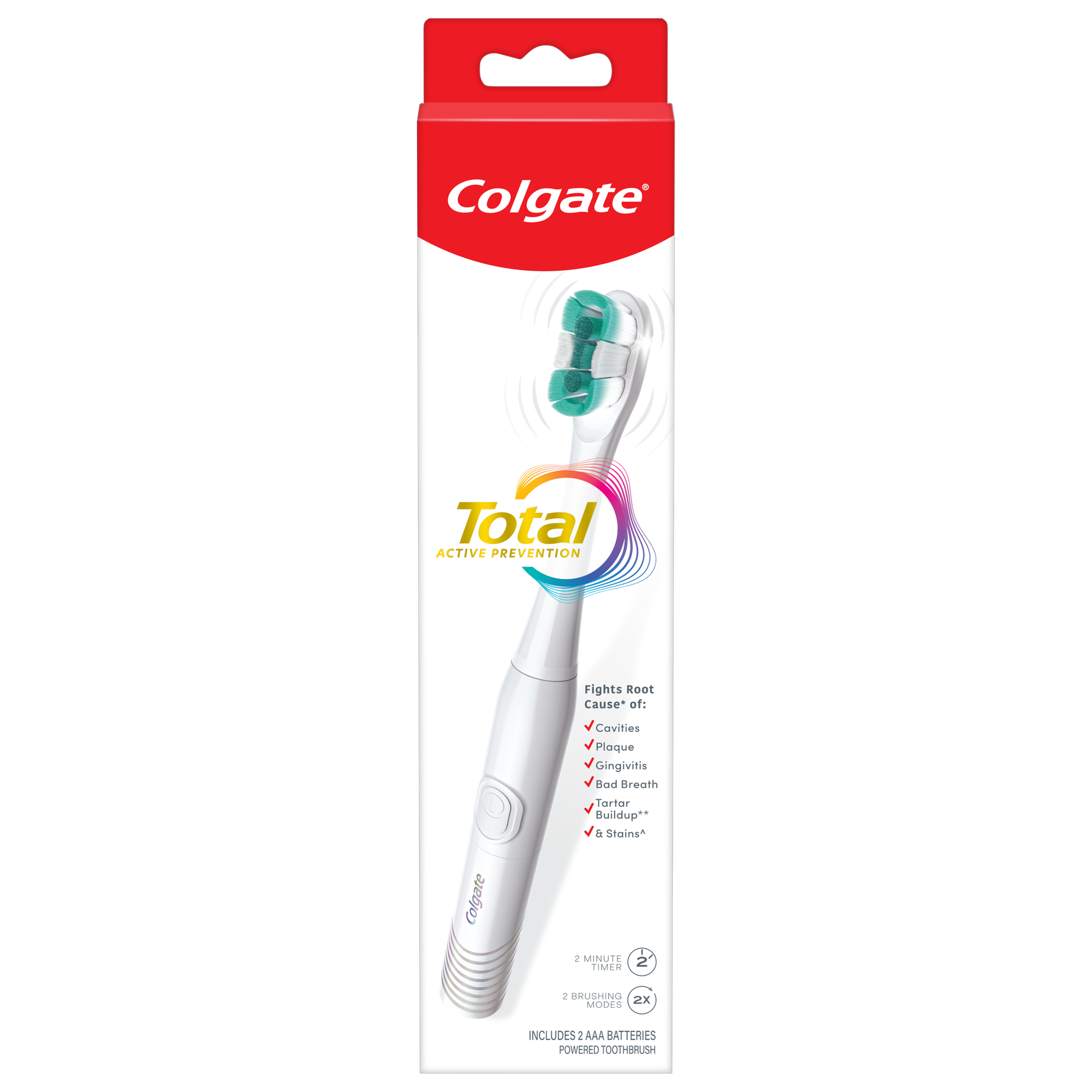
Colgate Total Active Prevention Battery Powered Electric Toothbrush, WhitePower away plaque with Colgate Total Battery Powered Toothbrush.
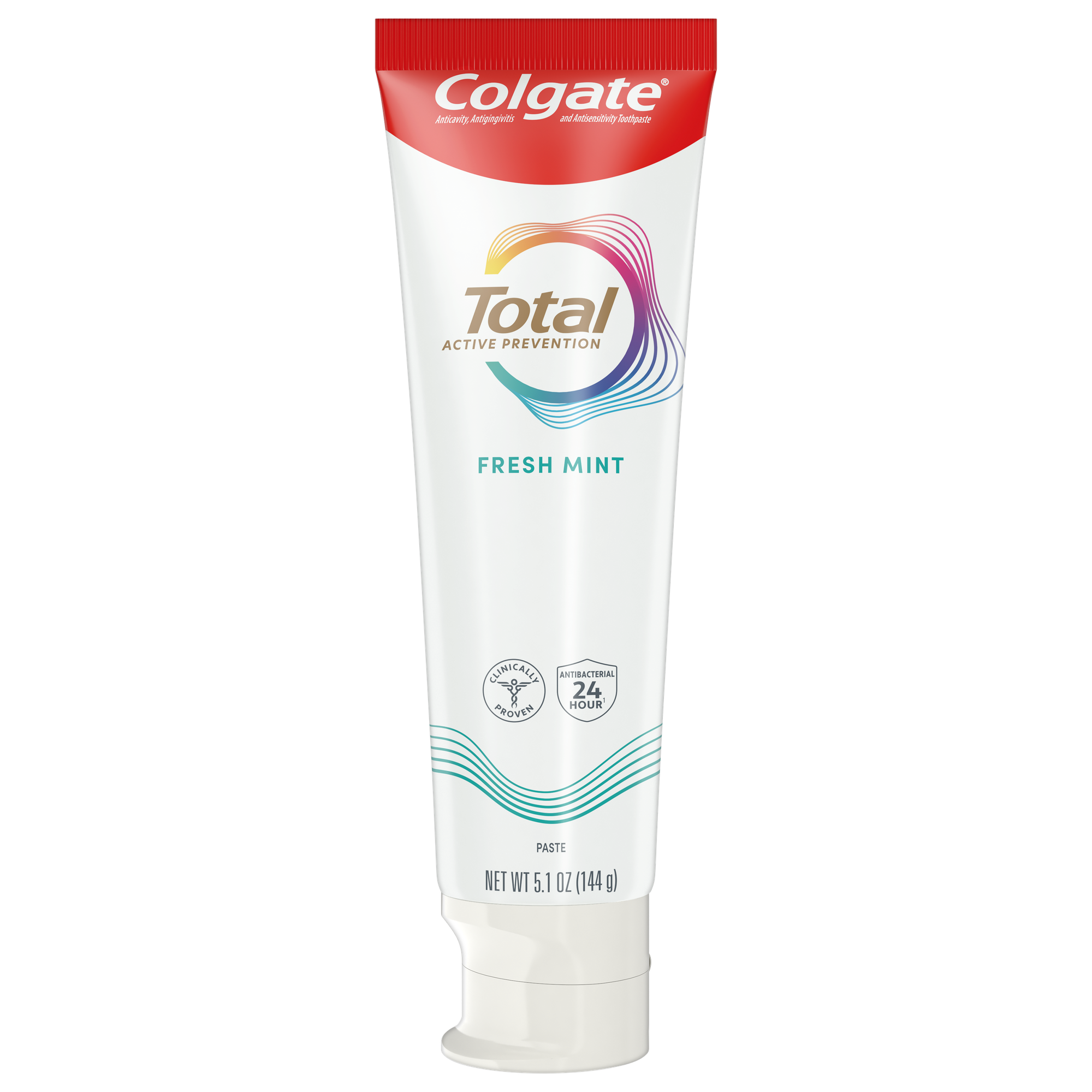
Colgate Total Fresh Mint Toothpaste fights bacteria, the root cause of many oral health issues such as gingivitis, tartar, sensitivity, weak enamel, bad breath, and cavities.


About Cookies on This Site

