Spacers: Preparing Your Teeth for Braces
January 9, 2023.
3
min read


When you conjure the image of braces, you most likely picture a mouth full of metal. Bands fit around the molars to anchor the structure of braces. Brackets connect to bands and each other by archwires and rubber ligatures and sometimes by orthodontic rubber bands. But before your orthodontist installs any of this hardware, they must insert spacers, or orthodontic separators, to create space between your teeth.
What are braces spacers? Spacers are tiny rubber bands inserted between your molars. Before attaching orthodontic bands to the molars, your orthodontist needs to create space between the teeth. Your orthodontist will place them one to two weeks before fitting your braces so that they can create space between molars and remove them before putting on your braces.
Fitting spacers is a simple procedure, but some patients feel a bit of discomfort. The orthodontist stretches the elastic or metal spacer and firmly presses it between the teeth. Once the spacers are correctly inserted, they'll stay in for one to two weeks before you get your braces. Spacers may make your teeth feel sore or tight for the first few days. Luckily, that feeling is normal and should subside, and you can manage the soreness with over-the-counter pain relievers.
One of the drawbacks of wearing spacers and braces is that certain foods are off-limits. Some of the main culprits are sticky foods, such as gum, caramel, and taffy, which can become stuck on and around the braces. Hard foods like corn on the cob, raw apples, and nuts can break wires and loosen brackets. Finally, foods high in sugar and starch can cause plaque to collect around the brackets, so be extra careful to brush thoroughly to avoid decay and staining.
Proper brushing is critical once you have braces and spacers since food particles can lodge themselves in various new nooks and crannies. Brush your teeth back and forth as opposed to up and down, as an up and down motion can cause the spacers to come out. Also, brush carefully with fluoride toothpaste and soft-bristle toothbrush, and clean between your teeth and braces with an interdental cleaning device like floss, water flossers, or a special cleaning tool from your orthodontist. The Mayo Clinic also recommends brushing after every meal, if you can.
From the start of spacers to the day the brackets come off, remember to regularly see your orthodontist and dental professional and maintain excellent oral care at home. If your spacers fall out, reach out to your orthodontist if this happens to see if you need to get them replaced. Sometimes, it’s an indication that your teeth now have enough space between them for braces.
It’s a fact: getting braces is a long process—but it’s all in favor of helping you get a sparkling smile you’ll feel confident showing off. Spacers are just a standard part of this process, and with proper care and patience, they’ll be a helpful tool in creating a straight and confident smile for the rest of your life.
This article is intended to promote understanding of and knowledge about general oral health topics. It is not intended to be a substitute for professional advice, diagnosis or treatment. Always seek the advice of your dentist or other qualified healthcare provider with any questions you may have regarding a medical condition or treatment.
ORAL HEALTH QUIZ
Take our Oral Health assessment to get the most from your oral care routine

Teeth shifting out of alignment can occur for several reasons other than when braces are removed. Learn more about preventative tips for teeth shifting.

The use of at-home braces is a newer concept in dentistry that has many in the profession concerned. Learn more about at home braces and the risks, here.

Tooth wax, also called dental wax, is a soft material that can be used to temporarily cover sharp surfaces inside your mouth.

You can use retainers, teeth whitening procedures, contouring and teeth reshaping after braces come off to perfect your smile.
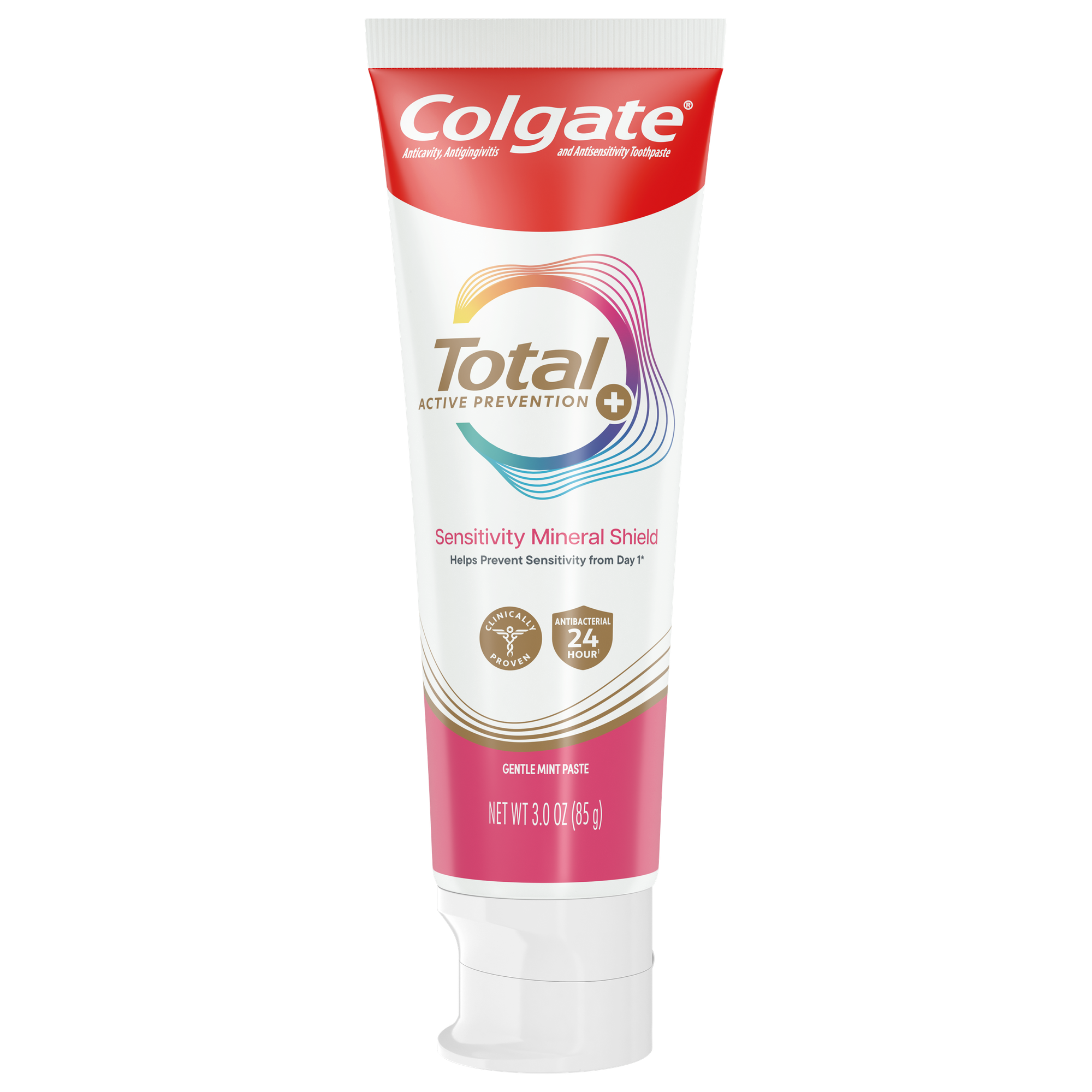
Help prevent sensitivity from day 1* with Colgate Total Active Prevention Sensitivity Mineral Shield Mint Toothpaste.
*with twice daily use
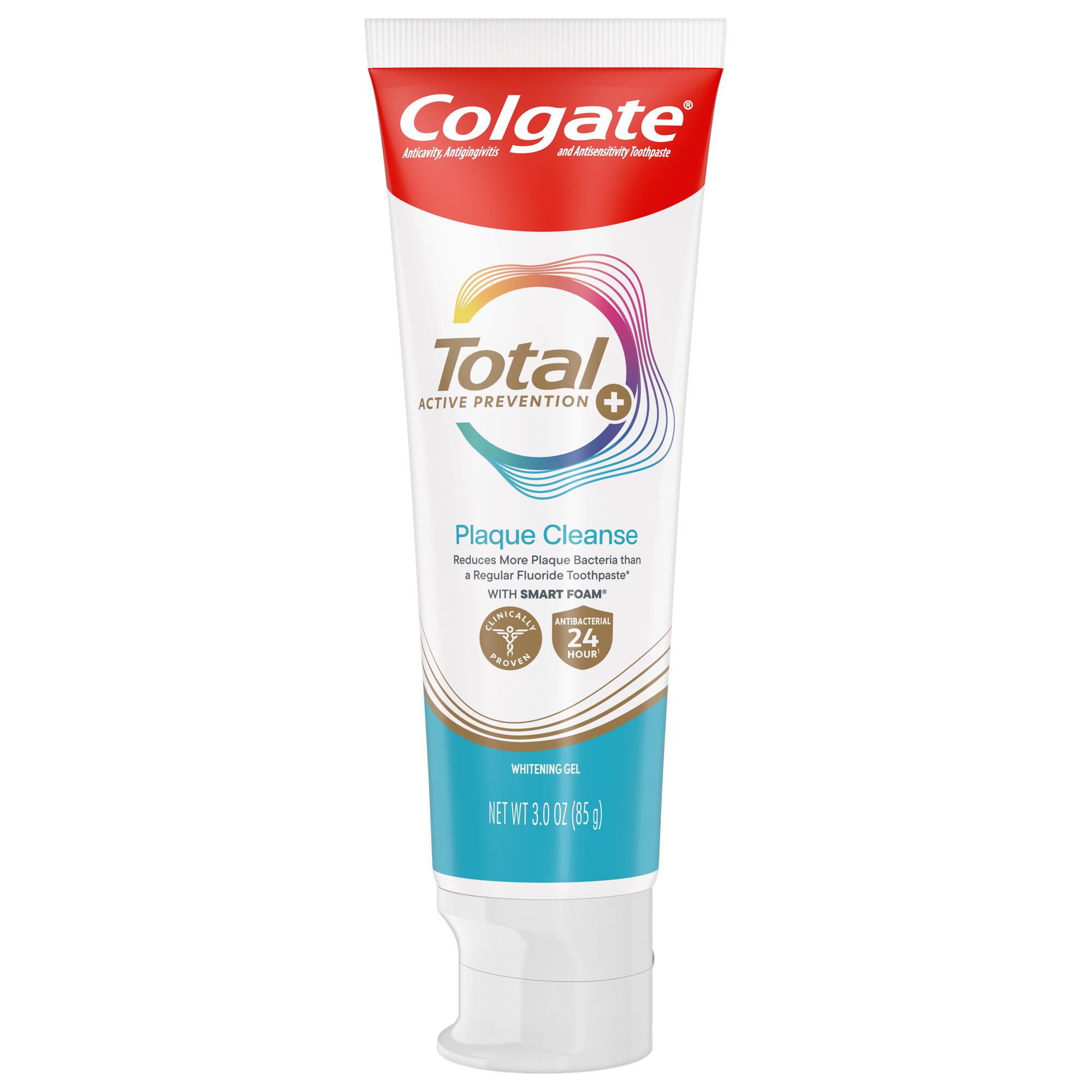
Help promote healthy gums using Colgate Total Active Prevention Plaque Cleanse Whitening Toothpaste Gel. This patented tartar prevention toothpaste fights the root cause* of gingivitis, plaque, tartar, cavities, sensitivity, bad breath, weak enamel, and stains and is 2x more effective*** at fighting bacteria, the root cause of oral health problems like cavities and gingivitis.
*via protection against bacteria and dietary exposures, with daily brushing
***via reduction of bacteria vs. non-antibacterial fluoride toothpaste with 2x daily brushing and 4 weeks use
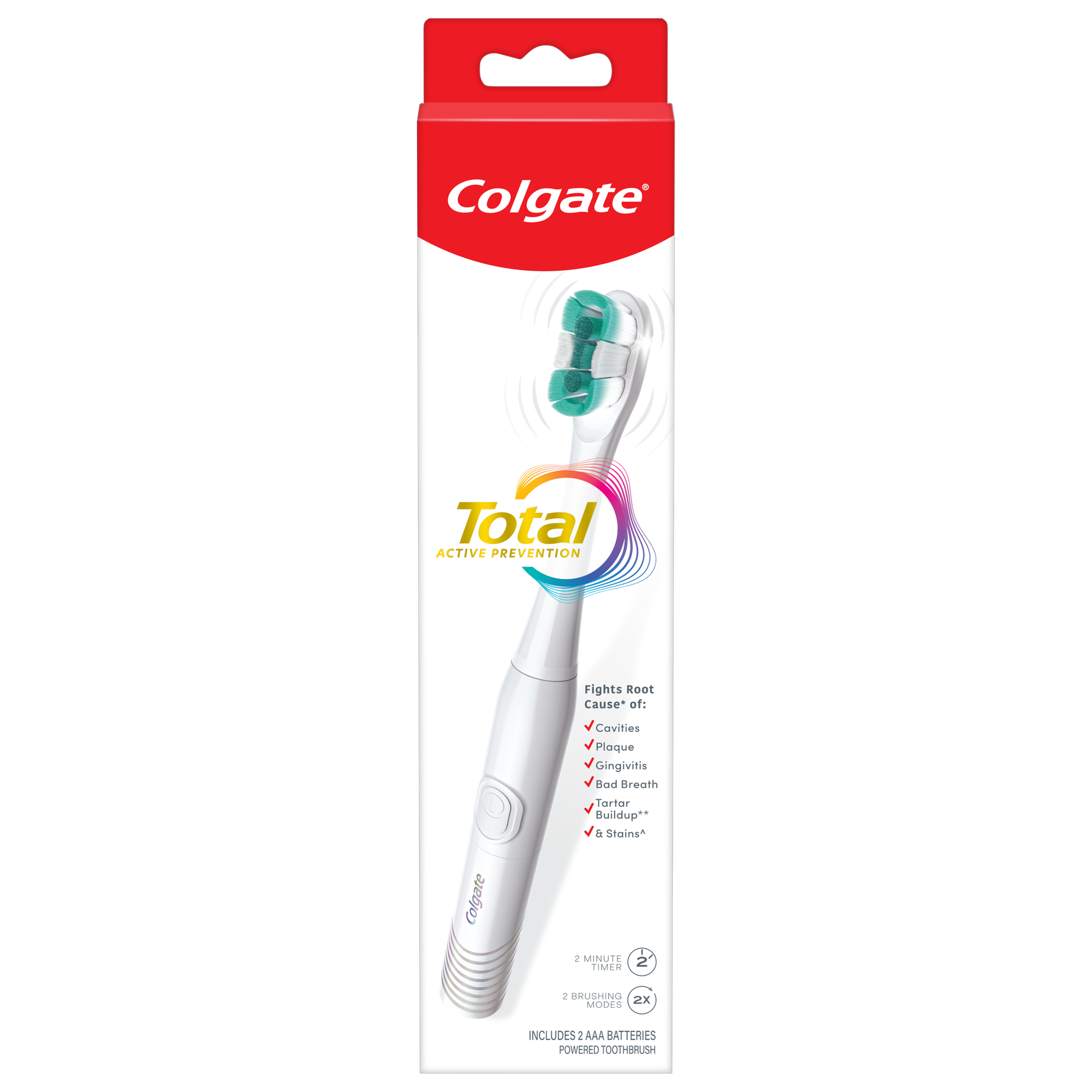
Colgate Total Active Prevention Battery Powered Electric Toothbrush, WhitePower away plaque with Colgate Total Battery Powered Toothbrush.
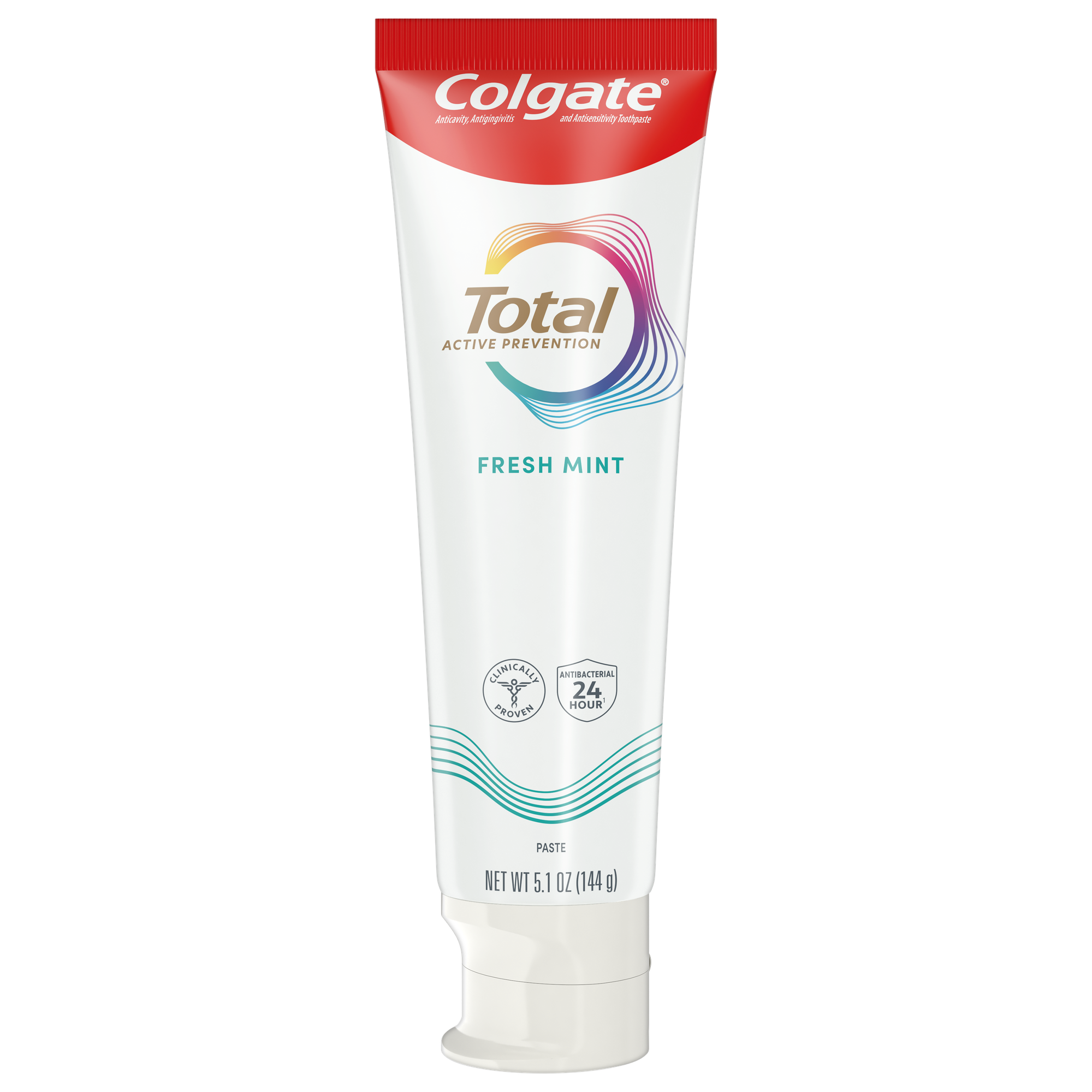
Colgate Total Fresh Mint Toothpaste fights bacteria, the root cause of many oral health issues such as gingivitis, tartar, sensitivity, weak enamel, bad breath, and cavities.


About Cookies on This Site

