Beat the Bleeding: Why Your Gums Bleed (And How to Fix It)
min read
By: Mandy Dennis, RDH

By: Mandy Dennis, RDH


Sometimes, bleeding isn't about disease - it’s about accidental injury to the delicate gum tissue.
The Cause: This is usually Toothbrush Abrasion. Using a "Hard" bristle brush or scrubbing with too much "elbow grease" wears away the protective outer layer of your gums. It can also happen from a Laceration - a simple cut from a sharp chip or a stray toothpick.
The Fix: Give the tissue a chance to repair itself. Switch to an extra-soft toothbrush and use light, circular motions instead of back-and-forth scrubbing. An oxygenating rinse (like Peroxyl) can help by gently bubbling away debris to keep the site clean while it heals.
The Risk: If the aggressive scrubbing doesn't stop, the body tries to protect itself by pulling the gum tissue away from the force. This leads to Gum Recession, which can expose the sensitive roots of your teeth.
Gingivitis is the earliest stage of gum disease. It is an inflammatory response to Plaque sitting on your gum line for too long.
The Science: When bacteria aren't cleared away, they release toxins that irritate your gums, making them red, puffy, and prone to bleeding. According to the ADA, this stage is reversible in most cases.
The Fix: Consistency is your best friend. Brushing twice a day and flossing once a day physically breaks up those bacterial colonies. And don’t forget to check with your dental professional!
Pro Tip: If you’ve just started flossing, you might see more bleeding for the first 7–10 days. Stick with it! As the bacteria are cleared and the tissue becomes firmer, the bleeding will stop.
If Gingivitis is a "warning light," Periodontitis is an actual "engine fire." This is a chronic infection that has moved past the gums and started attacking the bone that holds your teeth in place.
The Reality: Unlike Gingivitis, Periodontitis is not reversible because bone doesn't just grow back. However, it is very manageable.
The Science: When gingivitis is not treated or controlled, bacteria in our gums may literally invade deeper below the gumline, and thus compromising not only the gums but the bone supporting our tissue, beyond the reach of toothbrush and floss. It is a more complicated infection, and it requires professional treatment..
The Fix: This requires a professional "reset." Your dentist or hygienist must perform a deep cleaning (scaling and root planing) to remove the source of the infection. From there, your home routine keeps the infection "dormant."
The Bottom Line
Bleeding gums are a call to action. Whether it’s a need for better homecare or a professional deep clean, addressing the issue early is the only way to prevent tooth loss and systemic health complications.
Here are some tips to give you relief from swollen gums, along with some advice for what not to do.
Good oral care and keeping up with your routine dental visits are the best way to prevent swollen gums. You should brush your teeth twice a day and floss every day. This attention will help prevent plaque build-up that leads to gum swelling and other issues. Even with excellent home oral care, plaque can harden and become tartar. That's why regular dental hygiene appointments and checkups are a must.
How long swollen gums will last depends on the cause. If you have gingivitis, it might take a couple of weeks of consistent oral hygiene for you to start seeing relief from swollen gums.
If you’ve had an infection, swelling should start to go down in the days after you start treatment. If you’ve had a dental procedure or injury to the gums, you should expect to see swelling go down after a day or two, and then completely subside within 1-2 weeks. In either case, if the swelling persists or gets worse instead of better, it’s a good idea to ask your dentist for advice.
Swollen gums are no fun. More often than not, it's something you can take care of on your own. Once you find out what's causing your swollen gums, you can begin to treat it. Just make sure to talk with your dental professional if it's a chronic issue that's not getting better.
This article is intended to promote understanding of and knowledge about general oral health topics. It is not intended to be a substitute for professional advice, diagnosis or treatment. Always seek the advice of your dentist or other qualified healthcare provider with any questions you may have regarding a medical condition or treatment.
ORAL HEALTH QUIZ
Take our Oral Health assessment to get the most from your oral care routine
ORAL HEALTH QUIZ
Take our Oral Health assessment to get the most from your oral care routine
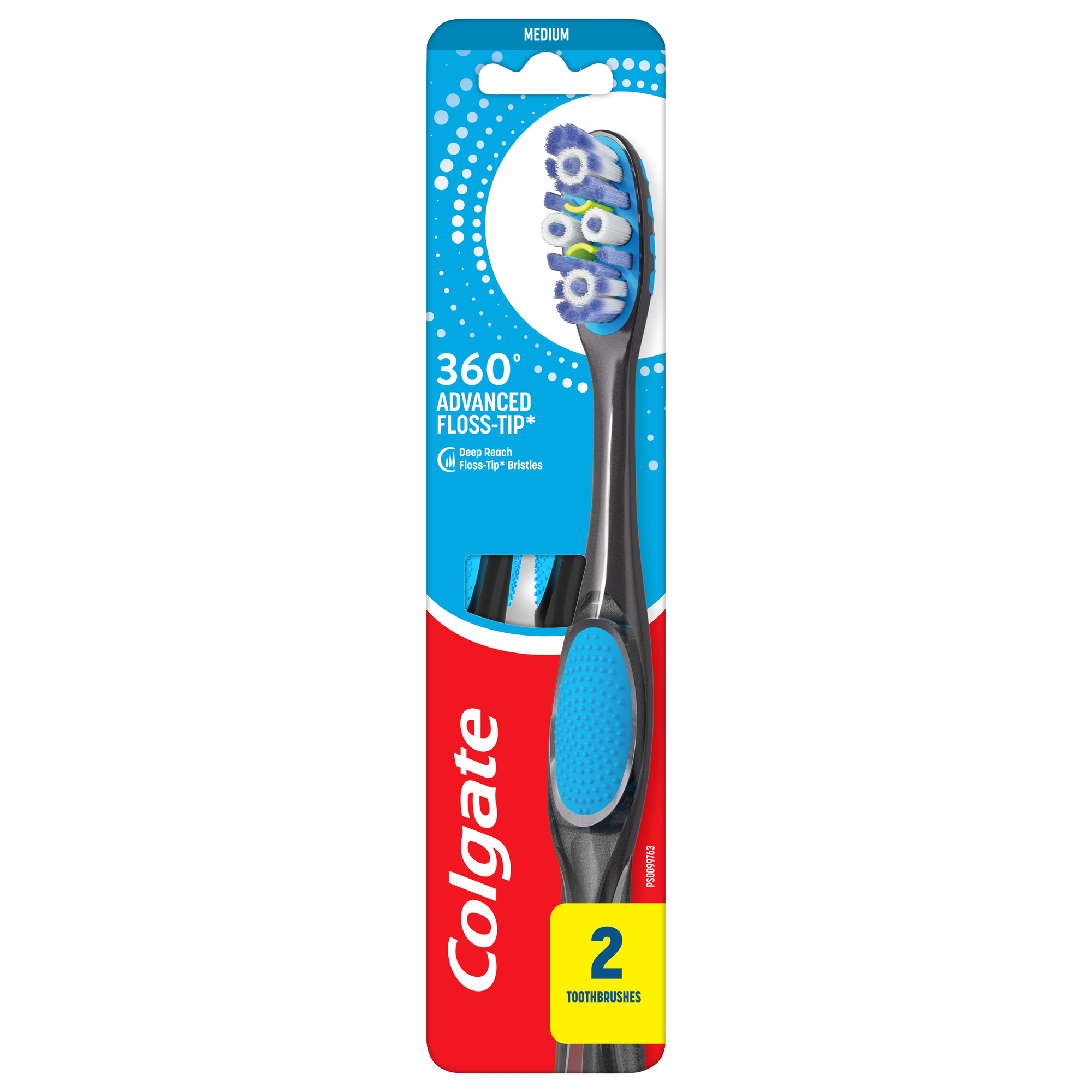
The Colgate® 360 Advanced Medium Floss-Tip Bristles manual toothbrush provides a 4X deeper reach between teeth and along the gum line (compared to an ordinary flat trim toothbrush), cleans teeth, tongue, cheeks, & gums, and removes odor-causing bacteria.
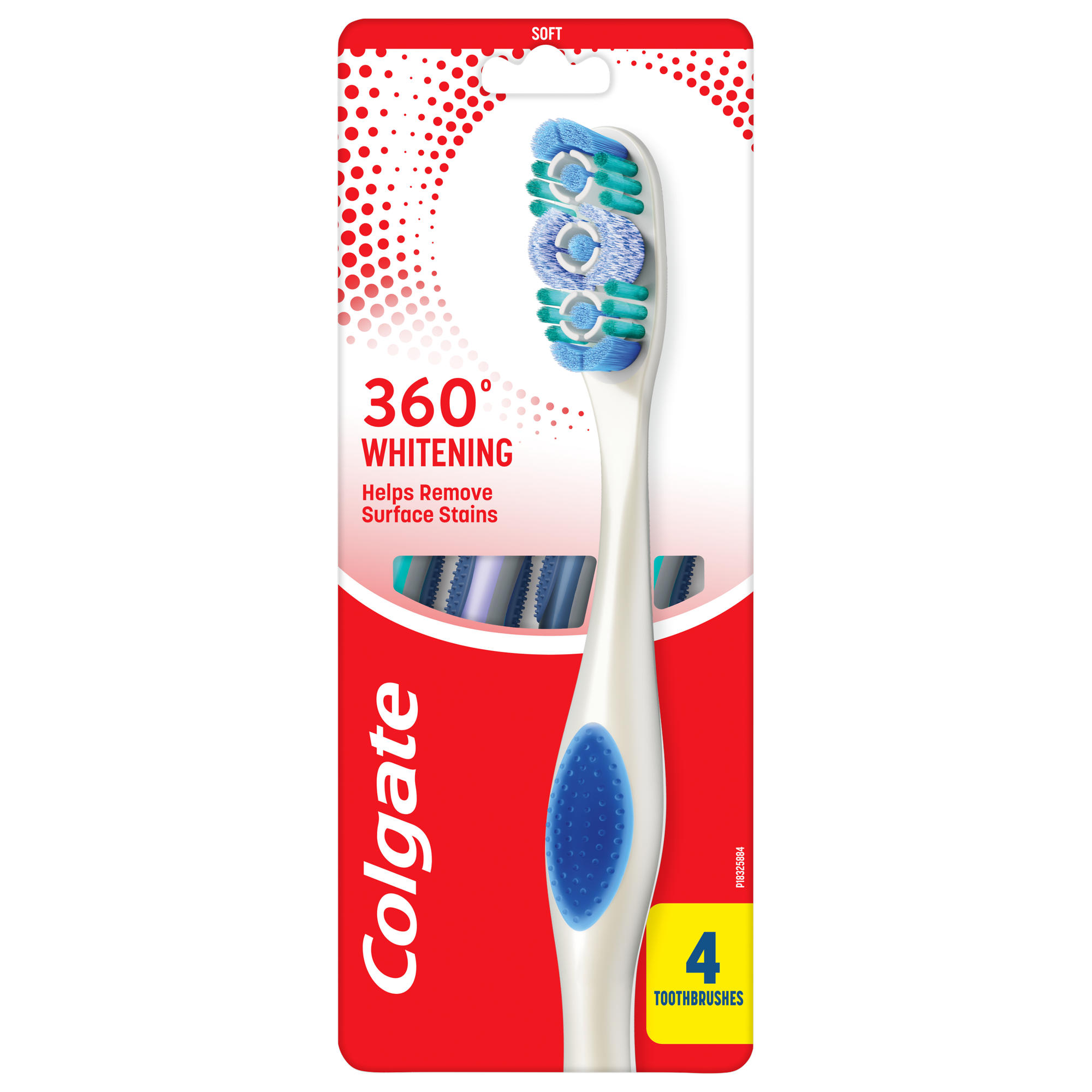
The Colgate® 360® Whitening Soft Adult Manual Toothbrush is an adult manual toothbrush made for easy brushing. This soft toothbrush is designed with whitening cups to remove teeth stains and special polishing soft bristles to whiten teeth.
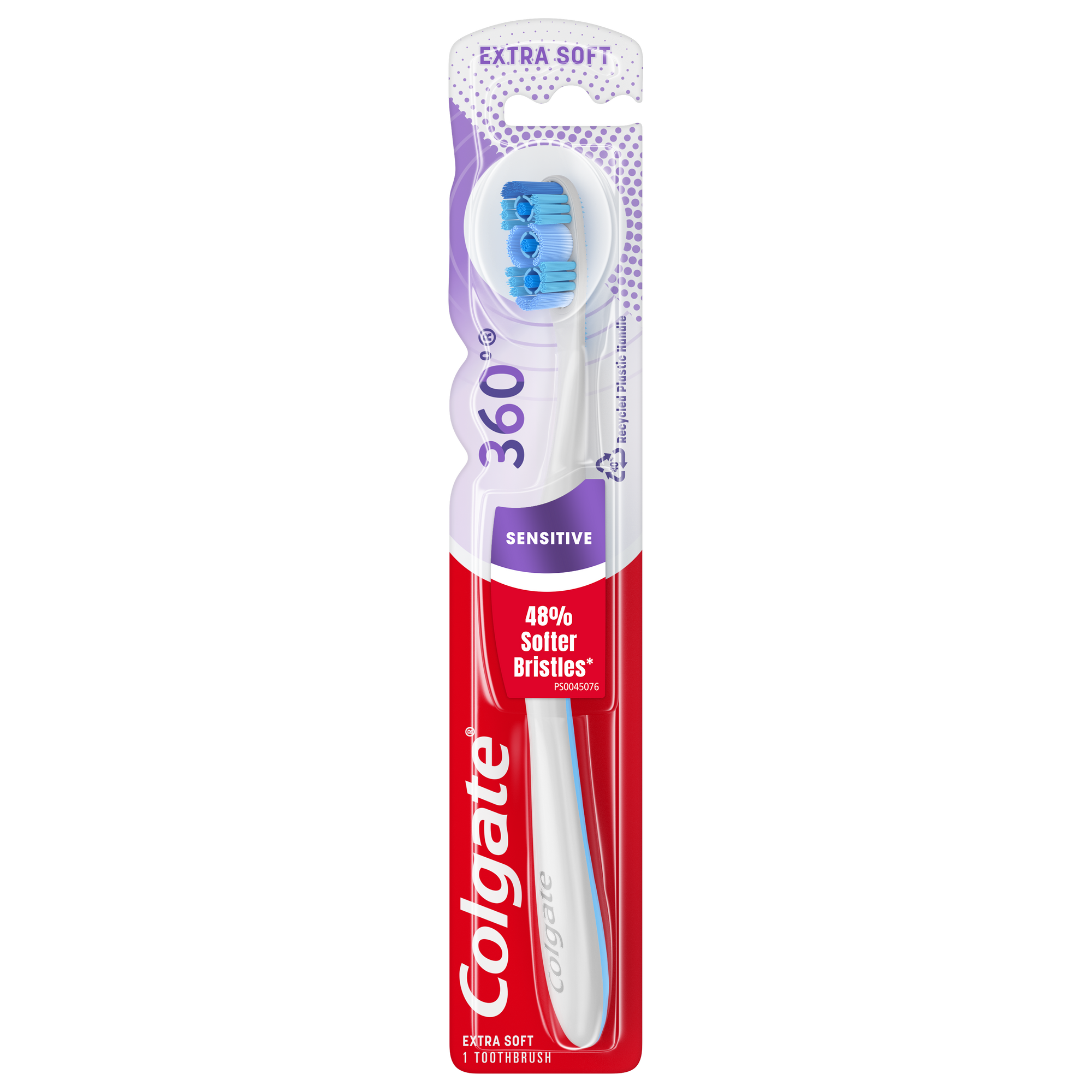
The Colgate® 360⁰® Enamel Health Sensitive manual toothbrush for sensitive teeth has extra soft bristles to help protect enamel surfaces and gums, a raised cleaning tip to help clean hard-to-reach areas and the unique cheek & tongue cleaner that helps remove odor-causing bacteria.
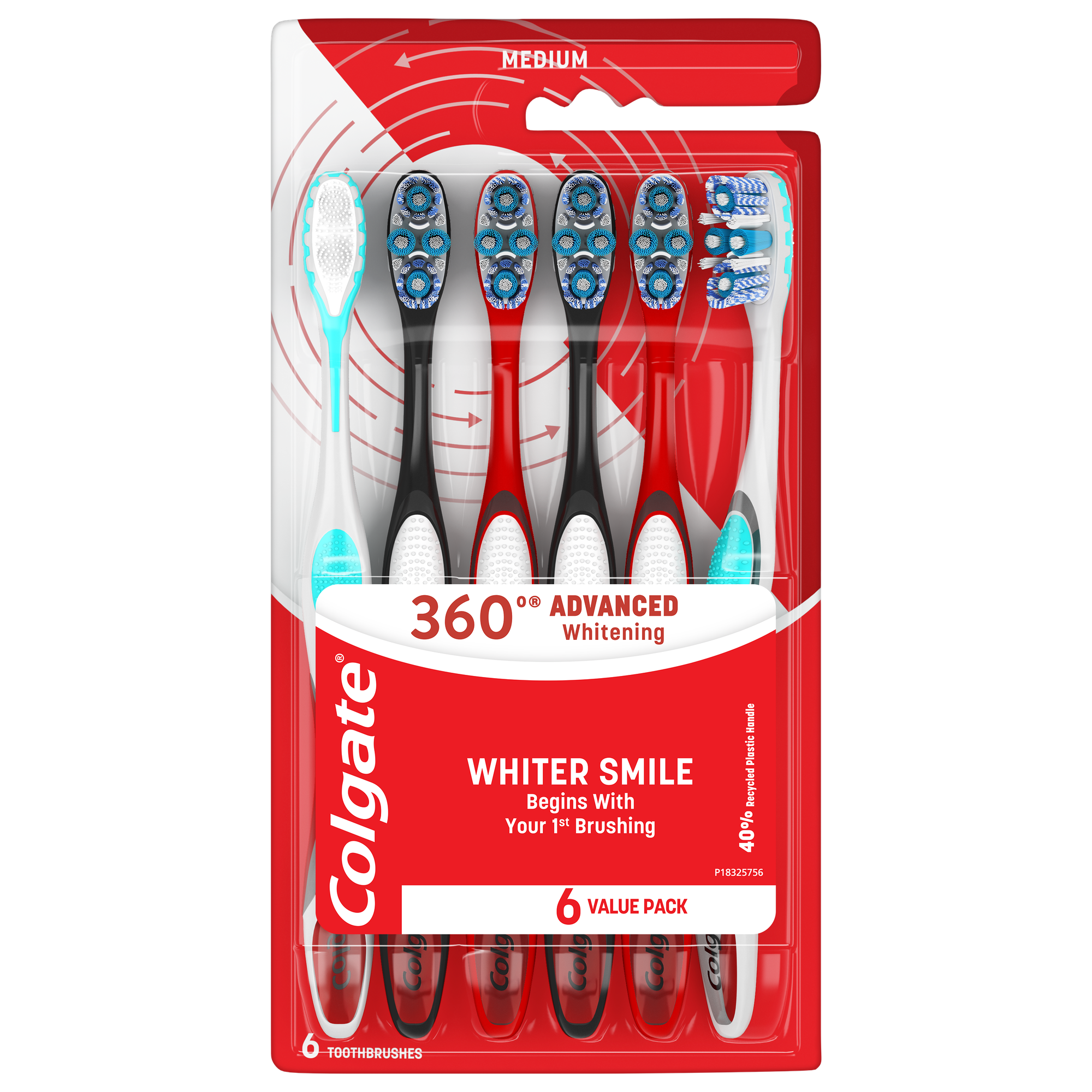
A whiter smile begins with your first brushing using the Colgate® 360 Advanced Whitening Adult Medium Toothbrush Pack.

