What Type of Mouthwash is Right for Me?
min read
By: Ann Eshenaur Spolarich, RDH, PhD, FSCDH

By: Ann Eshenaur Spolarich, RDH, PhD, FSCDH
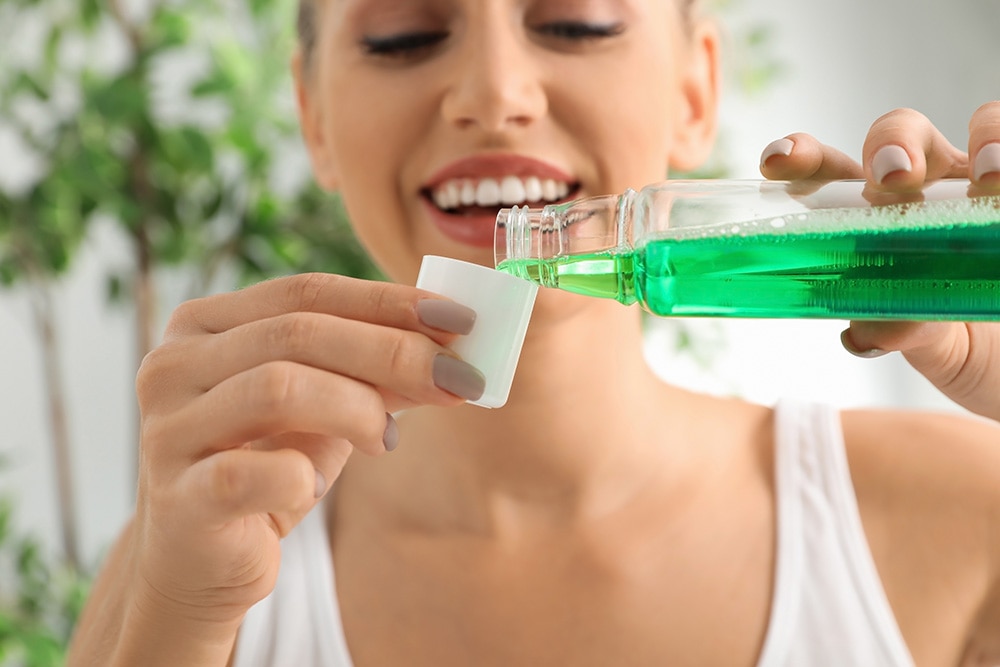
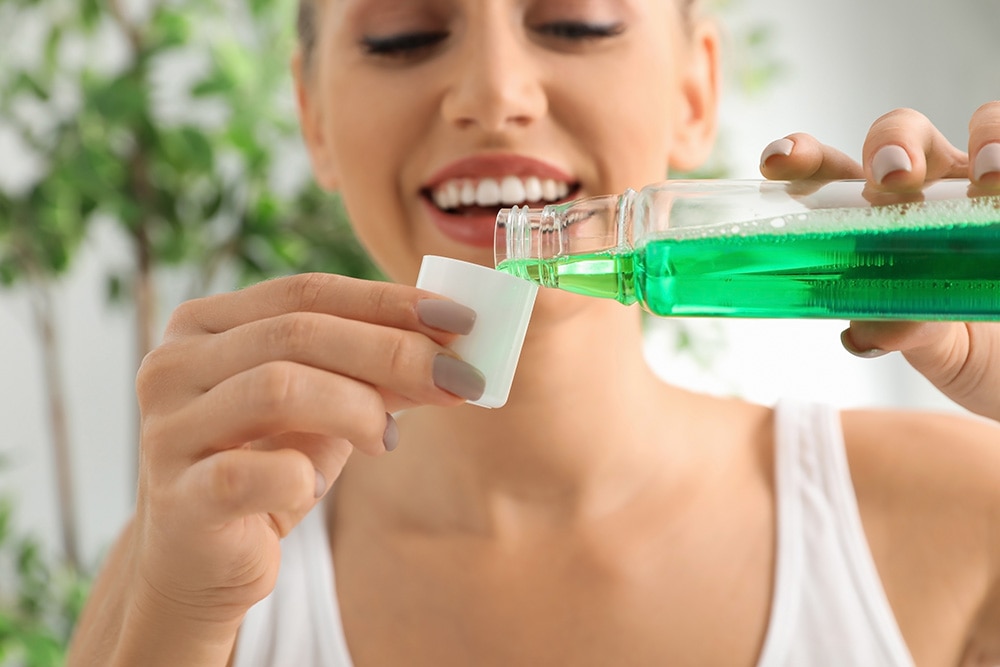
These are your go-to that typically contain ingredients that will give a refreshing feeling, perhaps a preferred flavor and smell. They may be helpful to mask certain oral tastes or breath odors after eating, for instance, but that their benefits stop there. .
Best for: A quick refresh after a spicy meal or to supplement your daily cleaning.
These rinses target the oral biofilm (plaque) and bacteria that builds up on your teeth and along your gumline. Products contain ingredients that kill the bacteria associated with causing early gum disease.
The Benefit: These rinses help reduce the bacterial load in our mouths, and may help prevent some oral diseases, such as gingivitis. They may help slow down the process of plaque hardening into dental calculus (tartar). Because calculus is porous, it acts like a sponge for harmful bacteria; these rinses stop that cycle.
Availability: Options range from everyday over-the-counter formulas to high-strength prescriptions for early-stage gum disease (gingivitis).
Think of fluoride as "armor" for your teeth. It actively strengthens your enamel by fueling the natural repair process, especially after your teeth have been weakened by sugary foods or acidic drinks.
Your tooth enamel is in a constant state of flux, shifting between losing and gaining minerals.
The Attack: When plaque goes unchecked and diets are high in sugar, the loss of minerals (demineralization) outpaces the repair.
The Risk: If this imbalance continues, your enamel softens, eventually leading to "caries lesions" - more commonly known as cavities
The Fix: Fluoride promotes remineralization, strengthening your enamel and making it more resistant to the acid by-products of bacteria.
Saliva is your mouth’s natural multitasker. It is essential for lubricating and protecting your oral tissues during everyday activities like eating, speaking, and brushing. Dry mouth occurs when your salivary flow is reduced, which can happen for several reasons:
Medication Side Effects: A very common side effect of some medications.
Medical Treatments: A frequent consequence of therapies like radiation or chemotherapy.
Health Conditions: Often linked to autoimmune diseases or poorly controlled diabetes.
When saliva flow drops, your mouth loses its primary line of defense. Without that protective moisture, oral tissues can become sore, cracked, or easily injured. Beyond discomfort, a dry mouth also increases your risk of cavities and can even lead to digestive issues.
The Goal: Dry mouth products are designed to act as "synthetic saliva." They mimic your mouth’s natural moisture to coat and soothe sensitive tissues, providing immediate relief from dryness while restoring your ability to speak and eat comfortably.
These use safe levels of peroxide to bleach the enamel, lifting stains caused by coffee, tea, or food to brighten your smile.
Brushing and flossing are essential, but they don't reach everything. Mouthwash also accesses bacteria on the cheeks, tongue, and hard-to-reach areas like dental restorations and back teeth.1,2
Research confirms that using anti-plaque and anti-gingivitis rinses reduces biofilm and gum bleeding, significantly improving overall gum health. To maintain optimal oral hygiene, the American Dental Association (ADA) recommends a three-step regimen: brush, floss, and rinse. 3,4
Adding a rinse is an easy win for your health, but effectiveness depends on proper use:
Follow the Label: Always check instructions for the correct dosage, rinse duration, and frequency.
Professional Guidance: Your dentist or hygienist can provide personalized product recommendations based on your needs.
The Gold Standard: Look for the ADA Seal of Acceptance on the label. This ensures the product has been rigorously tested for both safety and efficacy.5,6
Choking Risks: Use caution for individuals with swallowing difficulties or neuromuscular conditions (e.g., stroke or Parkinson’s Disease), as rinsing may pose a risk of aspiration. Consult a dental professional for safe alternatives.
Child Safety: Always keep mouthwash out of reach of children to prevent accidental ingestion.
McGrath C, Clarkson J, Glenny AM, Walsh LJ, Hua F. Effectiveness of Mouthwashes in Managing Oral Diseases and Conditions: Do They Have a Role? Int Dent J. 2023 Nov;73 Suppl 2(Suppl 2):S69-S73. doi: 10.1016/j.identj.2023.08.014. Epub 2023 Oct 20.
Koromantzos PA, Bobetsis YA, Giota C, Gizani S, Apatzidou DA, Rahiotis C, Kalfas S, Seremidi K, Papadimitriou K, Karakostas P, Davidopoulou S, Kaklamanos E, Papaioannou W. Effect of Adjunctive Use of Commercial Daily Mouthwashes on Periodontal Health: An Umbrella Review. J Clin Periodontol. 2026 Mar;53(3):407-423.
American Dental Association. Mouthrinse (Mouthwash). Key Points. Available at: https://www.ada.org/resources/ada-library/oral-health-topics/mouthrinse-mouthwash
American Dental Association. Mouthwash. Mouthhealthy.org. Available at: https://www.mouthhealthy.org/all-topics-a-z/mouthwash
American Dental Association. Seal of Acceptance. Available at: https://www.youtube.com/watch?v=rmvT4Z1Xk9g&t=38s
American Dental Association. Help your product stand out with the ADA Seal of Acceptance®. Available at:
This article is intended to promote understanding of and knowledge about general oral health topics. It is not intended to be a substitute for professional advice, diagnosis or treatment. Always seek the advice of your dentist or other qualified healthcare provider with any questions you may have regarding a medical condition or treatment.
ORAL HEALTH QUIZ
Take our Oral Health assessment to get the most from your oral care routine
ORAL HEALTH QUIZ
Take our Oral Health assessment to get the most from your oral care routine
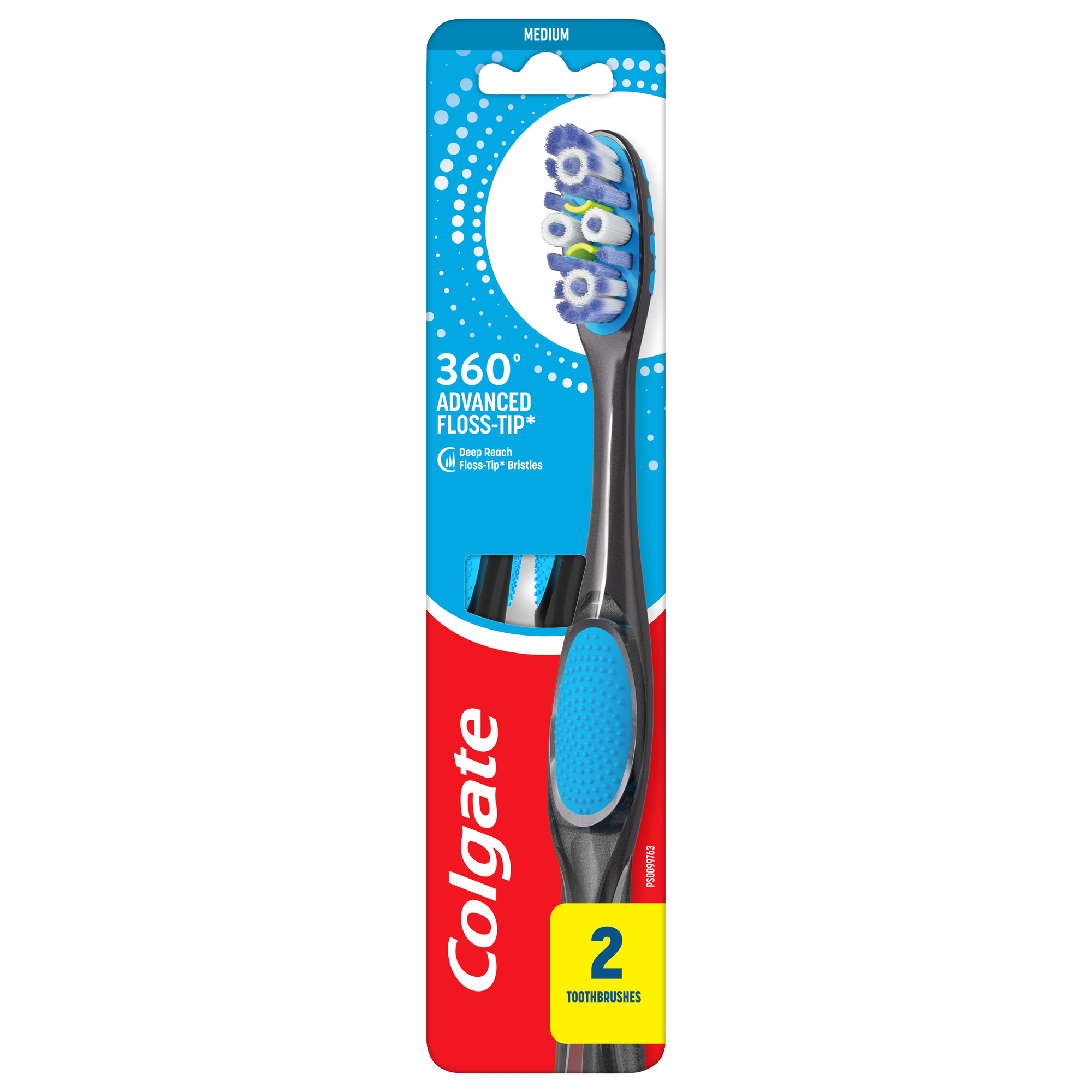
The Colgate® 360 Advanced Medium Floss-Tip Bristles manual toothbrush provides a 4X deeper reach between teeth and along the gum line (compared to an ordinary flat trim toothbrush), cleans teeth, tongue, cheeks, & gums, and removes odor-causing bacteria.
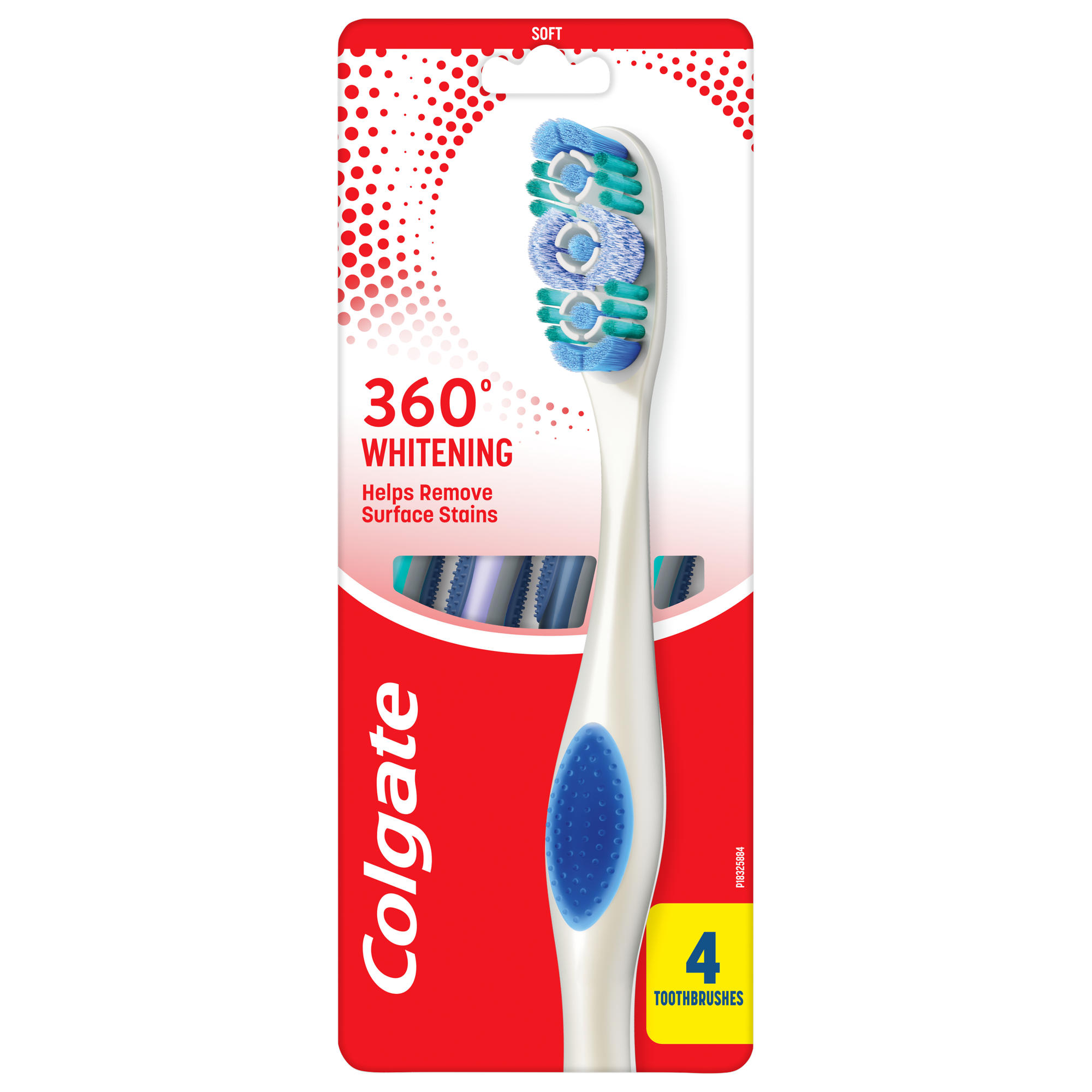
The Colgate® 360® Whitening Soft Adult Manual Toothbrush is an adult manual toothbrush made for easy brushing. This soft toothbrush is designed with whitening cups to remove teeth stains and special polishing soft bristles to whiten teeth.
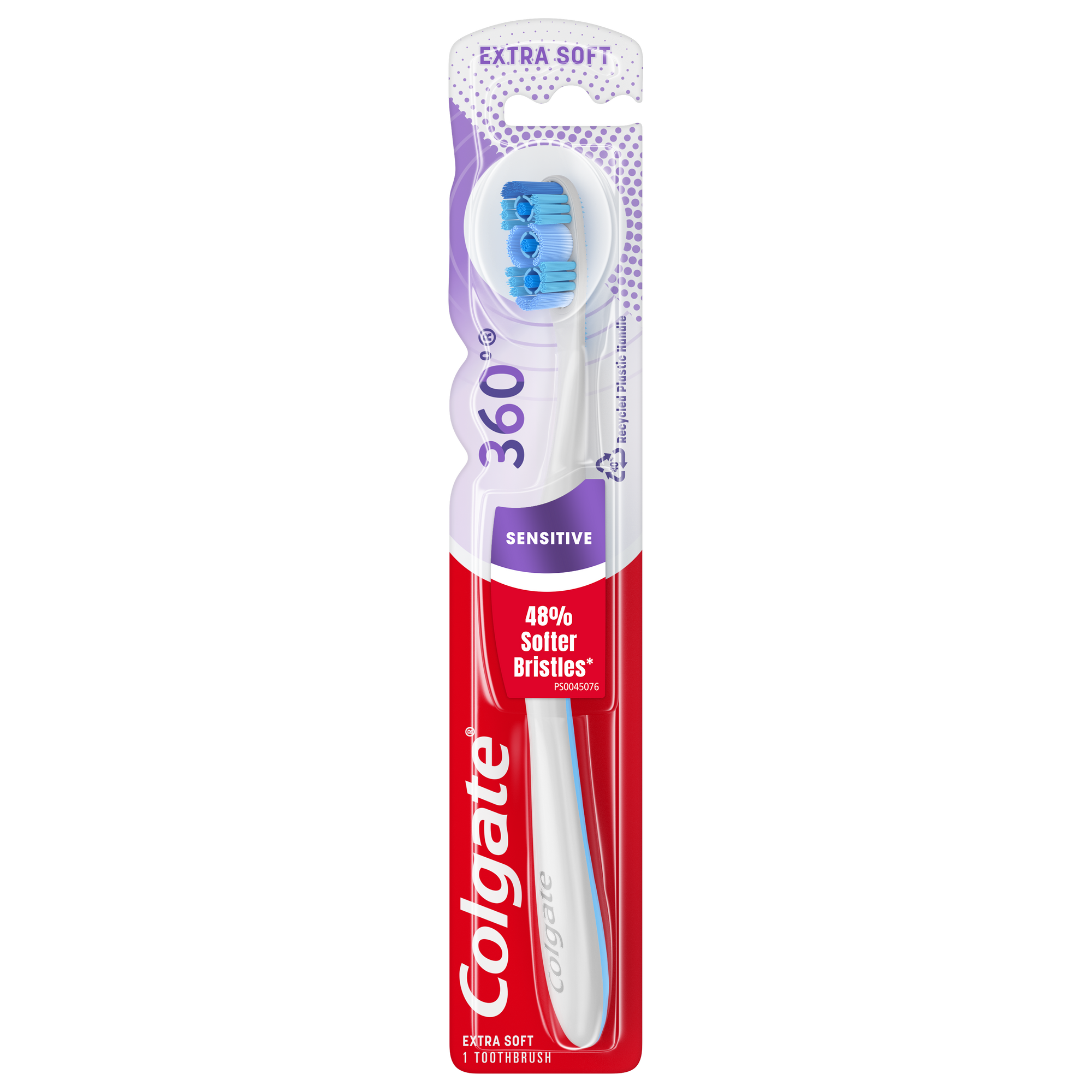
The Colgate® 360⁰® Enamel Health Sensitive manual toothbrush for sensitive teeth has extra soft bristles to help protect enamel surfaces and gums, a raised cleaning tip to help clean hard-to-reach areas and the unique cheek & tongue cleaner that helps remove odor-causing bacteria.
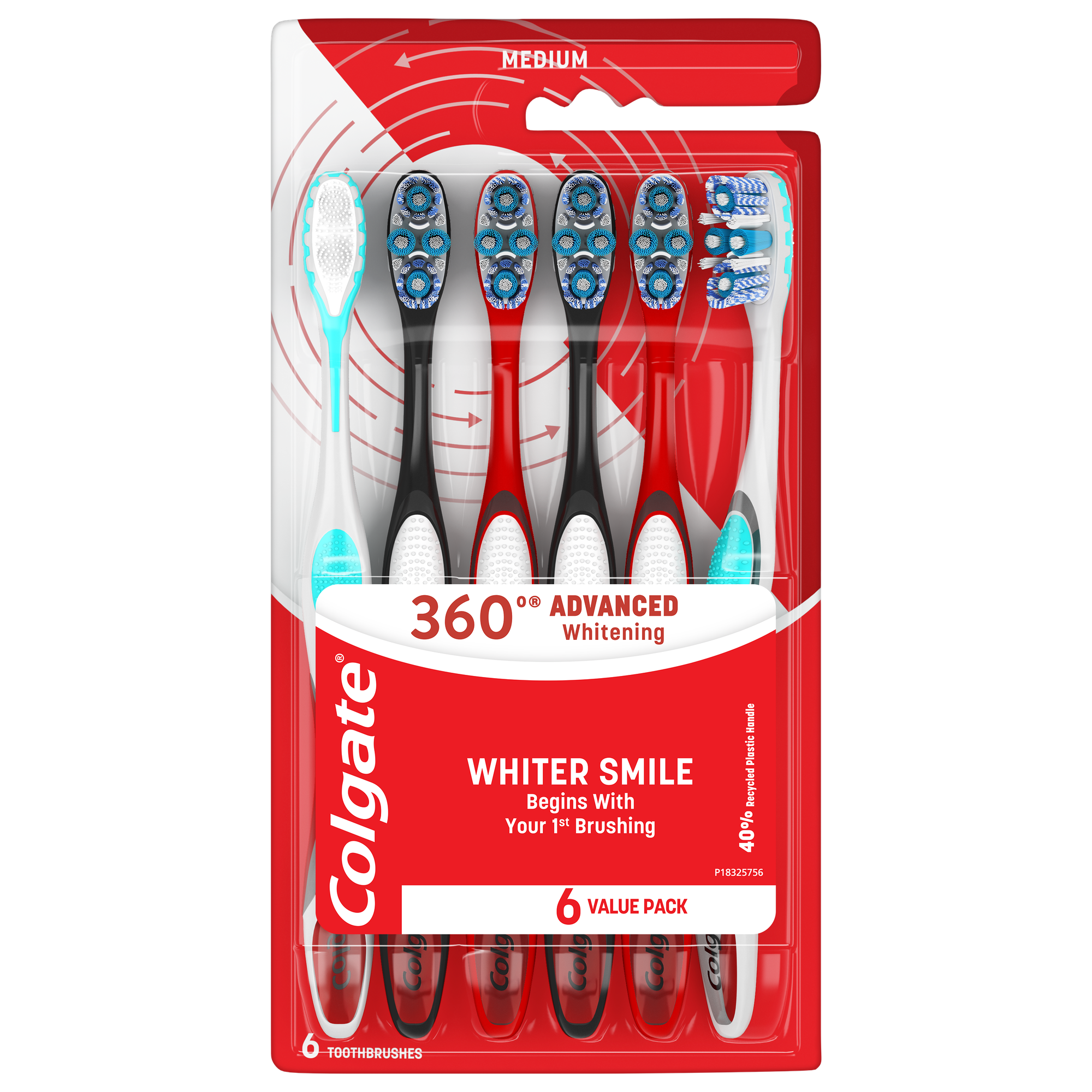
A whiter smile begins with your first brushing using the Colgate® 360 Advanced Whitening Adult Medium Toothbrush Pack.

