Dental Health After 45: A Proactive Guide to Staying Smile-Strong
min read
By: Mandy Dennis
Registered Dental Hygienist

By: Mandy Dennis
Registered Dental Hygienist

This isn't just about getting older; it's about specific new factors that create a new environment in your mouth.
New Medications: Many common and necessary prescriptions for conditions like high blood pressure, high cholesterol, or depression can create a side effect: dry mouth (also known as Xerostomia).
Lifestyle Changes: Retirement, an empty nest, or career shifts can change what and when you eat. More snacking or different food choices can alter your mouth's pH balance, affecting bacteria.
Hormonal Shifts: For women especially, the hormonal fluctuations of perimenopause and menopause can have a direct and significant impact on oral health.
All of these contributing factors can create new oral flora and needs for our routines.
Because of these shifts, your mouth becomes more vulnerable in ways it wasn't before. Here are the key areas to focus on for active prevention.
1. Medication-Induced Dry Mouth
What it is: A reduction in saliva flow, often caused by new medications.
Why it matters: Saliva is your mouth's #1 natural defender. It neutralizes acid and washes away bacteria. Without enough of it being produced to help protect the teeth, our teeth can become more prone to cavities.
2. Enamel Wear and Tooth Sensitivity
What it is: After decades of use, the hard, protective outer layer of your teeth (enamel) can get thinner.
Why it matters: Thinner enamel exposes the sensitive layer beneath, leading to that sharp pain from cold drinks. It also makes teeth more susceptible to cracks and decay. If you notice your teeth getting more sensitive, bring this up with your dentist at your next visit. Sometimes over the counter recommendations can be made, based on what they see.
3. Gum Recession
What it is: Occurs when the protective gum tissue changes its position, effectively moving away its original position in the tooth. The change in tissue position that causes recession is often related to underlying health issues, such as gum disease, or it can be a side effect of certain medications.
Why it matters: The root surface is much softer than enamel and has no protective covering. This exposed area is a prime target for decay (often called "root caries") and a common source of sensitivity.
4. Hormonal Impacts on Oral Health (A Special Focus for Women)
What it is: The hormonal changes during perimenopause and menopause.
Why it matters: Hormones can create changes in the periodontal state. This can lead to sensitive or inflamed gums, changes in saliva (both pH and flow), and even affect the density of the jawbone that supports your teeth. Regular dental check-ups are important to identify any changes which may be happening that the patient is unaware of.
Understanding what is changing in the body and knowing the link between systemic health and oral health will ensure the dentist is making recommendations to assist you during these changes.
This is why your regular dental visits (recommended every 6 months by the ADA for healthy patients) are more critical than ever. These visits allow the dentist to ensure your teeth and gums stay healthy, as well as maintain the general oral health state. But don't just go for a cleaning, go with a plan.
1. Update Your Dentist on Your Full Health Your dentist isn't just looking at your teeth; they're connecting the dots. At every visit, tell them about:
New medications (even over-the-counter ones or supplements)
New medical diagnoses (like high blood pressure, acid reflux, or osteopenia)
New symptoms (like dry mouth or sensitivity, no matter how minor)
2. Embrace Modern Dental Technology Modern dentistry is your best ally. Digital X-rays and 3D scans create a detailed timeline of your oral health. By not skipping appointments, you give your dentist the data they need to spot tiny changes such as early bone loss, a micro-cavity, or the start of gum recession, before they become big, expensive problems.
3. Turn the Conversation to Prevention Don't wait for a problem. Be proactive! Ask your dentist:
"Based on my medications, am I at high risk for dry mouth? What's the best strategy for me?"
"I've noticed this new sensitivity. What's causing it, and how can we protect that area?"
"What's the best at-home product you'd recommend for my specific needs right now?"
Midlife brings changes, but they don't have to catch your smile by surprise. You are in the driver's seat.
By understanding these new risks and treating your dentist as a key part of your overall health team, you can actively manage your oral health. Don't just "fix" problems, get ahead of them.
ORAL HEALTH QUIZ
Take our Oral Health assessment to get the most from your oral care routine
ORAL HEALTH QUIZ
Take our Oral Health assessment to get the most from your oral care routine

Good dental hygiene habits are important at any age. Learn about how your dentist can help you with your oral health in your senior years. Click here today.

Total adult tooth loss, also known as edentulism, affects many people in the United States. How can you keep your teeth as you age? Learn more here.
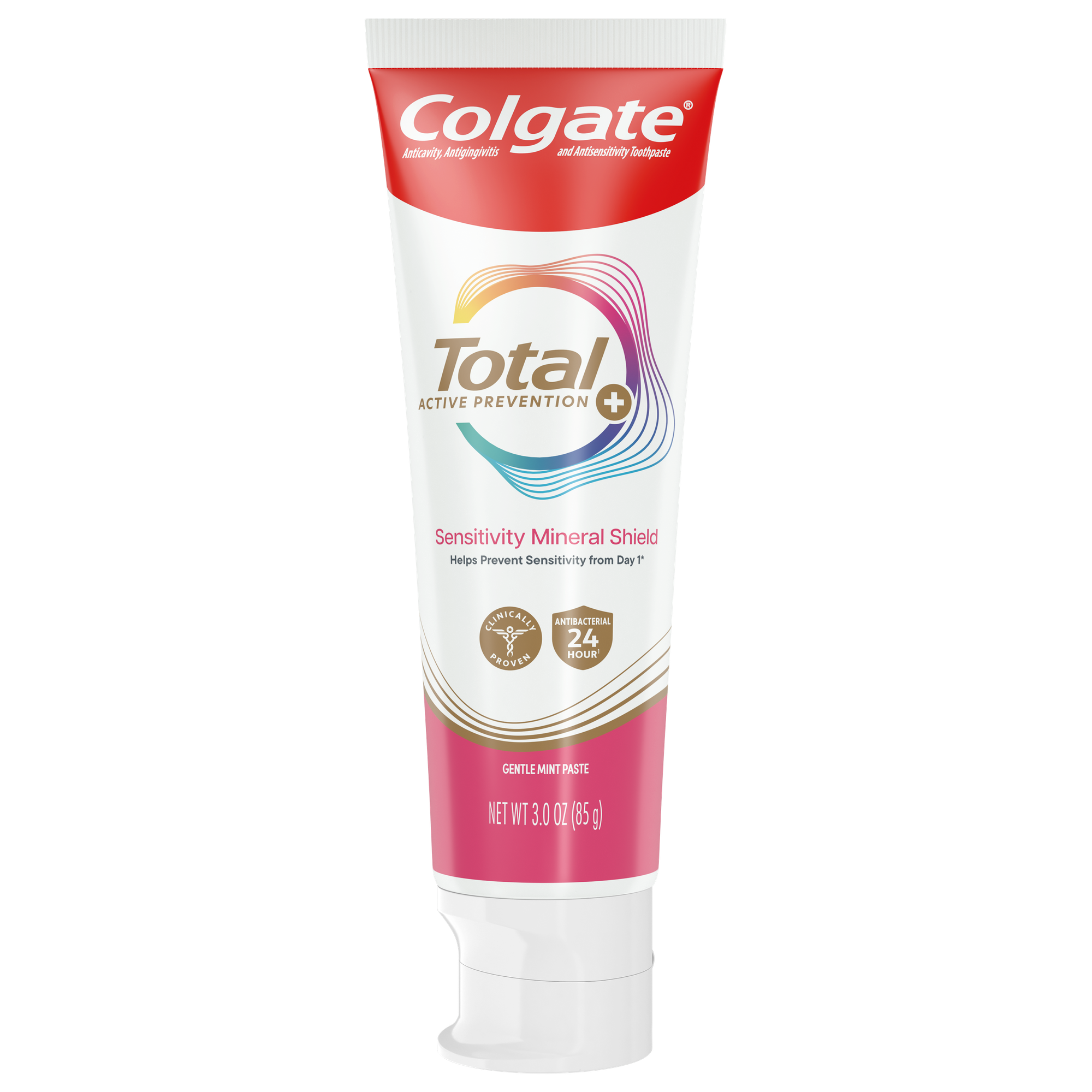
Help prevent sensitivity from day 1* with Colgate Total Active Prevention Sensitivity Mineral Shield Mint Toothpaste.
*with twice daily use
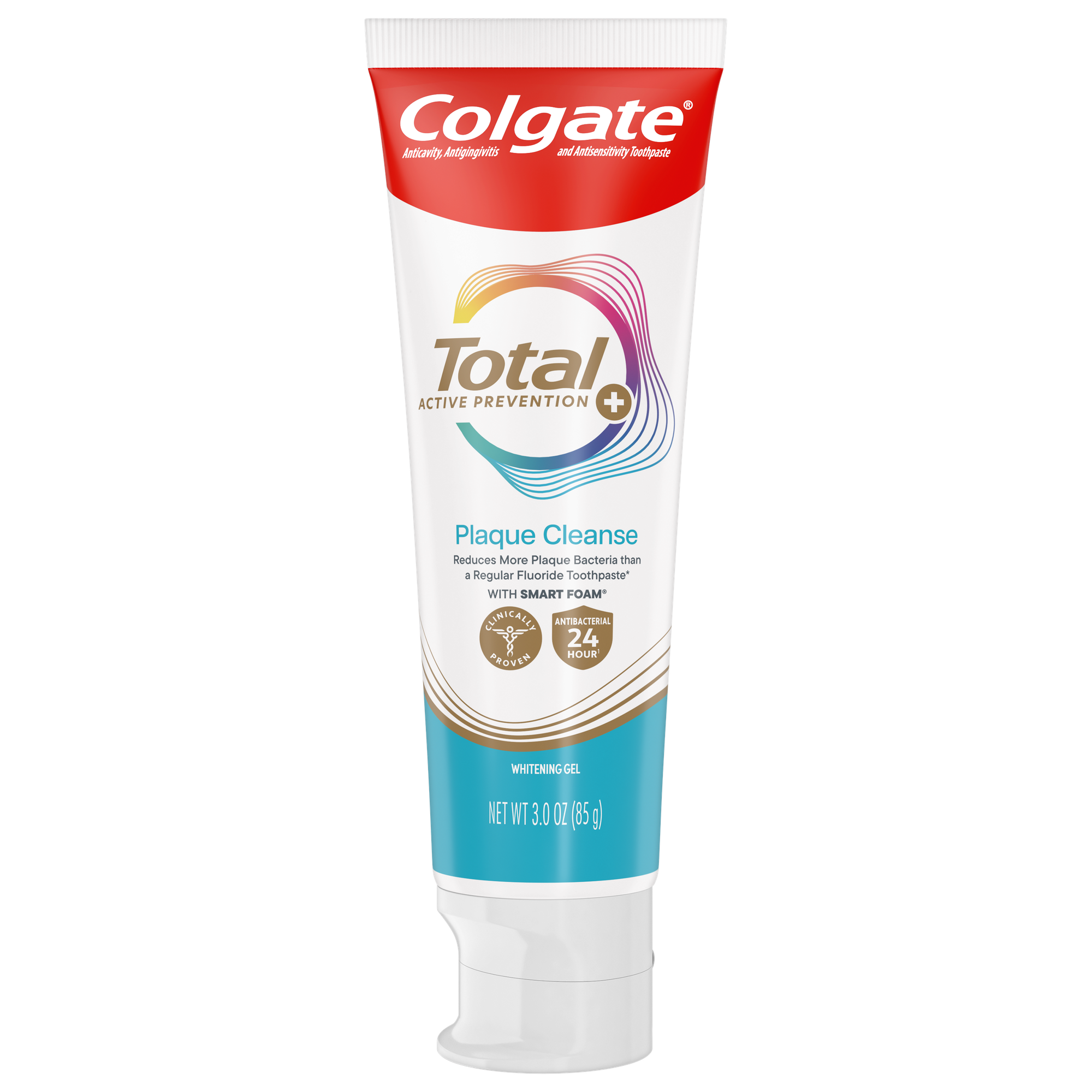
Help promote healthy gums using Colgate Total Active Prevention Plaque Cleanse Whitening Toothpaste Gel. This patented tartar prevention toothpaste fights the root cause* of gingivitis, plaque, tartar, cavities, sensitivity, bad breath, weak enamel, and stains and is 2x more effective*** at fighting bacteria, the root cause of oral health problems like cavities and gingivitis.
*via protection against bacteria and dietary exposures, with daily brushing
***via reduction of bacteria vs. non-antibacterial fluoride toothpaste with 2x daily brushing and 4 weeks use
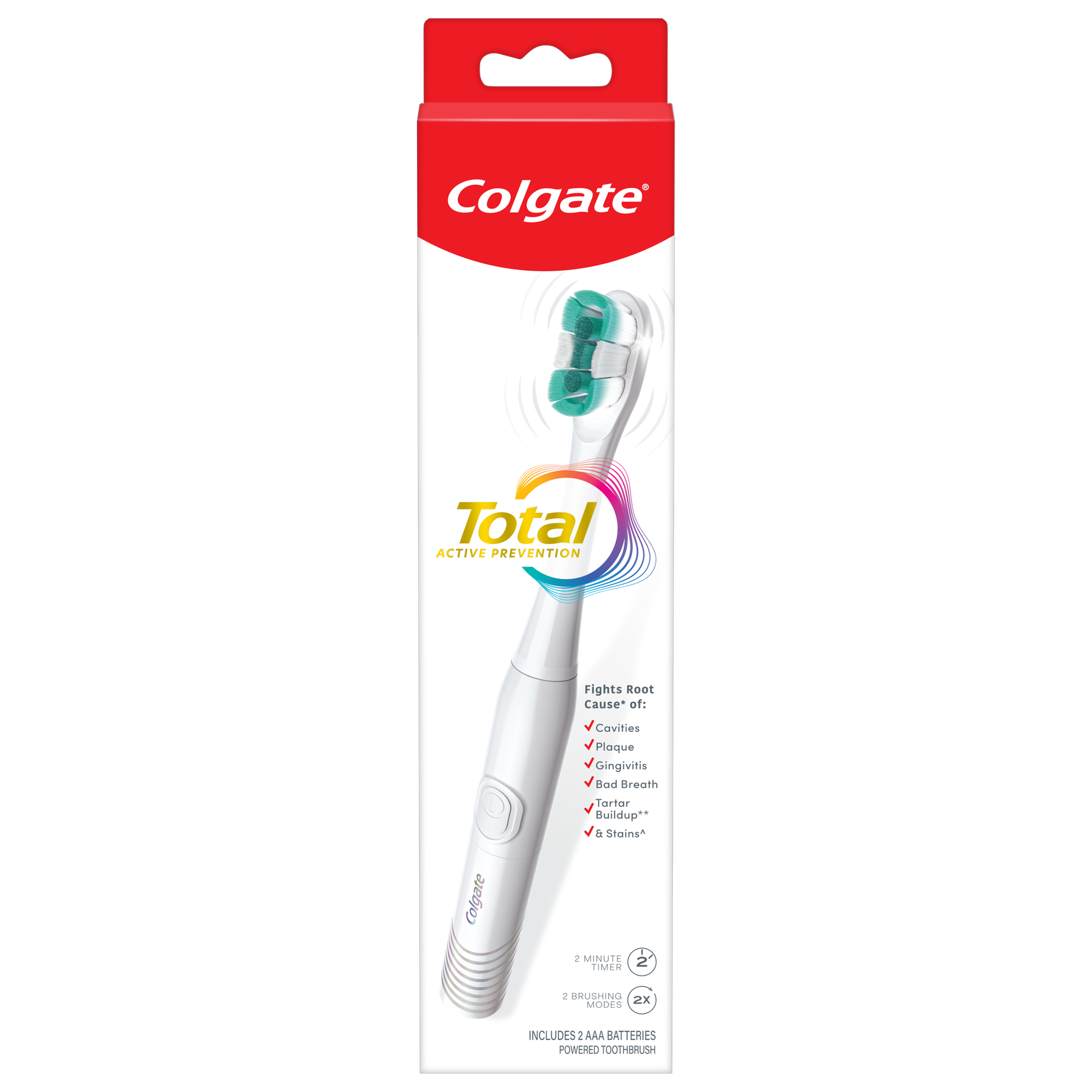
Colgate Total Active Prevention Battery Powered Electric Toothbrush, WhitePower away plaque with Colgate Total Battery Powered Toothbrush.
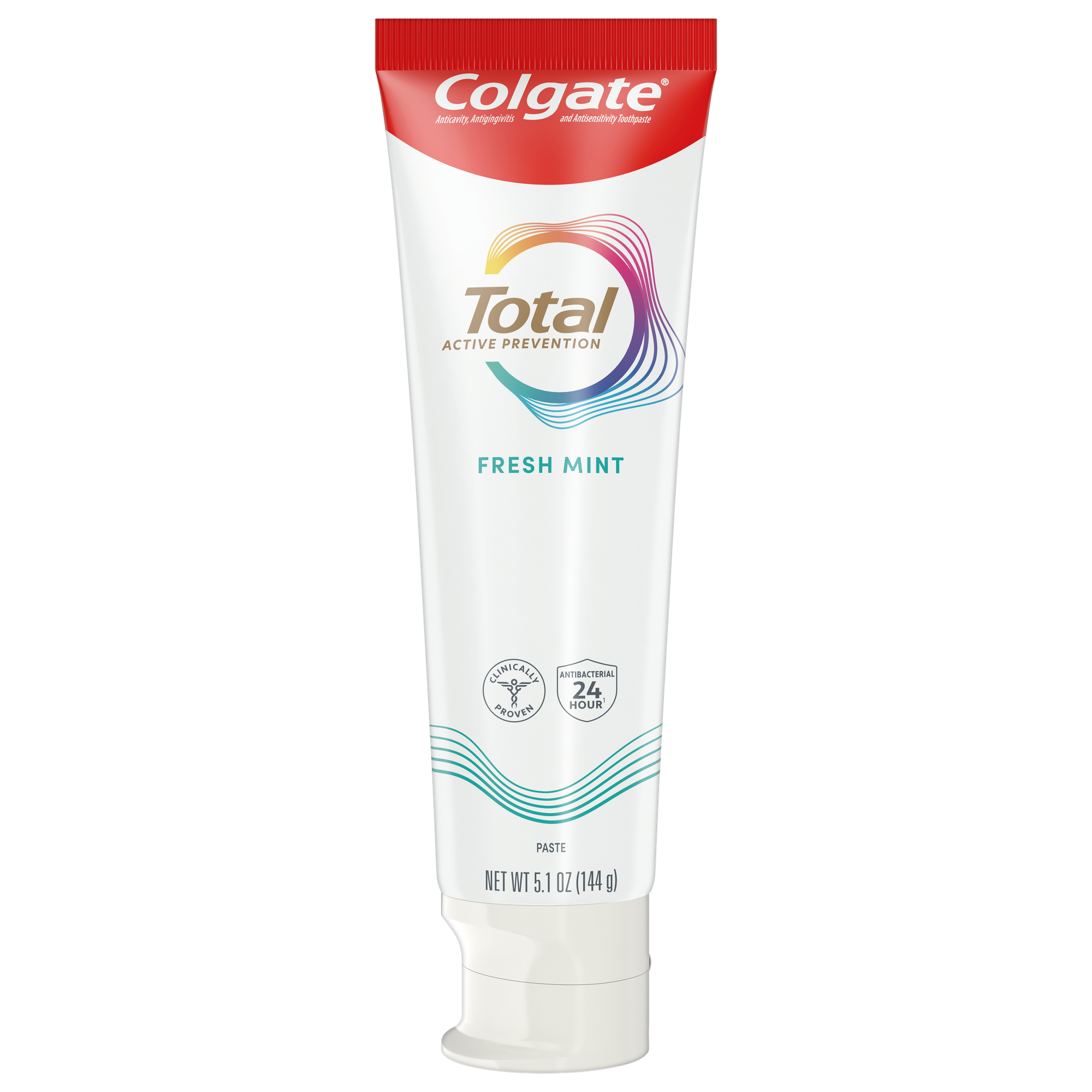
Colgate Total Fresh Mint Toothpaste fights bacteria, the root cause of many oral health issues such as gingivitis, tartar, sensitivity, weak enamel, bad breath, and cavities.

