Tooth Pain After A Filling: Is It Normal?
3
min read


One common reason for pain in a tooth after you get a filling is that the filling isn't positioned quite right, and it's interfering with your bite. A filling that is too high can cause malocclusion, which prevents the teeth from fitting together correctly when you bite down. Your dentist can adjust the height of your filling so that you can bite down with comfort and ease.
The type of filling your dentist used can also cause sensitivity or discomfort in the tooth. For example, sensitivity is fairly common when a composite resin material is used in the filling and may result from the filling shrinking slightly and creating a gap beneath it. There are many ways to cope with or eliminate sensitivity due to a composite filling, from using a different material or changing the method used to place the filling.
Galvanic shock occurs when adjacent fillings composed of different metals (one of gold and the other made of amalgam) touch and produce an electric current; however, this situation is rare.
If an inflamed nerve or an exposed pulp is behind your discomfort, your options might be to have a root canal or for the dentist to remove the damaged tooth and replace it with an implant or bridge.
Keep in mind that your new filling may also be aggravated by hot, cold or sweet food and beverages, air and pressure from chewing. These sensitivities should subside in a week or two. If it doesn't, schedule a return visit to your dentist. They may refer you to a dental specialist known as an endodontist, a dental professional who specializes in identifying tooth pain, performing root canals, and most importantly, saving teeth. The endodontist may determine that your cavity was deeper than suspected and that the decay had gone into your tooth pulp. In that case, they will most likely perform a root canal.
The goal of getting a filling is to correct tooth decay or cavities and ease any discomfort. But if it's been a week since your filling and you're still feeling pain when you bite down, eat or even just by opening mouth. The best thing to do is to schedule an appointment with your dentist as soon as possible. He or she will be able to pinpoint and correct the issue.
If you want to avoid cavities in the first place, establish a great oral care routine at home.
Oral Care Center articles are reviewed by an oral health medical professional. This information is for educational purposes only. This content is not intended to be a substitute for professional medical advice, diagnosis or treatment. Always seek the advice of your dentist, physician or other qualified healthcare provider.
ORAL HEALTH QUIZ
Take our Oral Health assessment to get the most from your oral care routine

Tooth drilling is often necessary to take care of a cavity, but new technologies including plasma jets or lasers could make it a thing of the past.

How long does it take to fill a cavity? While getting a cavity isn't fun, the treatment only takes about an hour, so book a visit with your dentist.

Going to the dentist is a regular event, but it can be stressful if you or your kids get sensitive teeth after filling work. Here's how to make it easier.

Hearing that you have a cavity can be upsetting, but there are many types of fillings that can solve the problem. Learn more about metal-free fillings.
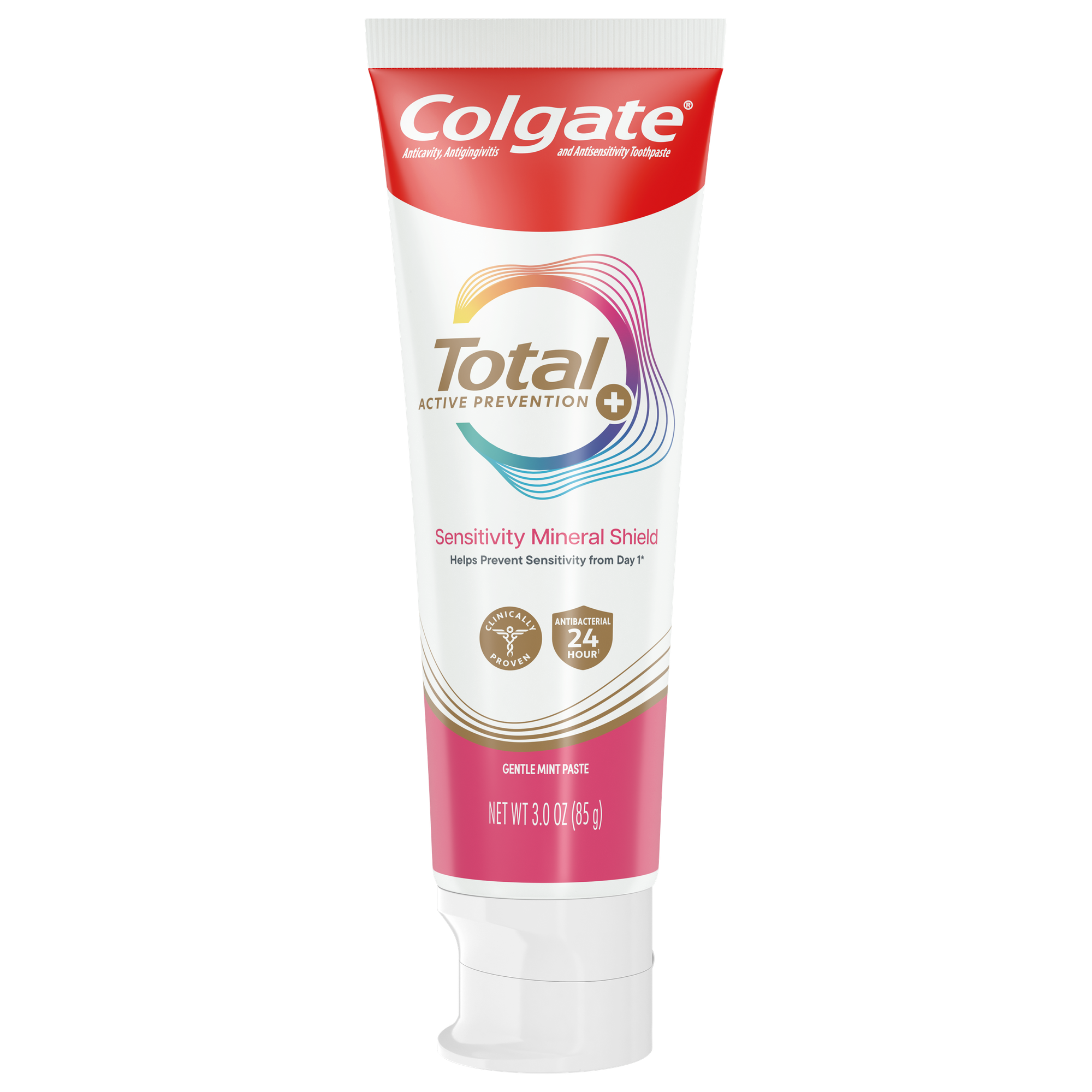
Help prevent sensitivity from day 1* with Colgate Total Active Prevention Sensitivity Mineral Shield Mint Toothpaste.
*with twice daily use
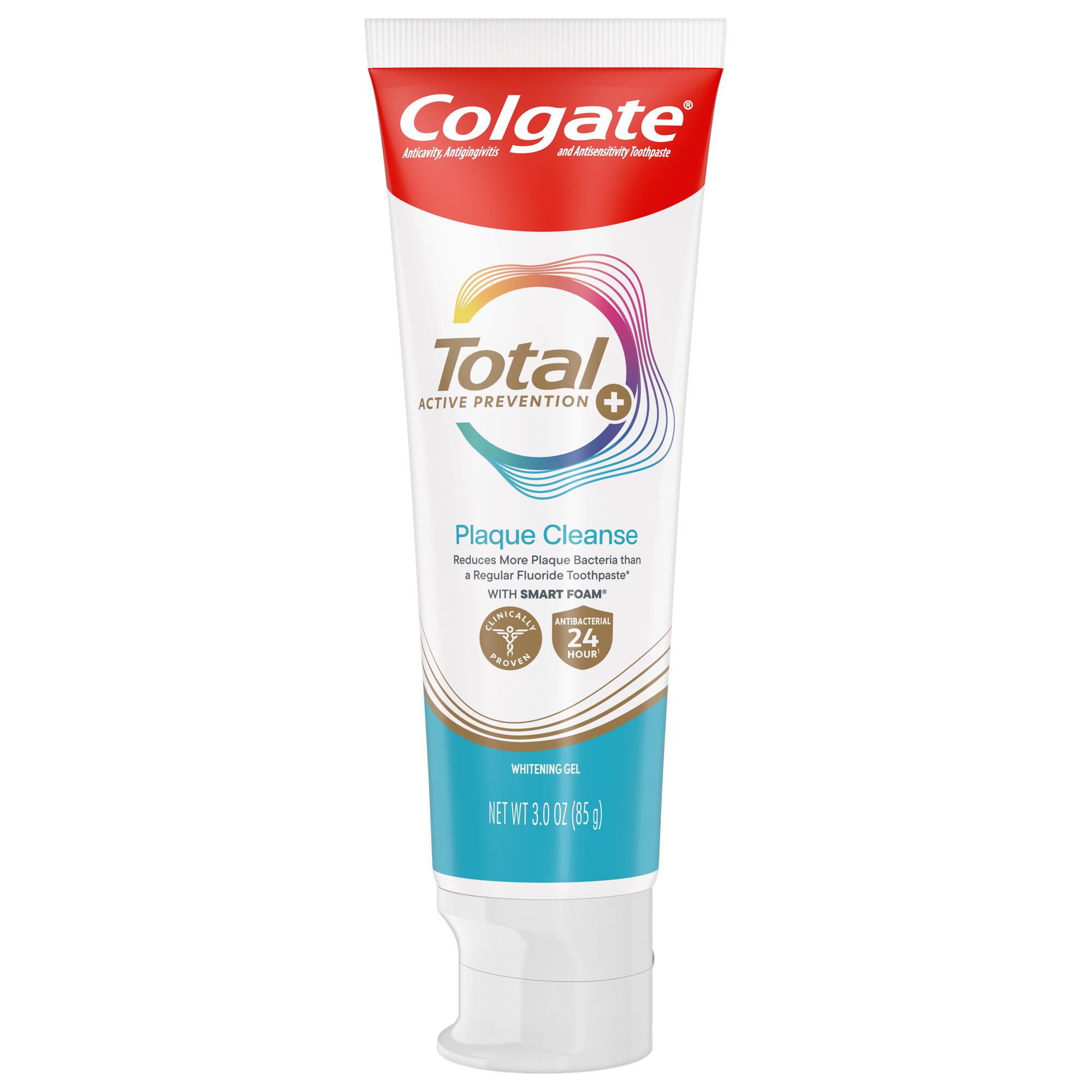
Help promote healthy gums using Colgate Total Active Prevention Plaque Cleanse Whitening Toothpaste Gel. This patented tartar prevention toothpaste fights the root cause* of gingivitis, plaque, tartar, cavities, sensitivity, bad breath, weak enamel, and stains and is 2x more effective*** at fighting bacteria, the root cause of oral health problems like cavities and gingivitis.
*via protection against bacteria and dietary exposures, with daily brushing
***via reduction of bacteria vs. non-antibacterial fluoride toothpaste with 2x daily brushing and 4 weeks use
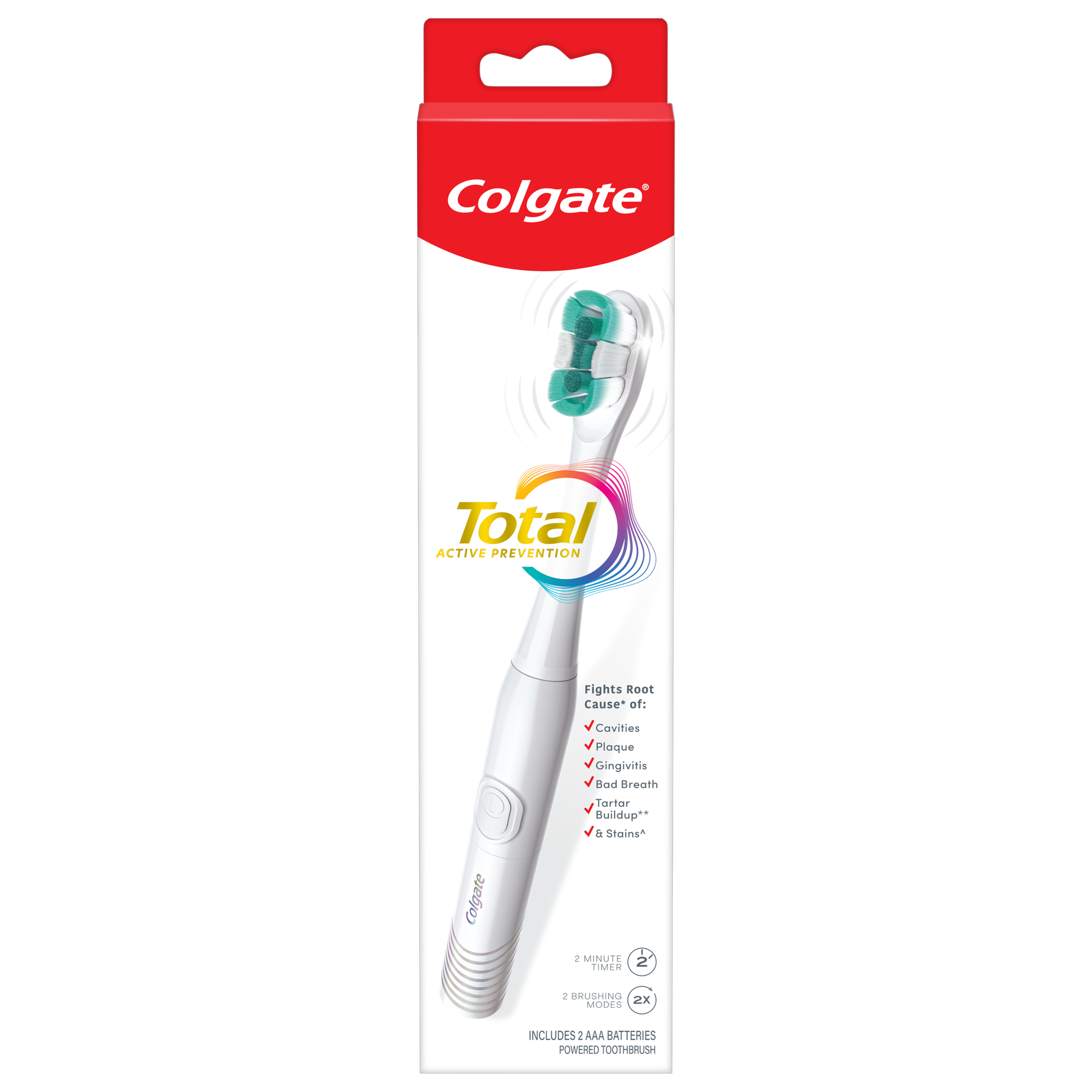
Colgate Total Active Prevention Battery Powered Electric Toothbrush, WhitePower away plaque with Colgate Total Battery Powered Toothbrush.
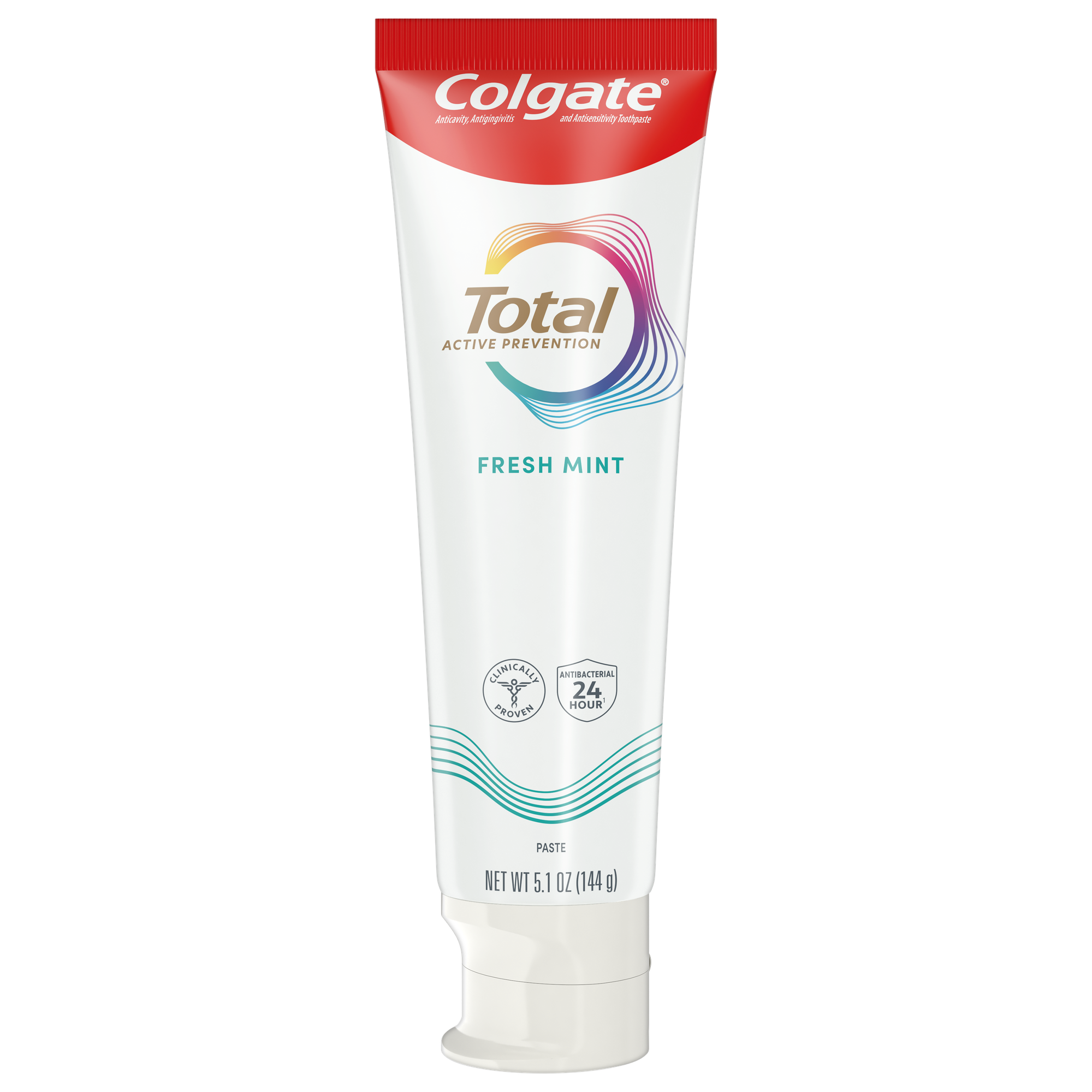
Colgate Total Fresh Mint Toothpaste fights bacteria, the root cause of many oral health issues such as gingivitis, tartar, sensitivity, weak enamel, bad breath, and cavities.


About Cookies on This Site

