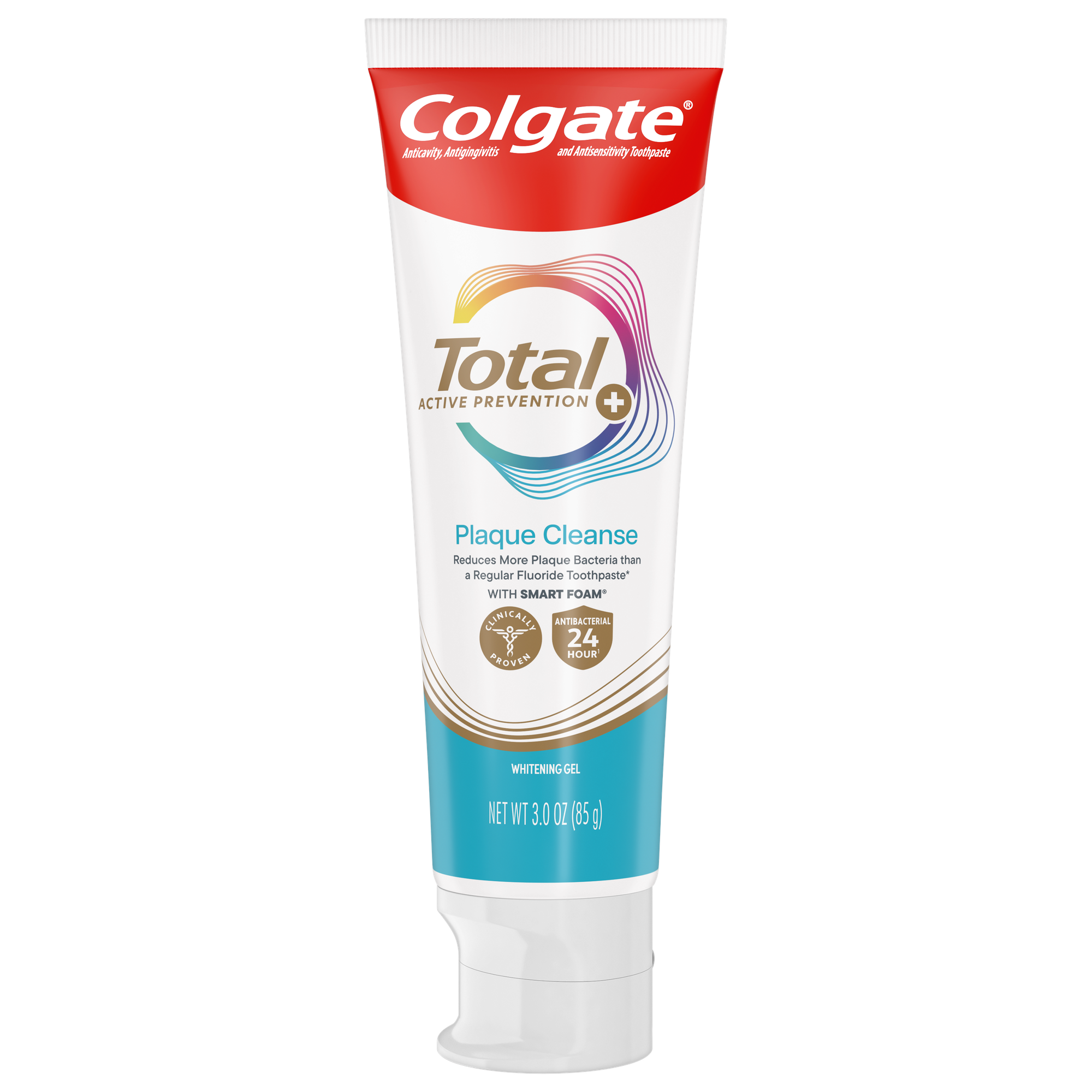
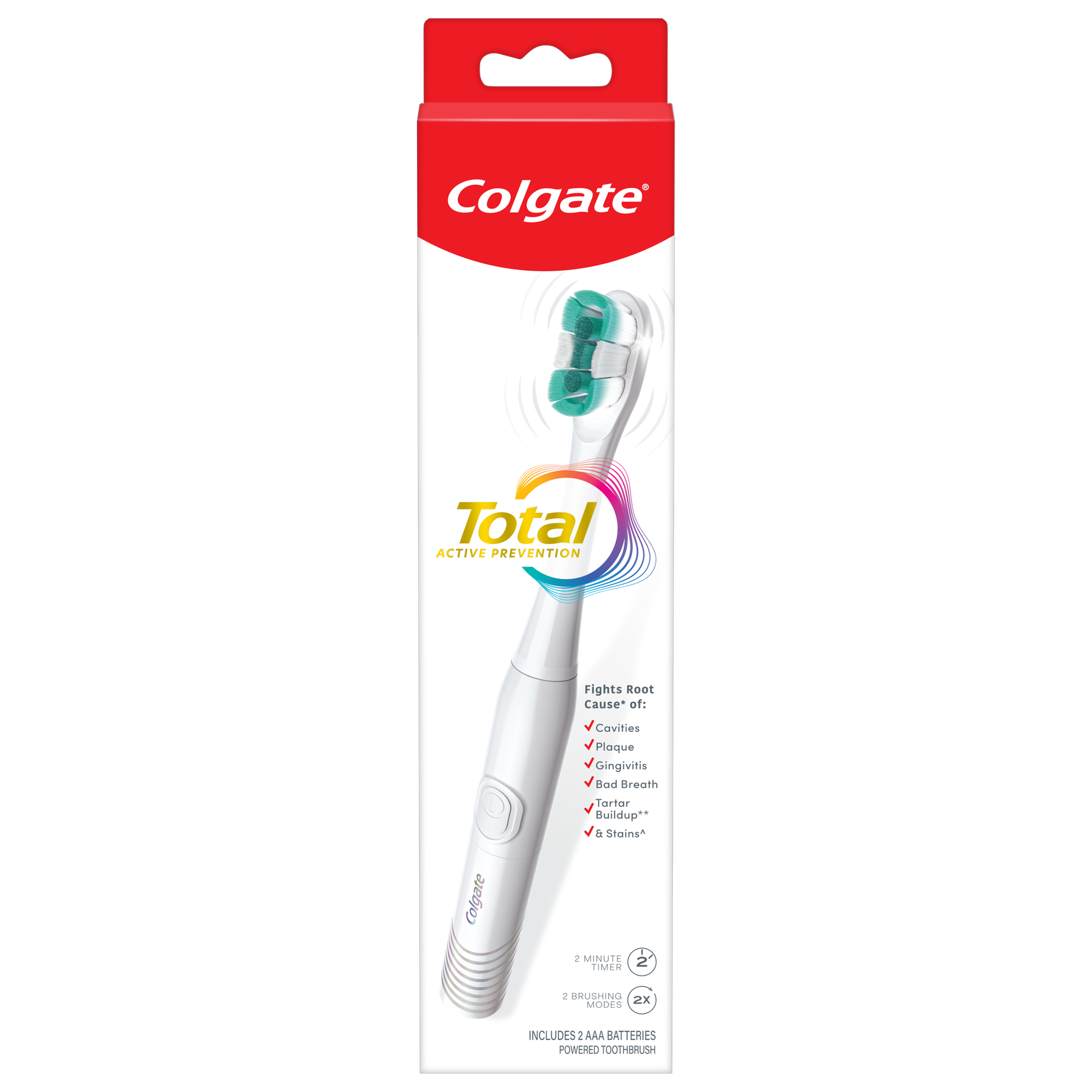
FLUORIDE
Discover what is Stannous Fluoride Toothpaste and its importance to prevent cavities and other oral health problems.
TEETH WHITENING
If you lose one or more of your front teeth due to injury or decay, you may feel ...
If you have temporomandibular joint disorder (TMJ) and also experience dizziness, there's a reason the two conditions can occur simultaneously: TMJ can lead to vertigo.
So, how does TMJ cause you to feel dizzy? And how can you treat TMJ for it and vertigo to go away? We offer some hope.
TMJ is a disorder of one or both of your jaw joints, clinically known as temporomandibular joints. Any number of factors might bring on TMJ, such as jaw injuries, arthritis, autoimmune diseases, and teeth clenching and grinding. Genetics, hormones, and behaviors can all factor into TMJ.
TMJ has a wide reach, affecting body parts and functions associated with your jaw or even near your jaw. If you have TMJ, you might experience any of these symptoms:
Vertigo/TMJ connection: When inflamed, your jaw joints can reach your ears, located behind and above your jaw joints and your inner ears. The inner ear contains the sensors telling your brain about your body's position and movement. Consequently, the inflammation disrupts the brain's signals about your body's position in space – i.e., your sense of balance. As a result, you could experience a loss of balance or dizziness. Nausea and vomiting could accompany your vertigo.
If you experience any TMJ symptoms, consult your dentist or doctor to diagnose and treat the disorder correctly. According to The TMJ Association, Ltd., TMJ can occur concurrently with other disorders, such as fibromyalgia, lower back pain, and endometriosis. And your vertigo might be the result of another medical issue, such as a head injury or migraines, instead of TMJ. So, it's always good to get a comprehensive health screening.
If your vertigo results from your TMJ, you should avoid driving and other activities where dizziness puts you or others in danger – until you've successfully treated your TMJ. You can also undergo a series of head positions to get back your balance.
If you have a rather mild or non-chronic case of TMJ, you might be able to heal yourself. Try these home-care methods to see if you feel better after a while:
For more advanced TMJ cases, the Mayo Clinic notes that treatments can range from minimal to invasive. Treatments include:
Though not a common complication, vertigo can perhaps relate to your TMJ. To get the best diagnosis for both conditions, relate all your symptoms to your dental and medical professionals. They can then advise you on the appropriate tests and treatments leading to TMJ and vertigo relief.
This article is intended to promote understanding of and knowledge about general oral health topics. It is not intended to be a substitute for professional advice, diagnosis or treatment. Always seek the advice of your dentist or other qualified healthcare provider with any questions you may have regarding a medical condition or treatment.
Temporomandibular disorder
TMJ Arthralgia Symptoms and Treatment OptionsTMJ arthralgia is a condition within TMD that refers to pain and inflammation inside your joints. Learn more about the symptoms and treatment, here.

Temporomandibular disorder
Neuromuscular Dentistry: A DefinitionWhat is neuromuscular dentistry? Check out this great article to learn more about this specialty and when this type of dental treatment is necessary.

Temporomandibular disorder
Can Essential Oils Relieve TMJ Jaw Pain?Essential oils are used to treat a range of maladies. Learn what the science says and how TMJ essential oils may help relieve your jaw pain, here.

Temporomandibular disorder
Could Your Lateral Pterygoid Muscle Be Causing TMJ Pain?The lateral pterygoid muscle is one of the four muscles of mastication and is responsible for moving your jaw. Learn how it relates to the TMJ.
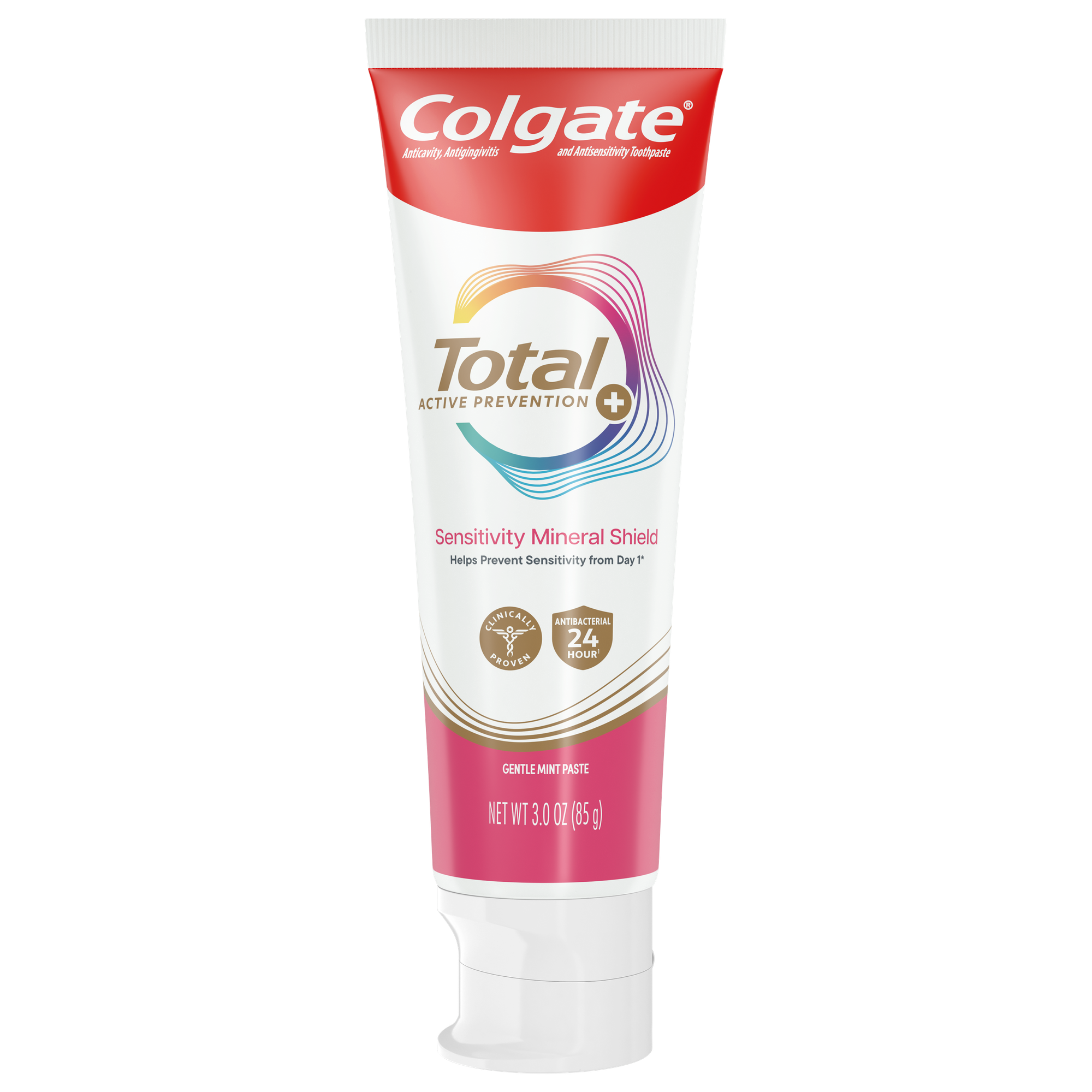
Power away plaque with Colgate Total Battery Powered Toothbrush. This battery operated toothbrush for adults fights the root cause* of cavities, plaque, gingivitis, bad breath, tartar buildup**, and stains***. Plus, this battery toothbrush has a built in 2 minute timer and features two cleaning modes, Sensitive and Regular, to cater to your unique oral care needs.
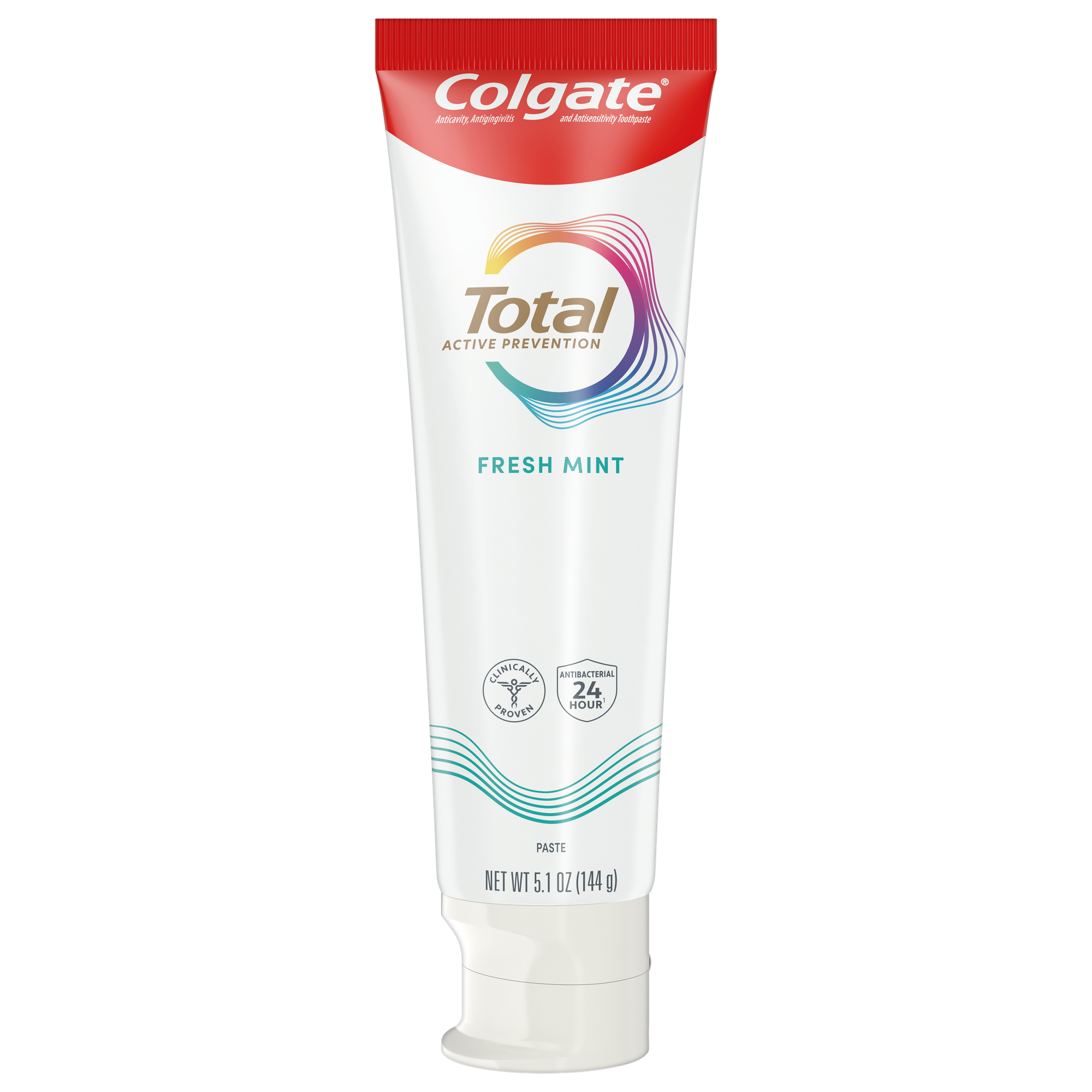
Colgate Total Alcohol Free* Gum Health Mouthwash delivers 24-hour protection** against bacteria and also helps prevent gum problems
Colgate Total Plaque Pro Release Fresh Mint Toothpaste dissolves and lifts away gum harming plaque with daily brushing.
Help prevent sensitivity from day 1* with Colgate Total Active Prevention Sensitivity Mineral Shield Mint Toothpaste. This Colgate Total Sensitivity Toothpaste with Fluoride is a patented antisensitivity toothpaste that fights the root cause** of gingivitis, plaque, tartar, cavities, sensitivity, bad breath, weak enamel, and stains. Colgate Total Sensitivity Mineral Shield Toothpaste helps prevent tooth sensitivity by creating a mineral shield around sensitive spots on your teeth.
*with twice daily use
**via protection against bacteria and dietary exposures, with daily brushing
More professionals across the world trust Colgate. Find resources, products, and information to give your patients a healthier future