The Relationship Between TMJ And Neck Pain
January 9, 2023.
3
min read


As the TMJA explains, your mandible‚ or lower jaw‚ has two extensions of bone with rounded ends, called condyles, that attach to the temporal bones on either side of your skull. A soft, spongy disc lies between the condyle and the bony socket to help the joint move smoothly and absorb any impact during movement. You also have four pairs of chewing muscles, known as the muscles of mastication, that are primarily responsible for jaw movements.
It's difficult to determine the exact cause of TMD. Frequently, it's a combination of factors. The Mayo Clinic notes that TMD can be the result of erosion or misalignment of the soft disk within the joint, impact or injury to the facial area or arthritis damaging the joint's cartilage.
Most TMJ problems involve a dull, aching pain in the joint itself or surrounding areas. The TMJA reports the following as the most common TMD symptoms:
If you have chronic neck pain, it's possible that you have TMD, as the neck and jaw structures are connected.
A study published in BioMed Research International observed that tender points in the neck are often seen in people with TMD. In fact, pain in the neck region was found to be associated with TMD 70% of the time. While one condition doesn't necessarily cause the other, the study found that as the level of neck disability increases, so does the level of jaw disability.
A study published in the Journal of Oral Rehabilitation verified the correlation between TMD and neck pain in women who work with computers. It noted that neck pain is one of the most common complaints among people working with computers all day. Compared with women who reported no neck pain, women who had neck pain were more likely to also exhibit evidence of TMD.
The TMJA also notes that musicians who hold musical instruments close to their neck, such as violinists, may also be susceptible to TMD because of the positioning of their head and neck. Ultimately, patients should assess workplace conditions to minimize any neck or TMD problems.
If you have signs of TMD, the TMJA recommends first seeing a medical doctor to rule out any conditions with similar symptoms, such as sinus infections, abscessed teeth, migraine headaches and facial neuralgia. But because there isn't a specific medical or dental specialty that deals with TMD, the TMJA supports the National Institutes of Health's recommendation to find a provider that understands disorders of muscles, bones and joints and is trained in pain management. For complicated cases, a team of doctors may be needed for diagnosis and treatment; however, TMD is usually treated conservatively, with reversible procedures and short-term use of over-the-counter pain medications.
If you're suffering from pain of the neck and TMJ, or if you merely have a clicking in your jaw, it is always best to see your doctor or dentist to get further advice and prompt treatment.
This article is intended to promote understanding of and knowledge about general oral health topics. It is not intended to be a substitute for professional advice, diagnosis or treatment. Always seek the advice of your dentist or other qualified healthcare provider with any questions you may have regarding a medical condition or treatment.
ORAL HEALTH QUIZ
Take our Oral Health assessment to get the most from your oral care routine

TMJ arthralgia is a condition within TMD that refers to pain and inflammation inside your joints. Learn more about the symptoms and treatment, here.

What is neuromuscular dentistry? Check out this great article to learn more about this specialty and when this type of dental treatment is necessary.

Essential oils are used to treat a range of maladies. Learn what the science says and how TMJ essential oils may help relieve your jaw pain, here.

The lateral pterygoid muscle is one of the four muscles of mastication and is responsible for moving your jaw. Learn how it relates to the TMJ.
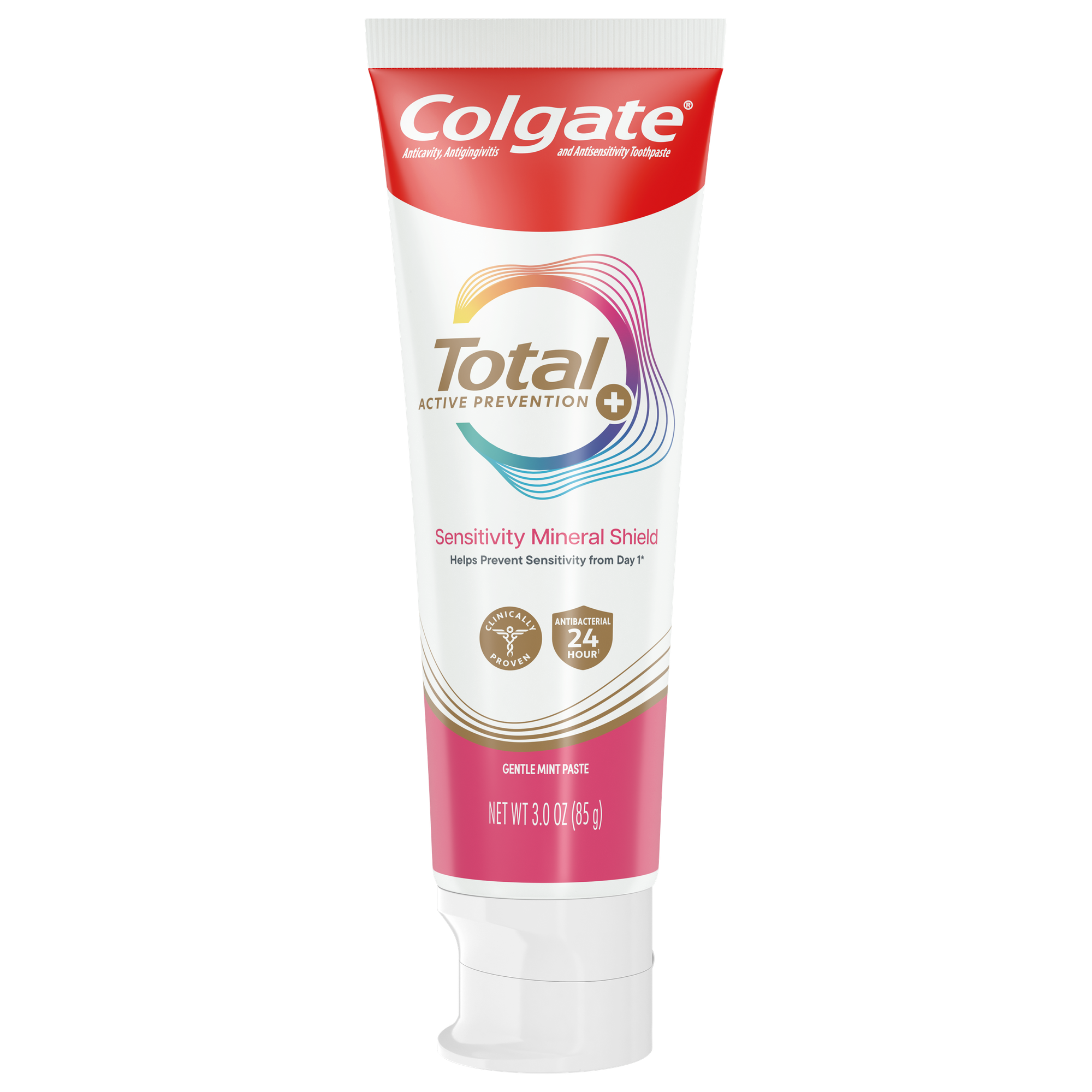
Help prevent sensitivity from day 1* with Colgate Total Active Prevention Sensitivity Mineral Shield Mint Toothpaste.
*with twice daily use
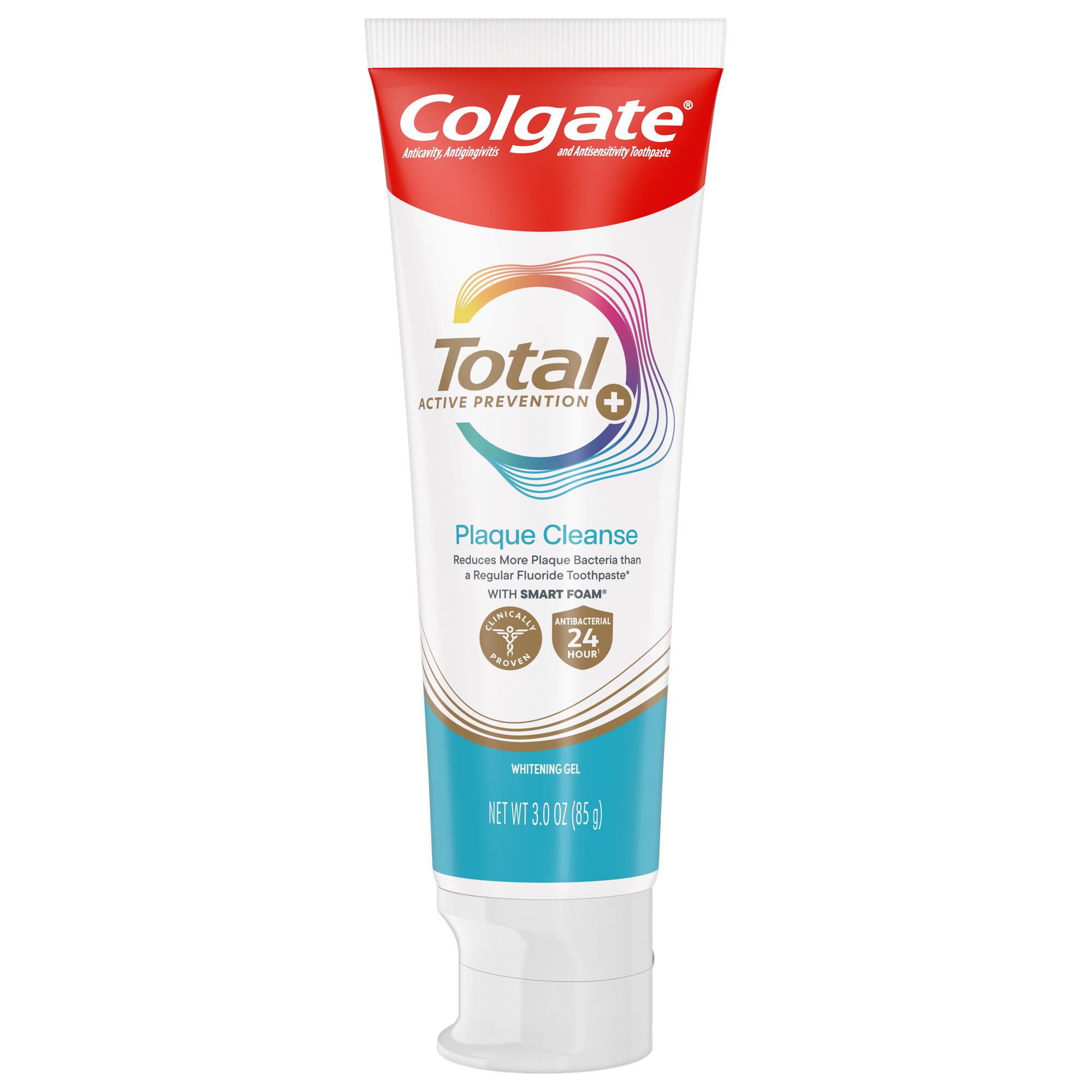
Help promote healthy gums using Colgate Total Active Prevention Plaque Cleanse Whitening Toothpaste Gel. This patented tartar prevention toothpaste fights the root cause* of gingivitis, plaque, tartar, cavities, sensitivity, bad breath, weak enamel, and stains and is 2x more effective*** at fighting bacteria, the root cause of oral health problems like cavities and gingivitis.
*via protection against bacteria and dietary exposures, with daily brushing
***via reduction of bacteria vs. non-antibacterial fluoride toothpaste with 2x daily brushing and 4 weeks use
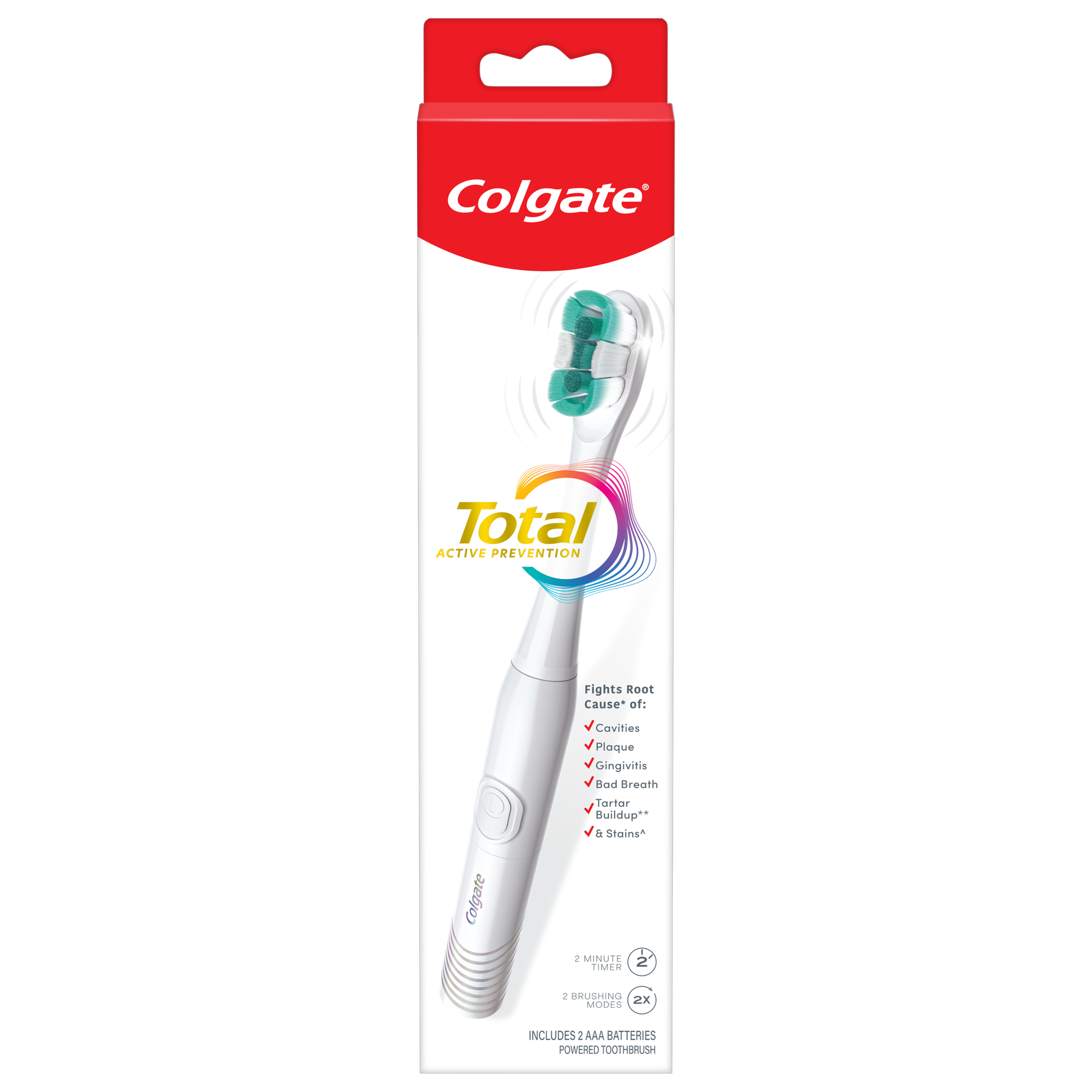
Colgate Total Active Prevention Battery Powered Electric Toothbrush, WhitePower away plaque with Colgate Total Battery Powered Toothbrush.
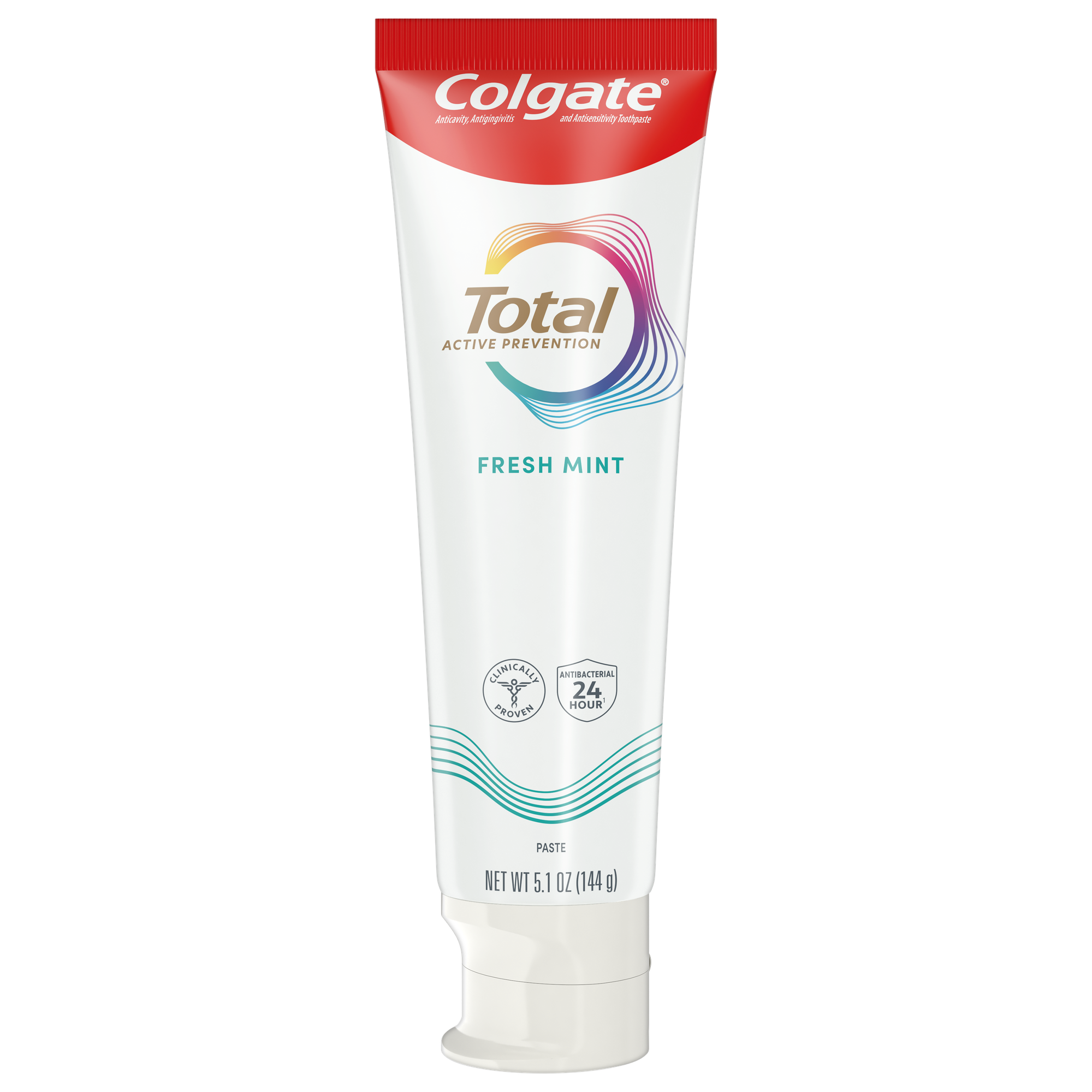
Colgate Total Fresh Mint Toothpaste fights bacteria, the root cause of many oral health issues such as gingivitis, tartar, sensitivity, weak enamel, bad breath, and cavities.


About Cookies on This Site

