Clear Aligners Or Metal Braces? Here's How To Choose
November 7, 2023.
3
min read


There are many teeth-straightening treatments available. Perhaps the most recognized option is traditional metal braces. Metal braces consist of brackets that are affixed to your teeth. Wires are threaded through slots in the brackets. The brackets are typically made of stainless steel and the wires stay connected to the brackets by small rubber bands. The wires put a constant, yet gentle, force to properly align your teeth.
Aligners are thin, clear trays made to fit your teeth. Unlike metal braces, aligners are removable. The patient is responsible for putting them in and taking them out. Patients receive sets of aligners designed to move their teeth using the same method as braces: constant, gentle pressure.
Aligners offer some benefits that metal braces don't. Aligners allow for easier brushing and flossing since they're removed for cleaning. Plus, food won't get stuck like with metal brackets.
Because aligners don't have brackets or wires that can loosen, they may require fewer repairs and fewer emergency visits to the orthodontist. The biggest benefit is that clear aligners are nearly invisible, meaning many people won't be able to tell you're wearing them at all.
The first step to getting your teeth aligned is meeting with your orthodontist. They will perform an oral exam and take a series of X-rays and photos of your head and mouth. They will also take an impression of your teeth to plan your treatment.
Traditional braces require orthodontic adjustment every four to six weeks. Patients typically wear braces for one to three years, although your orthodontist will have a better idea of your time frame after developing your treatment plan.
If you choose aligners, your orthodontist will give you several sets. Each set should be worn for one to two weeks, according to the American Association of Orthodontists. Aligners should be worn for 22 hours a day and are taken out of the mouth for eating, brushing and flossing. As with braces, patients will need to wear a retainer after clear aligners.
Metal braces tend to be more effective at adjusting teeth that have severe overcrowding. Metal braces may also cost less than aligners. And, since they're fastened to your teeth, you don't have to worry about misplacing or losing them.
On the other hand, a study published in The Angle Orthodontist found that the average total treatment time with aligners was shorter than with conventional braces, though the cost was higher.
If you want to improve your smile but cringe at the thought of metal braces, talk to an orthodontist about your options. Clear aligners might be the solution for you.
Colgate is offering orthodontic aligners in the Dallas, Texas area and expanding. If you are interested, please visit colgatealigners.com to learn more.
This article is intended to promote understanding of and knowledge about general oral health topics. It is not intended to be a substitute for professional advice, diagnosis or treatment. Always seek the advice of your dentist or other qualified healthcare provider with any questions you may have regarding a medical condition or treatment.
ORAL HEALTH QUIZ
Take our Oral Health assessment to get the most from your oral care routine

Teeth shifting out of alignment can occur for several reasons other than when braces are removed. Learn more about preventative tips for teeth shifting.

The use of at-home braces is a newer concept in dentistry that has many in the profession concerned. Learn more about at home braces and the risks, here.

Tooth wax, also called dental wax, is a soft material that can be used to temporarily cover sharp surfaces inside your mouth.

You can use retainers, teeth whitening procedures, contouring and teeth reshaping after braces come off to perfect your smile.
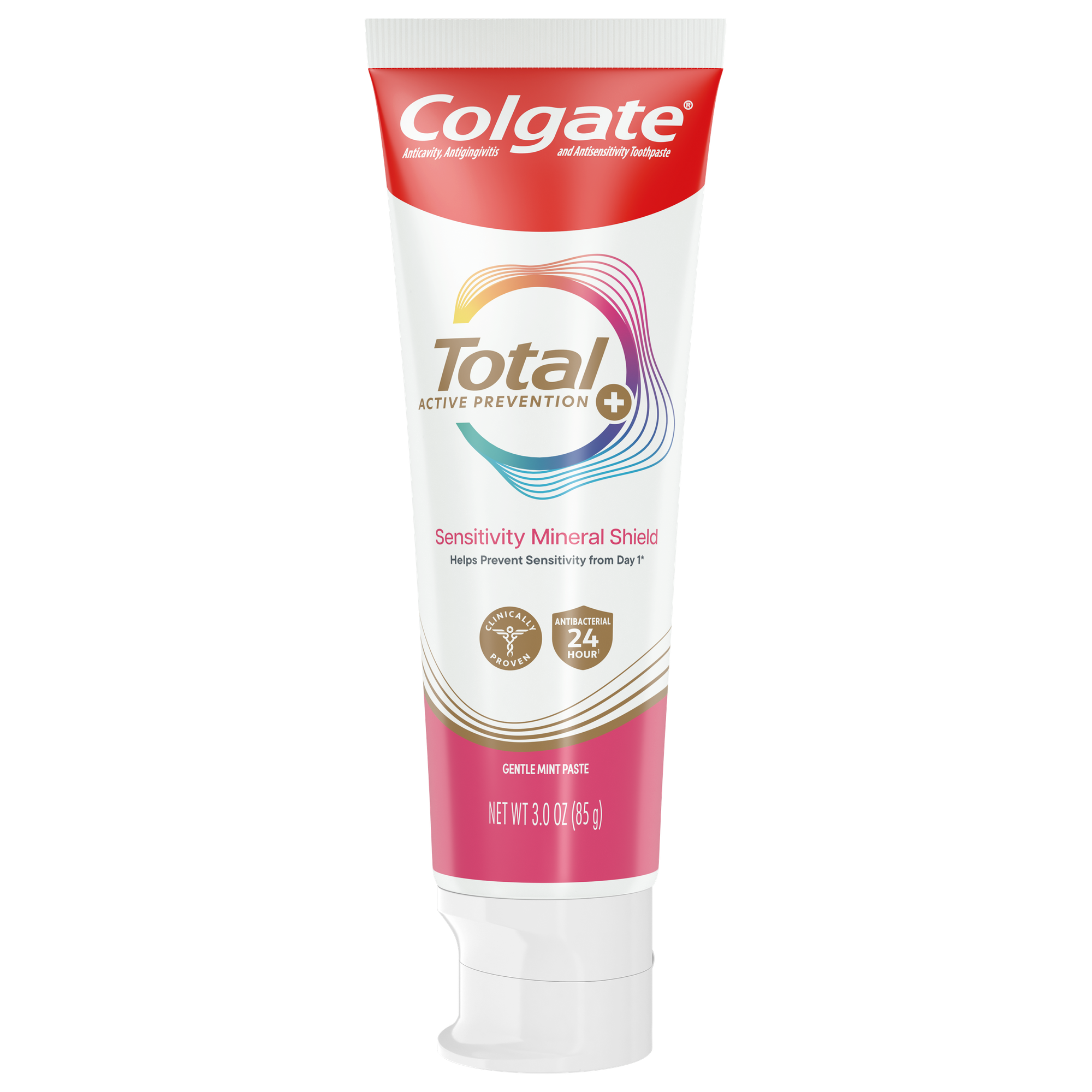
Help prevent sensitivity from day 1* with Colgate Total Active Prevention Sensitivity Mineral Shield Mint Toothpaste.
*with twice daily use
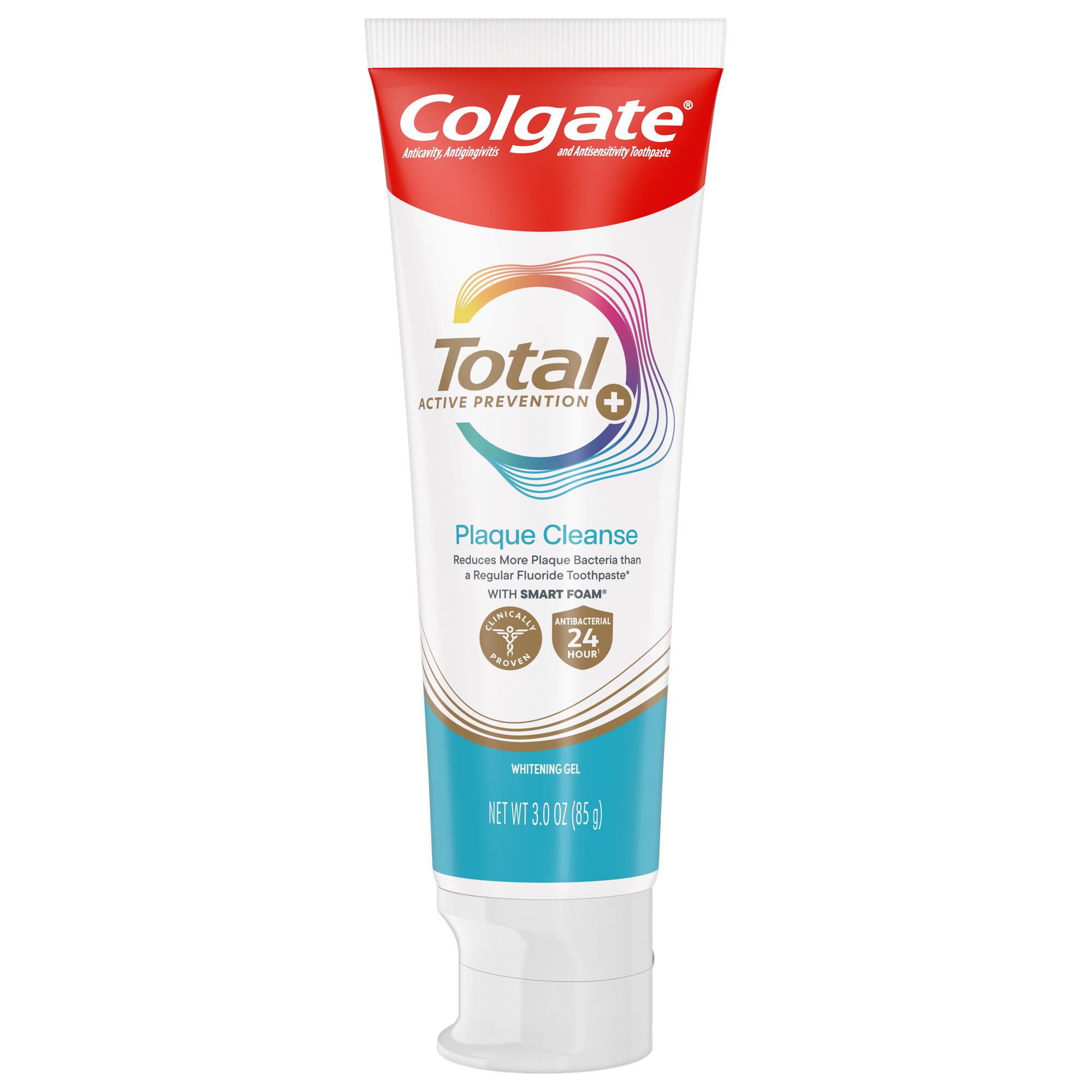
Help promote healthy gums using Colgate Total Active Prevention Plaque Cleanse Whitening Toothpaste Gel. This patented tartar prevention toothpaste fights the root cause* of gingivitis, plaque, tartar, cavities, sensitivity, bad breath, weak enamel, and stains and is 2x more effective*** at fighting bacteria, the root cause of oral health problems like cavities and gingivitis.
*via protection against bacteria and dietary exposures, with daily brushing
***via reduction of bacteria vs. non-antibacterial fluoride toothpaste with 2x daily brushing and 4 weeks use
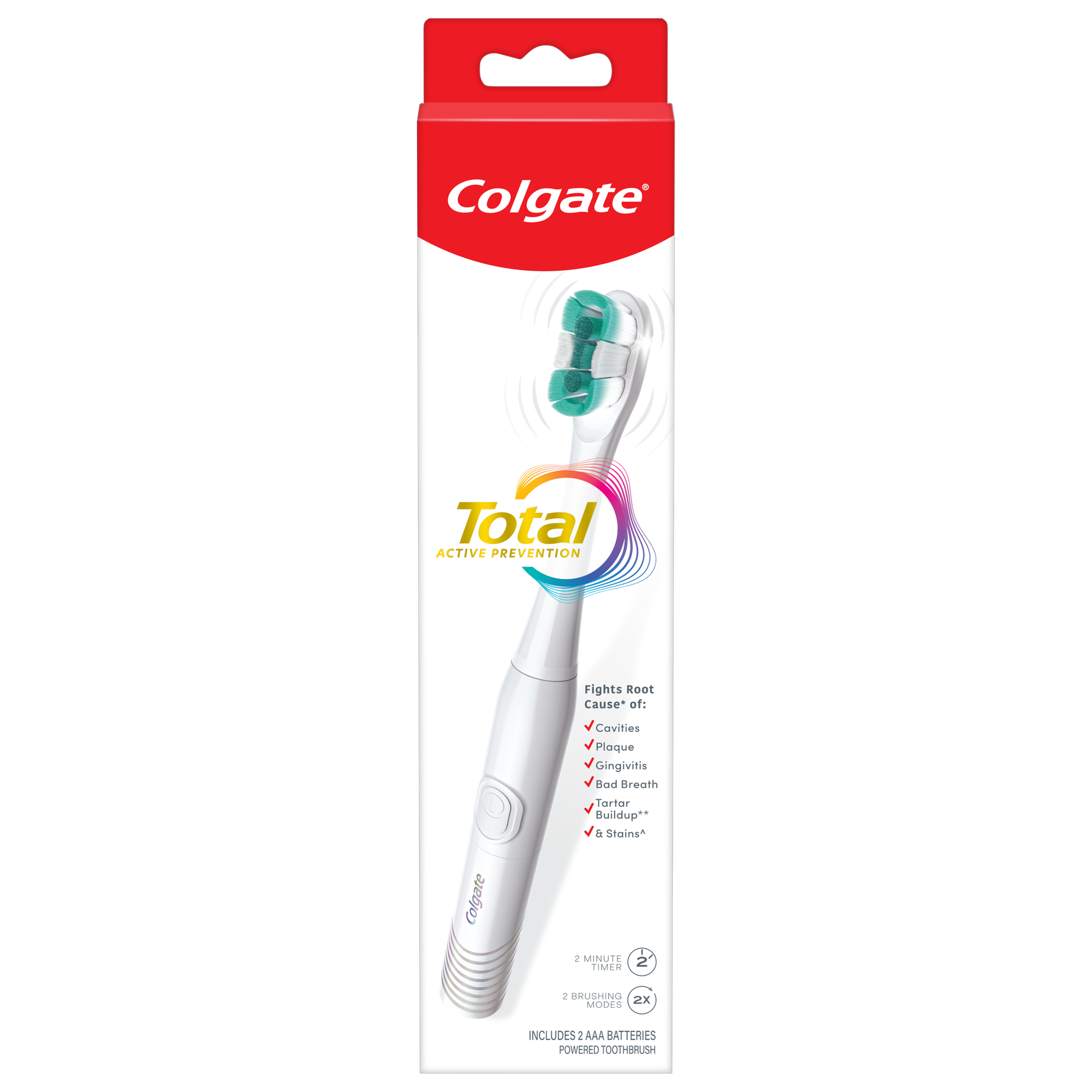
Colgate Total Active Prevention Battery Powered Electric Toothbrush, WhitePower away plaque with Colgate Total Battery Powered Toothbrush.
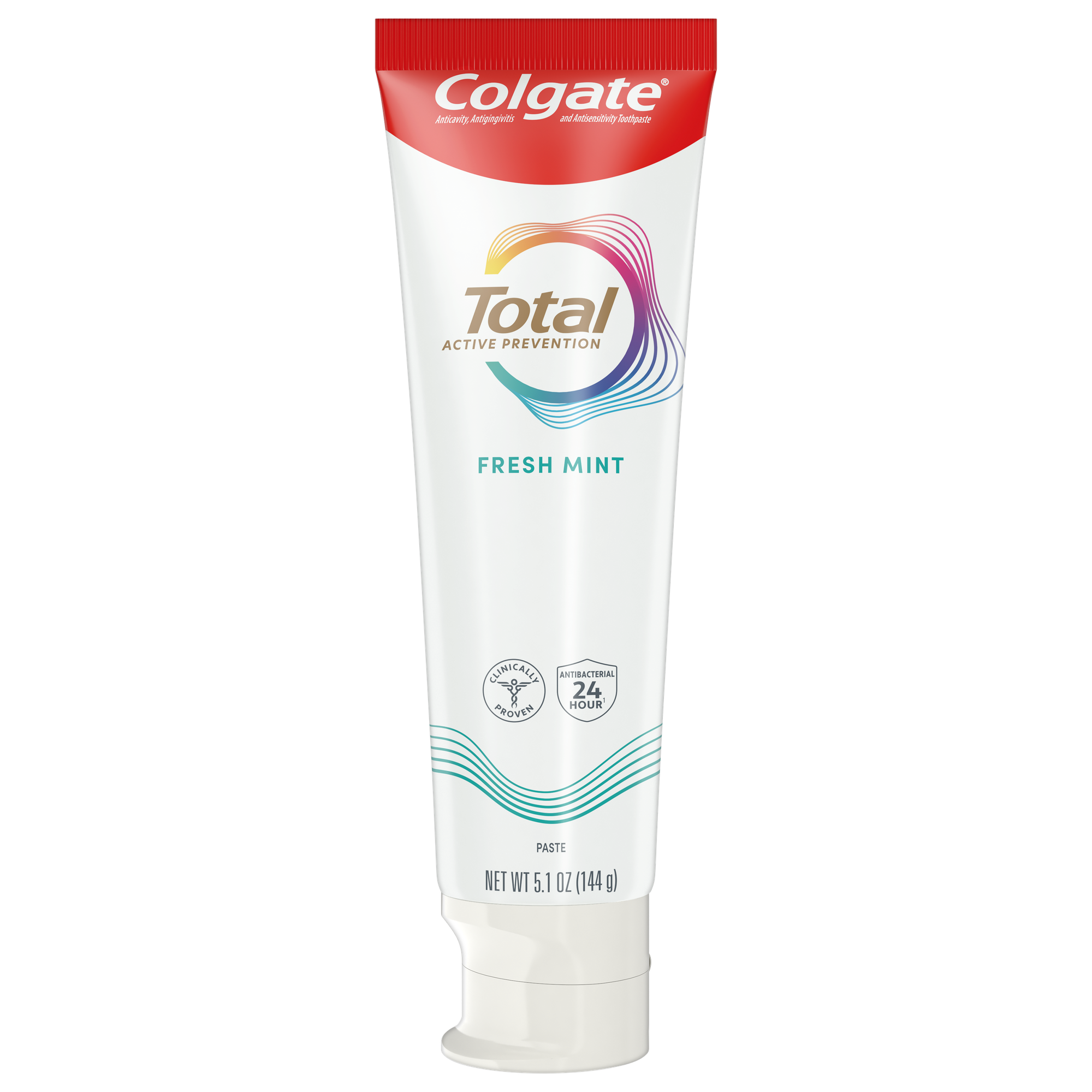
Colgate Total Fresh Mint Toothpaste fights bacteria, the root cause of many oral health issues such as gingivitis, tartar, sensitivity, weak enamel, bad breath, and cavities.


About Cookies on This Site

