How to Get Rid of Stress-Induced Bad Breath
August 30, 2024.
4
min read


When you’re stressed, your body releases certain hormones like cortisol and adrenaline. Your breathing patterns also change, so you may breathe more rapidly and breathe through your mouth more often. Both of these changes can contribute to dry mouth, where you have reduced saliva levels in your mouth.
Saliva plays a crucial role in keeping the mouth clean and healthy. If you don't have enough saliva to wash away food particles and bacteria, it can collect on your teeth and gums. And – you guessed it – food particles and flourishing bacteria can cause less-than-perfect breath.
Stress can cause bad breath by influencing your diet, too. During stressful times, your body naturally craves high-energy foods – candy, chocolate, bread, etc. Oral bacteria love these foods, too! So the more you eat, the more fuel these odor-causing bacteria have to thrive on.
Finally, stress and bad breath may be connected via certain coping mechanisms. For example, some people reach for alcohol or cigarettes when they’re stressed or anxious. But both can leave behind a pungent odor, and they also contribute to bad breath via dry mouth.
Reducing stress is best achieved in different ways for different people, depending on their unique circumstances. But lots of people report that self-care and mindfulness activities like these can help to relieve their stress:
A straightforward way to become calmer in a stressful situation is to take slow, deep breaths through your nose. Keeping a gentle, even rhythm should help relax you. And by avoiding breathing through your mouth as much as possible, you'll be able to maintain moisture on your teeth and gums.
Alcohol, coffee, and tea are diuretics and can cause dehydration (which is a stressor on its own). You may want to avoid these drinks before any upcoming stressful events. A simple glass of water will better moisturize your mouth, calm your nerves, and keep your breath fresh. Just remember to drink it before you feel thirsty.
Water is always a great way to stave off dryness of your tongue, teeth, and gums. It not only moistens and cleanses your mouth, but it hydrates your body too, which can help with natural saliva production. Ask for a lemon with your water if you're at a lunch meeting or a dinner date. That citrus juice will help stimulate your salivary glands as well.
Lozenges and sugarless gum are helpful, too. Not only do they freshen your breath, but chewing can distract you from anxious feelings and prevent you from clenching your jaw muscles. Xylitol sugarless lozenges can even assist in the prevention of cavities.
The best way to avoid bad breath is by practicing good oral hygiene. Brush your teeth at least twice a day (don't forget to brush your tongue), floss at least once a day, and consider using other helpful products like antimicrobial mouthwashes and tongue scrapers. And be sure to see your dental professional for regular oral health visits. When you make these habits part of your daily routine, bad breath will be one thing you won’t feel stressed about!
This article is intended to promote understanding of and knowledge about general oral health topics. It is not intended to be a substitute for professional advice, diagnosis or treatment. Always seek the advice of your dentist or other qualified healthcare provider with any questions you may have regarding a medical condition or treatment.
ORAL HEALTH QUIZ
Take our Oral Health assessment to get the most from your oral care routine
Local anesthesia — often referred to as Novocaine, which is a brand name — is achieved by injecting anesthetic agents in targeted areas of the mouth with a needle.

Learn how to combat dry mouth and bad breath with Colgate's expert advice, ensuring fresh breath and optimal oral health.

Beat morning breath with expert tips on prevention and treatment. Discover simple steps for a fresh start every day.
Does your breath tend to get worse during anxiety-inducing situations? Can stress cause bad breath? Learn the tips and tricks that may be able to help you here.
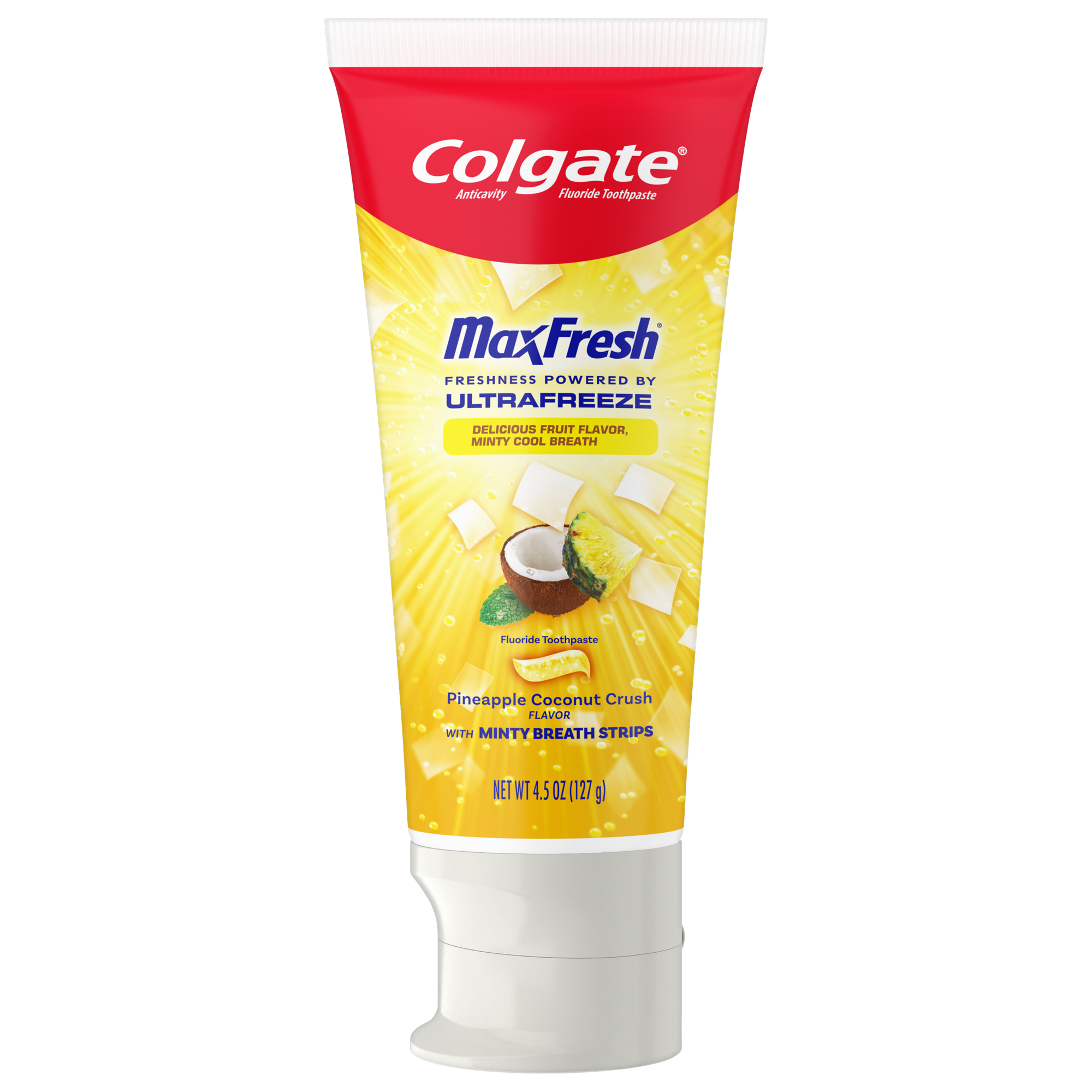
Powered by Ultrafreeze, Colgate Max Fresh Pineapple Coconut Crush Toothpaste offers a refreshingly cool taste that leaves your breath feeling minty fresh. This fruity mint toothpaste, with hundreds of mini breath strips, releases an instant blast of freshness every time you brush.
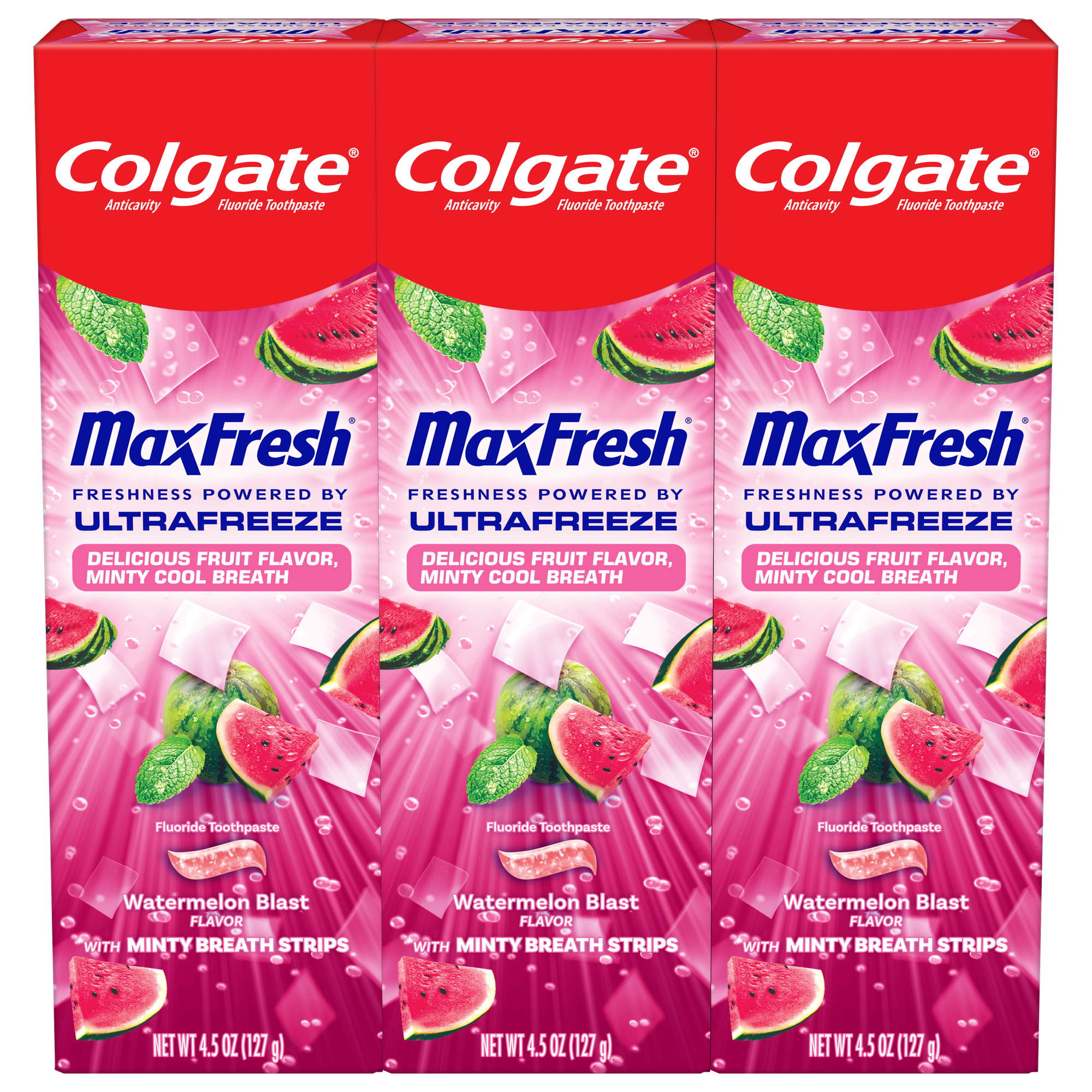
Release an instant blast of fruit-flavored freshness with Colgate Max Fresh Anticavity Fluoride Toothpaste in Watermelon Blast with Mint.
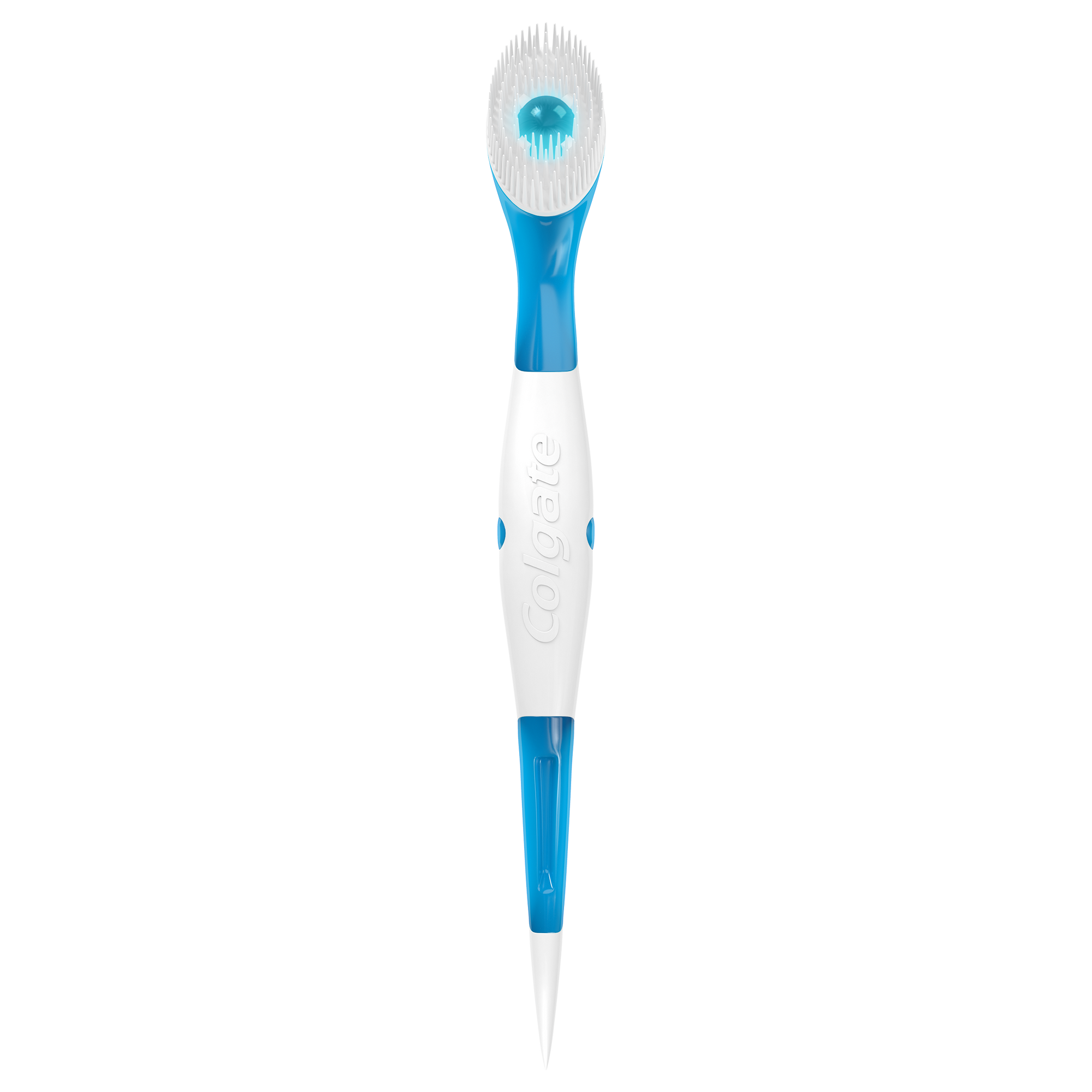
Colgate® Max Fresh Wisp is your go-to brush on-the-go. Its bristles gently remove food and other particles, while the built-in freshening bead releases minty freshness. No water or rinsing is necessary, making it perfect for when you travel, or any time you’re out and about.

Colgate® Max Fresh® Toothpaste with Charcoal fights cavities, whitens teeth, and freshens breath.


About Cookies on This Site

